
Elsa Schiaparelli at the V&A: A Review of Fashion's Greatest Surrealist
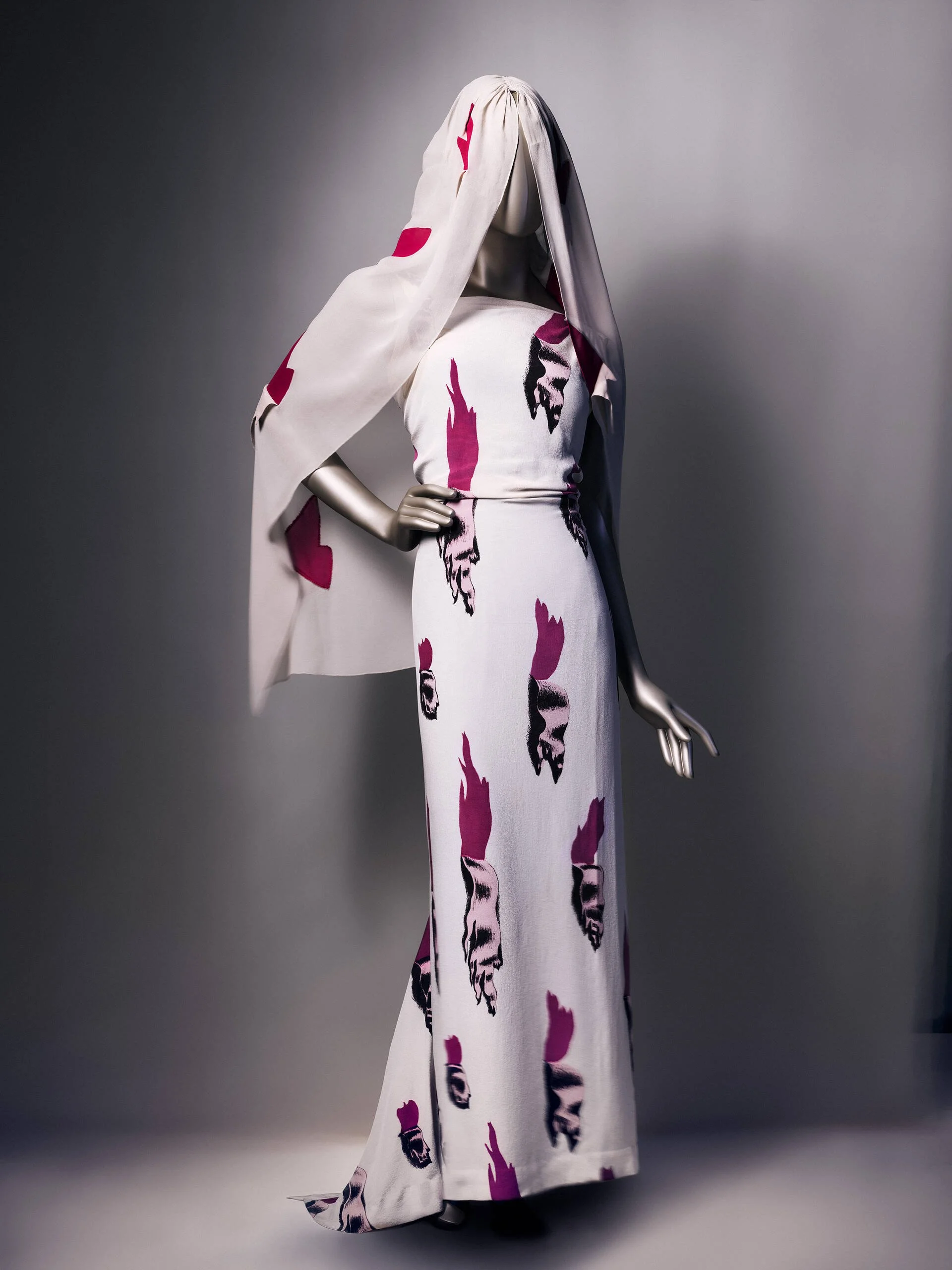
Schiaparelli X Dali, a Surrealist Power Pairing
As London begins its yearly tilt into the frantic self-importance of the summer season, Schiaparelli: Fashion Becomes Art has opened at the V&A like a sharp, surrealist elbow to the ribs.
It’s yet another reminder of just how lucky we are to have such institutions at the heart of the British cultural scene – the kind of place that, were it in any other European capital, would settle for yet another perfectly lovely-yet-rather-dull display of heritage fashion for the swathes of seasonal tourists. The V&A, and with this exhibition as the latest in a series of superb showcases, clearly takes joy in reminding us that fashion is at its most potent when it’s being a real nuisance.
Indeed, I’ve spent enough time wandering around fashion exhibitions to know that a retrospective of a particular designer can all too easily slip into a polite, chronological snooze. But Elsa Schiaparelli (or "Schiap" as she was known to the inner circle she essentially invented and ferociously guarded) was never one for politeness. To walk through this show is to realise, in glorious high definition, that Schiaparelli didn't just design garments, but rather staged a lifelong coup against the mundane that has left tangible ripples we can all celebrate to this day.
The Irrepressible Art of the Amateur
We love a plucky amateur in the UK; there’s a real punk energy to the idea of the underdog, the ‘fake it ‘til you make it’ story, and the kind of raw talent that doesn’t muck around with things like formal training or following a set career path.
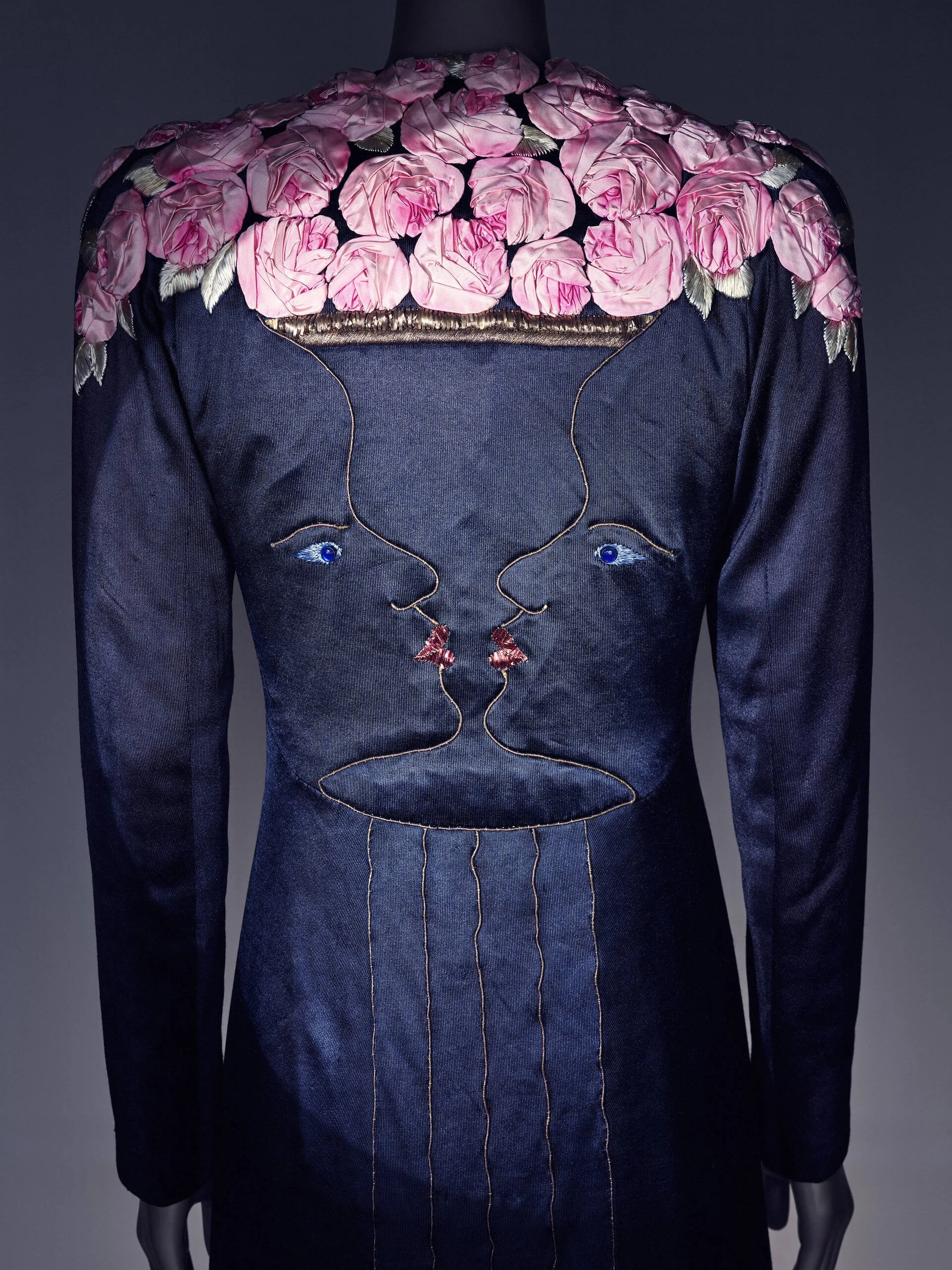
The original Cocteau Twins
Much has been written about the great irony of Elsa’s career, and it’s something this exhibition captures with a certain mischievous glee: she arrived in Mayfair in the 1930s with almost no formal training whatsoever. In a fashion world built upon shameless nepotism, rigid apprenticeships and very clear rules on what constitutes ‘perfect’ silhouettes, she was very much an inspired interloper, throwing two fingers to the establishment.
It’s exactly this attitude (along with an impeccable sense of timing and the kind of gravitational pull that legendary figures tend to have as standard) that earned her a seat at the table with the Surrealists – capital ‘S’ present and correct. It’s an attribute that ended up being far more dangerous, thrilling and inspiring than any sewing kit could muster, and moving through the first few rooms, you see quite clearly that she wasn't looking to her contemporaries for inspiration; she was trading fever dreams with Salvador Dalí, Man Ray and Jean Cocteau. Her involvement with this circle wasn’t "collaboration" in the modern, corporate sense of slapping a logo on a t-shirt, but something more akin to a creative kidnapping.
With the uproarious influence of her peers (and there’s little doubt that this essence of influence was very much a two-way street), a dress became a canvas for a skeletal structure, a hat was fashioned from a high-heeled shoe and a lobster finds itself somewhere it has no business being. Schiaparelli rendered wit into wool and silk, and her creations remain startlingly modern to this day.
Beyond the Seams
What strikes me most, even as someone who has seen my fair share of couture retrospectives, is the sheer visceral weight of the work. There’s a room dedicated to her more confrontational pieces (the Skeleton dress and the Tears dress, in particular) where it’s hard not to have an almost physical reaction.
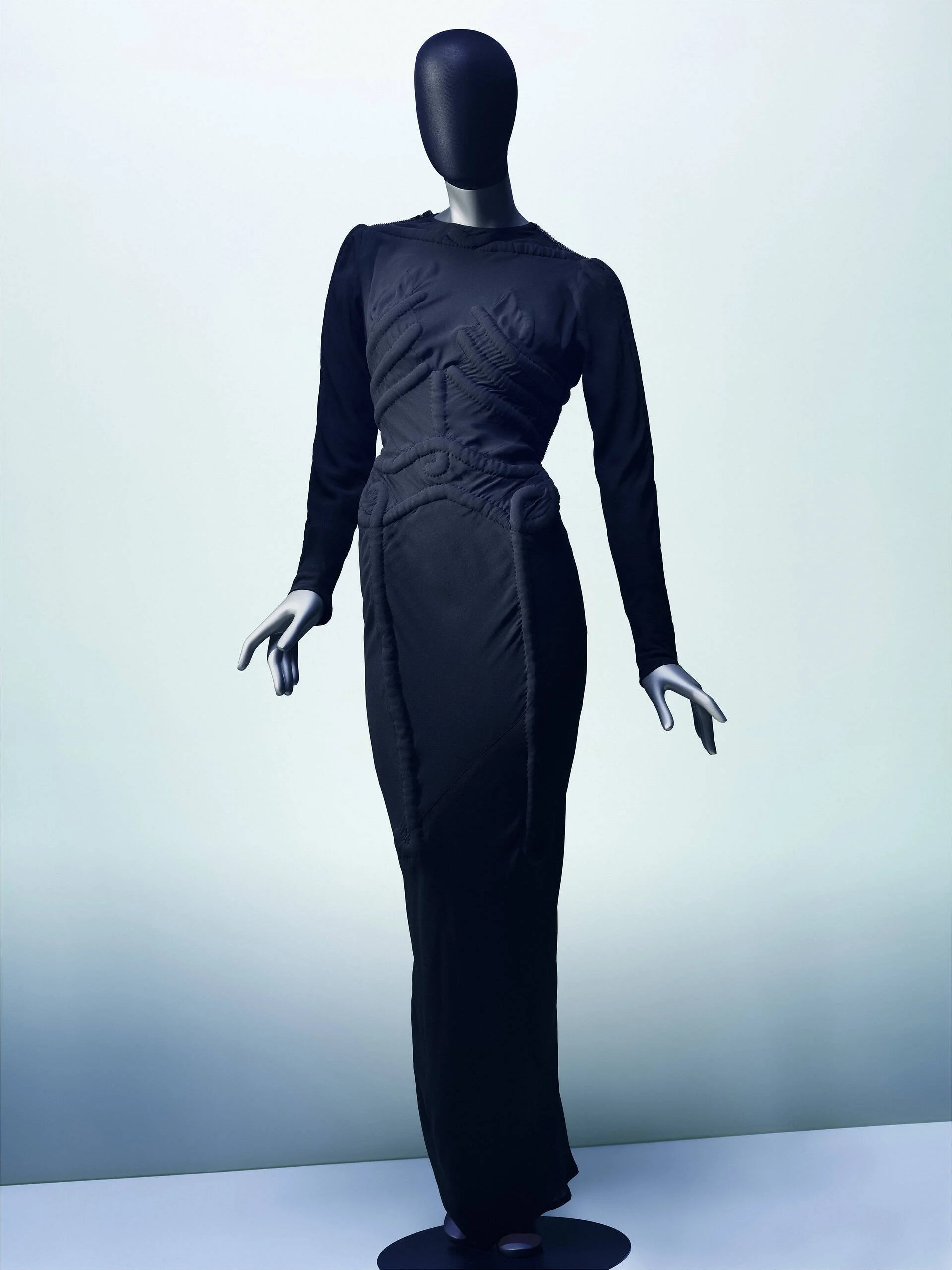
Still powerful: The Skeleton Dress
The Skeleton dress is a real case in point: with its raised, bone-like quilting, isn’t just a triumph of craftsmanship but a genuine provocation. Imagining it in situ upon its creation in 1938 is a fascinating thought experiment: we know that Europe on the brink of the Second World War was more open to artistic experimentation than the dour black-and-white stock footage of the time suggests, but it was still a world primarily governed by polite manners and conservative values.
This dress, however, rips up the rulebook in spectacular style and with a gorgeously daring, proto-punk attitude. It tells the world that beauty is, quite literally, skin deep, while simultaneously making a mockery of the human form it's meant to adorn. I’m not sure I’ve ever known a mannequin make my heart rate pick up, but Elsa’s creations demand you pay attention not just to the stitch, but to the intent.
There is a real sense of resistance here, too, and one which once again benefits from seeing the pieces through the lens of almost a hundred years of history. Designing through those interwar years (a period defined by creeping dread and a tightening of social norms) Schiaparelli’s work was a profound refusal to behave. She took the everyday and gave it a surreal, winking and sometimes downright hilarious shove, proving that creativity thrives best when the world is leaning towards disruption. Frankly, I far prefer her tangible, often satire-led creations to any of Dali’s drippy, sincere and all-too-self-conscious canvases.
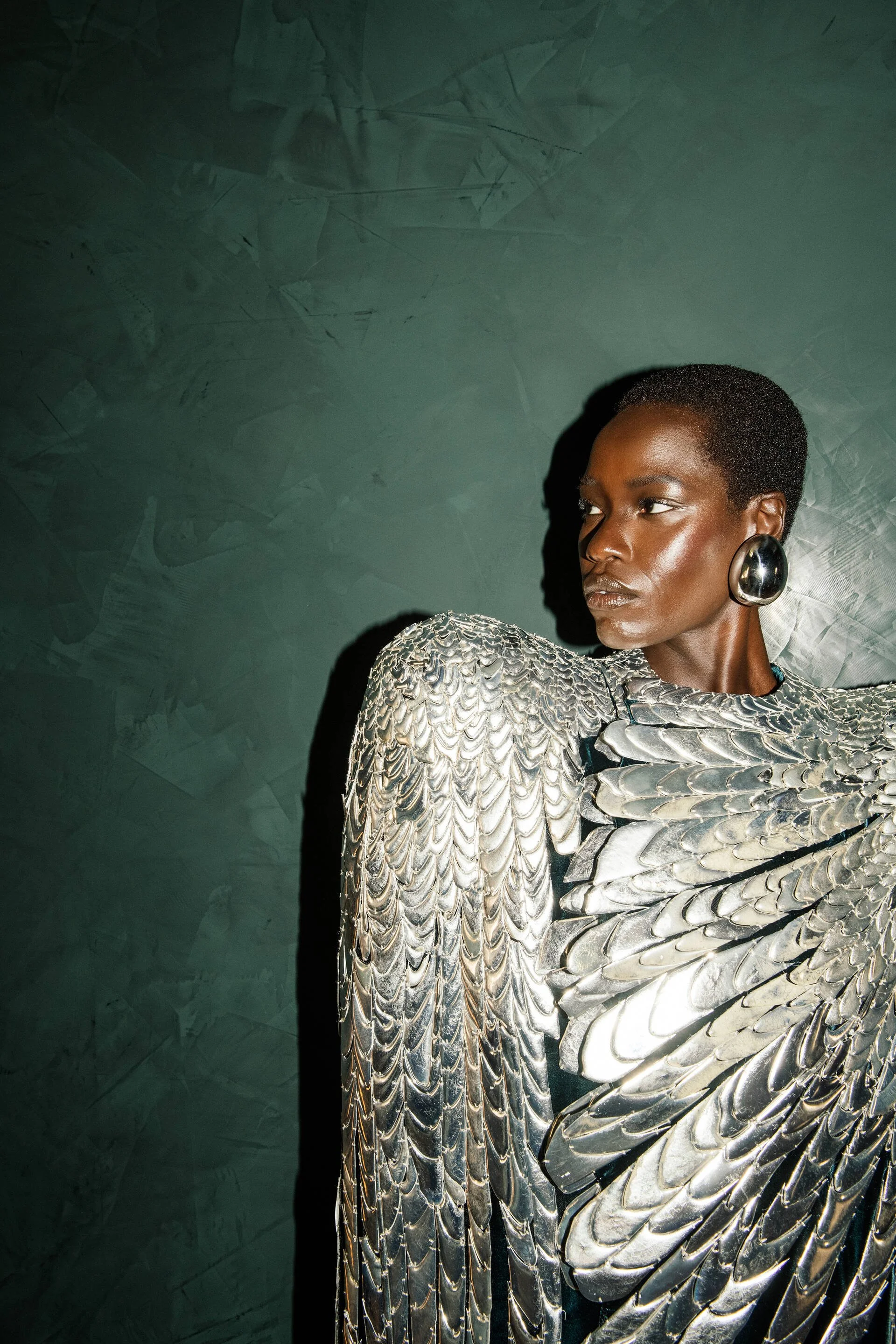
The House of Schiaparelli in 2024
The Beat Goes On
The V&A has done something really rather clever by bridging the gap between Schiaparelli’s original output and her house’s contemporary output in the world of high fashion, and the result is that it prevents the show from feeling like a museum of dead ideas. Instead, you see a continuity of spirit: a reminder that the "Schiap" ethos wasn't a historical fluke, but a permanent permission slip for fashion to be weird, difficult and profoundly human as a result.
For those of us who write about this world as well as for the casual visitor, the curious daytripper and the diehard fan of high fashion creativity, the exhibition is a real tonic. It’s a study in what happens when you stop worrying about the rules of fashion and start focusing on the emotional intensity of an idea. That, I suspect, is the ultimate goal. Schiaparelli doesn’t just show you a dress, she invites you to reconsider the reality you're wearing… and it feels like the world is primed and ready to remember why that matters.
Schiaparelli: Fashion Becomes Art, V&A South Kensington. Now until 1st November 2026
