
What Are Michelin Grapes?
Michelin Grapes are Michelin's new wine rating system, designed to recognise the world's best vineyards and wine estates through a hierarchy of Grapes rather than traditional 100-point scores, with the inaugural rankings launching in Burgundy and Bordeaux in 2026.
If you’d told a wine merchant a century ago that the future of their cellar would be shaped by a company best known for producing tyres, you’d be lucky to be poured a polite tasting measure before being quietly shown the door. Yet here we are, halfway through 2026 and the Michelin train just keeps on rolling.
Michelin Grapes will be unveiled in July 2026
We’ve seen how the hallowed French institution has turned fine dining into an ever-expanding global bloodsport with its Stars (indeed, the first ever New Zealand Michelin Guide was published this week, showcasing how those meticulous inspectors are willing to travel to the very ends of the Earth to seek out the most memorable meals), and the luxury hotel world has recently been rattled with the introduction of Michelin Keys.
Its famously anonymous gaze has, perhaps inevitable, now turned to the vine. Frankly, it’s about time.
The Launch of the Michelin Grapes
A seismic shift in the world of fine wine rating
On the 7th of July in Dijon, France (where else?) Michelin will unveil the inaugural Michelin Grapes. For this first edition, they’re keeping the spotlight tight, focusing on the twin spiritual heartlands of French winemaking: Burgundy and Bordeaux. It’s a symbolic choice – albeit a rather predictable one – but nonetheless a clear declaration that this new accolade is not a marketing gimmick, but an overdue cultural intervention of sorts.
In fact, for anyone who treats wine as a narrative rather than a transaction, this moment is seismic. Why? Because for decades, the global wine trade has been governed by a cold, numerical scoring system popularised by elite critics in the late twentieth century and now present in every overpriced bottle shop and German cut-price supermarket alike: the dreaded score out of 100, which achieves little but reducing the poetry of a vineyard to a sterile number to be displayed alongside the price tag.
The problem with the scoring matrix is evident to anyone who’s just looking for great flavours, aromas and storytelling, or who is as committed as I am to seeking out those all-important hidden gems: it’s a system that inevitably rewards deep-pocketed conglomerates who can afford to focus‑group their flavour profiles into statistical perfection.
Michelin is attempting to upend that currency entirely. They aren’t rating a single bottle on a single afternoon. They are assessing the soul, the history, and the multi‑vintage consistency of the estate itself, and they’re assessing how good the wine tastes and smells. In short, they’re looking at the things that actually matter.
What Is The Michelin Grape Scoring System?
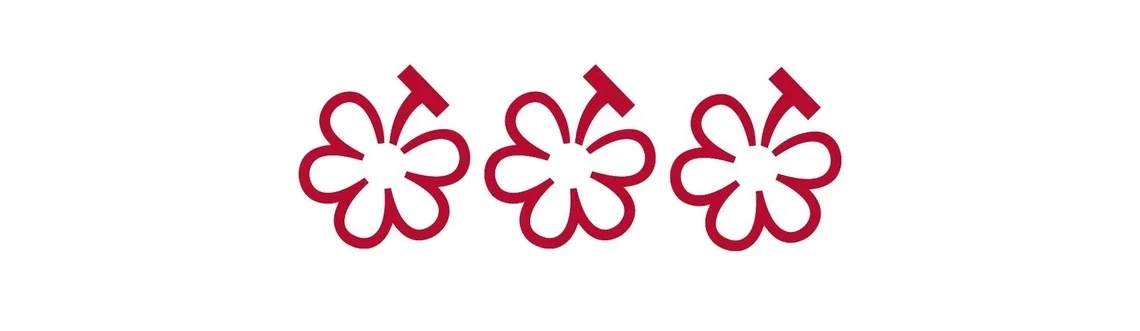
Instead of hiding behind fractions and decimal points, Michelin has translated vineyard excellence into a simple, intuitive hierarchy; one that mirrors the emotional logic of how wine lovers actually think, and which reflects the same scoring system applied to restaurants with stars and hotels with keys.
Three Grapes: The Masters
Blueprint: Exceptional producers.
Philosophy: Absolute trust.
No matter the vintage, no matter whether there has been a frost‑bitten spring or a blistering, grape-withering summer, estates granted Three Grapes possess generational wizardry. They extract beauty from adversity with a consistency that borders on the supernatural, and they produce wines worth going well out of your way to uncover.
Two Grapes: The Benchmarks
Blueprint: Excellent producers.
Philosophy: The definitive regional standard‑bearers.
These estates stand above their peers, delivering wines that crackle with local character and technical precision. There’s an emphasis on varietal characteristics and expression, and estates granted Two Grapes are definitely ones for the collection.
One Grape: The Craftsmen
Blueprint: Very good producers.
Philosophy: Wineries with unmistakable identity and style.
In perfect weather years, they soar; in ordinary years, their bottles remain deeply rewarding. Simply put, these are the kind of wines you open on a Tuesday and feel quietly smug about.
Selected: The Insider Finds
Blueprint: Reliable, highly commendable creators.
Philosophy: Your new weekend shopping list.
These are characterful, well‑made bottles that inspectors consider worthy of ongoing attention; the estates you buy by the case, not the auction and which you can’t help tell everyone you know about.
How Are Michelin Grapes Awarded?
To earn a Michelin Grape, an estate must pass a collective panel review by Michelin’s anonymous, full‑time inspectors, consisting of a mix of ex‑sommeliers and veteran critics who know their Savagnin from their Sauvignon Blanc. They grade the estates and their produce on five universal metrics: agronomy, technical mastery, identity, balance and multi‑vintage consistency.
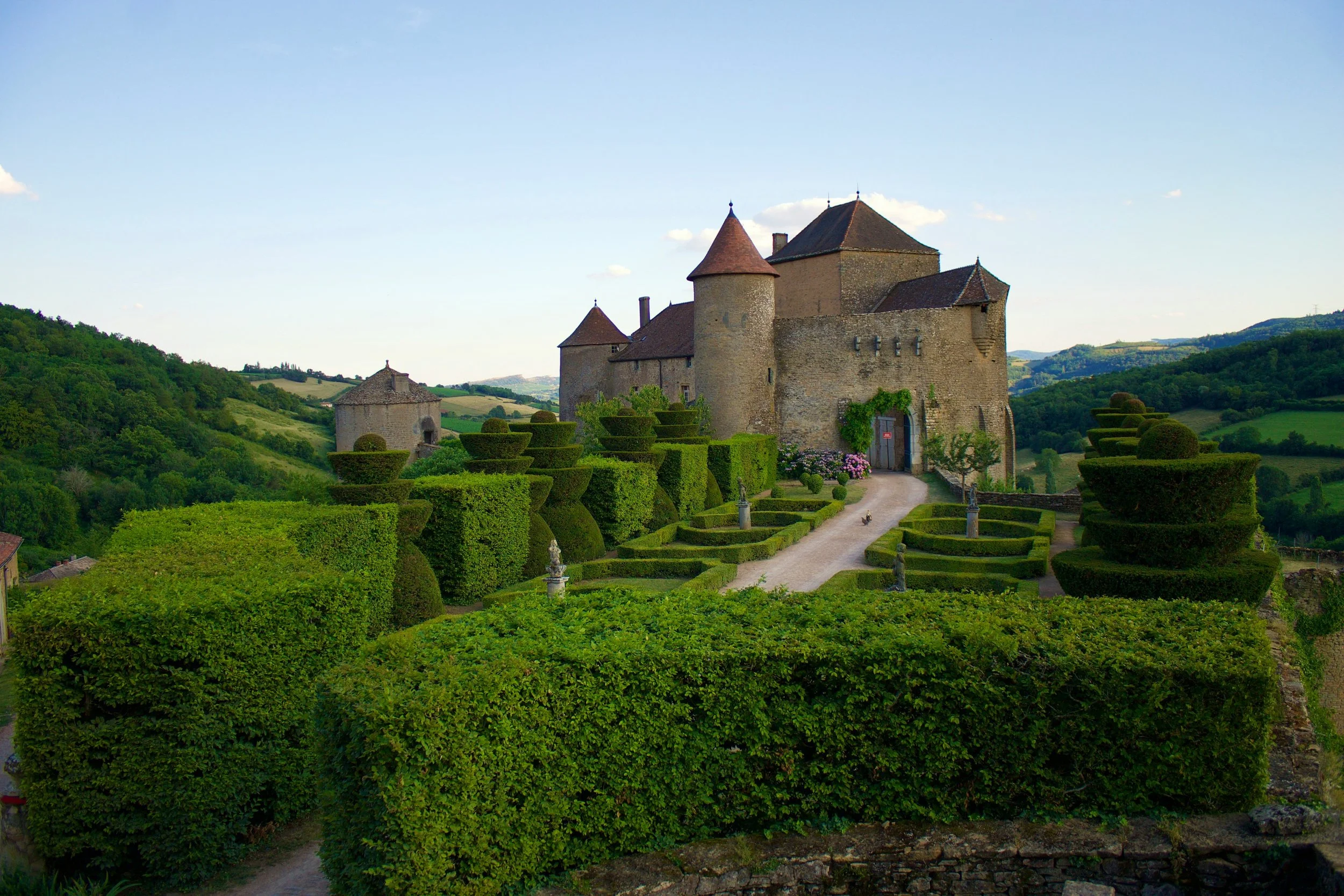
We begin — where else? — in Burgundy
It’s a system designed to reward terroir (that wonderfully Gallic concept of time and place being communicated through flavour, aroma and character) identity rather than corporate polish. It’s wine scored by people who actually like and understand wine, to put it bluntly.
If you want to attempt to get into a Michelin Grapes’ inspector's head, just think of a domaine where the cellar still smells faintly of old oak and wet limestone, and where the winemaker’s hands tell you more than the marketing brochure ever could. Think of the taste sensations those atmospheric cues invoke. Think of how long you’ll be thinking of that first sip, long after the bottle’s been drained dry. Are you thinking? Good. You get the picture.
Michelin Grapes: Here To Shake Up The World of Wine
Spend any time talking to the fiercely independent families who work the clay of the Côte d’Or or the gravel of the Médoc and you quickly realise that true luxury in wine has nothing to do with spreadsheet analytics or auction‑house hype.
True luxury is restraint, heritage and a refusal to compromise for the mass market, and yet this is something that has fallen by the wayside in the pursuit of profit and meeting the needs of the lowest common denominator. We’ve all seen it: in recent years, high‑end wine has suffered its own version of corporate takeover, with historic family plots swallowed by luxury fashion syndicates and polished into smooth, inoffensive, expensive products designed not to challenge a single palate. It’s been rather bleak, and it hasn’t left the best taste in the mouth.
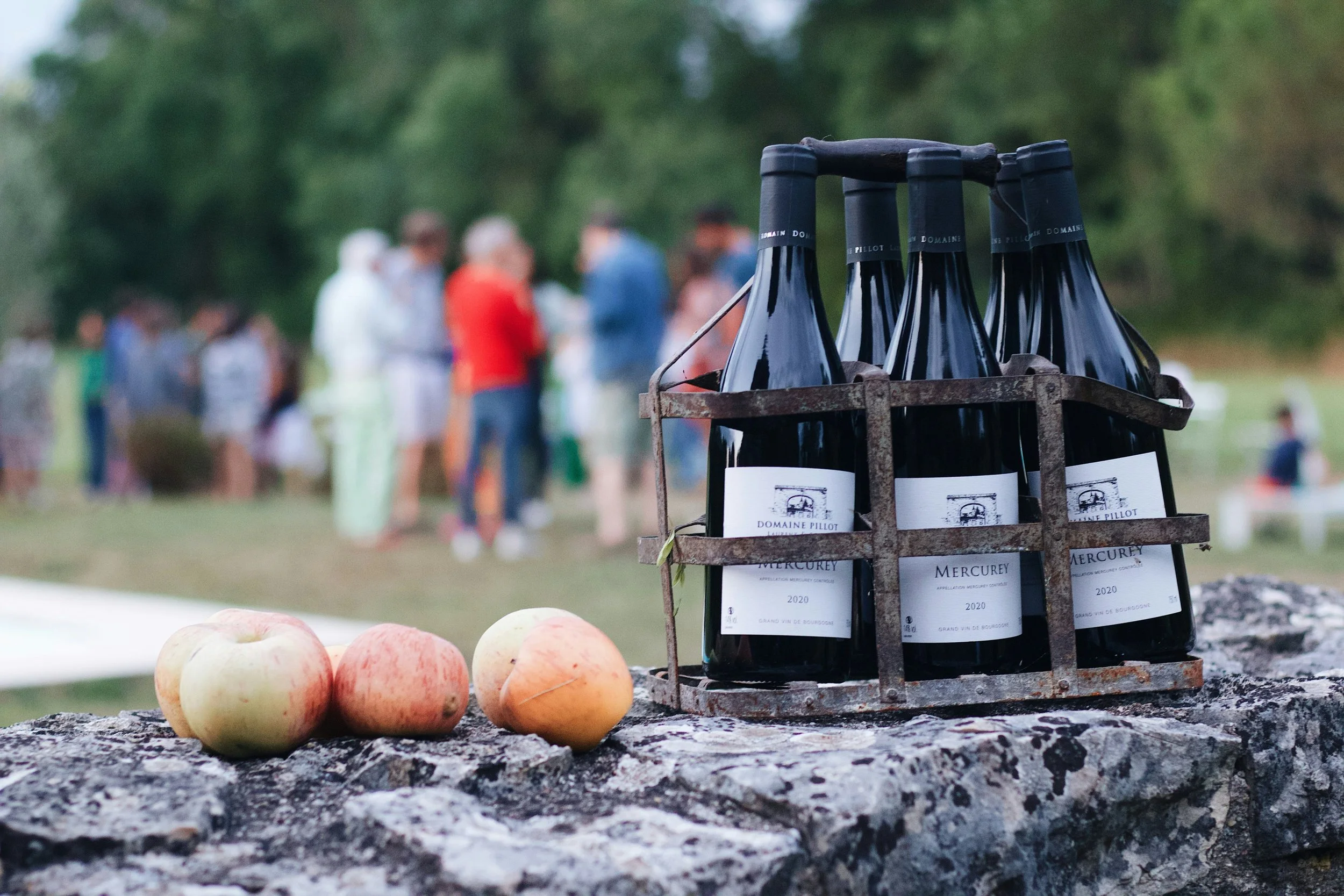
Dijon wines of character, distinction and expression
By sending out anonymous inspectors to judge a vineyard’s overall health and creative identity, Michelin is bypassing the boardroom entirely. They are looking for texture, intention and a genuine sense of place, and they’ve got the expertise to seek out something really rather special to share with the world.
Will this new accolade trigger a frantic digital gold rush, causing under‑the‑radar allocations to vanish overnight? Almost certainly. The corporate copy‑cats should be sweating through their tailored suits, but if Michelin succeeds in shining a global spotlight on the soulful artisans who prioritise the dirt over the dollar, then it’s a disruption worth celebrating.
Want to read more great wine reviews? Check out our reviews of the best Loire Valley rosé, Pirr Wines, Tenute Venturini Foschi, the best English wineries, Wein am Berg festival and the best wine in Zakynthos.
