
Gothenburg Travel Guide: The Best Food, Drink and Experiences in West Sweden
From Michelin-starred restaurants and island-hopping adventures to world-class seafood and Scandinavian culture, discover why Gothenburg is one of Europe's most rewarding city breaks.
As has probably become abundantly clear through my travel dispatches on Helsinki, Tallinn and various other places where the sauna is as much a survival method as it is a way to unwind, I’ve a particular fondness for Europe’s northernmost reaches.
I’ve a profound love for its cookery, which ranges from the simple delights of scarlet prawns given little more than a dunk in boiling water before being plonked unceremoniously onto your plate, all the way through to Noma’s world-beating-but-bonkers edible soil and fixation with the flavour of fungal spores. I’ve been awed by its jaw-dropping natural beauty, humbled by its architecture and moved by its celebrated artistic and musical output – and yes, I’ll enter a voracious duel of wits with anyone who doesn’t agree that ABBA’s vastly underrated album ‘The Visitors’ is a Cold War proto-goth masterpiece of epic proportions. Hell, I even married a woman from a sub-arctic city which spends half the year beneath a blanket of snow and ice.
No regrets, whatsoever.
Yes, I’m a card-carrying Nordophile, and I have spent most of my adult life treating Scandinavia as my personal psychological haven, clocking up visits to this frozen pocket of the world well into the double figures. And yet, through some bizarre logistical oversight, I had never once set foot in Gothenburg.
For years, Sweden’s second city and West Coast capital remained a glaring, unexplained blind spot on my travel map; the mythical "other side" of the peninsula I’d somehow managed to entirely ignore. Clearly, this needed to be rectified.
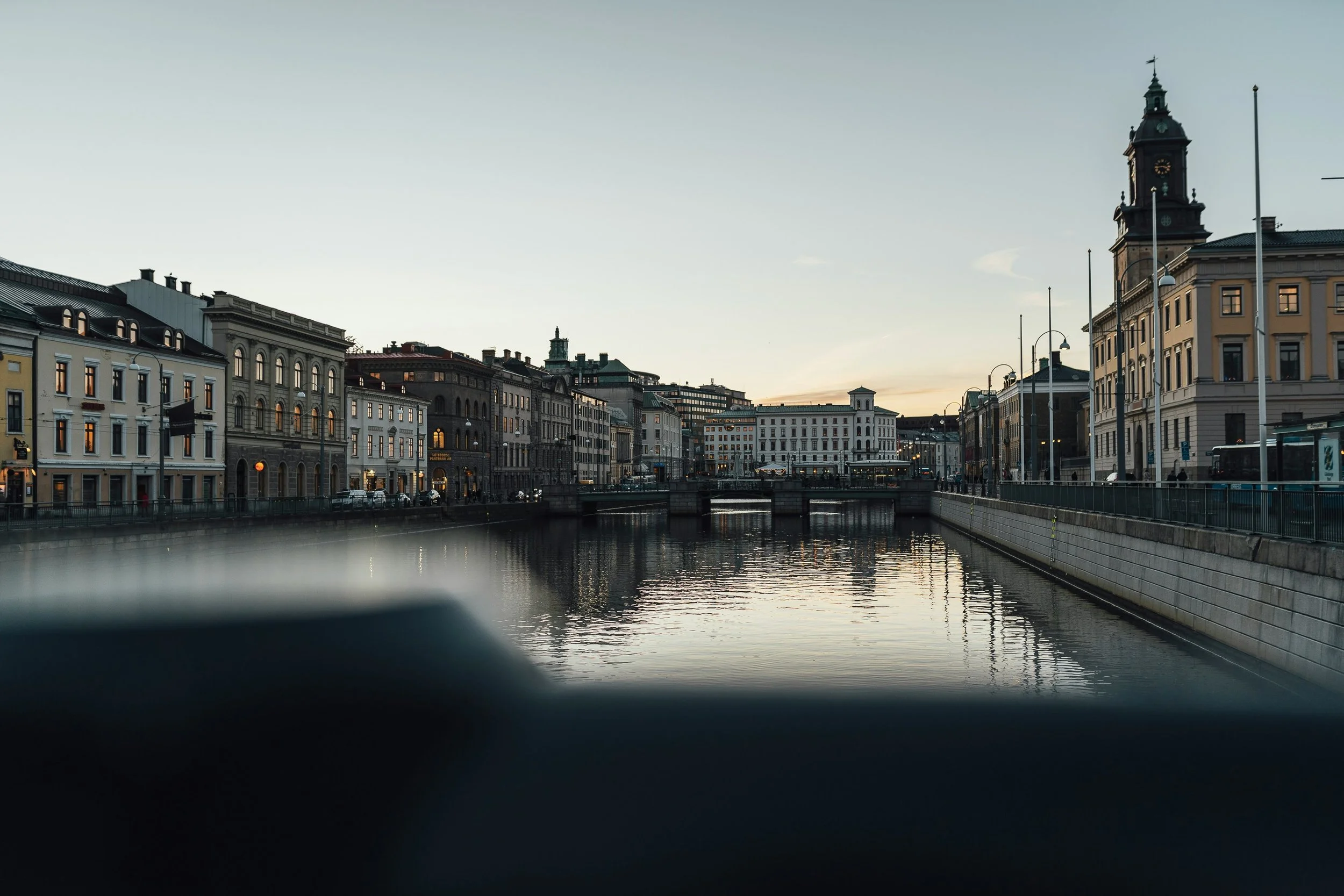
Vibe check, passed with moody colours
I arrived to find a city still riding the high of a multi-million-pound midlife crisis, and my timing simply couldn’t have been better. To celebrate the 400th anniversary of its founding, 2024 saw the local municipality throw staggering amounts of funding at infrastructure, independent startups and high-end cultural excursions with the kind of unchained ambition other European cities could only dare to dream of. They handed the keys of the city over to a legion of movers and shakers with sharp haircuts and expensive ideas, all tasked with laying a shiny foundation for the next four centuries – there were months of concerts, a brand-new (free!) public sauna and sea swimming area, techy start-ups given generous grants and museums with shiny makeovers. Frankly, the results are spectacular, and it’s an almost humiliating example of what happens when local governments are in possession of an ambition that stretches beyond only the next election cycle. When I’m king, etc, etc.
It also didn’t hurt that my long-overdue arrival coincided with a freakish, borderline miraculous heatwave. The mercury hovered solidly around the 30-degree mark all week long, and this had a couple of clear effects: firstly, any attempt at conversation with the locals never strayed for more than thirty seconds from ecstatic, wide-eyed commentary about the climatic conditions. Secondly, with midsummer approaching, it felt like the entire nation of stoic, winter-hardened Scandinavians was collectively losing its mind over a bit of blue sky. A lot of skin was on display – not that I was complaining – and everyone and their uncle was stripping off in public parks with the panicked urgency of people who weren't entirely sure if the sun was going to explode. I’m English. I get it.
Smugglers, Valkyries and Giant Ming Vases
I dropped my bags at the Grand Curiosa Hotel, the main hospitality hub for Gothenburg’s big-hitting Liseberg theme park. A family-oriented hotel that is blessedly free of day-glo plastic or the kind of high-octane, screaming energy usually aimed at children riding a dizzying sugar high, it’s a rather classy affair and a great example of creative and immersive design that doesn’t feel naff or patronising.
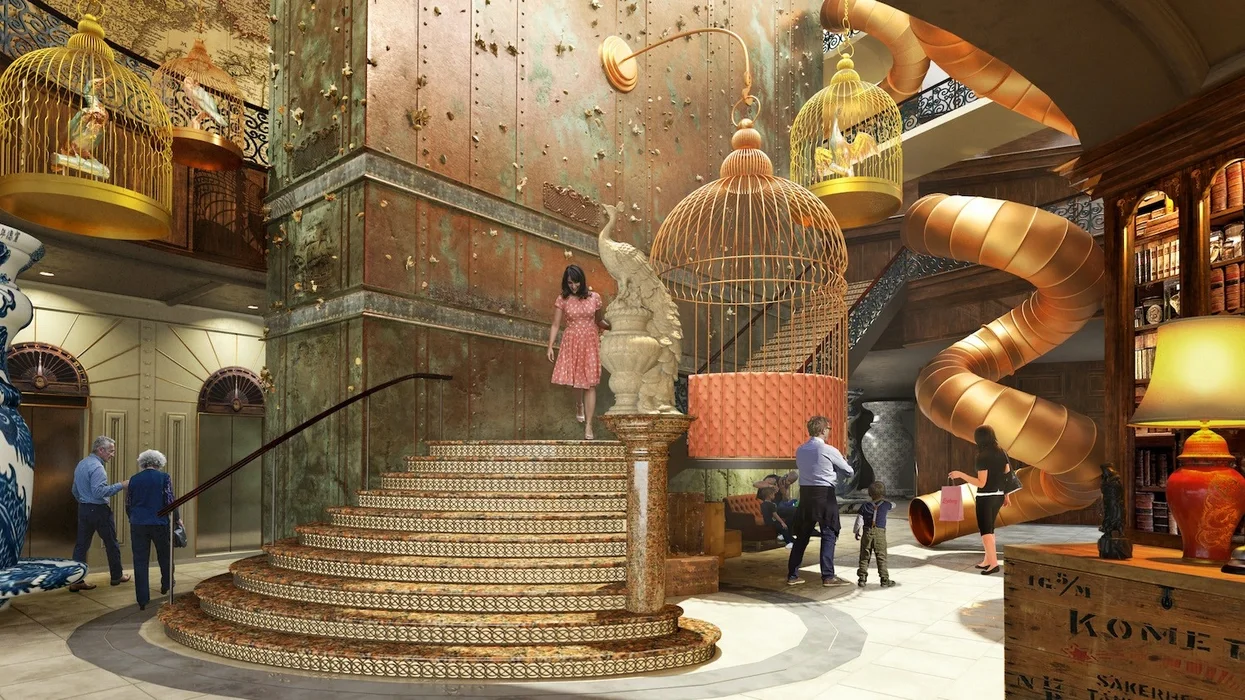
Whimsy awaits at the Grand Curiosa Hotel
The designers have fashioned the space as a dark, maximalist Cabinet of Curiosities, themed entirely around Edwardian takes on the golden age of discovery. One floor is covered in ornamental masks from the Far East; another features beautifully rendered vintage etchings of deep-sea life. Mine boasted a decadent, moody riot of peacock feathers and tropical birds. In a thoroughly atypical, delightfully anti-Scandi twist, the hotel’s central structural columns have been completely hidden behind gargantuan replicas of Ming Dynasty vases. It is a visually striking piece of fictitious self-mythologizing, leaning hard into the narrative that the property was once the home of 19th-century, globe-trotting smugglers.
It’s a whole load of fun, and far from an exercise in style over substance. Indeed, the bedroom was a tasteful retreat, the service operated with terrifying Nordic efficiency and the breakfast buffet vastly exceeded expectations. That all of this is achieved before you spend a day on some of the best rollercoasters in Europe (seriously, The Helix and Valkyrie rides are worth the trip in itself if you’re into that kind of thing) is quite the achievement, and not unappreciated by a man who’s endured the grotty ordeal of Disneyland Paris’ notorious ‘Cars’ themed hotel.
The Wild West Comes with Shellfish
I was in town to continue my personal, somewhat contrarian mission to champion the luxury credentials of northern European city breaks over the sweaty, overcrowded traps of the Mediterranean. I was also, primarily, there to eat myself into a stupor.
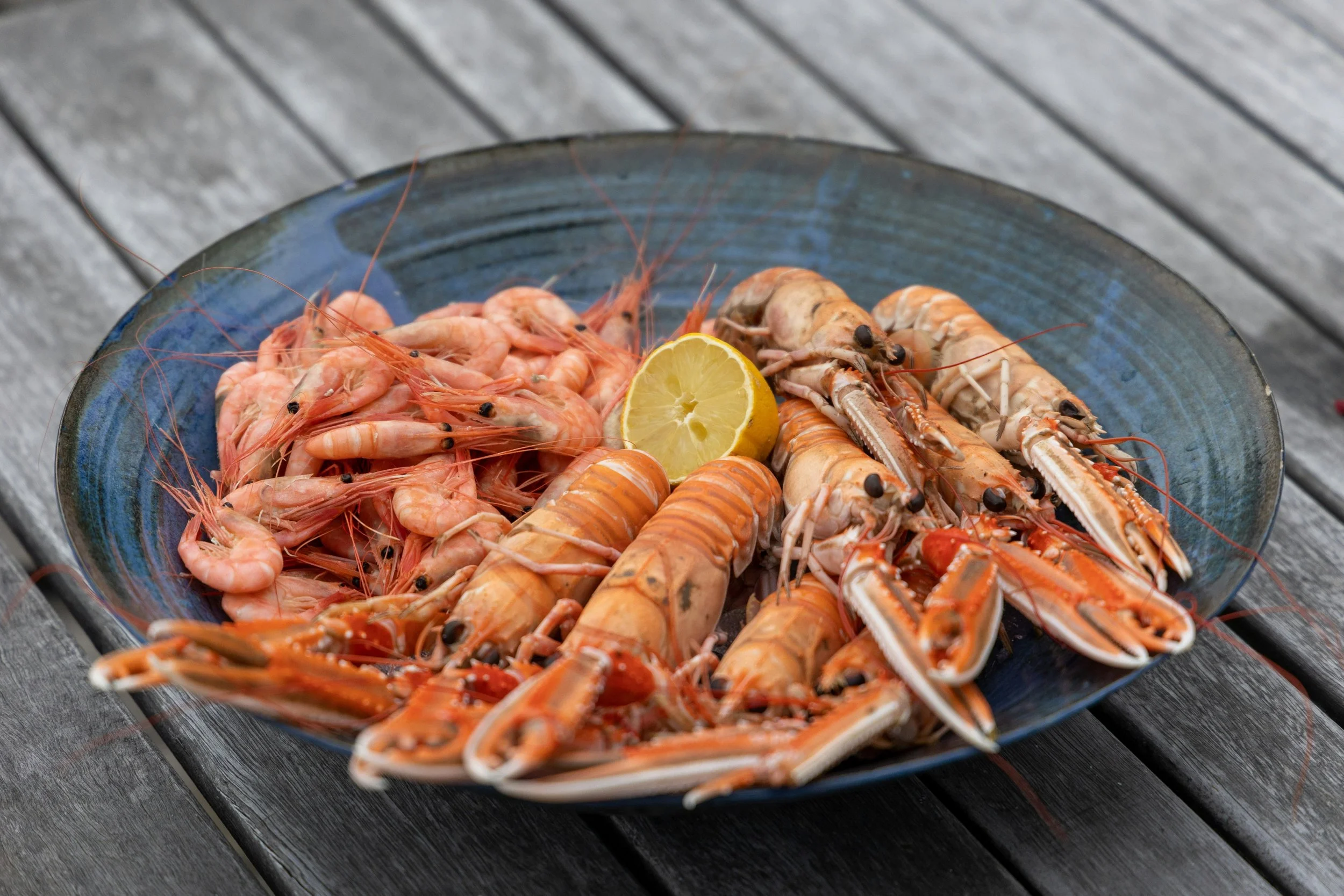
Simple and delicious — what more could a man wish for?
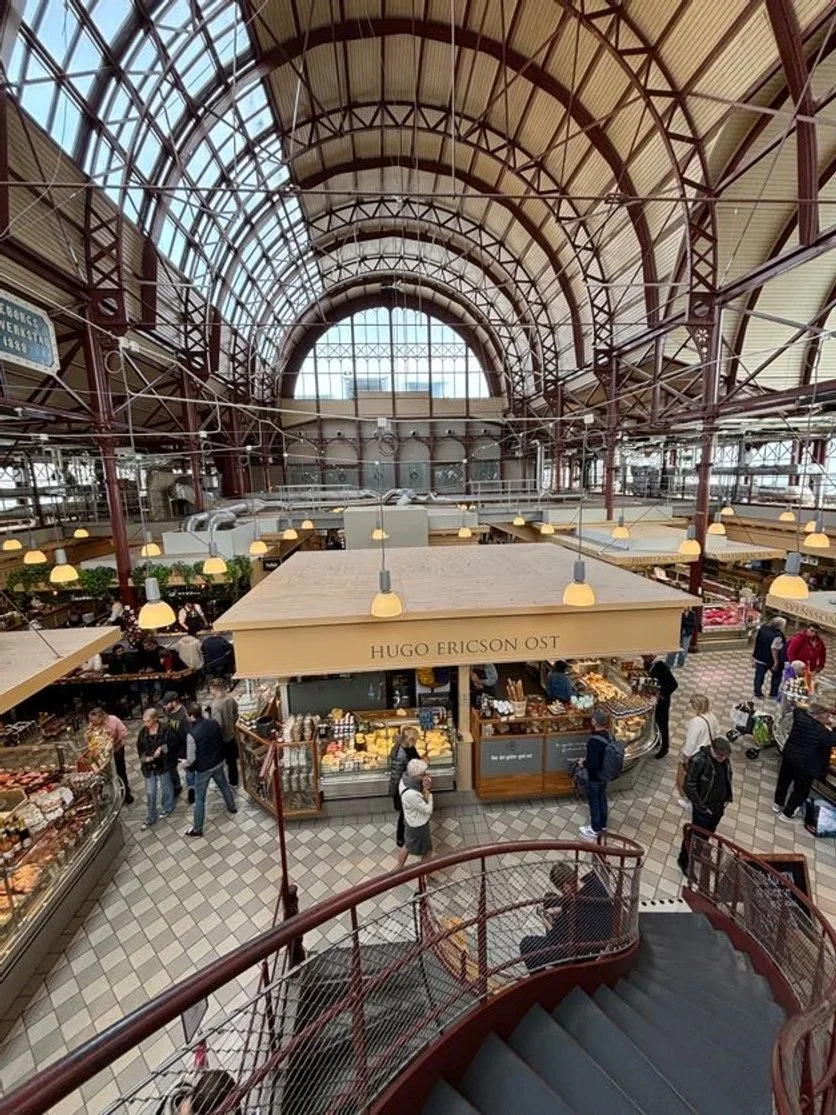
A gastronaut’s delight - Gothenburg Market Hall
For a city of just half a million Swedes, Gothenburg’s restaurant scene operates with an incredibly fierce, concentrated ambition. The region features five Michelin-starred eateries, each excelling in that which this part of the world does best: dishes highlighting the incredible, briny produce of its jagged shoreline and deep forests, with a ferocious emphasis on foraged and sustainable ingredients. The Michelin Guide’s love affair with Scandinavia is still picking up considerable steam, and the historic city center is currently locked in a frantic, star-chasing arms race of new openings. For those seeking the uppermost echelons of Gothenburg flavours, you’ll find it in abundance at Koka (where a plant-led Swedish tasting menu showcases a phenomenal attention to detail), Project (unimaginatively named yet sensational restaurant run by a husband and wife who share my obsession with game meats and wild shellfish) and 28+ (vibe-maxing basement restaurant combining French finesse with thoroughly Scandi flavours), among others.
However, as is so often the case, you don’t need to hunt for an iconic red tires logo on a door to find examples of impressive Swedish cookery. The historic market hall, which has been beautifully refurbished to let its 19th-century cast-iron architecture breathe, features a wealth of local producers. Gothenburg harbor is rightfully celebrated for the untouchable quality of its coldwater shellfish.
A handful of local prawns, cooked whole until a shocking crimson and eaten unfussily right there on the market floor, is exactly the rustic-yet-opulent pitstop required to set you up for a day of exploring once you’ve picked apart dozens of shells and scoffed down your personal heap of juicy, pink crustaceans. Take a napkin. Take four. You’re going to make a mess, and you’re going to love every moment.
Island Dining at its Finest
One of the great joys of Gothenburg is that the public transport network doesn’t just involve trams and buses zig-zagging the city, but also a fleet of ferries zipping between the beautifully rugged, windswept islands of the archipelago. For the intrepid, this means having access to spectacular landscapes, secret coves and charmingly scattered outcrop villages. For the greedy, it means access to some of the best fish found anywhere in the time zone.
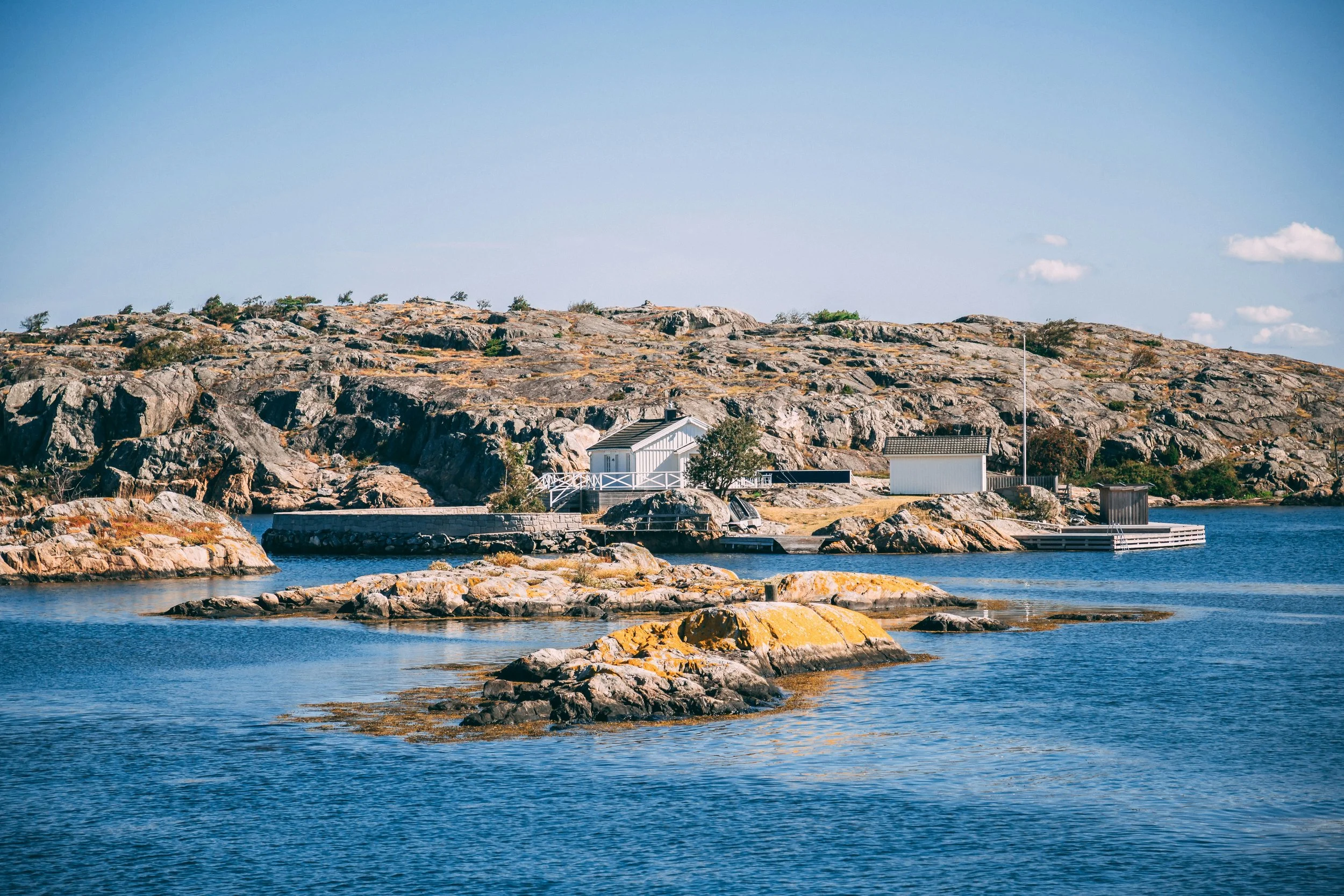
Windswept magnificence on the Gothenburg Archipelago
Being firmly in the latter camp, I took a ferry out to the island of Hönö, where life slows to a gloriously leisurely pace amid the rocky outcrops, sandy beaches, and pretty marinas. A phalanx of mid-sized superyachts bobbing in the harbor speaks of a high-end visiting clientele, and the restaurants here are joyfully elevating ancestral maritime fare. Hönö, I was told by my skipper, is surprisingly rich in British naval history, having been a safe haven for Nelson’s fleet during the Napoleonic wars. I was treading ground where historically, British sailors had likely bitched about the price of Swedish alcohol centuries before me, and all this sea air was fostering quite the appetite.
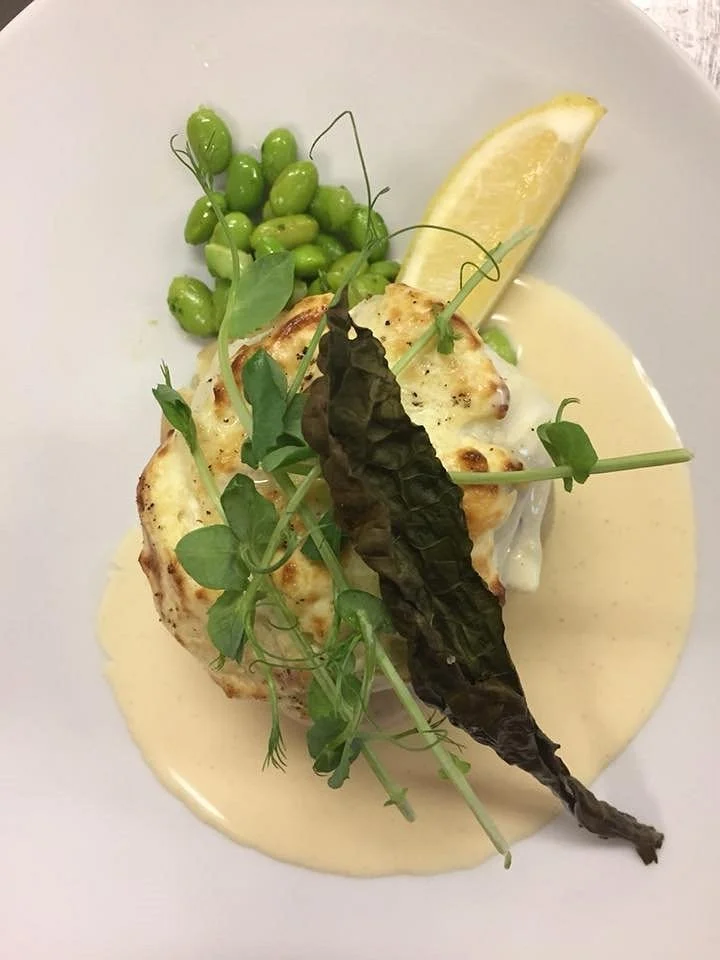
Fabulous fish cookery at Tullhuset
Tullhuset restaurant, which offers gorgeous views of the sea and the iconic Vinga Lighthouse, welcomed me with salty arms. Specialising in (what else?) freshly caught fish and seafood, the kitchen team served up a generous, pearlescent fillet of halibut caught barely hours earlier, slicked with a sharp, citrus-spiked hollandaise and resting on a bed of sea vegetables. It hit spots I wasn’t aware I possessed, and it’s the kind of place I’d happily stay so long I’d eventually have to be prised from my chair like a barnacle, clinging to the wave-dashed rocks.
While the food was exemplary, there were delightful flashes of the kind of innovative, slightly eccentric Swedish creativity I’ve come to love on the menu. The waitress casually recommended a lemonade flavored with seaweed and a tonic made from umami-rich sea squirts, as if it was the most normal thing in the world. I tried it, for the sake of my readership as much as anything else. It wasn’t as bad as it sounded.
A Trip to Space, Cinnamon Buns and the Art of the Habanero IPA
Back on the mainland and after the kind of sleep that is only really achieved following a day spent breathing salty air and stuffing yourself to the gills with fish, Gothenburg revealed itself in full, technicolour glory.
The adventures continued with the early sunrise, which brought another day of uncovering the city’s unchained ambition. Time was well-spent at the superb Universeum, which has just unveiled a dramatic concrete dome perched atop its roof, projecting immersive 3D movies in 8K detail to mind-bending, dizzying effect. It’s argued to be the best of its kind on earth right now, and is yet another example of a city refusing to apologise for its own budget.
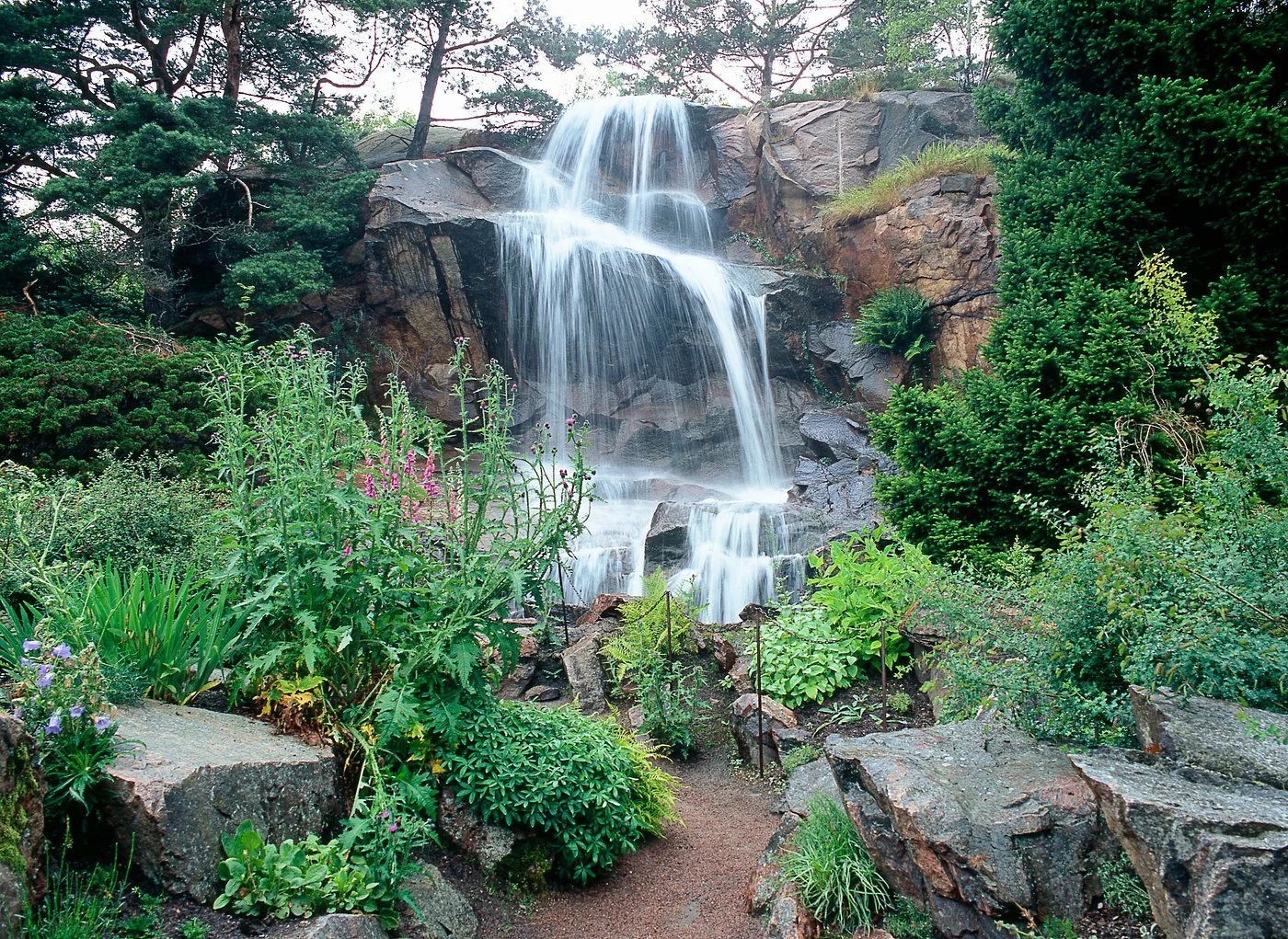
Get away from it all at Gothenburg’s beautiful botanical gardens
The Gothenburg Botanical Gardens unveiled a quieter, blissful side to the city (and it boasts one of the best cafeterias I’ve possibly ever been to, with rosehip lemonade and smorrebrod open sandwiches generously piled with yet more denizens of the deep), and the city’s art museum features cultural delights including the work of the renowned Gothenburg Colourists, an artistic movement I’d never heard of before and whose output is well worth discovering.
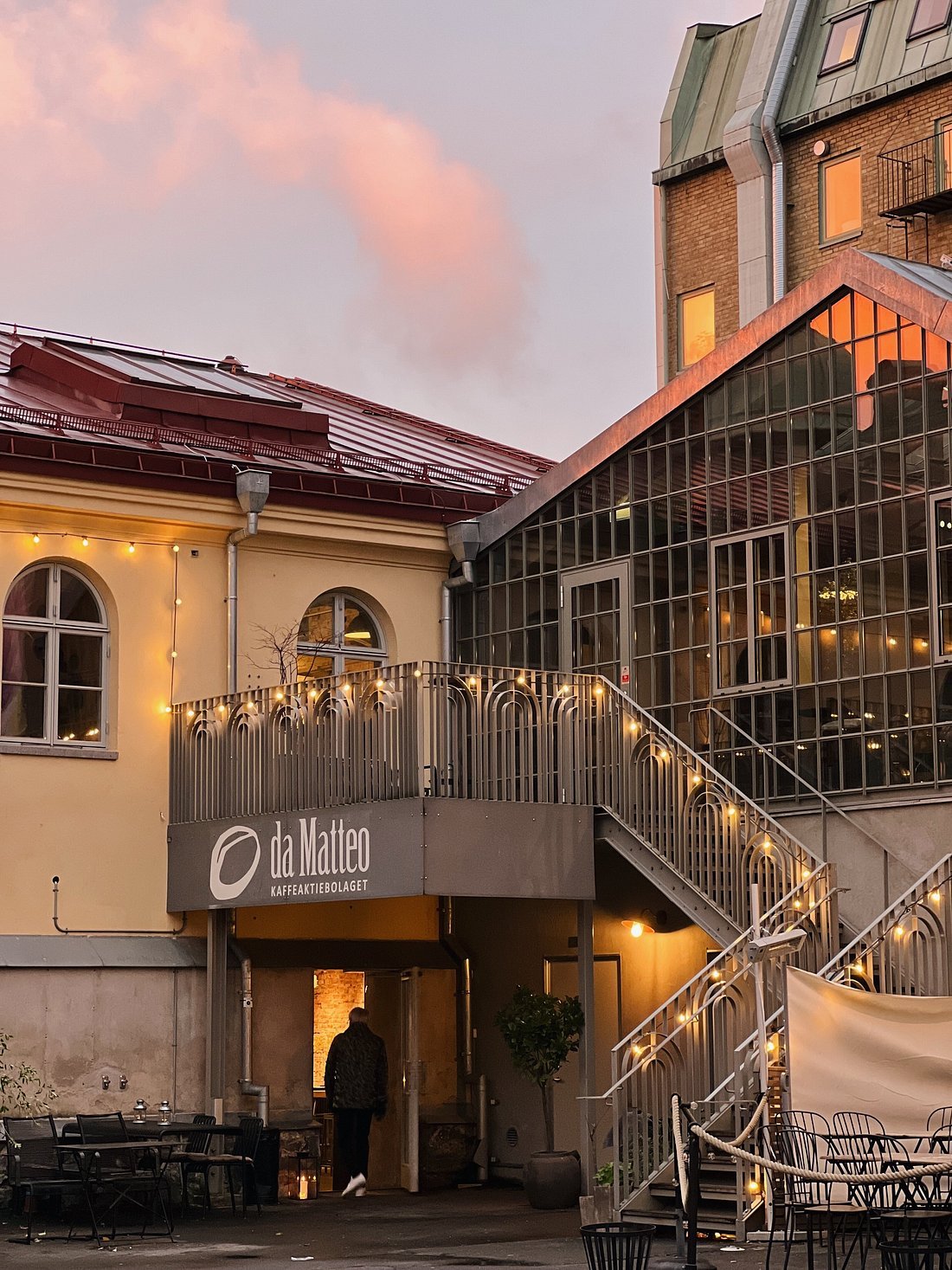
Fabulous fika awaits at da Matteo in Haga
It had been at least an hour or two since I’d eaten, and on a food-oriented trip in a city I was already gastronomically falling head over heels for, every minute counted. For those seeking flavorsome escapism of a wholly different kind, you’d do well to wander into the hip neighborhood of Haga. Once a poorer, run-down part of town, its cobblestone streets are now home to a plethora of independent businesses and the fantastic tradition of fika; a marvelously Swedish manifesto of letting time stand still for an hour to indulge in a cup of proper coffee and something sweet.
Highly recommended is da Matteo, a Williamsburg-esque, post-industrial space housing its own roastery and bakery. There are plenty of fika options available, but the baker’s take on the two traditional mainstays (cinnamon buns and their intensely aromatic cardamom counterparts, which I’ll admit to vastly preferring) are an absolute, non-negotiable must.
Gothenburg’s youthful exuberance is evident in Haga, but cross the harbor to the northern side, and you’ll discover an old, rough-and-ready shipyard fully embracing the kind of gritty, start-up spirit I just can’t get enough of. Amid the industrial bones of the district sits the tap room at Två Feta Grisar (Two Fat Pigs) microbrewery.
Here, the head brewer will happily guide you through a weird, wonderful, and utterly delicious array of craft beers, including a chili-spiked IPA with a serious, lingering kick of habanero, all while detailing the business’ unlikely origins. To cut his long story short, his wife didn’t like the idea of him opening a brewery. His solution was to open a padel court with a brewery attached, which is exactly the kind of compromise great marriages are built upon.
Further down the road lies Vega Brewery, another unmissable hideaway. Live music, open-fire barbecue, and a stunning range of small-batch beers enjoyed in the sunshine? It was nothing less than divine, and a fittingly dark, cozy bunker should the legendary Nordic weather turn for the worse.
Gothenburg: The Quintessential Hidden Gem for a Nordic Getaway
As far as city breaks go, West Sweden isn’t necessarily a part of the world that leaps out to the average luxury traveler. But for those seeking exceptional, funky flavors, historic treasures, and a city facing the next 400 years with a completely justified, self-assured swagger, it is a real heart-stealer of a hidden gem.
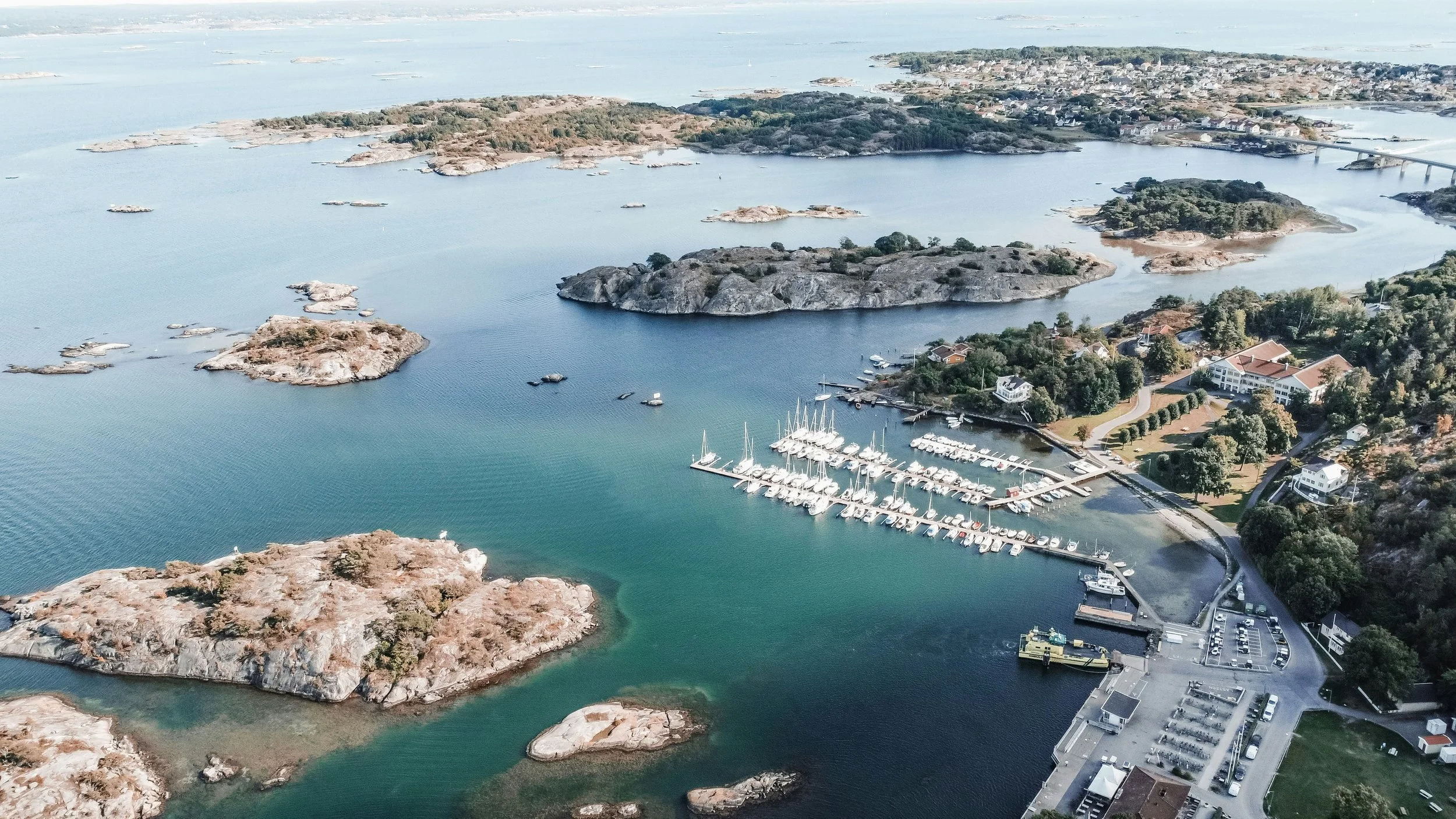
So much to explore, even more to fall in love with
Seriously, there’s something for everybody here – rollercoasters that raise the heartrate, baked goods that slow it to a blissful crawl. There are wild, romantic corners both in the heart of the city and across its islands, there are thumping, vibrant urban centres where beautiful young things are shaping the future in style. There is great fish, great craftsmanship and apparently a place to play padel once you’ve necked some of the best beer in the Northern Hemisphere.
Go to Gothenburg and thank me later. Just, you know, pray for the 30-degree heatwave.
Plan your Gothenburg adventure with goteborg.com
