
The Hidden Costs of Luxury Travel Nobody Talks About
The question “what is luxury travel?” is one that causes no end of disagreement across a wide array of sectors and industries. Here at The Last Concierge, we have our own understanding of this concept, and it’s got surprisingly little to do with money.
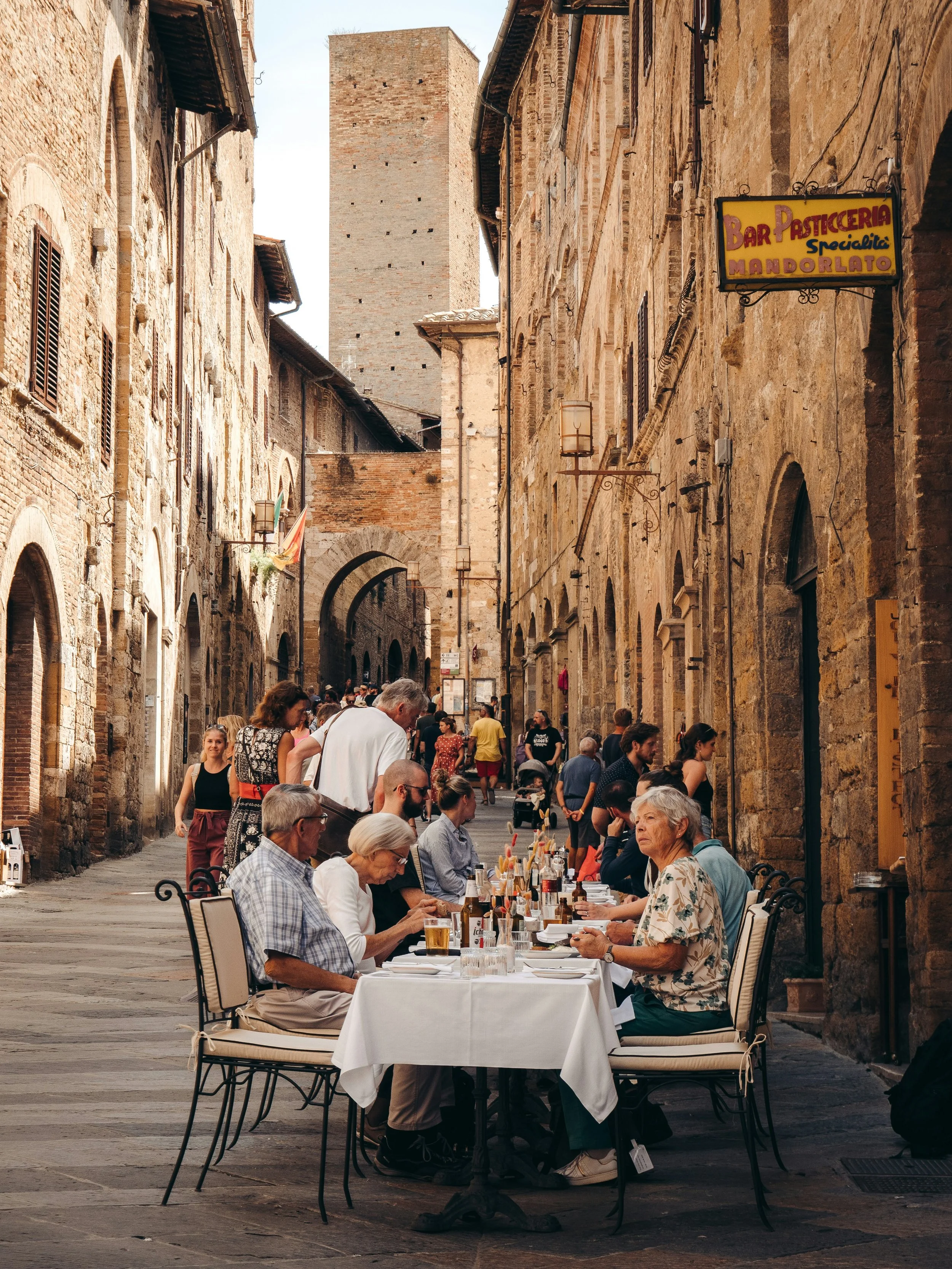
True luxury: Knowing where the food is made with love
For us, it’s about simple and insight-driven access to the unforgettable – and yes, that might be a three michelin-starred meal at a globally-renowned restaurant, but it quite equally might be knowing where to find the most authentic, lovingly-made pasta in all of Tuscany… and believe me, that’s not going to be in some swanky restaurant, but more likely in a family-run eatery beloved by locals.
Essentially, it all comes down to ease. Ease of access, ease of enjoyment. Luxury is sold as a way of ensuring that kind of effortlessness; the suggestion being that, once a certain threshold is crossed, struggle and strife disappears: doors open, problems resolve themselves and time bends politely around the traveller. This promise is persuasive, but only partly true. In practice, luxury all too often introduces its own costs, and they come quietly and with more complexity, and they’re often harder to correct once encountered.
These costs are rarely financial in the narrow sense. They emerge instead as friction where fluidity was expected, fatigue where comfort was promised and disappointment that is difficult to articulate because, well, technically, nothing has actually gone wrong. Let’s unpack that a little further, and consider how best to ensure your travels not only feel as opulent and immersive as you deserve, but also worth every penny at all times.
When Appearance Replaces Performance

The luxury of belonging
One of the most persistent misconceptions in luxury travel is that visual impact correlates with quality. A dramatic lobby, a famous designer or a recognisable brand can create the impression of excellence while concealing operational weakness. The room photographs well, but the lighting is awkward. The service is gracious, but oddly impersonal or lacking in love. The hotel is expensive, yet somehow tiring or difficult to ascertain from any other high-end offering.
The cost here is cumulative. Small inefficiencies – waiting too long for simple requests, navigating unnecessarily complex systems, feeling observed rather than cared for – erode the sense of ease that luxury is meant to provide. These moments are rarely catastrophic. Instead, they create a low-level resistance that follows the traveller through the stay, and leaves you feeling as though your expense hasn’t quite delivered the goods.
Experienced travellers learn to read subtler signals. They notice whether staff seem settled rather than rehearsed, whether returning guests move through the space with familiarity, whether the atmosphere feels lived-in rather than staged. These details are almost invisible to first-time visitors, yet they are what determine whether a place feels restorative or performative.
The simple fact is that true luxury functions quietly and makes you feel as though you belong, just without having to rub your face in the notion. When ‘the best’ needs to announce itself, it is often compensating for something else… and that’s the antithesis of true luxury in a nutshell.
The Time You Lose Without Realising
Time is the most expensive resource in luxury travel, and yet it’s often the one most frequently mismanaged. High-end itineraries often attempt to justify themselves through density: private transfers, exclusive experiences and carefully curated meals layered one on top of another are exhausting, fit only for a smartphone overflowing with photos in place of real memories. The result can be a trip that looks impeccable on paper (or, perhaps more pertinently, on an Instagram reel) and yet feels strangely knackering and unfulfilling in practice.

The joy of getting lost together
Luxury travel marketing tends to romanticise movement. Scenic drives, private boats and swoon-worthy elegant arrivals are presented as pleasures in their own right. In reality, these transitions are where fatigue accumulates. A long transfer after an overnight flight, no matter how comfortable, exacts a physical toll that lingers. A schedule without empty space leaves no margin for adjustment, recovery or curiosity. Many of my favourite travel moments are those in which I’ve either done precisely nothing and yet have enjoyed every moment, or those in which I’ve gotten hopelessly lost as a result of a complete lack of itinerary… and yet stumbled across something unforgettable as a result.
Those who travel well think differently about time. They protect mornings and build in pauses. They accept repetition and embrace familiarity rather than seek out constant novelty. They understand that the success of a day is determined less by what is included than by what has been deliberately left out. My best advice? Factor in a day or two in which you can stumble around, get lost, and enjoy some much-needed downtime pottering about with as little as possible planned.
Exclusivity Without Depth
Access has become one of luxury travel’s most overused currencies. Private viewings, closed-door experiences and invitation-only moments are offered as evidence of distinction. Yet access alone does not guarantee meaning, and most certainly doesn’t guarantee fun. An empty room is not inherently more interesting than a full one and privacy without interpretation can feel curiously flat. I can’t have been the only one to have deeply regretted ensuring I’ve got a place for myself, and found that – when alone somewhere that thrives on movement and energy – time seriously drags.
I’ve spoken to all too many travellers who’ve encountered this and experienced a quiet anticlimax. The experience is pleasant and sometimes impressive, but it lacks texture. There is no sense of authorship, no narrative that explains why this moment matters beyond its rarity.
The Cost of Being Treated as a Stranger
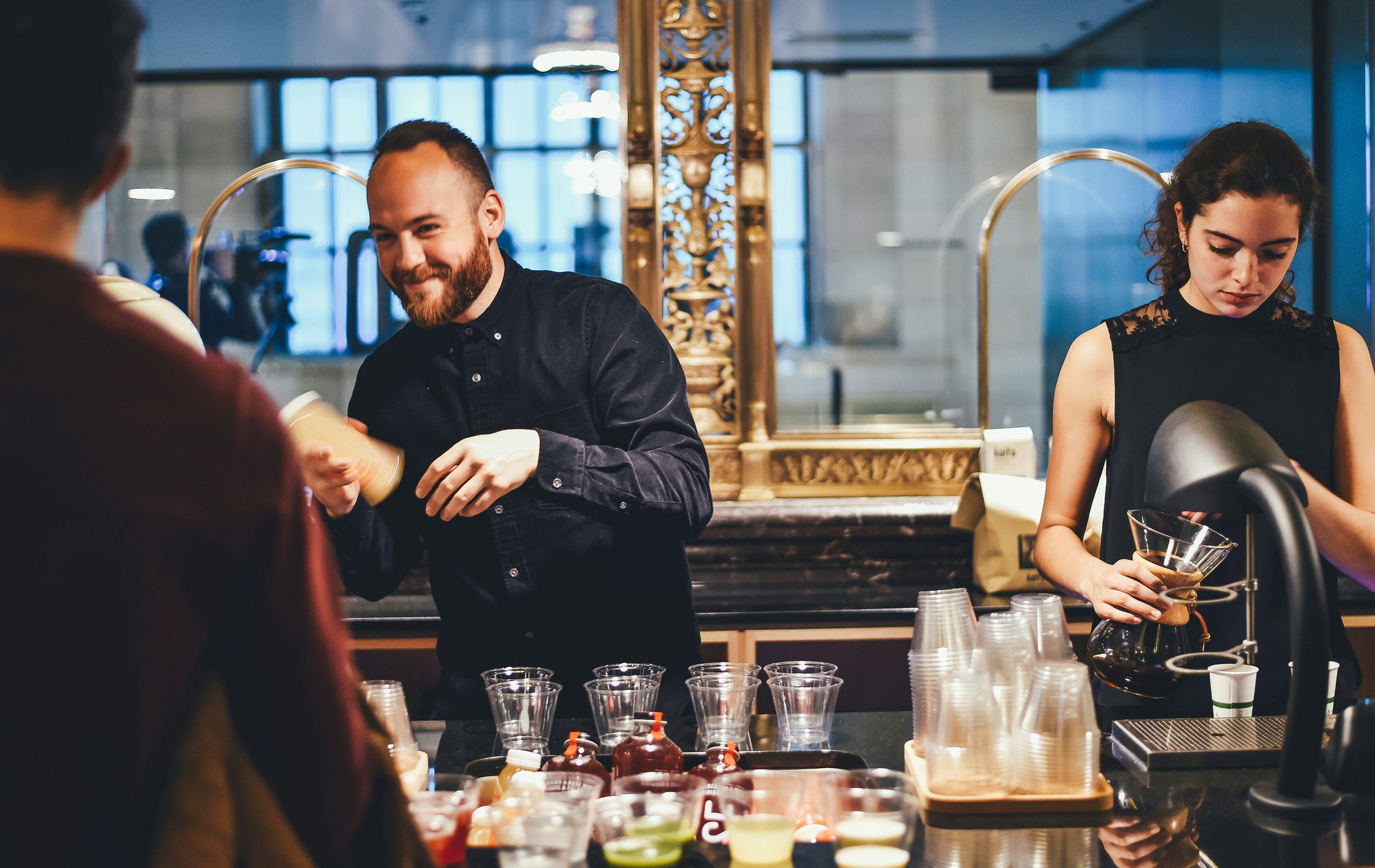
Revel in real, human connection
Luxury environments are sensitive to behaviour in ways that are rarely acknowledged. They observe tone, rhythm, and consistency. Travellers who treat service as a transaction often receive exactly that in return: efficient, correct, and emotionally neutral. Those who move more quietly – who return, who listen, who express appreciation without performance and (most importantly) with good manners and a friendly demeanor – tend to be remembered and treated as a valued friend, not just as a passing customer.
The cost of being a stranger is subtle but significant. It appears when flexibility would have helped, when a small favour might have transformed a day, when a problem could have been softened rather than enforced. These moments are not guaranteed by money spent. They are the by-product of familiarity and trust, and by mutual respect and decency. The happiest travellers I know tend to value relationships over novelty. They return to places that work and resist the urge to constantly trade up. Over time, the journey becomes smoother not because it is more expensive, but because it is better understood on both sides.
When luxury travel fails, it does not fail loudly. It fails quietly, through friction, fatigue, and missed alignment. Avoiding these costs requires neither austerity nor excess, but attention. Those who get it right are rarely the ones chasing the most impressive itinerary. They are the ones who understand that luxury, at its best, feels almost invisible.
