
Quiet Journeys, Lasting Impressions: How Luxury Travel in 2026 Has Quietly Evolved
Luxury travel has always been a reflection of its time, revealing much about our values, our curiosities and, ultimately, how we wish to experience the world.
In 2026, that reflection is decidedly more introspective than it has been in recent years. The age of ostentatious travel — measured in airport lounges swankily lounged, destination lists ticked, and panoramic sunset shots shared, liked and subscribed to — has begun to give way to something subtler, richer in nuance and far more personal in its rewards.
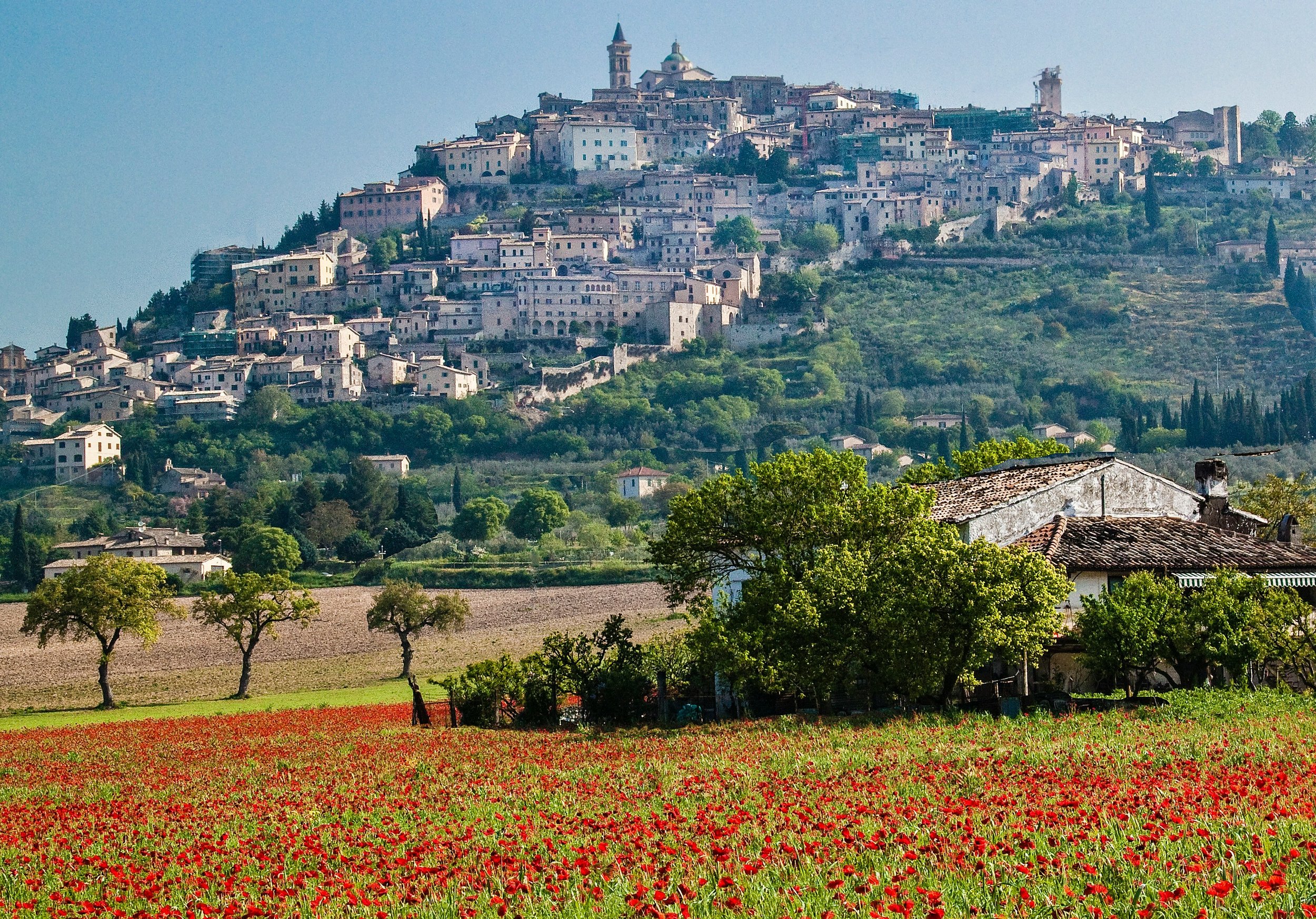
So much of Tuscany to discover beyond the well-trodden path
For those who travel frequently and deeply, the lure of the obvious has diminished… and not a moment too soon. Once-iconic cities and well-trafficked hotspots have lost plenty of their enchantment, overtaken in spirit by places that feel intact and quietly confident in their own rhythms. You can’t wander around Santorini within your skin creeping in the shuddering glare of thousands of filters. You can’t enjoy half of Spain without the sense that your presence isn’t welcome. The Disney-fication of historic sites like Dubrovnik, now jam-packed with gawking tourists and restaurants actively harming Croatia’s once-ascending gastronomic reputation, is almost complete.
What’s the solution? Nothing more than thought, careful planning, and the considered pursuit of journeys shaped by restraint. Immersion and by intention have become the new markers of refined travel; not because they are quieter, but because they feed more than Instagram grids and the gnawing tick-boxes we’re forever being fed.
Reimagining Familiar Horizons
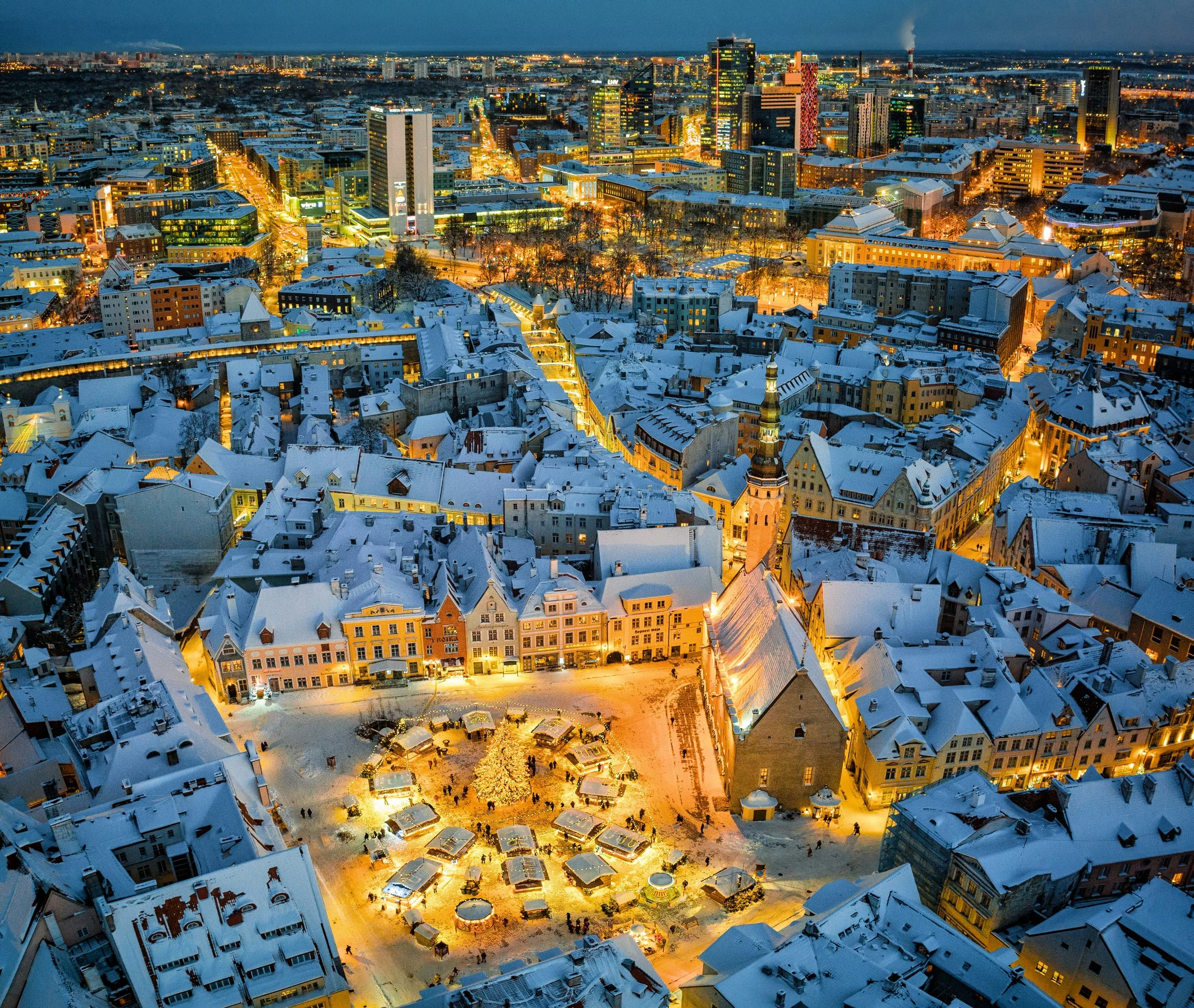
City breaks of substance in Estonia
Look – we get it. There is no inherent flaw in visiting the great capitals and celebrated cultural centres. They’re often celebrated for a reason, and if you want to live out your Romeo & Juliet fantasy with the hordes in Verona, who are we to judge? However, for many seasoned travellers, the charms of these familiar places have been diluted by repetition. What is emerging in their place are destinations that offer a similar sense of history and texture, but with an atmosphere that feels undisturbed, lived-in and graciously present.
Take Tallinn, for example, as I all too often do. The ancient capital of Estonia has a medieval core that captures the romance of old Europe, without ever feeling like a stage set. It is a place where cobbled streets thread between silent spires and understated cafés, and where history does not demand to be performed; it simply is. This is the kind of discovery that rewards thoughtful exploration — a quiet city that, perhaps, might steal your affection as it did in my earlier travel feature on the destination.
Am I obsessed? Quite possibly. I’ve been there more times than I can count, and it still somehow feels like a best-kept secret.
Similarly, destinations such as Yerevan in Armenia appeal to those who are drawn to places with layers of history waiting to be understood rather than simply viewed. They offer a restorative sense of pace and perspective that feels especially resonant in this moment, and act as an antidote to retreading the same steps we see being taken on a thousand feeds, a thousand times per day.
The Call of the Wild
I’ll be the first to admit that I’m more of an urbane fellow than a nature boy. However, winding roads, remote villages, forests touched by early light and oceans that seem to breathe — well, nature has always been part of the luxury travel equation, but in 2026 there’s no denying that it has become a core part of the conversation. Despite my hesitancy to pitch a tent in the wilderness, there is an undeniable aspect of my own approach to luxury that chimes with the rural, the windswept and the thrill of the great outdoors.
The appeal of Nordic sauna escapes featured in our recent travel coverage remains strong for those seeking that rare combination of elemental calm and cultural specificity. In places such as Iceland’s lesser-visited fjords or the stillness surrounding remote Finnish lakes, time seems to widen, offering a luxury that cannot be hurried. In much the same way, the Azores or the Lofoten Islands in Norway have begun to occupy a new place on the itineraries of travellers whose idea of indulgence involves immersion in landscape rather than celebration of status… and this is something even I’m willing to get behind, celebrate and promote as a step forward for the luxury travel scene.
Journeys Designed Around You
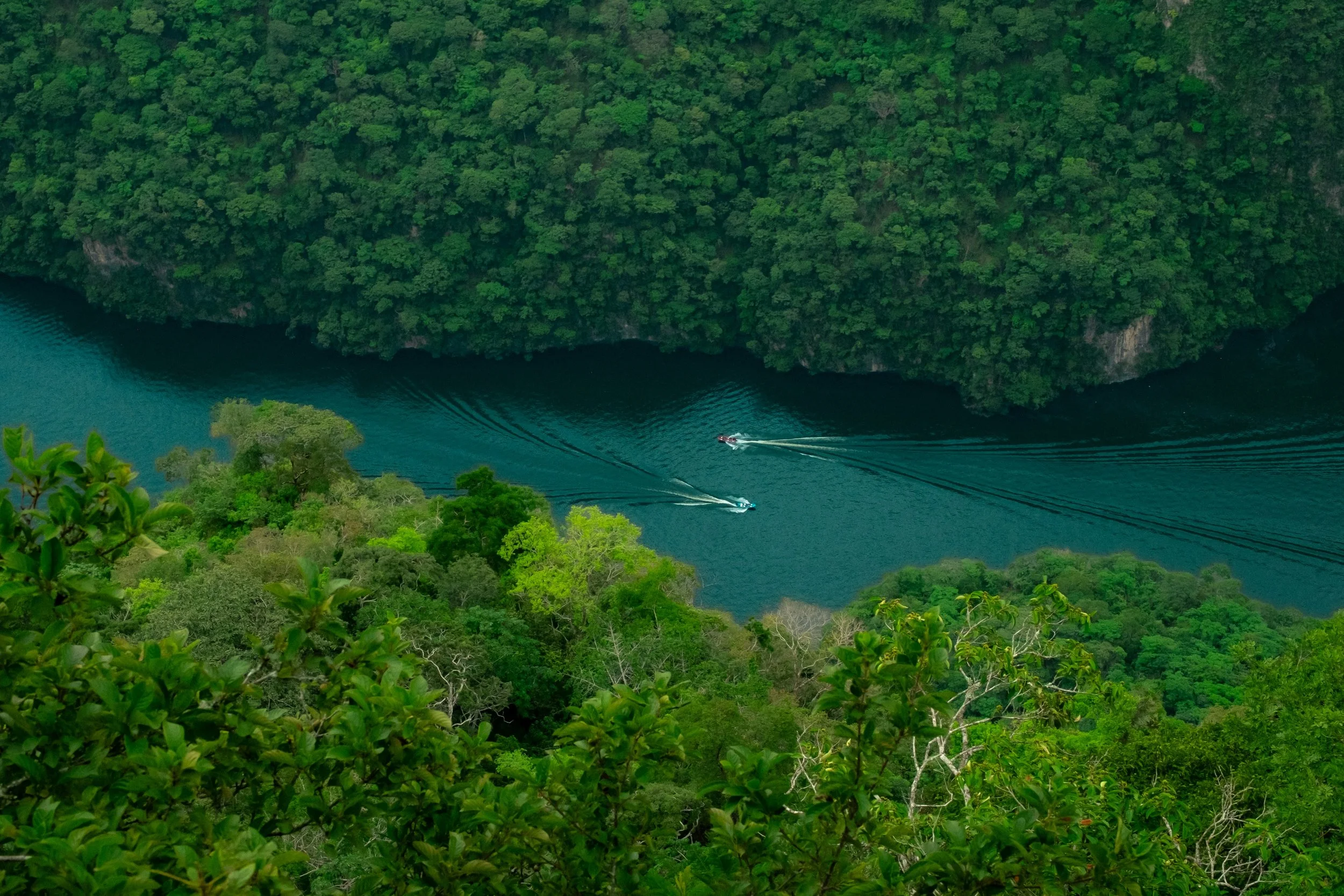
Beauty in the undiscovered
The most resonant travel experiences emerging in 2026 are, above all else, deeply personal. Generic itineraries have begun to feel as outdated as one-size-fits-all suits, supplanted by journeys that are shaped around individual sensibilities — a favourite wine region, a rarely visited village with a storied market, a local guide whose knowledge extends beyond tourist circuits. There’s always been luxury in the bespoke, but without authenticity, the tailor-made remains little more than a veneer of glamour. Today, substance matters.
Japan continues to enchant those willing to explore beyond its headline cities, with regions such as the Noto Peninsula offering a sense of place that feels acutely rooted in tradition. Likewise, the Basque countryside reveals a layer of Spain that is defined by an almost obsessive devotion to food, landscape and craft that one experiences not through visits to Michelin stars alone, but through the kitchens, producers and fields that make that cuisine what it is.
Food That Anchors the Senses
There was a time when culinary travel was synonymous with securing a table at the most celebrated restaurants, but the narrative has deepened. Today’s discerning traveller thinks beyond Michelin guides to explore the contexts in which food lives and breathes.
Places such as Bornholm in Denmark are quietly redefining Nordic cuisine with island–grown produce, smokehouses shaped by tradition and a dining culture that feels rooted rather than curated. In France, regions like the Ardèche or Jura bring a similarly grounded approach: wines that speak of place, markets that pulse with life and homespun meals that feel like memories waiting to be made.
Sustainability as an Essential Aspect of Experience
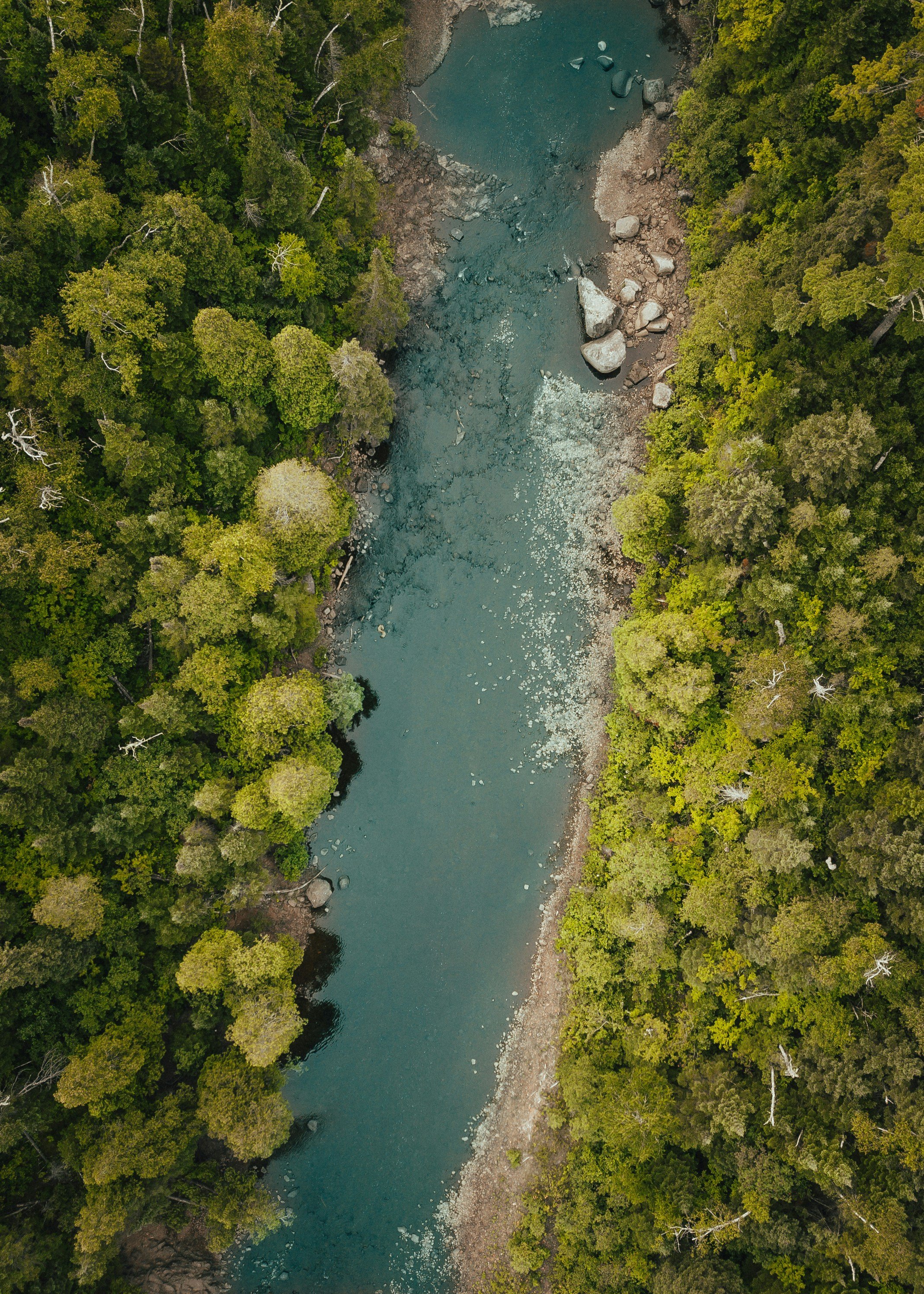
Eco-tourism: More than just a buzzword
What was once a talking point has now become a foundational element of luxury travel. Sustainability in 2026 is not an add-on or a badge. We’re too far gone for that, and ‘greenwashing’ has become a sin we’ve gotten gradually better at sniffing out and avoiding. Today, sustainability, eco-conscious tourism and whatever else you want to label it as is an ethos woven through design, community engagement and the very manner in which a destination welcomes its visitors.
Slovenia has emerged as a compelling model in this respect, with walkable cities, a deep commitment to environmentally considerate tourism and a hospitality culture that honours local ecosystems. On the South American littoral, Uruguay offers a similar quiet luxury: vineyards that embrace ecological balance, seaside towns that celebrate regional culture and an ease of pace that feels restorative rather than performative.
Shared Time in Singular Spaces
As travel has grown more intentional, so too has the desire to share it with those we cherish… or not, depending on how close you are to your families and friends. Whether multigenerational families seeking places that accommodate differing rhythms, or small groups of friends drawn to settings that encourage lingering conversation, there is a renewed emphasis on journeys that foster connection, just as there is joy in travelling alone and soaking up the vibes in ways that don’t rely on any kind of compromise.
Regions such as Umbria, where rolling hills, ancient towns and time-honoured eateries invite shared meals and shared moments, have emerged as elegant alternatives to the more crowded corridors of travel. In the Aegean, islands like Patmos and Syros offer that same sense of community without the press of numbers — a spirit captured in our own travel coverage celebrating these lesser-visited Greek gems.
What Luxury Travel Means Now
Luxury travel in 2026 has come to be defined not by distance covered nor by accolades accrued, but by the way in which it resonates once you return, quieter but no less profound. It is shaped by choices that prioritise atmosphere over acclaim, depth over display and memory over metrics.
The journeys that linger are not those that announce themselves, but those that quietly change how you see the world — and yourself — once you are back home.
