
How to Travel Safely with Food Allergies and Dietary Requirements
Travelling with food allergies, intolerances or dietary requirements can add an extra layer of planning to any trip. Whether you're navigating language barriers, researching restaurants abroad or preparing for long-haul flights, a little preparation can make all the difference. From communicating allergies clearly to staying safe while dining overseas, here's how to travel with confidence and enjoy every destination without unnecessary stress.
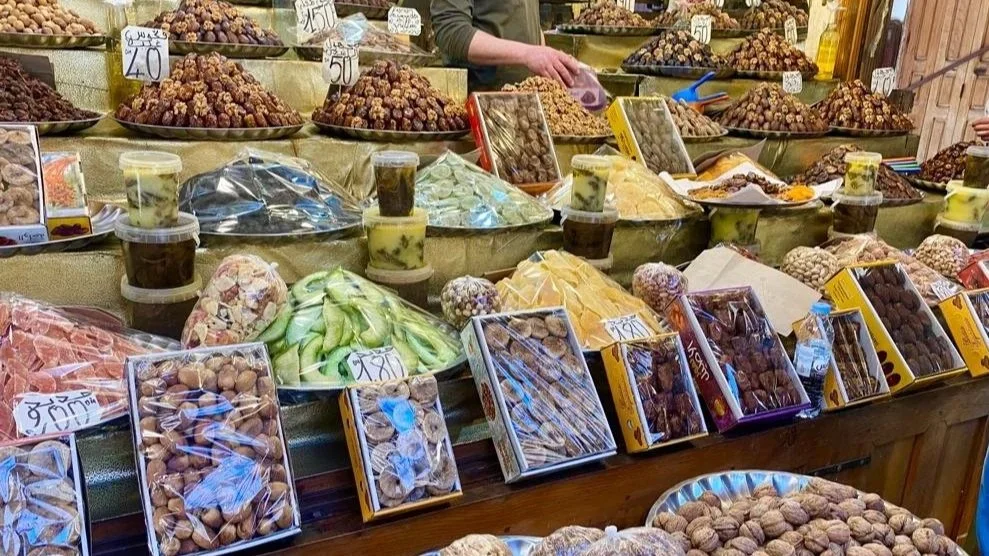
Dried fruits, nuts and Khlii, traditional jerky, in Fes, Morocco.
Whilst travel expands the mind, and fully and immersively exploring other cultures is a mainstay of how we travel at The Last Concierge, for those with dietary requirements or allergies, it can be harder to relax into the rhythm of a new destination when needing to consistently communicate something so essential between languages.
From one allergy-riddled traveller to another, here are a few ways to prepare in advance to help create a stress-free trip when it comes to dining.
Why Advance Planning Makes Travel with Food Allergies Easier
Email your hotel or any pre-booked restaurants ahead to share the necessary details, and create a paper chain. Be sure to inform the concierge or reception on your arrival, and the staff at each meal, who may not have been fully briefed.
Utilise your concierge or reception staff, who may be better able to convey your needs in the native language, either when making reservations on your behalf or when calling a venue to reiterate them before your arrival.
When travelling on long-haul flights with dining, pre-booking a suitable meal is often required, but if it's not offered as an option, a quick email to customer service ahead of time will help.
For airborne allergies, ensure the airline knows in advance so they can prepare in advance and potentially make on-board announcements, which vary by airline. Occasionally, an airline might allow early boarding to offer extra time to clean around your seat.

Baumstriezel, or Hungarian Chimney Cake, in Austria.
How to Communicate Food Allergies Abroad with Confidence
It’s easy to make a bespoke allergy ‘card’ with Google Translate. Take a screenshot of the translation from English into the native language or the area's commonly used languages, and use the expand toggle to create a widescreen image in just the native language(s). Add this to your favourites on your image gallery, or use it as a lock screen for the duration of your stay for easy access.
I’ve experienced this being photographed and brought to the chef to check the ingredients of a full table of dishes, offering the added comfort in the transfer of information.
From experience, listing intolerances as allergens tends to provide greater clarity (and reassurance) around your needs whilst away, and, if cross-contamination is an issue, you can clearly explain this too.
For pescatarian, vegetarian, and vegan diets, create a card with examples of what you do not eat, such as milk and honey, or meat or fish products or derivatives, to help avoid any intercultural confusion of the phrase.
Despite any personal feelings of awkwardness, repeatedly showing your allergy or dietary ‘card’ when ordering, even if it’s to the same staff, helps prevent accidents during a busy service.
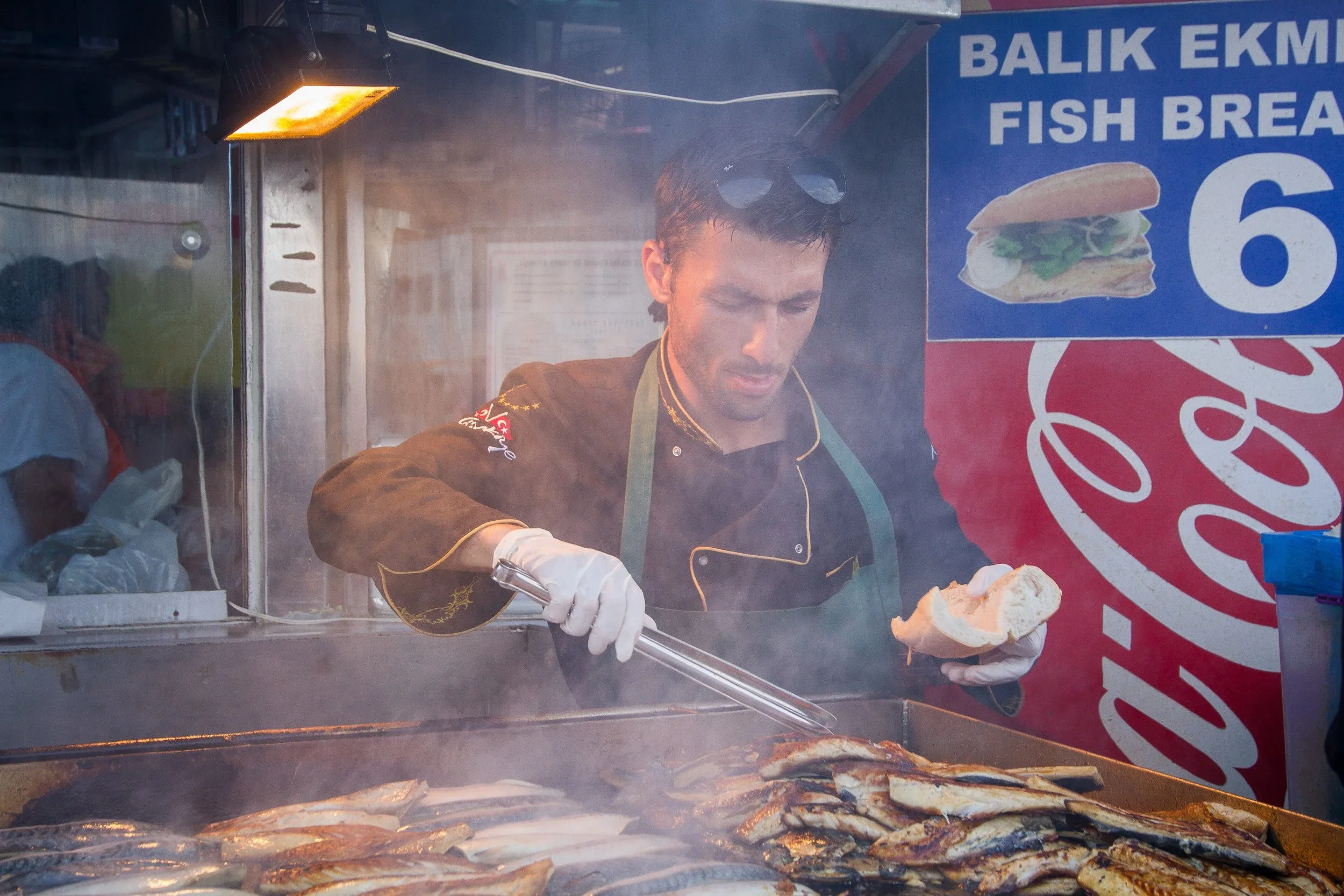
Balık Ekmek, grilled fish sandwiches, in Istanbul.
What to Pack When Travelling with Food Allergies
Be sure to keep your EpiPen or antihistamines (and check their expiration before you travel) with you, and wear your international medical bracelet at all times. Charities and services like MedicAlert UK offer registered emblem bracelets that link to a validated digital medical record. Often supported by 24/7 international helplines, these services ensure that medical professionals can access a full, translated list of your allergies.
Further, bring printed details of any prescriptions and pack all medications in your carry-on luggage, in their original, clearly labelled pharmacy bottles or boxes for ease of recognition.
Check ahead to find your nearest hospitals and medical centres, have them pinned on your maps in case you are out and about, and create a card you will hopefully never need, to explain: ‘I am having an allergic reaction, I require immediate medical assistance at a hospital or medical facility’. For added security, ensure your fellow travellers have a copy to hand in case of an emergency.
Ensure your medical insurance is up to date, so you are covered for any required emergent treatment. And remember, any recent reactions or illnesses requiring medical treatment or intervention (a kidney infection requiring antibiotics three days prior to travel is a recent personal example) are best reported to your insurance as soon as possible before travel, on any policy, including annual premiums.

Croque Monsieur, a toasted sandwich loaded with cheese, béchamel sauce and ham, and other delights, in Paris, France.
Eat Adventurously, Ask Questions and Always Carry Snacks
Despite travelling as a lactose-intolerant pescatarian with oral allergy syndrome, reactive to apple and fennel; occasionally with a vegetarian best friend with a nut allergy… See where I am going with this one? It can be done, and enjoyed.
As a dedicated lover of exploring the world via my plate, I have still managed to experience some truly excellent dining across the globe. From Moroccan street food in the medina of Fes, to an Austro-Hungarian feast during Krampuslauf in Salzburg, picking up fresh vegan pastries for breakfast in Paris (a real win there), to a traditional, relaxed meal at an esnaf lokantası in a residential area of Istanbul… When you plan ahead and ask about each dish as you devour your way across the globe, your travel can feel much safer.
However, one final tip… As a grazer and a chocolate lover, be sure to pack plenty of safe snacks to keep you going between meals, or to satiate a craving when you can’t be sure of available options.
Disclaimer: This is not medical advice. For further information, speak to a medical professional, your GP or specialist. More advice is available from Anaphylaxis UK.
