
Why Luxury Hotels All Feel the Same (And How Boutique Hotels Get It Right)
I’m going to say something slightly controversial here: I’m growing tired of luxury hotels. Why? Because there’s a moment in every trip to yet another five-star, marble-clad, bright, airy and efficient hotel when I realise, quietly and without any particular drama, that I might have in fact been there before.
I don’t mean that literally, of course. The city outside is invariably different, the accent used by the receptionist team might have changed and the stonework may have been sourced from somewhere both specific and suitably reassuring. However, I’m losing count of the number of times I’ve gently batted away an over-eager bellboy looking to carry my bag for me, while a chilled drink (in a glass that feels more substantial and heavier than necessary) is reverently placed in my hand with the kind of timing that feels rehearsed to clockwork precision. I’ve been through these motions too many times, and the rhythm and vocabulary of the luxury experience – so meticulously mapped out – is starting to feel all too familiar.
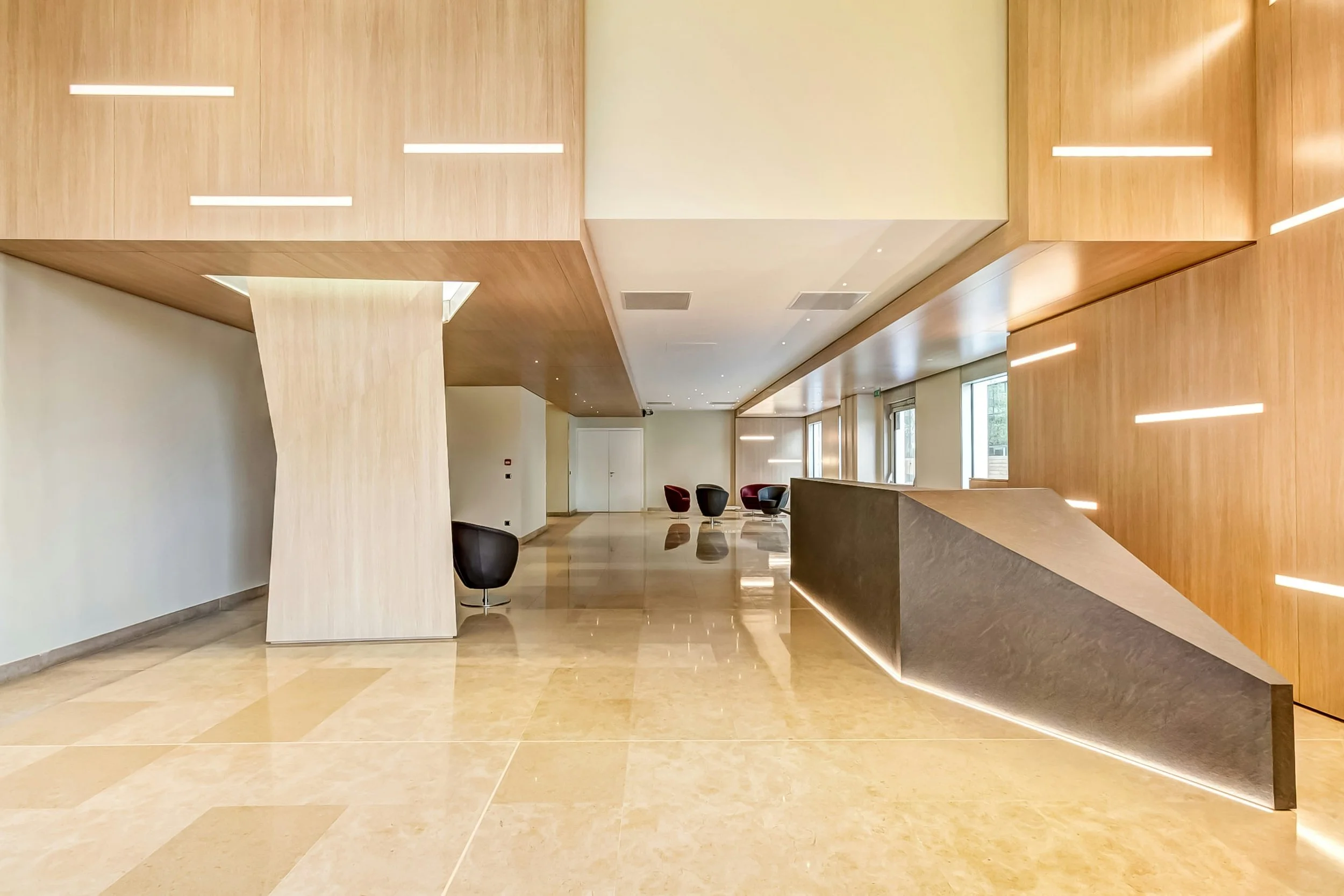
I can’t be the only one thinking this way. Can I?
Yes, I know these are the epitome of first-world problems, but when I travel, I want to feel like I’m somewhere instead of anywhere. I can’t be alone in this thought, and I can’t be the only one perturbed by the strange familiarity of arriving somewhere I’ve never been before.
The fact of the matter is that luxury hospitality has become so good at removing friction, it’s also succeeded in eradicating distinction along the way. When everything flows so seamlessly, smoothly and quietly, there’s no room for the interruptions and surprises that make stays memorable.
Perfection that leaves no trace
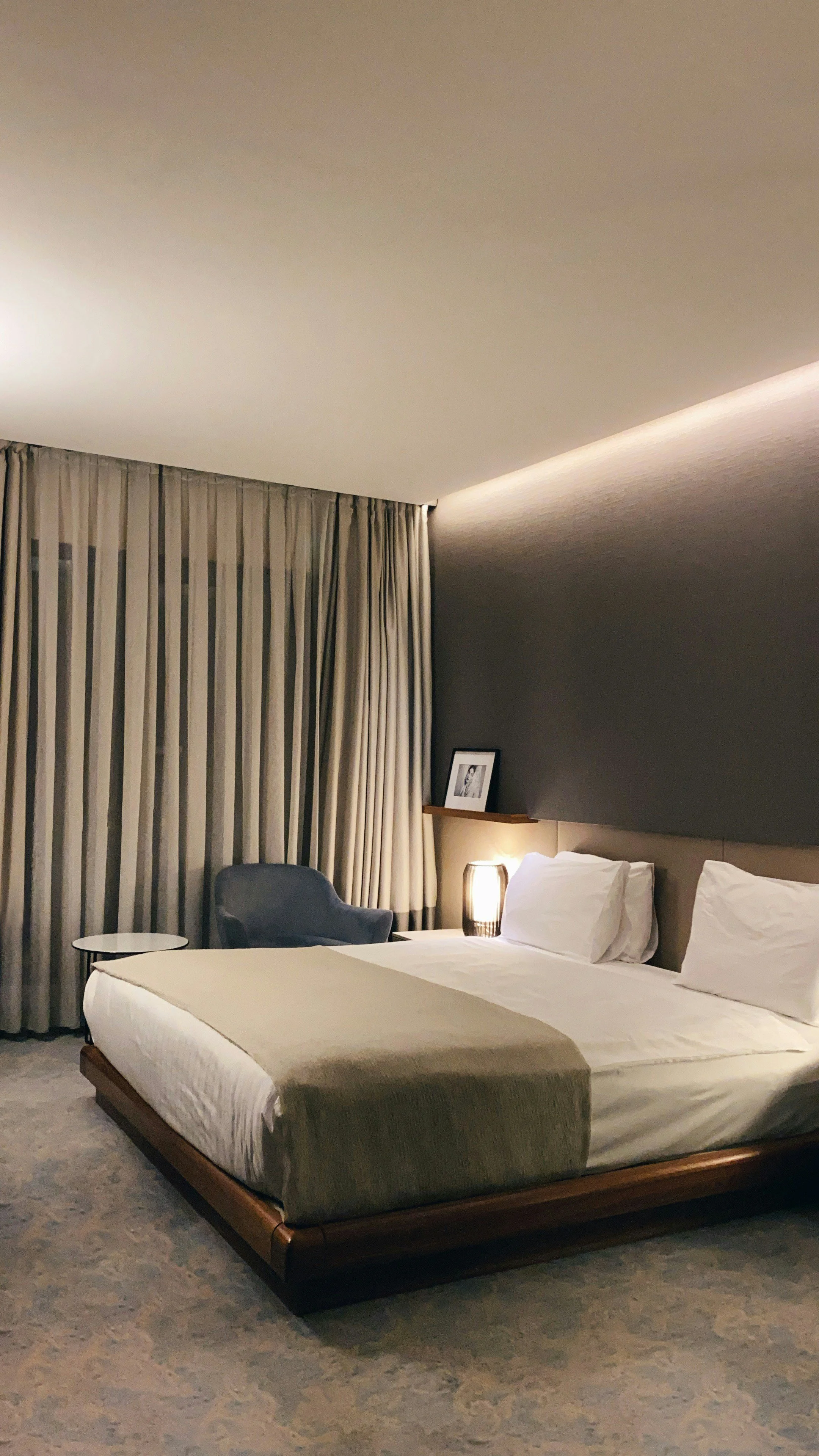
Lovely. And yet…
Somewhere in the last two decades, modern luxury hotels became masterful studies in the art of elimination. Five-star service has become a realm in which there are no more awkward pauses at check-in, no moments of uncertainty about where to go or what comes next. There’s barely any sense that anything is left to chance, and everything has become anticipated and gently guided with a pristine white glove. Hospitality teams have become so good at resolving potential problems, they’ve removed the opportunity for them to become questions.
This has resulted in an erosion of character. Rooms arrive fully formed with lighting calibrated to feel flattering rather than dramatic or theatrical, temperature is pre-balanced to mitigate discomfort and cushions are arranged in a way that suggests someone once tested this exact configuration against a set of very reasonable expectations. Yes, it’s all very nice. But who remembers or gets excited by nice?
Even interactions with staff have been refined into something almost weightless. Teams float around and bend over backwards to be attentive, precise and consistently correct, but they’re often so carefully managed that it becomes difficult to sense the person behind the role, let alone engage them in conversation or – heaven forbid – encourage them to sit down for a drink. The result of all this is increasingly a little depressing, and I’ve often found myself leaving with the conclusion that while everything has been excellent on paper, nothing in particular remains with me or makes me want to come back.
Design that only speaks one language
I’ve spent plenty of time moving between luxury properties, and a quiet convergence has revealed itself on a number of occasions. I’m not going to name and shame in this article – mainly because I’m unable to fight against the tide and there’s nothing essentially wrong with anything these hotels are doing – but I’ve seen an identical visual, stylistic and emotional vocabulary in place in hotels across different countries, contexts and architectural contexts.
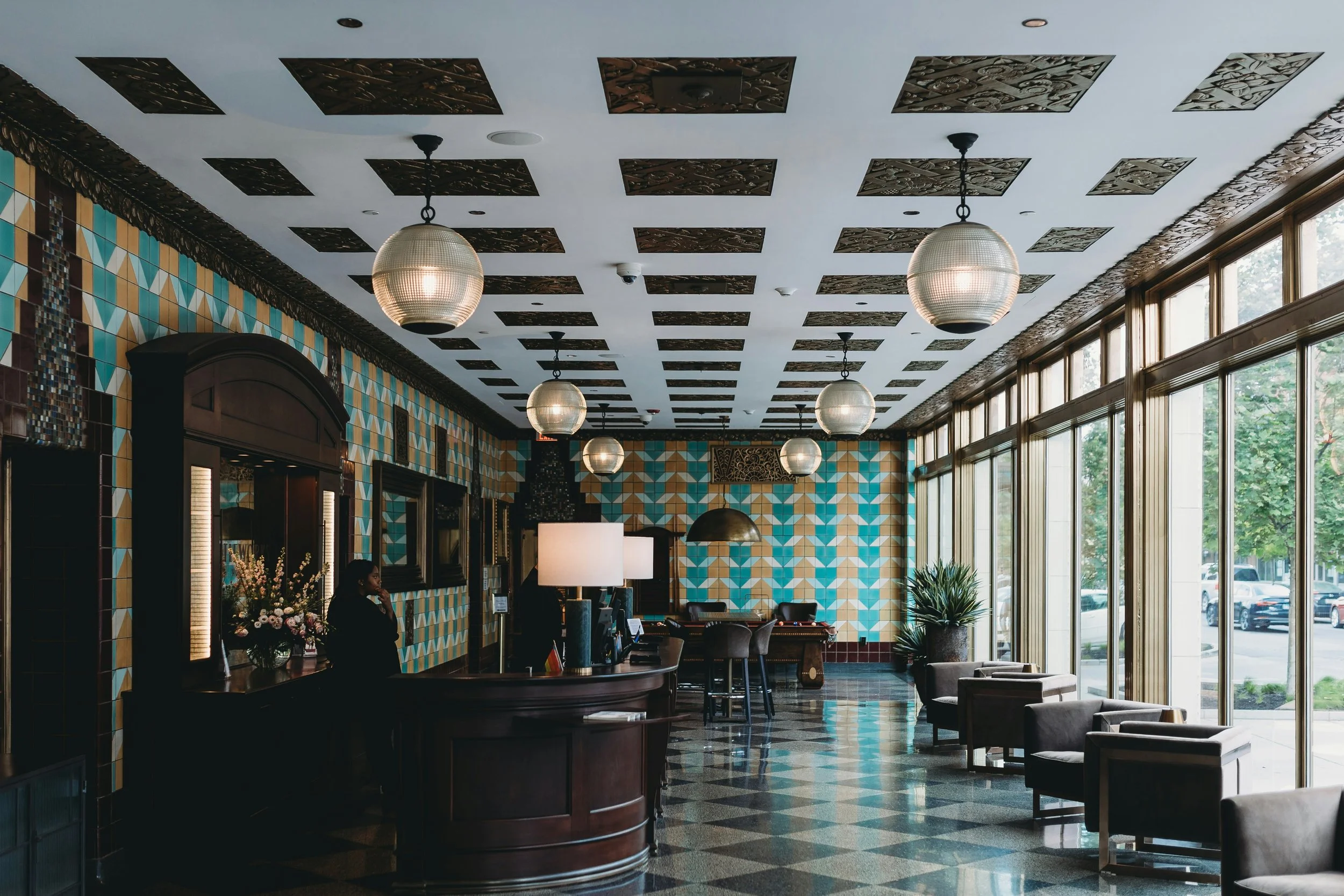
Tasteful or tiring?
I’m sick of beige. I’m tired of earthy palettes. I don’t want to see more natural textures, wickerwork or carefully-crafted imperfect finishes. I certainly don’t want to see more tasteful artwork, selected to soften a space instead of challenge it. Even in countries with a proud history of more instinctive, unpredictable and slightly chaotic approaches to confident hospitality (I’m looking at you, Italy) are now crammed with new hotels that have been designed by committees trying to align with the dullest of high-end international expectations. Yes, they’re occasionally beautiful, but they’re also increasingly fluent in a language that belongs to everywhere and nowhere all at once.
Places that resist over-definition
One of the upsides about all this beige-ification is that, when you do come across a hotel that doesn’t conform to this language (or at least doesn’t speak it with the same robotic fluency), it’s often genuinely exciting and unforgettable.

Gloriously, glamorously eccentric: Le Vieux Logis, Dordogne
Again, I’m not going to name names. However, there are certain hotels and private rentals that gleefully lean into their eccentricity and history without it feeling like a gimmick, staffed with individuals who have a real passion for what they do best – and these are the hotels I recommend both in these pages and among my friends, family and extended network. Certain places seem to be resisting the waves of uniformity better than others: rural France proudly offers hotels which feel like being embraced into a grand family home, Estonia revels in doing everything a little bit differently, Australia loves to take you by surprise and the UK (at its best) flies the flag high for refreshingly odd encounters, be they stately homes, city centre pads or Scottish retreats that feel like something really rather out of this world.
They’re proof that not everything has to be surrendered to the idea that all must be translated into a global standard of refinement, and they’re often a whole load of fun rather than merely very comfortable places to stay.
Such places are rarely easy to define. After all, they don’t always present themselves cleanly in photographs or summaries, and they don’t tend to behave in ways that feel immediately polished. However, there is always something more interesting in them: a slight looseness in the structure and a sense that not every detail has been optimised. To spend time in their midsts is to feel that not every moment has been pre-written and orchestrated, and yes, there’s a good chance you’ll stay up late with the barman or reception team, sharing stories and picking up the best tips of where to go dancing once you’ve finished your drink.
The tyranny of ‘the experience’
Modern luxury hotels use the word ‘experience’ like it’s going out of fashion. Remember when every fancy restaurant used to introduce their menu as a ‘concept’, as if the act of reading dishes off a piece of paper was somehow in need of elevation? Well, it’s the same thing, only perhaps slightly more annoying.
You no longer arrive at a five-star hotel, you engage in an arrival experience. There are dining experiences in place of a good meal. The sleep experience has overtaken the act of collapsing into a hotel bed, preferably not alone. Every experience has been segmented and refined, improved and measured ad infinitum… and eventually, nothing remains beyond the boundaries of what has been designed for you, long before you step through the door.
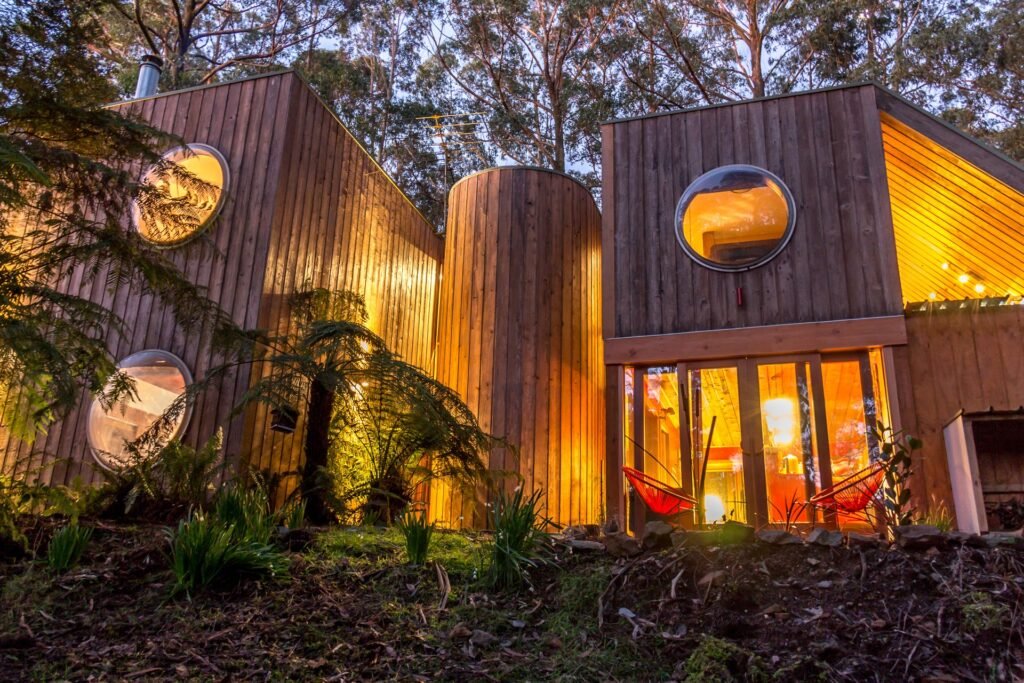
Qii House, Australia. More of this kind of thing!
Some people all love this, I know. However, real experiences – the ones you look back on, misty-eyed as you recall your favourite holidays – don’t tend to be so obedient or structured. Experiences should drift, interrupt themselves and refuse to behave. It’s in those deviations from the expected that truly special encounters arise.
