
Ffern Review: The Seasonal British Fragrance Brand Explained
I discovered Ffern amidst the first throes of lockdown. The solitude of seclusion in my home seems so abstract to visualise now, but one of my most distinct recollections is my fierce olfactory acuity. The absence of distraction made every aroma pointed, intense and somewhat alien in isolation.
It led to an exploration of scent to sculpt my space and reframe my experience of this time, with natural and bespoke perfumes a source of comfort and company, becoming somewhat of an obsession.
Founded by Owen Mears and Emily Cameron, Ffern released their first fragrance in 2018. Their guiding in-house nose is Elodie Durande, the notable protégée of master perfumer François Robert. Fragrance runs in the Robert’s family veins, with four generations deeply immersed in its industry. François’ great-grandfather, Joseph Robert, perfumery tutor to the renowned François Coty, was the architect of the solvent absolutes extraction method, pioneering dramatic change in fragrance production in the late 1800s.
Ffern began as a quiet mutiny against the mass-produced and the manufactured. Conceived in the Somerset hills and mirroring the shiftings of each season, the brand set out to revive the bygone craft of natural perfumery — revisiting an era when scent was not static, but cyclical, evolving with time and the land around them.
Releasing only four perfumes a year, each creation is hand-blended in small batches, timed precisely to the solstices and equinoxes. Closely tied to the essence of each, botanical is cherished and celebrated, bottled in golden elixir.
The first scent I experienced was Summer ‘20. Bitter orange rind, one of their signature notes, featuring in 11 of their fragrances, met rarely-used cinnamon leaf, bursting with warmth above Calabrian bergamot rind, Tunisian neroli and Himalayan jasmine sambac, extracted at source using Joseph Robert’s methods (used in 2, 28, 16 and 14 of their fragrances, respectively). To this day, re-living the last few remaining drops of this scent instantly transports me to those moments of discovery in a tremendous rush of emotion.
Whilst every iteration retains the overarching melody of signature notes (which to a well-trained nose screams ‘this is Ffern!’), each new chapter of their story develops their narrative of aromas and blends. Available only to those on their production ledger, they create a secret garden for perfume devotees, building a florilegium of memories in scent, alongside a library of art and artisan crafts included with release.
Summer ‘22 saw their singular use of sweet, citrus Brazilian kumquat rind. Layered over spicy nutmeg with the first of two uses of decadent Bulgarian Rose Otto, it met Haitian vetiver root and hay for an earthy, herbaceous finish (featuring in 24 and 7 fragrances, respectively). A gift to one of my closest friends as her something new, just this weekend, it became the something borrowed at a mutual friend's wedding. Whilst my work brings me new fragrances across my desk in regularity, my spot on the ledger is not something I will give up willingly, as I weave it into the fabric of my friendships now, too.
This gentle ceremony — the link between discovery, experimentation, blending, bottling, waiting and rediscovering — transforms perfume from a product into an instrument of connection. Every ingredient is organically and ethically sourced, every vial numbered, and every note fleeting, yet sometimes revisited to be reimagined. Ffern’s story is one of patience and presence: an ode to nature’s impermanence, bottled.
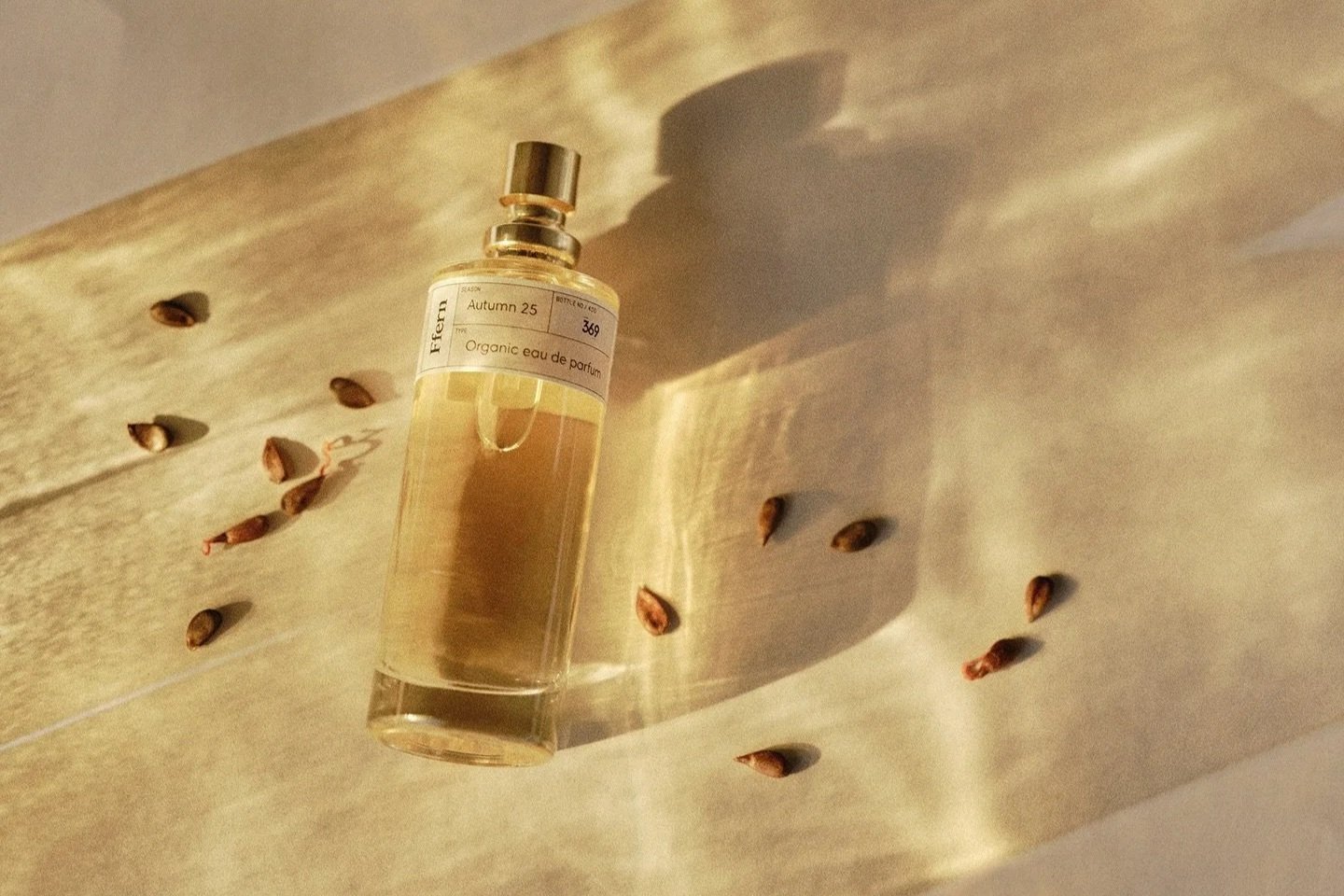
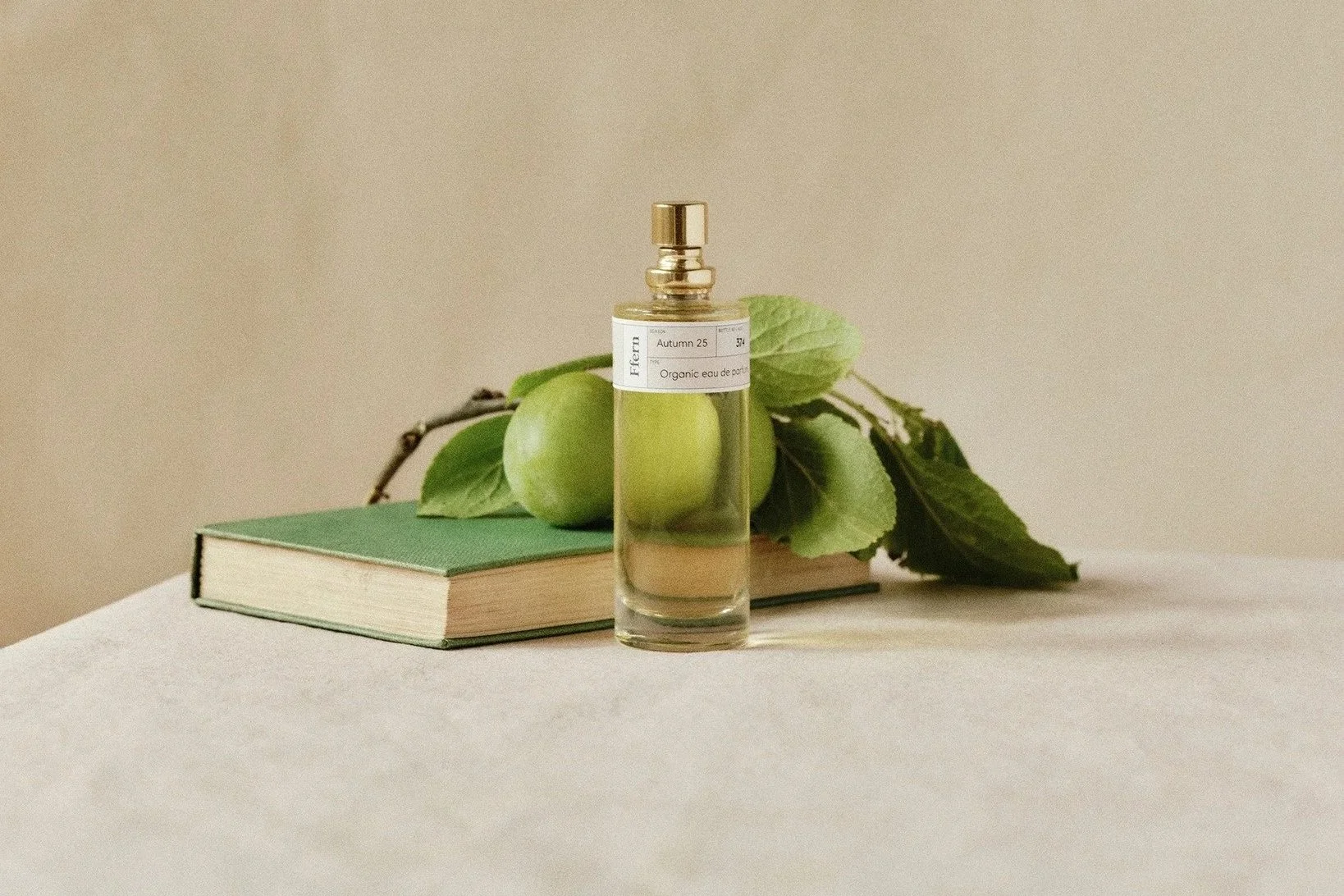
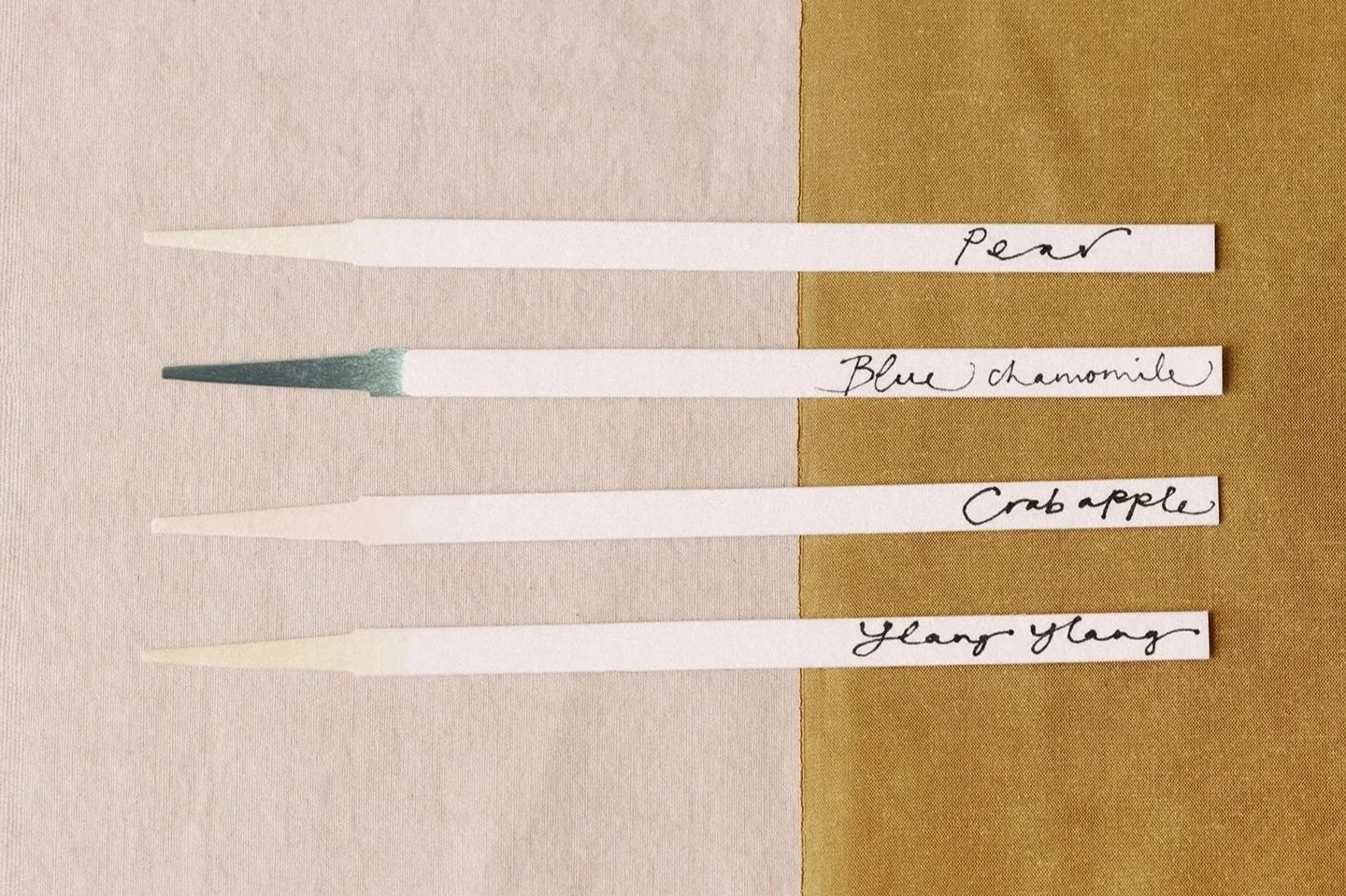
Their newest commentary comes through Autumn ‘25. Seeing the first introduction of both pear and crab apple, their verdance meets with another new ingredient, sweet and powdery Egyptian blue chamomile. Layered over the twice-seen notes of ylang-ylang and Peruvian ambrette seed, the white-floral notes are balanced by the more redolent tones of Andalucian brown-eyes rock rose (a lineage of 10 past fragrances). Offering an addictive honeyed leather dry down; it’s already shaping my connection to the season upon us.
From a tiny workshop in Somerset, these scents have found their way into homes and hearts worldwide — not through loud campaigns, but through whispers and curiosity. The shared longing for something slower, rarer, and deeply human, as each blend becomes more than the sum of its parts, per a subtle seasonal shift, an echo to a moment in time with every nuanced note.
