
IZZA’s Associate Artist Programme: Marrakech's Most Exciting Gallery Might Be a Hotel
There's no shortage of hotels in Marrakech displaying impressive art collections. Far fewer are actively investing in the artists shaping the country's cultural future. That's what makes IZZA different. Tucked among the winding alleyways of the Medina, the luxury riad hotel has announced a new cohort for its Associate Artist Programme, supporting six emerging and mid-career Moroccan artists at a pivotal moment in their careers.
For decades, Marrakech has attracted artists in search of something they couldn't find elsewhere. Yves Saint Laurent found colour, Bill Willis found creative freedom and his guests found – just like the tourists in Morocco in 2026 – they simply didn’t want to be anywhere else.
Generations of writers, photographers, designers and musicians found inspiration hidden amongst Marrakech’s labyrinthine streets, hidden riads and seemingly endless play of light and shadow, and yet for all the attention given to the creatives who came to Marrakech, the city's own artists have often received far less recognition.
That's thankfully beginning to change. All across the city, a growing network of galleries, museums, cultural foundations and independent creative spaces is helping to establish Marrakech as one of North Africa's most dynamic arts destinations. Increasingly, the story isn't about international artists discovering Morocco, but rather one of Moroccan artists finding possibilities to tell their unique stories to a far larger audience.
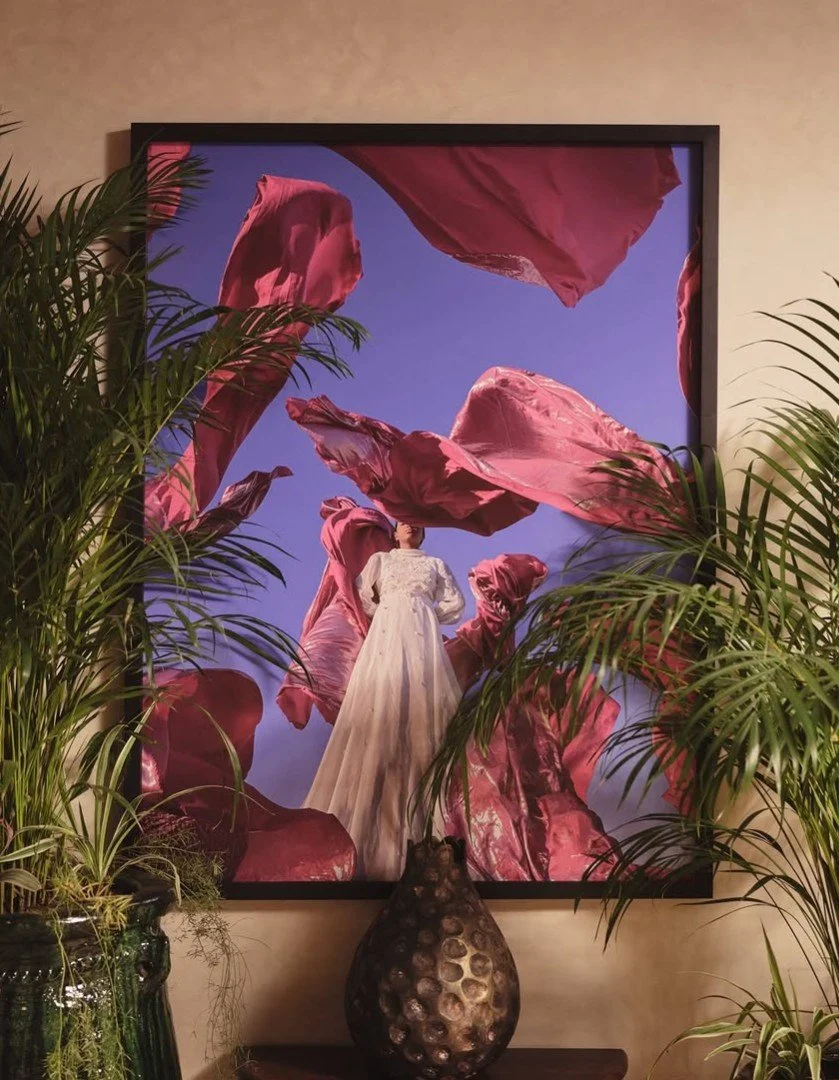
IZZA: The Art Hotel’s Art Hotel
IZZA and the Art of the Art Hotel
IZZA's Associate Artist Programme could feel like a gimmick – I’ve certainly seen plenty of so-called ‘art hotels’ fail spectacularly at presenting anything particularly innovative, meaningful or moving, relying solely on the grinding disappointment of trying to appeal to the lowest common denominator.
However, when I stayed at IZZA earlier this year, what struck me wasn't the scale of the collection, impressive though it is, nor was it the presence of the paintings, digital installation and photographs hanging on walls and in hidden corners of the riad. It was the sense that art wasn't being used as a design feature or a luxury hotel talking point. In fact, at IZZA, art and the celebration of local creativity and vision feels like a significant reason for the hotel existing in the first place.
I wrote at length about how the 14-room property, hidden amongst the Medina's winding alleyways, blurs the line between boutique hotel, private residence and contemporary gallery. Guests drift between courtyards filled with sculpture, intimate rooms displaying contemporary works and rooftop terraces where conversation often turns to artists rather than itineraries, and the whole operation embraces its location in the heart of the medina in ways that so many other residences have long resisted. The result is a property that feels entirely at home in modern Marrakech, and which is deeply rooted in the culture rather than simply borrowing from it or using it as decoration.
Through the second edition of its Associate Artist Programme, IZZA is giving six emerging and mid-career Moroccan artists the support, visibility and exhibition opportunities that are often hardest to access. Collectively, they offer a fascinating snapshot of where Moroccan contemporary art is right now, and where it might be heading next.
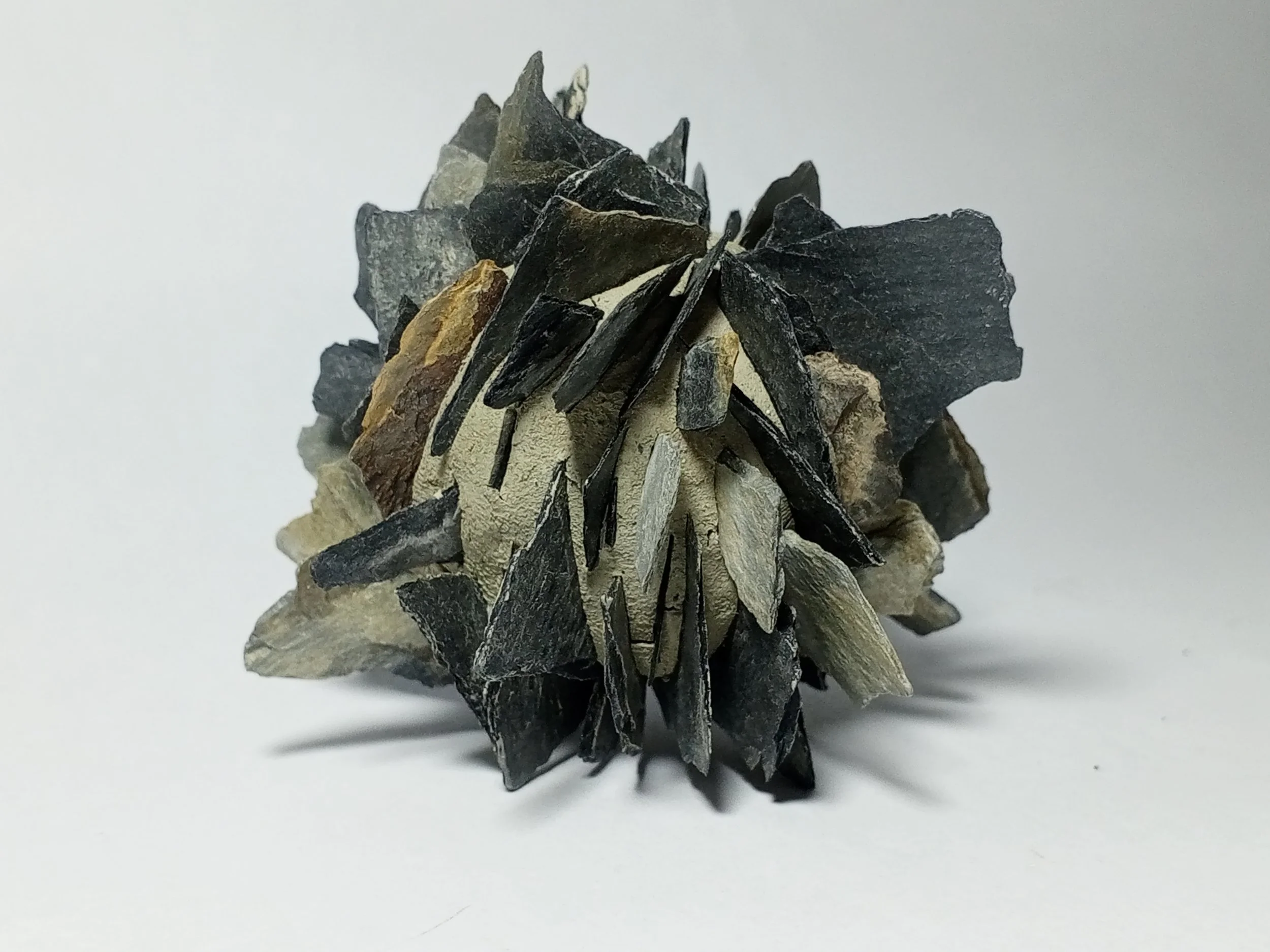
Mouna Ahizoune: Exploring Endurance And Identity
Born in the Middle Atlas and now based in Tangier, Mouna Ahizoune works across performance, photography, film and sculpture. Her work explores the relationship between labour, pain and transformation, often through the physical experiences of women whose stories rarely occupy centre stage in contemporary art.
In a city where audiences are accustomed to seeing Morocco interpreted through an outsider's lens, Ahizoune's work offers something far, far more intimate: perspectives shaped from within.
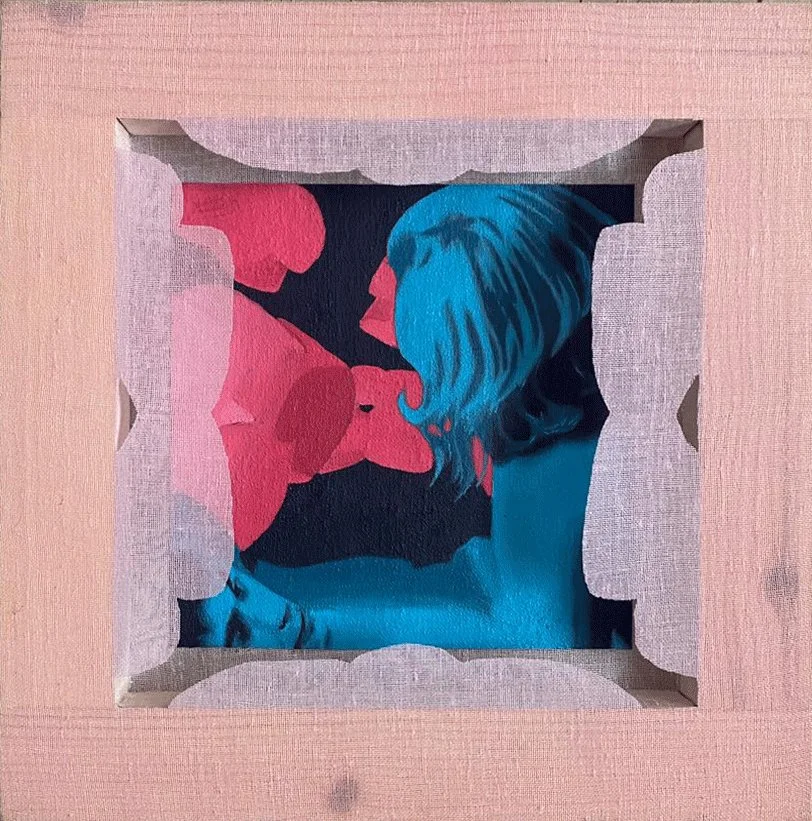
Hamza Marmouche: Art Beyond Traditional Routes
Temara-based Hamza Marmouche is entirely self-taught, developing a practice that has evolved from realism into increasingly experimental work incorporating fabric, wood and welded metal.
It's exactly the kind of story that reflects a broader shift within Morocco's creative scene, where talent and ambition are increasingly opening doors regardless of formal training. His inclusion also speaks to one of the programme's most compelling aims: supporting artists who may not have travelled conventional routes into the art world, and yet have stories to tell through imagery that simply cannot be ignored.
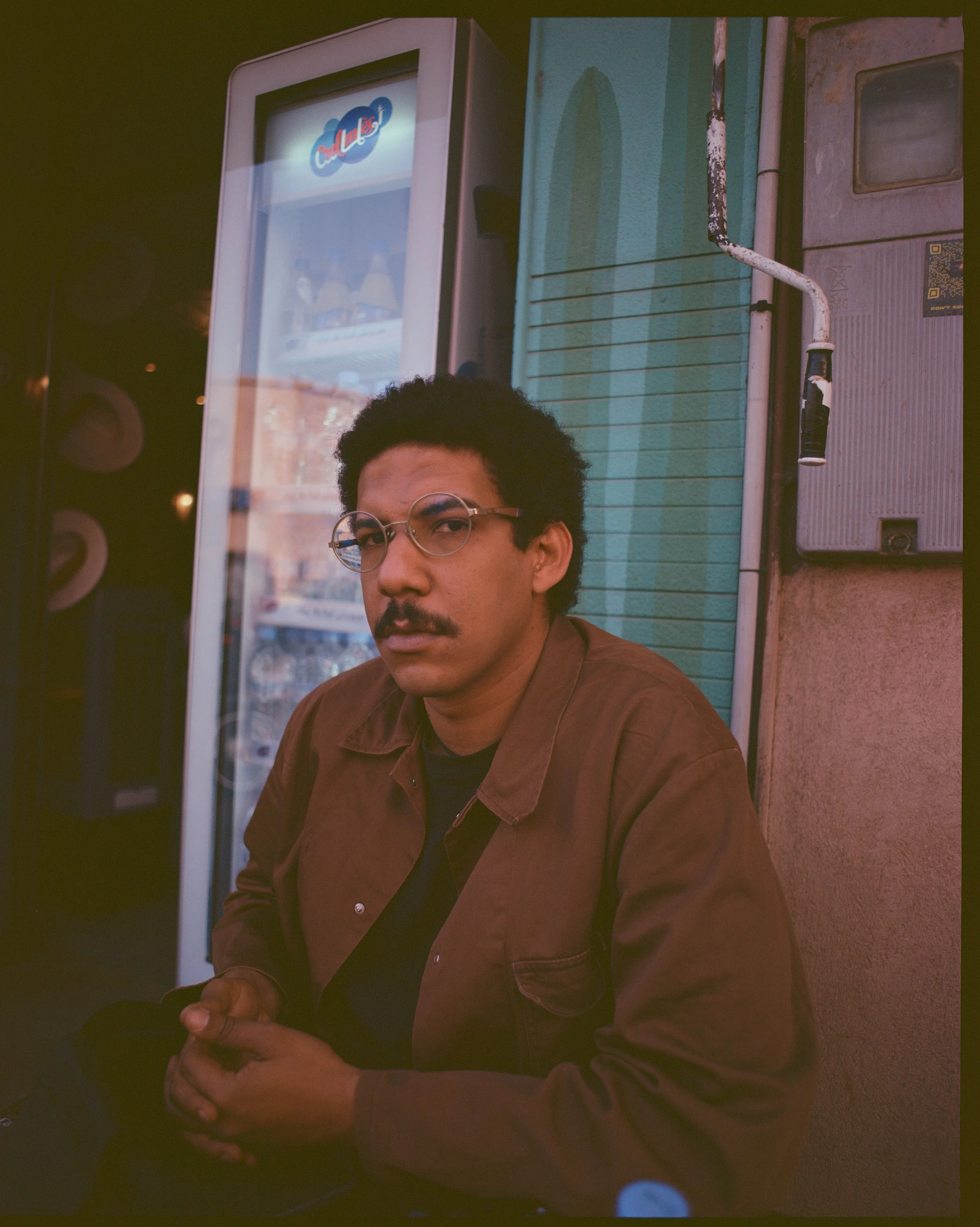
Yassine Sellame: Documenting A New Morocco
Tourism imagery tends to present Morocco as timeless, and Yassine Sellame's photography achieves the opposite through a thrillingly contemporary and often jarring lens. Using double exposures and expired film, the photographer captures skate culture, urban identity and contemporary youth culture of the country, documenting a version of Morocco that feels immediate, energetic and unmistakably modern.
His work serves as a reminder that today's Morocco cannot and should not be reduced to heritage or orientalist romanticism alone. It is constantly evolving, shaped by a generation creating its own cultural narratives, and whose voices deserve to be heard.
Mehdi Ait El Mallali: Finding Meaning In Light
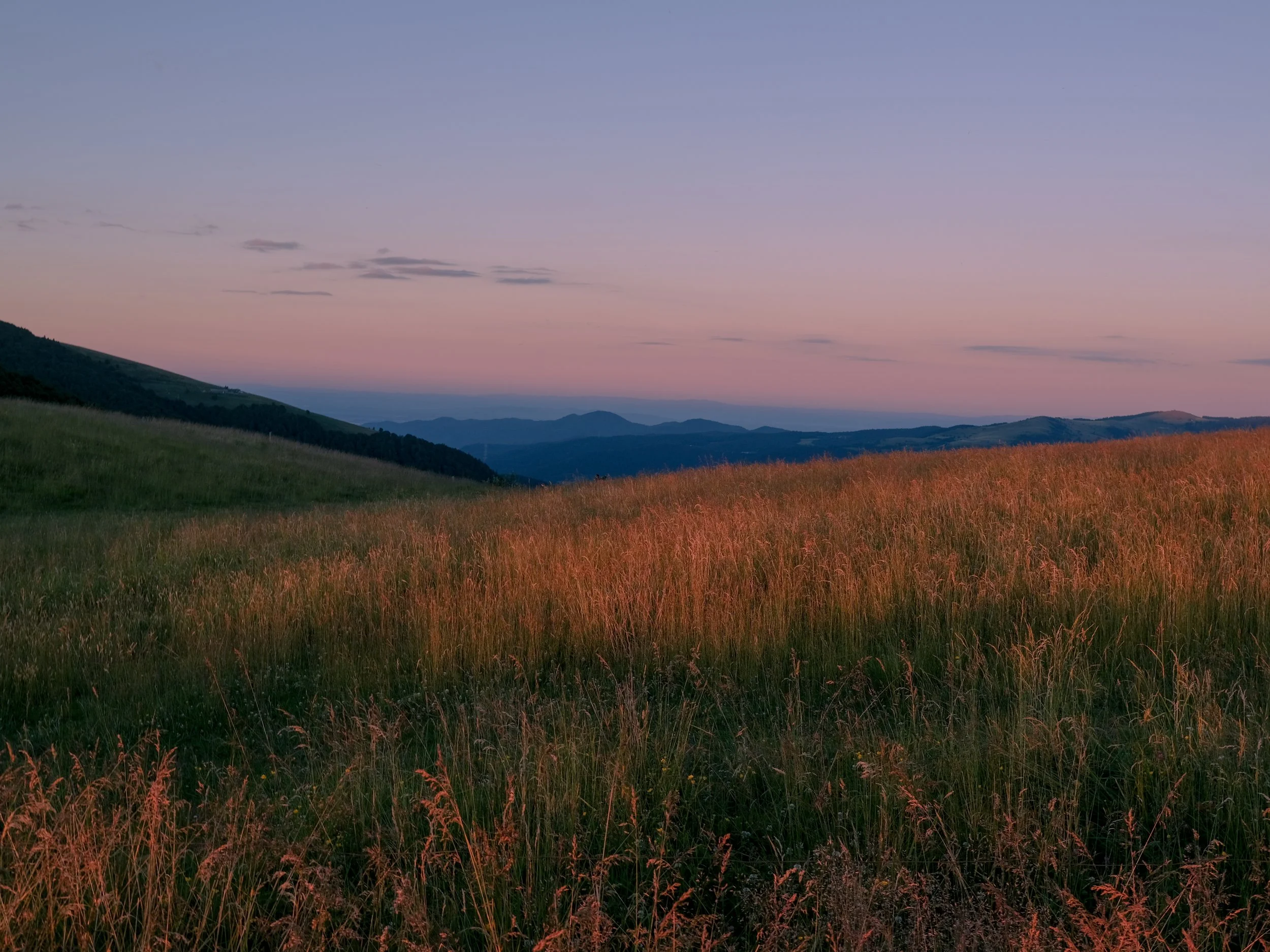
Winner of the 2024 Mustaqbal Prize, Mehdi Ait El Mallali approaches photography from a more abstract perspective. His images are often driven by instinct rather than documentation, exploring nature, atmosphere and the subtle interplay between light and landscape.
Viewers will discover that there is a quietness to the work that feels almost meditative, encouraging life to be taken at a slower, more meditative pace and the world to be engaged with a little more carefully and mindfully.
Inès Abergel: Where Sculpture Meets Performance
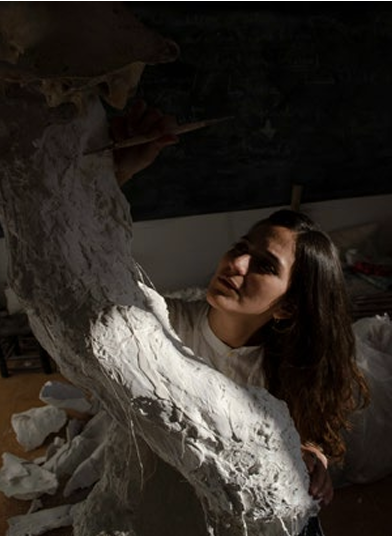
With academic roots in psychology and philosophy alongside a background in dance, Inès Abergel brings an unusual, dynamic and vibrant perspective to contemporary sculpture. Working with clay, metal, marble and mud, she creates works that emerge through movement and the body itself rather than purely through material.
Leila Bencharnia: Preserving Memory Through Sound
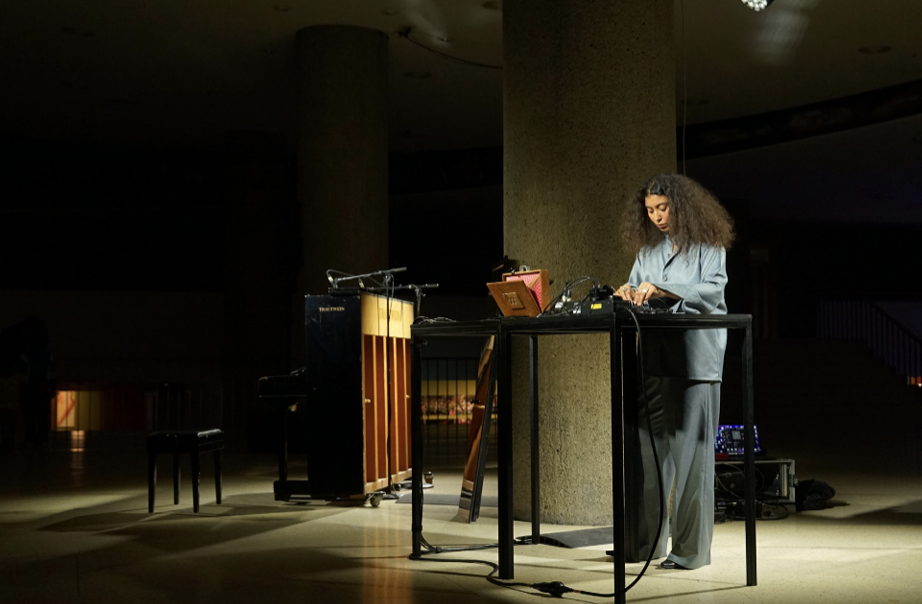
Perhaps the most distinctive practice within the cohort belongs to Leila Bencharnia. Working between Marrakech and Milan, the artist combines sound, textiles, tape recordings and analogue technologies to explore ideas of memory, inheritance and cultural transmission.
Her work is built around a deceptively simple idea: listening can be a form of preserving knowledge, and in a rapidly changing world, that feels both increasingly relevant and quietly revolutionary.
Why Art Matters For Marrakech
It's easy to view programmes like this as another luxury hotel initiative. However, in reality, they're becoming an increasingly important part of Marrakech's cultural infrastructure.
It’s a truth increasingly acknowledged that artists, no matter where they are from, where they studied and honed their craft, or which culture they’re communicating through their work, need more than exhibitions. They need funding, mentorship, production support and opportunities to connect with collectors and new audiences. For emerging artists especially, those practical forms of support often determine whether ambitious projects ever leave the sketchbook.
This and much, much more is what makes IZZA's programme worth paying attention to. The hotel would be noteworthy enough for its collection alone. Housing works by artists including Refik Anadol and Sebastião Salgado, it already occupies a unique place within Marrakech's hospitality landscape, and yet its greatest contribution may ultimately be the artists who aren't famous yet, but have arguably more to say about time, place and being than their better-known contemporaries.
As Marrakech continues to cement its reputation as one of the world's most exciting creative destinations, initiatives like IZZA’s ensure the city's future cultural story isn't simply imported, but is being written by the artists who know it best.
Book your stay at IZZA here
