
Vivienne Westwood: Rebel, Storyteller, Visionary at The Bowes Museum Review
You don’t just walk into a Vivienne Westwood exhibition. You sidle in cautiously, because her clothes have a reputation (and an undeniable presence) that can be intimidating. At the Bowes Museum this spring, it’s not just the collection that hits you — it’s mountains of an attitude that helped shape counterculture and high fashion in equal copious measures. From Westwood’s tartan to her corsets, all delivered with a bombastic asymmetric chaos: her pieces stare right back at you, daring you to take them lightly.
Spoiler: you can’t.
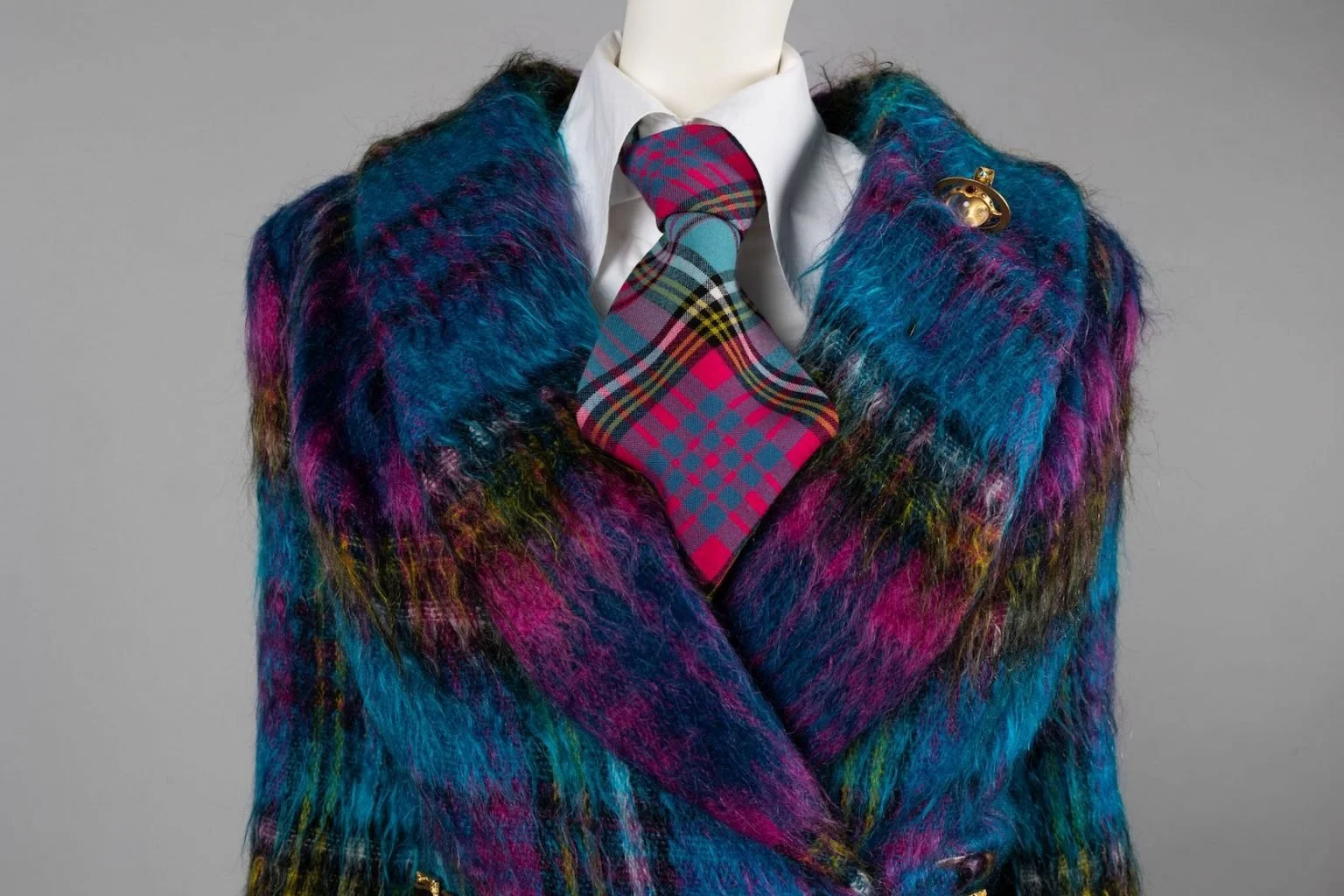
Anglomania
This retrospective is the best argument I’ve seen in years that clothes can still have spine, and a brilliant reminder of the genesis of so many of the more audacious designers coming up via London Fashion Week who gleefully dance in her angular shadow. The exhibition gathers the usual suspects — Sex Pistols tees, Pirate Collection jackets and conical corsets — but it’s the way they’re displayed, given the reverence of a proper museum retrospective in all their backlit glory, that makes them feel alive again. From exhibition stand to exhibition stand, Westwood’s garments noisily whisper: Try to wear me like a normal person, and I will ruin your day.
Couture With Meaning and No Shortage of Attitude
Westwood didn’t dress people; she armed them. Take the Pirate Collection: amid all the breathless swashbuckling hyperbole and new romantic nonsense there were skirts draped like waves, corsets that refuse to bend quietly and sleeves that could take an eye out. Take the now-iconic “Tits” T-shirt from Sex — it’s less a top and more a manifesto, imbued with the weight of snarling 70s subcultural menace. These aren’t just historical curiosities; they’re reminders that clothing can be argumentative, theatrical and subversive, and all in the best way possible.
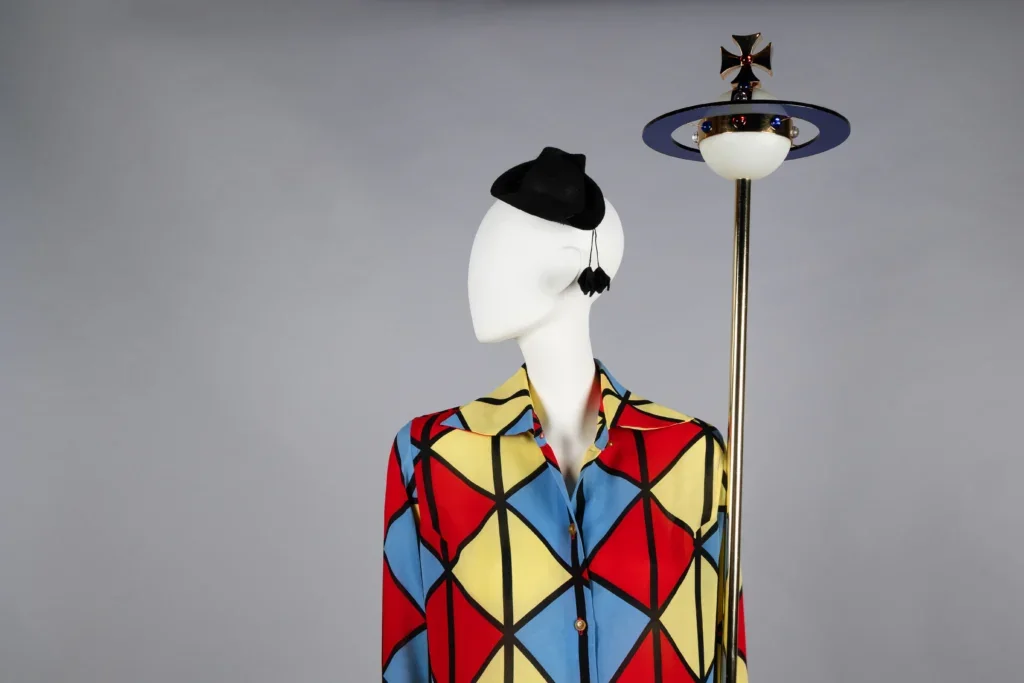
20th Century Iconoclasm
Westwood spent the latter part of her life deeply involved in the heart of the British establishment, but always with the same iconoclastic spirit, and even her Harris Tweed reinventions manage to feel audacious. When punk rock becomes mainstream and the even the royal family are lapping up your wares, what choice do you have but to tear things up from the inside? Rory William Docherty may be bending fabric in London Fashion Week, but Westwood was already twisting tradition into something deliberately uncomfortable, something as monstrous as it is elegant, and something that makes you reconsider what garments are supposed to be or do. It’s effortlessly cool, and still a thrill to witness.
A Museum Full of Quintessentially English Mischief
What makes the Bowes Museum show work isn’t just the clothes themselves, it’s the curation. Some pieces are partially deconstructed, some are pinned in ways that feel accidental and others are paired with sketches and tools — an important reminder of the spindly hands behind the creations, that this has always been about the nature of creation in progress. There’s a sense that the designer might still be in the room, rolling her eyes at anyone trying to treat her work politely.
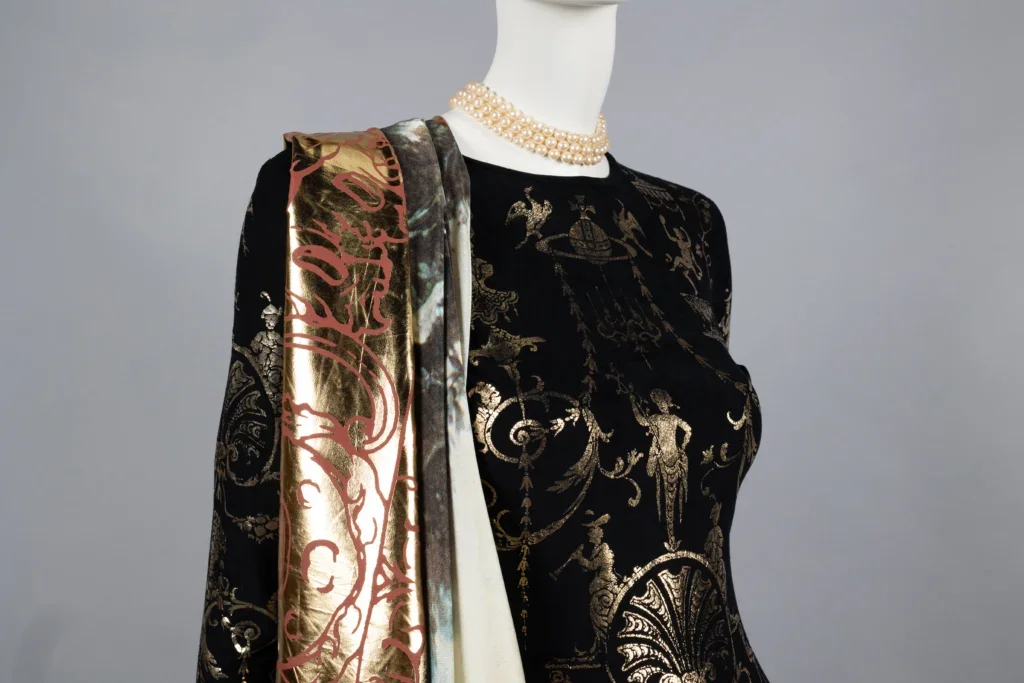
Dangerous elegance
It’s a museum show, yes. But it’s a Vivienne Westwood show, imbued with her wit and rebellious nature. You leave with an impression that Westwood never cared whether her work was liked, only that it was noticed. Often, she wanted it noticed badly enough to provoke a laugh, a gasp or both. Did everything work? No. Has everything aged well? Certainly not. To judge the work on these criteria is to miss the point — Westwood was on a mission to construct a new British cultural and visual identity, and you can’t make an omelette without committing a few murders, as the old saying goes.
The Clothes We Wear Now… and Why They’re Boring
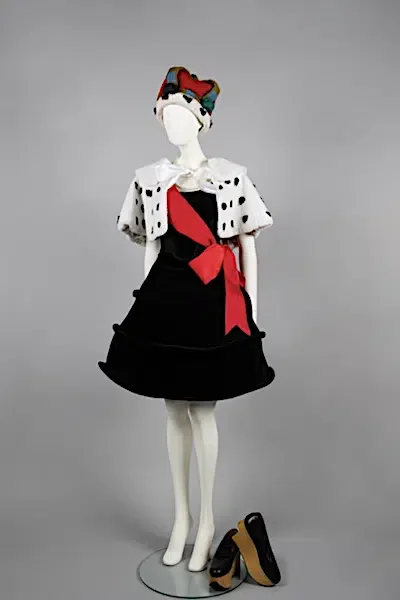
A right royal riot
The real fun begins when we contrast this collection of works with contemporary wardrobes: a landscape where the subcultures have been decimated, old punks now sell butter on TV, and the masses are kitted out in beige, navy and grey. We’ve seen the rise of trainers for every conceivable situation, the reverse revolution in which clothes have become as polite as they are forgettable and invisible. Westwood’s garments aren’t polite. They’re alive, demanding and occasionally preposterous. Whether you think they look good or not is besides the point — they still matter, and that’s what’s important.
Her retrospective reminds us of a simple truth: clothes can (and perhaps should) do a hell of a lot more than cover you. They can frame your day, alter the room and argue with the people around you. They can send a clear signal, seed change and ignite the erotic, the hilarious or the profane. At the very least, they can make your commute slightly more entertaining.
Dressing Again, This Time With Intent
You won’t leave the exhibition wearing a conical corset to the office — and thank goodness for that — but you might start noticing what you could do with your wardrobe if you treated it less like background noise. Maybe a coat that actually matters, a scarf worn with purpose or a shirt that is slightly ridiculous, just because it can be.
Westwood’s legacy isn’t couture, exactly. It’s not even really fashion anymore. It’s attitude, daring, and the occasional bit of chaos. It’s a vital reminder that dressing can be an act, a statement or a performance, even when you’re doing nothing more dramatic than walking through London on a rainy Thursday.
God save the queen.
Vivienne Westwood: Rebel – Storyteller – Visionary is at the Bowes Museum from 28 March to 6 September.
