
15 Best Mod Fashion Brands for Men in 2026
Looking for the best mod clothing brands in 2026? From heritage names such as Fred Perry and Ben Sherman to contemporary labels bringing a modern edge to mod fashion, these are the brands every modernist should know. Whether you're building a classic 1960s-inspired wardrobe or looking for contemporary mod menswear, this guide covers the labels worth wearing now.
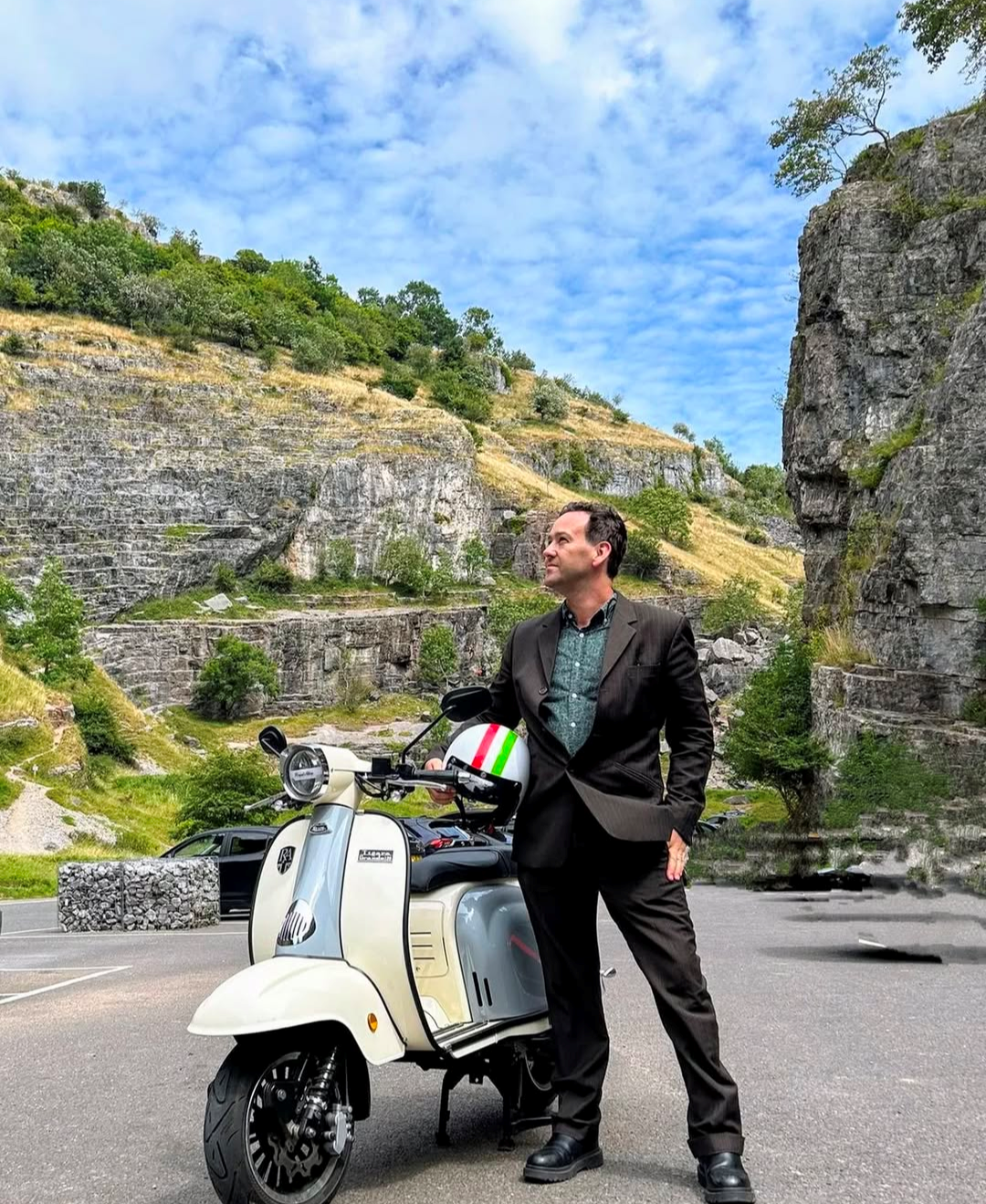
I’m often in a Paul Smith suit astride a scooter
First thing’s first – I am not a mod. I’m far too young to have zipped around Brighton in the 1960s, necking ‘French blues’ and scandalising the locals while studiously doing the twist. However, I’m very much an appreciator of much of the culture that surrounds this most seminal of British youth movements; ever since sitting down and watching Quadrophenia as an impressionable seventeen year old, I’ve loved the music, the three-button suits and enduring sense of style.
I’ve bought more than my fair share of Vespa, Lambretta and Royal Alloy scooters in my time, too. As my wife often says, men don’t really grow up – our toys just get more expensive.
In an age when subcultures have more or less left the scene entirely (or have, at least, shifted into a weird virtual space I’m admittedly too old to really understand), mod’s adoption by the world of fashion and tailoring has been a fascinating phenomenon to behold. Slightly silly haircuts aside, it’s arguably been the subculture to most enduringly influence menswear over the past half-century. It slipped quietly into streets and cafés, in the cut of a blazer or the hem of a trouser. It’s not a costume in the way that punk, goth and all the rest occasionally seem to be; it’s more an exploration of proportion, attitude and movement.
Indeed, mod is a recognition of the balancing point between the retro and the future-forward, of quintessentially British nonchalance and undeniably European sharpness. It matches the vivid optimism of the 1960s with something that stubbornly refuses to fall out of fashion, and it’s become something of a cornerstone for a handful of menswear brands that, quite simply, still get it.
Let’s take a closer look at the best of the bunch.
1. Pretty Green
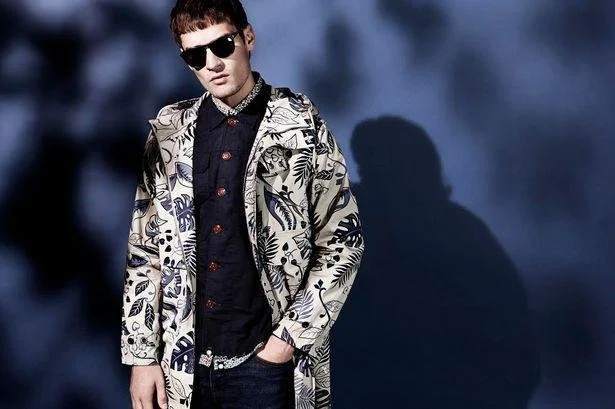
Retro appeal, Pretty Green
Look, anyone who knows me well understands that I was never an Oasis fan. I was on the ground for the war between Blur and Oasis, and I saw first-hand how the victories always belonged to Pulp, Suede and the Manic Street Preachers. However, credit where credit’s due: Liam Gallagher’s fashion label Pretty Green is a perennial staple in my wardrobe, in no small part due to the fact – thankfully – that none of the clothing in his line really looks like anything he’d really wear.
Pretty Green is all about nodding to the 60s without looking like a lame tribute band. It deals in well-crafted jackets and overcoats, shirts which explore paisley patterns which pair very well indeed with a sharp suit without looking ridiculous, and some of the most underrated lines of chelsea boots out there on the market. Make no mistake, this isn’t fine tailoring – it’s very much in the realm of elegant casualwear – but it’s done with real panache and a nod to those who know.
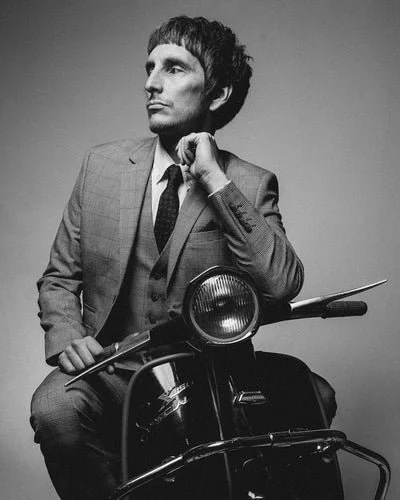
Teenage dreams, so hard to beat
2. Lambretta Clothing
While I was unabashedly impressed with Vespa’s recent capsule collection, I don’t think anyone would argue against the fact that Lambretta has won the fashion battle between the primary mod motorcycle brands (the less we say about their scooters in the past twenty years the better). I already own a couple of Lambretta suits, which are perfect for mooching around town or riding in, and their shirts and knitwear succeed in carrying the history of the brand without looking too obviously nostalgic.
A lot of Lambretta’s appeal lies in their wholehearted adoption of the labels mod heritage – they’ve made the iconic bullseye logo (beloved by The Who, The Jam and more) their own. In fact, I’m wearing a Lambretta bullseye T-shirt while writing this article. Their jackets move with the wearer, their parkas remain effortlessly cool – all in all, it’s the kind of clothing that possesses a quiet authority and vibe I’m always going to be drawn to.
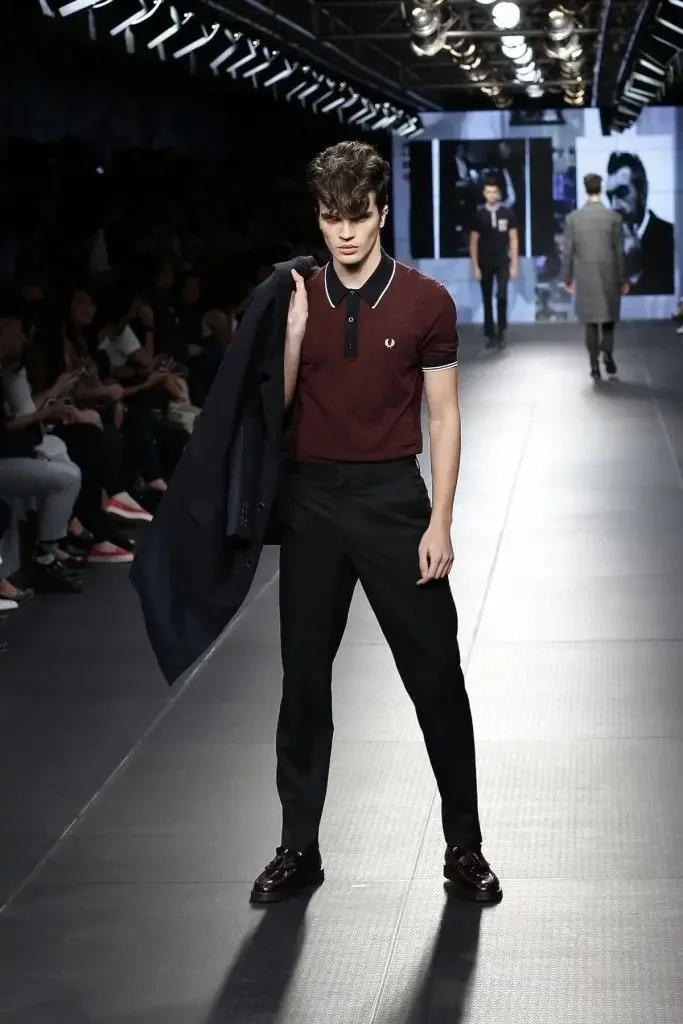
Timeless classics worth revisiting, Fred Perry
3. Fred Perry
The twin-tipped polo is almost shorthand for mod style, and Fred Perry still does it properly. Slim but comfortable, structured collar, precise fit. Worn under a Harrington, it just works. Now, I’m more than aware of the fact that Fred Perry’s public image has suffered a bit over the years due to its adoption by some slightly unsavoury subcultures, but I – like many others – would love to see this reversed, as it inevitably will be. For those in the UK of a certain age, we’ve seen this before; I remember very well seeing signs at nightclub doors proclaiming ‘No trainers, no Burberry’ due to that particular heritage brand’s connection with a certain sector of society, so there’s no reason why Fred Perry can’t overcome the negativity in a similar way.
After all, Fred Perry polos and footwear are fantastically made, effortlessly stylish and the kind of homegrown example of excellence we should all be celebrating. As a brand, it doesn’t ask for attention; it simply holds its own in a crowd with understated finesse, whether you’re at a café in Notting Hill or navigating early-morning streets on two wheels.
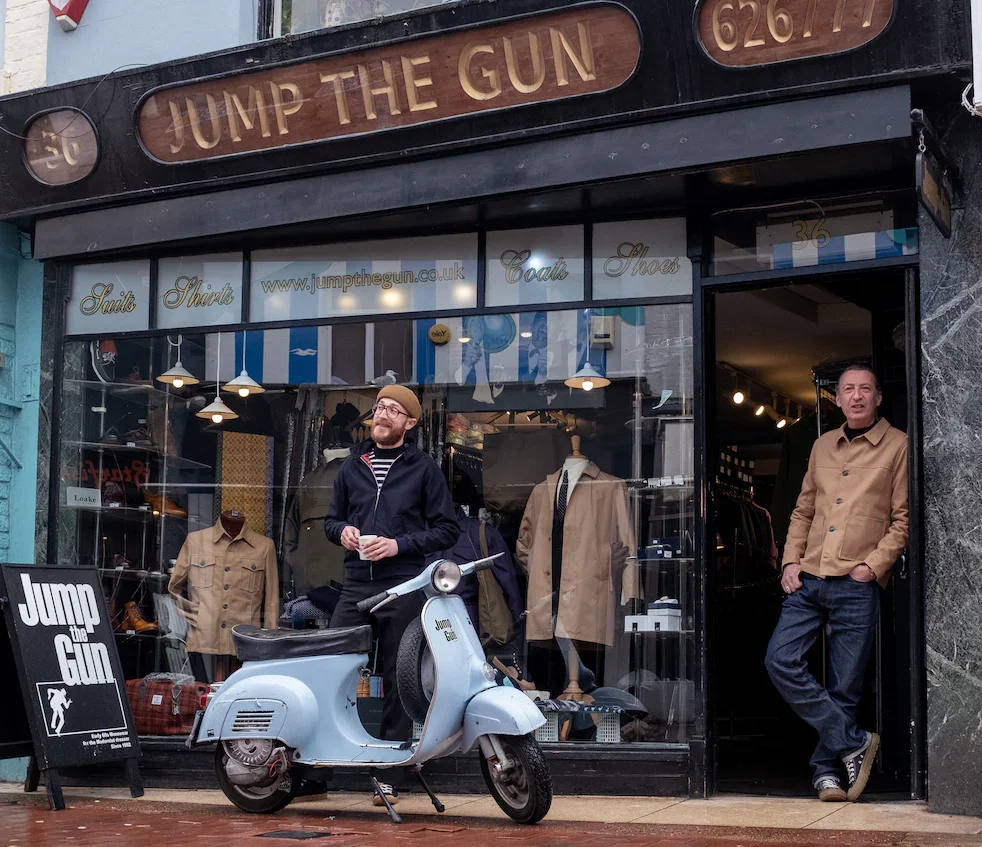
Ferociously independent menswear, Jump The Gun
4. Jump The Gun
Mod culture, at its best, is all about celebrating affordable British tailoring undertaken by ferociously independent brands. Brighton’s Jump The Gun is probably the quintessential example of this – it’s a tiny operation with a massive and fervent fanbase, and it’s held its own across the decades as a result of producing timeless classics with superior fabrics, patterns and approaches to unique and head-turning menswear. What’s not to love about that?
Jump The Gun takes the mod aesthetic a little closer to its Brighton roots, but in a way that fits modern menswear. Slim suits, narrow lapels, trim jackets – the small and dedicated team deliver all with a clarity that feels deliberate and looks great. I’ve paired many a beautiful shirt from them with Chelsea boots and my ever-present black jeans, and their clothing always manages to strike that balance between homage and right here, right now.
5. Baracuta
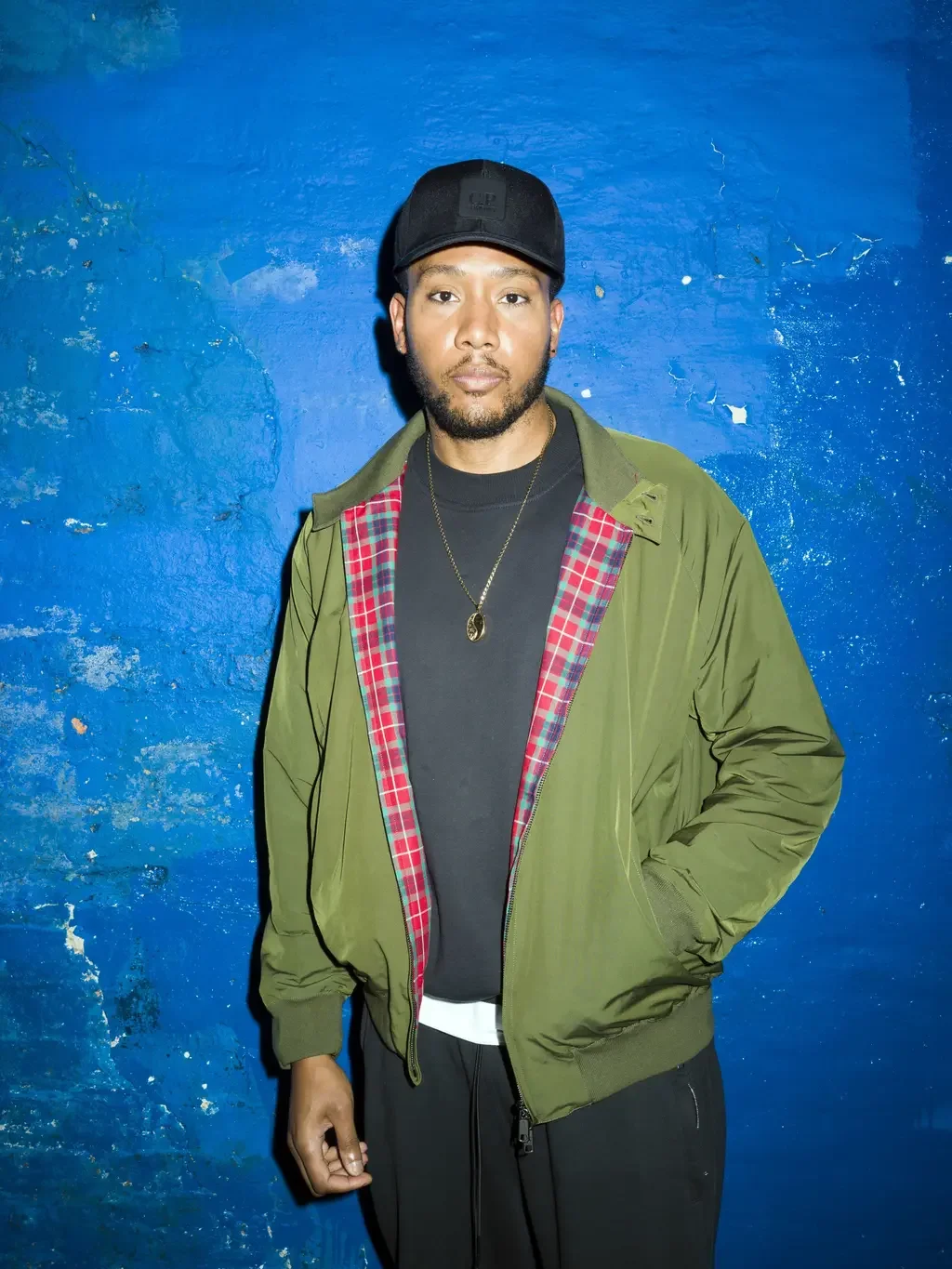
Harrington G9 — If it’s good enough for James Dean…
Besides the parka, the other calling card of mod outerwear is undoubtedly the Harrington jacket. Indeed, the G9 Harrington is the jacket most people associate with mod, and with good reason – it’s an item which pairs style with substance, capable of weathering the British climate from the seat of your Vespa PX while still looking great.
Baracuta have built their empire on such items, and they’ve perfected the look across generations of precision. Waist-length, ribbed hem, structured collar – the shape hasn’t really changed, simply because it hasn’t needed to. I’ve thrown mine over denim, wool trousers, and even a light suit on a damp Bristol afternoon. It moves with you, rides the edge of heritage and practicality, and somehow still feels modern. No wonder new iterations have been produced by everyone from Burberry to Dunlop, keen to get in on the look.
6. Paul Smith
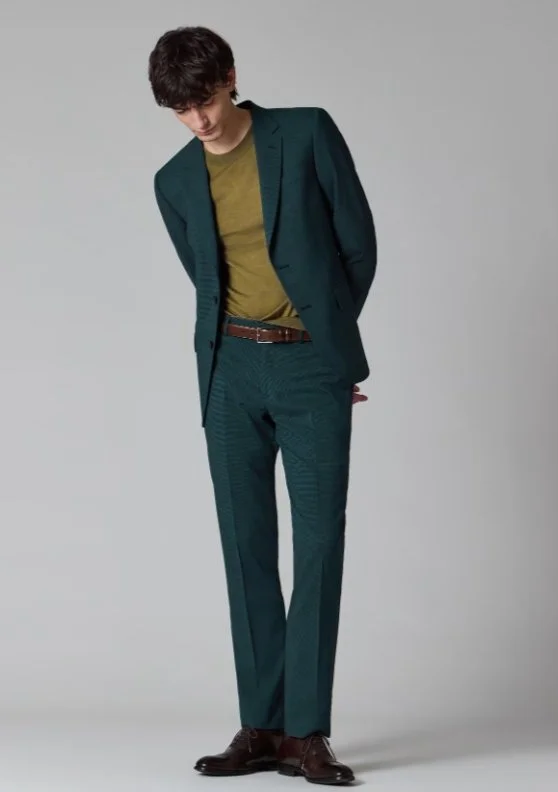
Paul Smith The Soho Suit. Effortlessly Cool.
Is Paul Smith mod? Probably not, but mainly because Paul Smith has never been one to follow trends or attach himself to any particular movement (and we love him for it all the more). However, mods love Paul Smith suits – there’s something about their pairing of subtle playfulness, retro-influenced linings and timeless cuts that work well with the modernist ethos. I make no secret of being a massive fan of this celebrated British brand, and own a slightly silly number of Paul Smith suits which are regular rotation.
Take the Soho suit as a prime example of what Paul Smith does best – the cut is slim but not aggressive, shoulders sit clean, the jacket is slightly elongated for a rather louche and comfortable look, and the linings always gives a glimpse of personality without shouting it from the rooftops. Pairing one with Chelsea boots or a soft Oxford shirt keeps it contemporary but unmistakably mod in spirit, if not necessarily in intention. I’ve found that the tailoring translates surprisingly well from the street to shows during London Fashion Week AW, which makes it feel very now without ever trying too hard. Long may he continue.
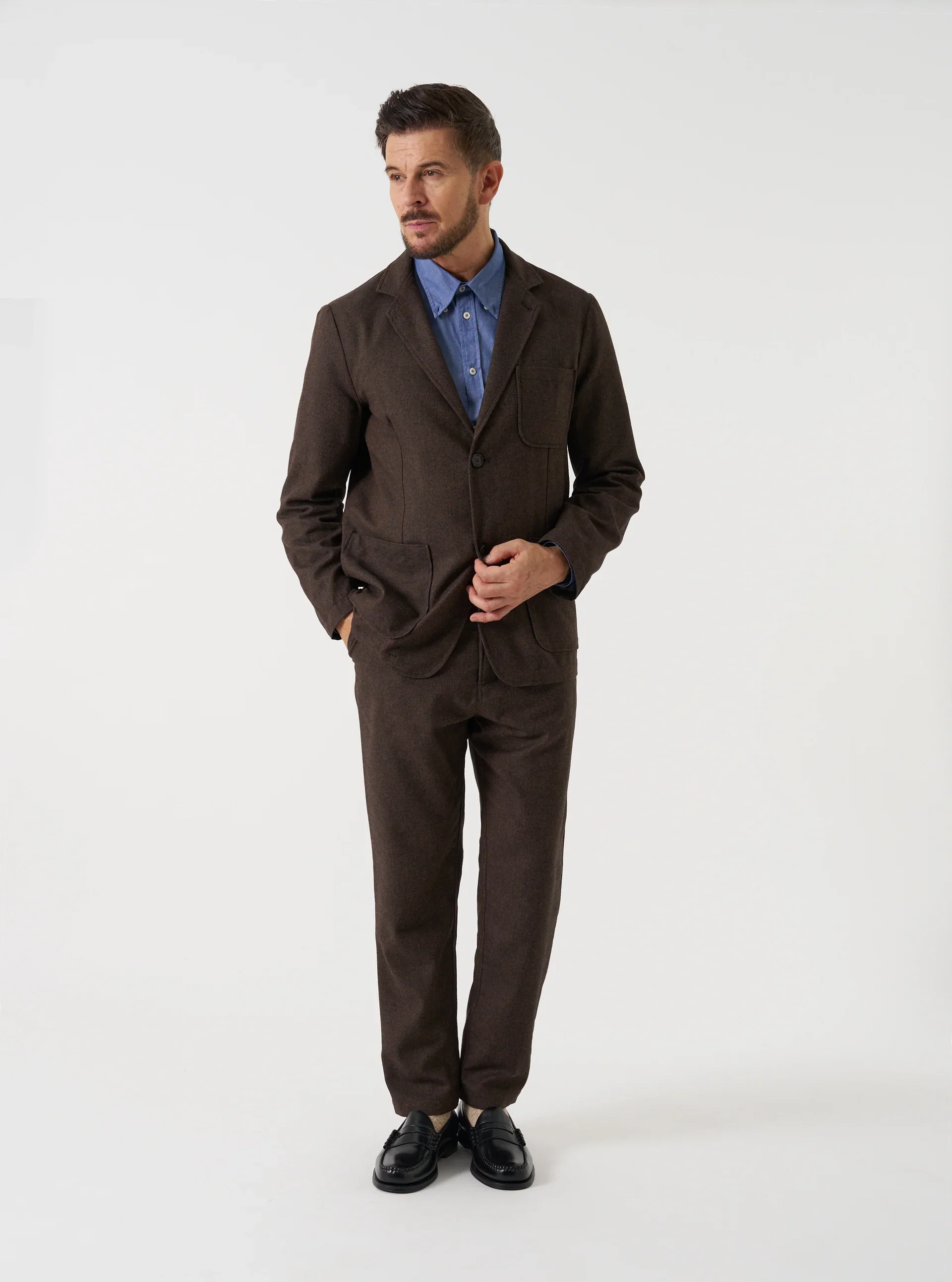
Universal Works’ two-button jacket
7. Universal Works
Modern British menswear with mod spirit
Universal Works isn't a mod brand in any traditional sense, but it captures much of what made the movement compelling in the first place. Founded in Nottingham by David Keyte, the label specialises in honest, beautifully made clothing that blends British workwear, tailoring and contemporary design into something uniquely wearable.
What appeals to me is the brand's emphasis on proportion and practicality. Their chore jackets, relaxed tailoring and textured overshirts don't copy 1960s style, yet they share the same appreciation for clean lines, thoughtful construction and individuality. If the original mods were dressing for the future rather than the past, I suspect many would find plenty to admire here. Universal Works proves that the spirit of modernism still has plenty to say in 2026.
8. Albam
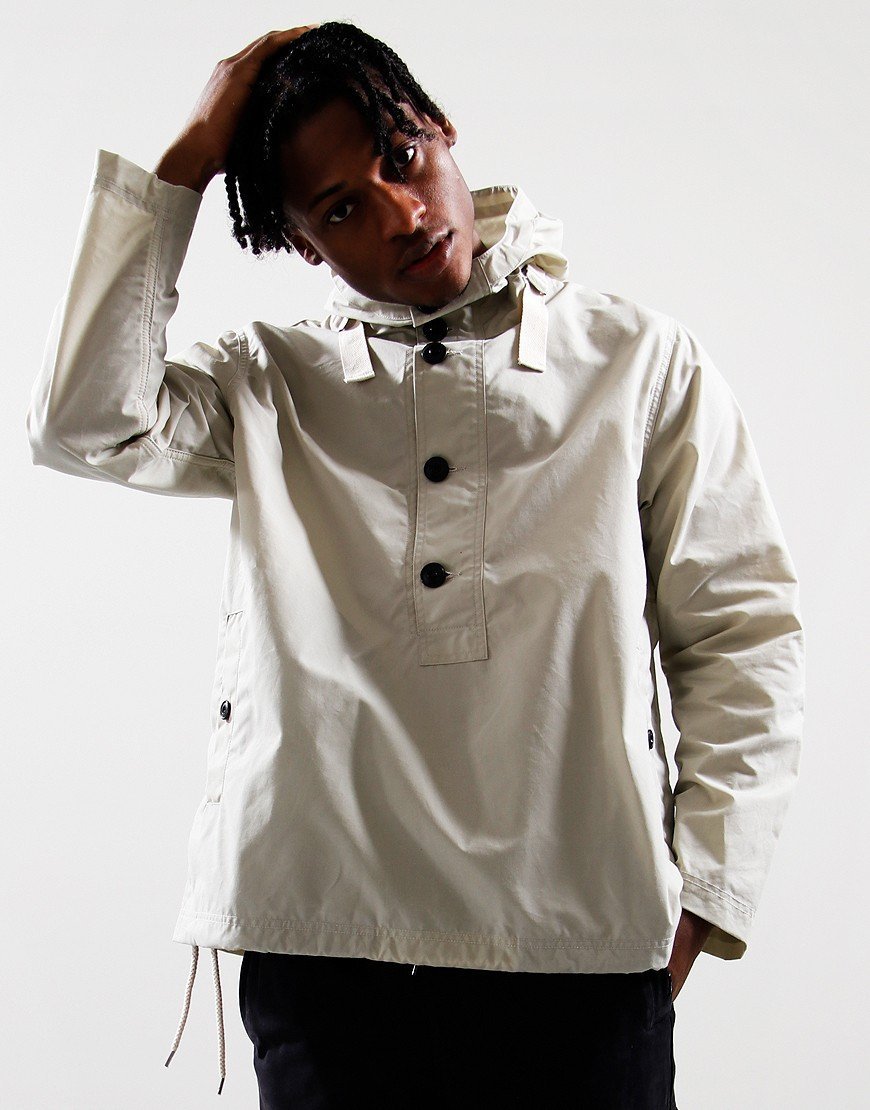
The Albam smock - a modernist staple
Albam doesn’t scream mod, which is exactly why it works. Their iconic smocks, overshirts, structured trousers, and outerwear fit naturally into a wardrobe built around proportion and restraint. The fabrics have texture, the cuts feel precise, and the pieces slot in without ever calling attention to themselves. For anyone who likes subtlety, this is where mod can feel lived-in rather than performed.
Mod has always been about lines and movement, and it thrives when it’s woven into what you already wear. The Harrington, Chelsea boots, slim tailoring, fine knits, clean shirts – they carry the history but never feel like fancy dress. It’s in the way the clothes sit, the angles they create, the ease with which you move between streets, cafés and late-night galleries. Am I romanticising things a little? Of course I am… but isn’t that the whole point of falling in love with a look?
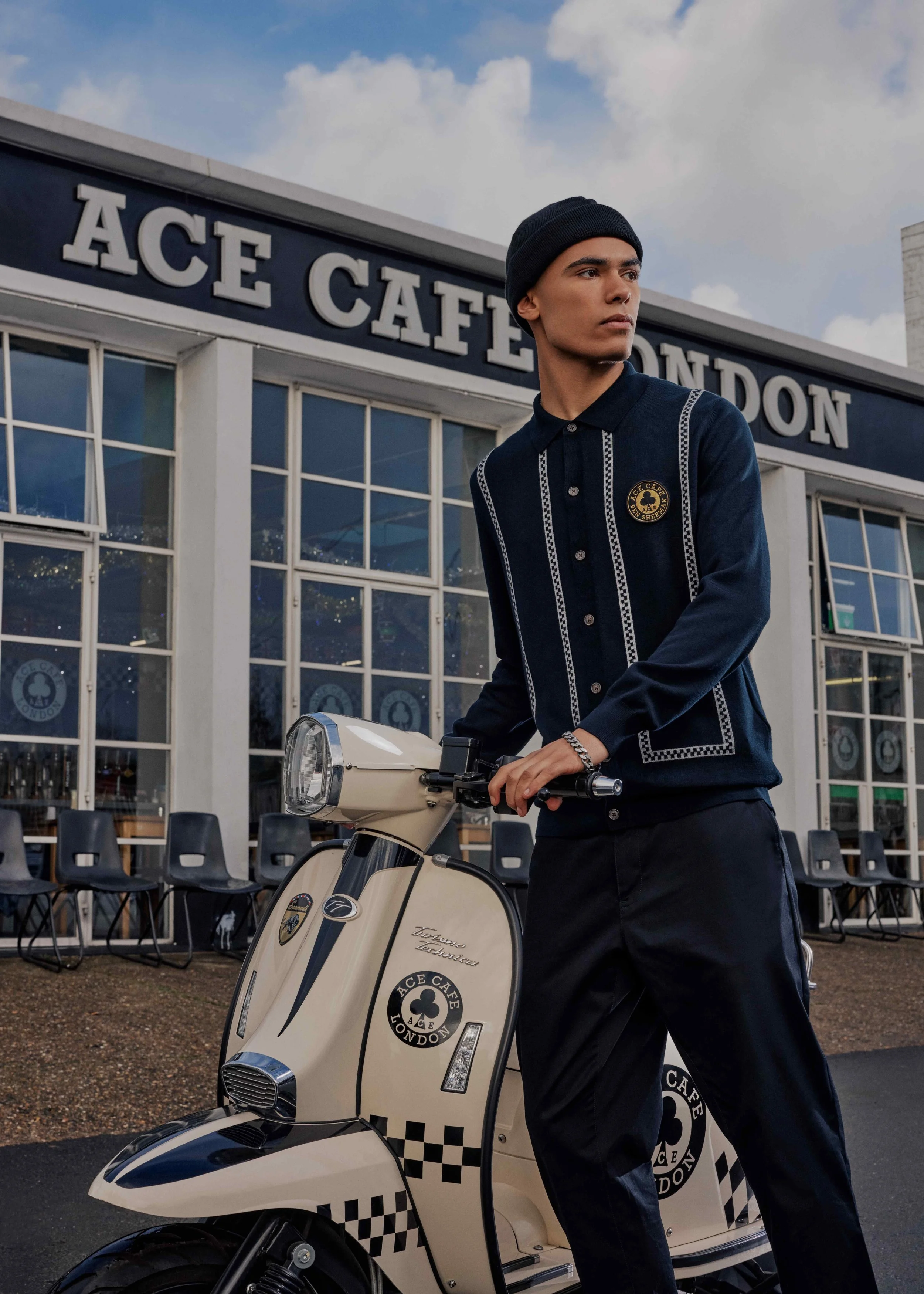
Ben Sherman’s Ace Cafe collaboration
9. Ben Sherman
If Fred Perry provided the polo shirt, Ben Sherman arguably supplied the button-down. Few brands are as deeply woven into the fabric of mod culture, having become a staple of the scene from the 1960s onwards. The formula hasn't changed much because it doesn't need to: crisp Oxford shirts, gingham checks, slim tailoring and clean silhouettes that look just as sharp today as they did sixty years ago.
What I particularly appreciate about Ben Sherman is its accessibility. This isn't rarefied luxury menswear designed for people who spend weekends discussing artisanal selvage denim. It's practical, wearable clothing that quietly elevates a wardrobe. A well-cut Ben Sherman shirt under a Harrington jacket remains one of the most reliable combinations in British menswear, and probably always will be.
10. John Smedley
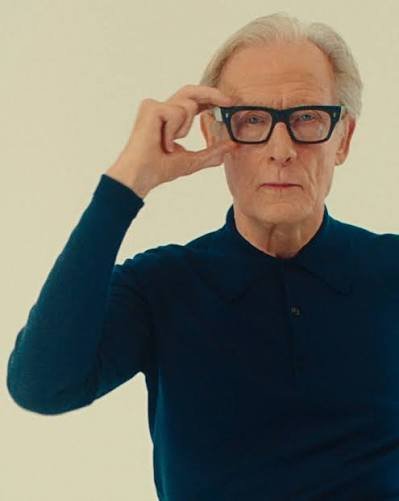
John Smedley merino wool knitwear: a mod classic
No list of mod-inspired menswear would be complete without a nod to John Smedley. Founded in Derbyshire in 1784, the brand's lightweight Merino wool and Sea Island cotton knitwear has been a cornerstone of elegant British style for generations. While it lacks the overt cultural associations of Lambretta or Fred Perry, its rollnecks, polo knits and fine-gauge jumpers sit effortlessly within the modernist wardrobe.
There's something wonderfully understated about John Smedley. A navy rollneck beneath a tailored jacket manages to look both intellectual and impeccably dressed without trying too hard. In an era of oversized logos and attention-seeking fashion, that restrained confidence feels particularly refreshing. Mod style has always been about precision and quality over excess, and John Smedley embodies that philosophy perfectly.
Why Mod Style Still Matters
More than sixty years after the first mods turned British menswear on its head, the movement's influence remains remarkably difficult to escape. From the sharp tailoring of Paul Smith to the understated knitwear of John Smedley and the clean lines of Universal Works, the best mod clothing brands continue to champion the same principles that made the look so enduring in the first place: precision, quality, individuality and a refusal to follow the crowd.
You don't need a Vespa parked outside or a stack of soul records under your arm to appreciate that ethos. In fact, the beauty of mod style in 2026 lies in its subtlety. It's there in the cut of a jacket, the choice of a collar, the confidence of a well-made pair of Chelsea boots. Trends come and go, but great style has a habit of sticking around. Mod, it turns out, was never really about the 1960s at all. It was about dressing for tomorrow.
