
Summer Menswear is Looking South (or, The British Delusion of the Amalfi Coast)
We all know that style moves with the seasons. It always has done and always has to, not least on our gloriously damp little island up here in the north Atlantic. However, there’s a very particular kind of British delusion that arrives every summer, usually around the second consecutive day of sunshine. Suddenly, every pub garden in the country begins behaving as though it overlooks the Mediterranean.
‘The Med’, as in that fabled belt of coastal countries in southern Europe, holds a massive cultural significance to us denizens of the United Kingdom. We long to associate ourselves with its sunny climes, its celebrated nonchalance, its food and wine and women and more. For generations, we’ve collectively denied our own northernliness, as if it’s some kind of badge of deep and lasting shame; an accident of birth, where free-spirited abandonment goes to die in some dark, stiff protestant hinterland.
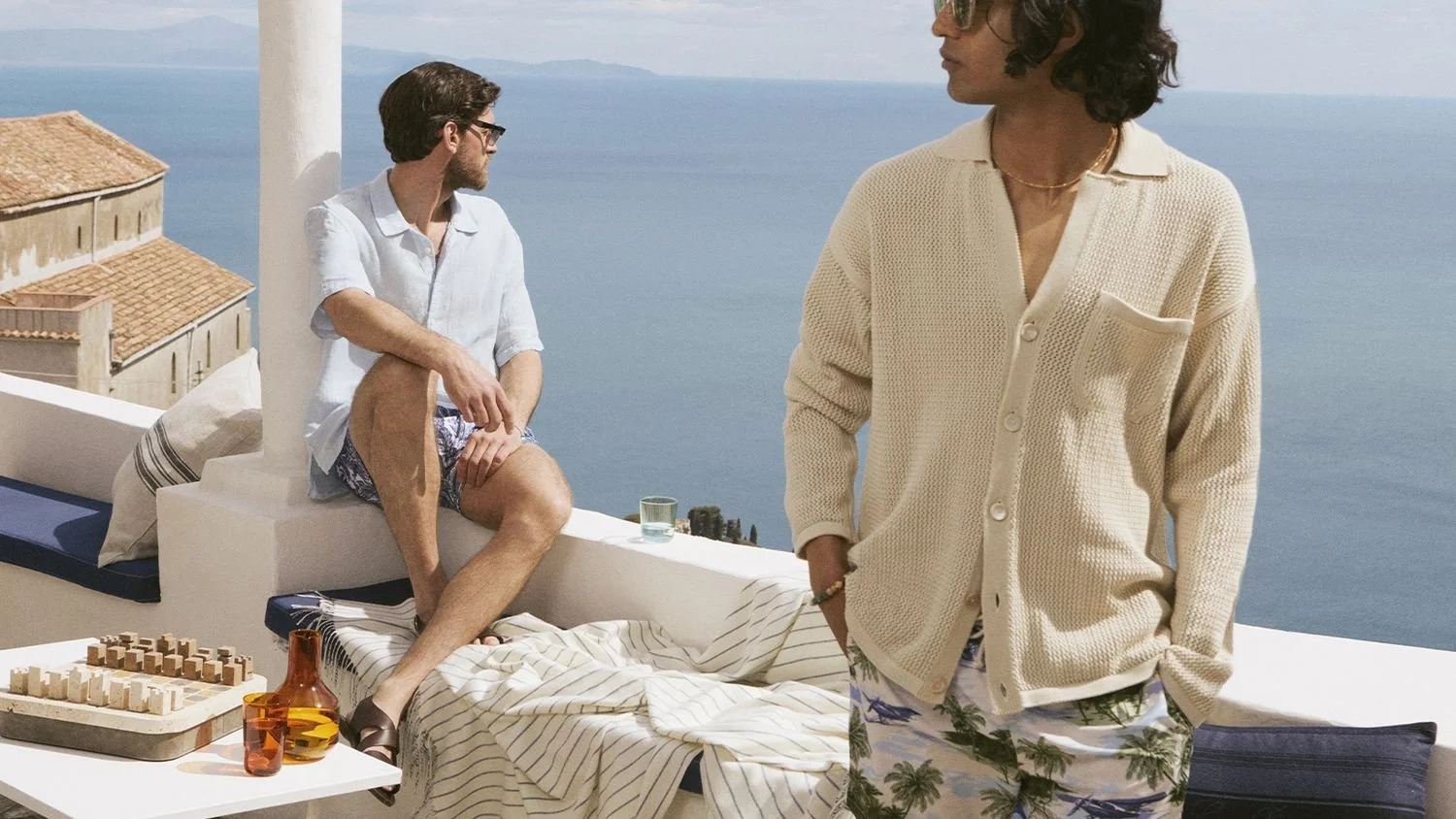
You can’t blame us for romanticising this
Indeed, we’ve always been looking south, and this year it seems as though men’s fashion in particular has its eye firmly fixed on an undeniably Mediterranean swagger. Truth be told, I’m not annoyed about it. However, it needs to be approached with a sense of wit and carefree swagger that’s not always native to our shores.
Regardless, by June, entire social groups in Bristol and London will be drinking spritzes with the quiet confidence of people who have inherited villas along the Amalfi Coast. Someone you know will have bought linen trousers they are profoundly unsuited to and will have developed strong opinions about anchovies, and a profound truth will have become abundantly clear: Summer style in the UK has never really been about practicality but rather about aspiration, which is what Mediterranean fashion influences this far north are really all about. This year (and possibly more than ever), men’s fashion seems obsessed with that particular fantasy.
The Return of Relaxed Elegance
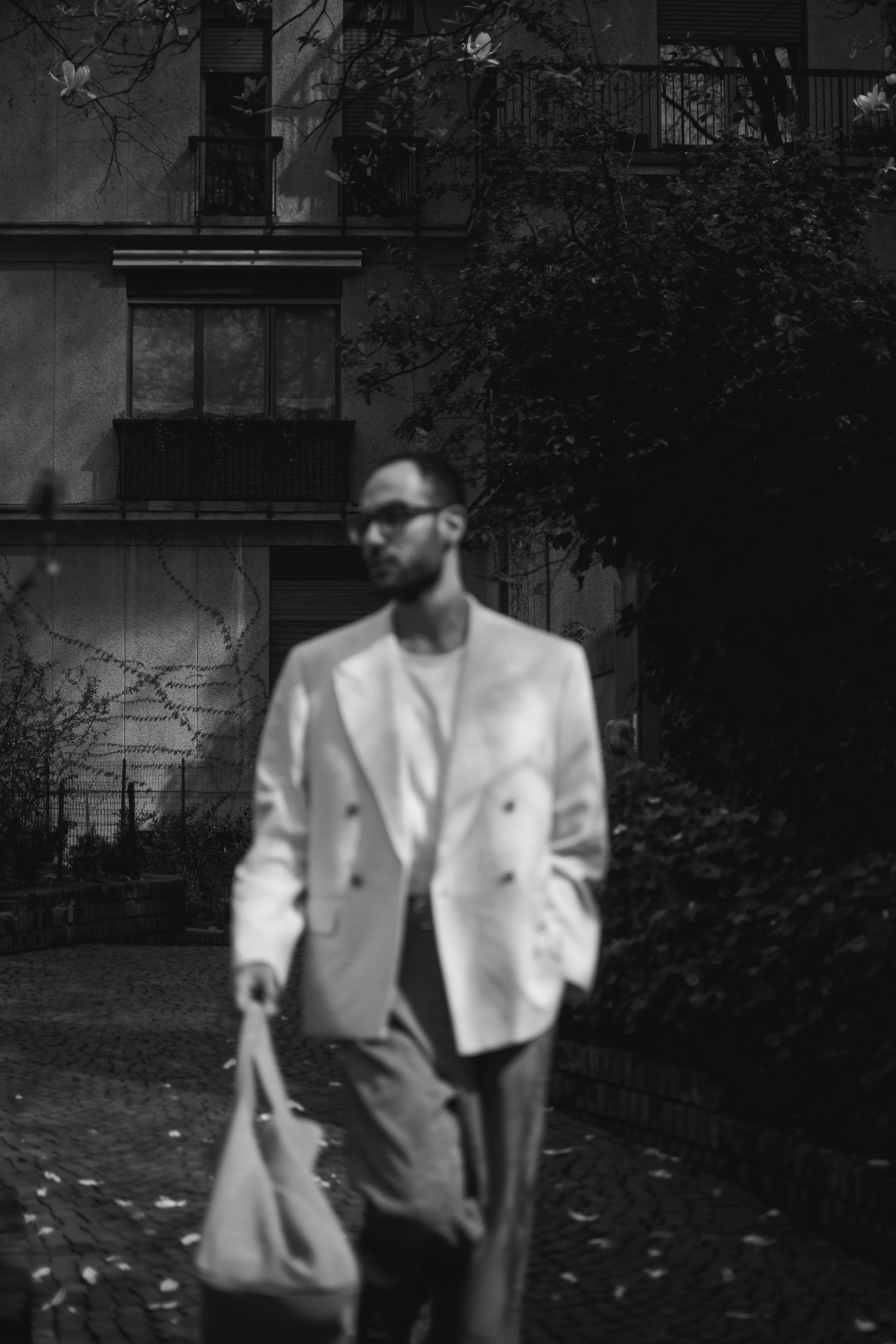
Effortless, even when out of focus
For years, summer menswear in Britain sat somewhere between festival survivor and startup founder on annual leave. It’s not always been a pretty sight, and an injection of Italian or southern French style – where lines are softer, there’s no fear of romance and actually giving a toss about what you put on when the mercury is rising – makes a real and lasting difference.
We’re seeing relaxed tailoring, loose linen shirting and wide-cut trousers becoming both more commonplace and less awkwardly worn; the goal isn’t to look as though you’re on a yacht you can’t afford, and more like you’re perfectly at home in a tasteful coastal town.
Ultimately, it’s about not looking polished, but embracing the kind of Mediterranean staples that speak of an almost accidental stylishness. We’re talking drawstring linen trousers that actually have a bit of form to them (and don’t look as though you’ve got a hacky sack tucked into a pocket), striped shirts and light, knitted polos, suede loafers, breathable suits worn casually, looser shirts in neutral colours and a total abandonment of any obviously branded t-shirts.
Even the colour palette has become distinctly European. Butter yellow, washed terracotta, olive green, tobacco, faded blue – there’s nothing too sharp, garish or eager here, and all these subtle colours have the advantage of working well together in almost any combination. It is, after all, about ease and relaxation being central to the style.
Aspiration as Accessory
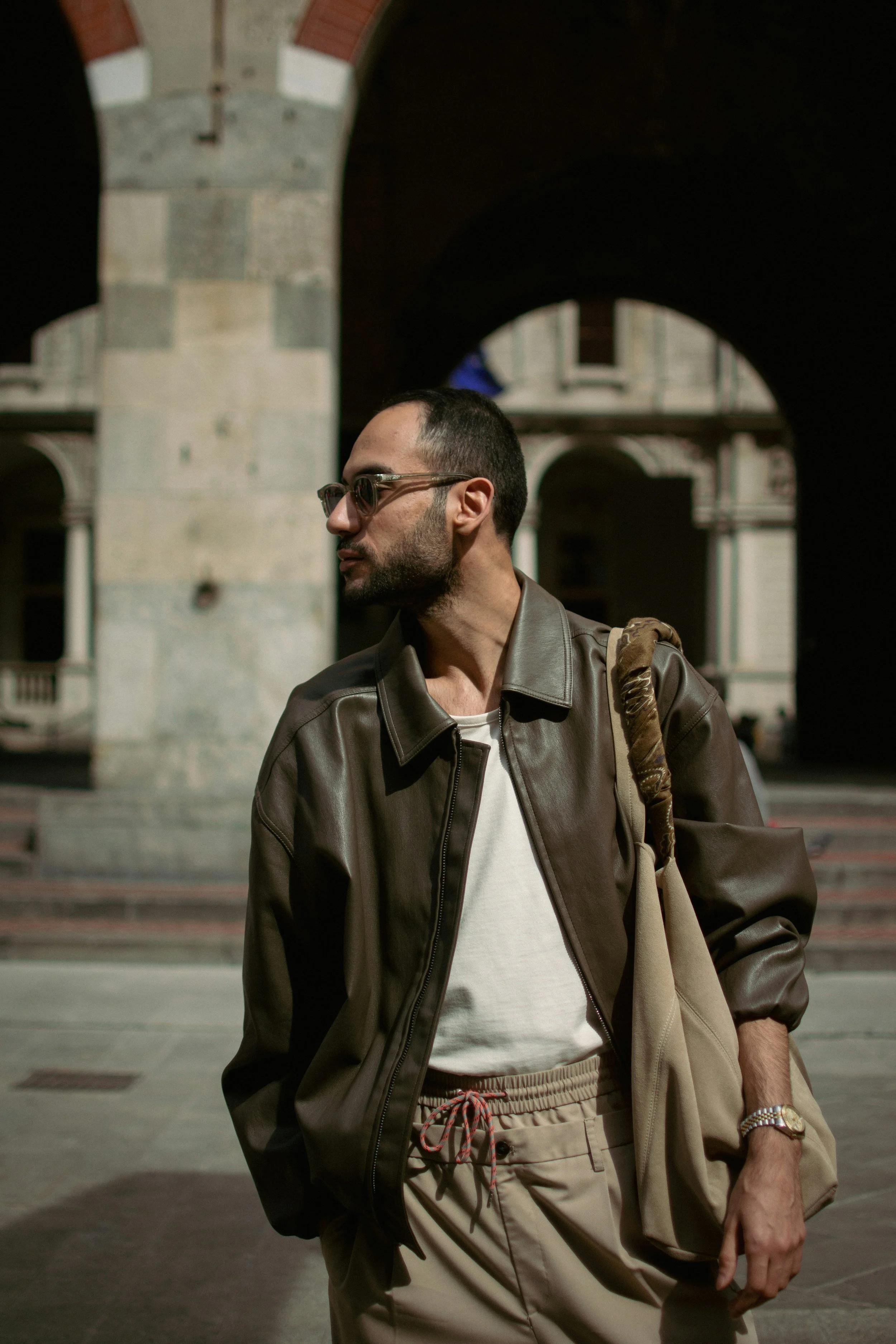
Muted natural tones abound
The Mediterranean dream as fashion vocabulary isn’t exactly something new, but it’s picked up considerable speed this year as a result of no shortage of factors. Casual everyday menswear in the UK has entered a more grown-up, comfortable period – an era in which the typical British male feels increasingly comfortable dressing more artfully, and possibly even more in touch with their feminine side.
Yes, there’s still a long way to go, and I’ll be the first to admit that a lot of my peers still cling to overly structured suits and stiff collars for formal occasions and more or less an entire absence of style for their downtime. But browse the high street in 2026 and you’ll likely notice the subtle shifts in colour palettes towards tones more associated with Palma, Positano and Paros, the rise of looser sleeves and the presence of relaxed suits worn just because, rather than as a form of armour.
Summer style might still be less convincing than winter style, but it is increasingly more optimistic. Men in the UK are starting to dress not for the weather they have, but for an emotional reality they would prefer to inhabit.
The New Summer Luxury is Looking Effortless
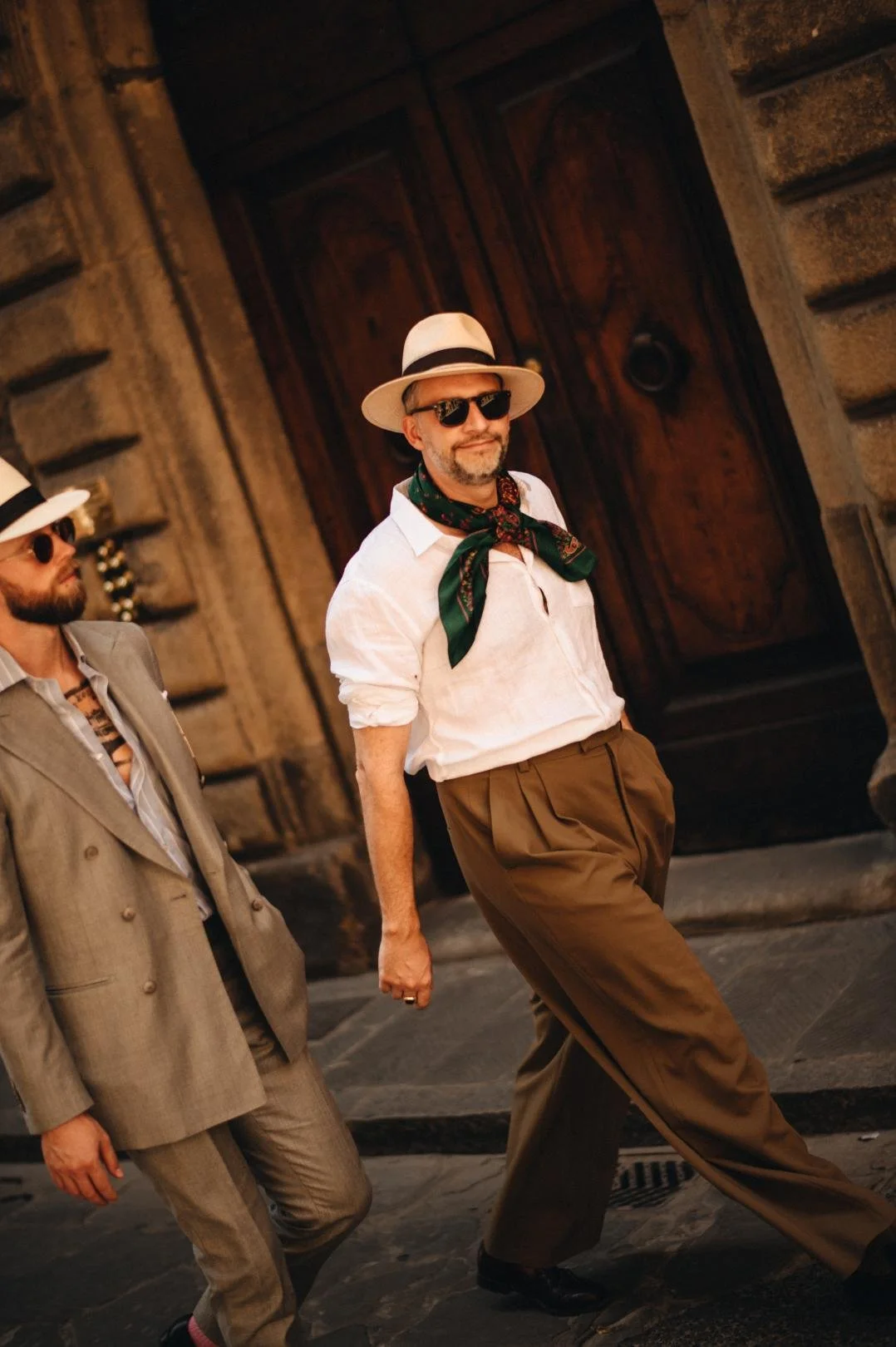
Let’s bring back the flaneur to Britain
What has changed most in recent years – and it’s a genuine cause for celebration – is the rejection of overt luxury branding. The old summer uniform of visible designer logos now feels oddly dated, and it’s been replaced by a more modern aspirational look that is both quieter and far more dependent on texture and fit.
Expensive-looking linen, soft cotton, slightly rumpled tailoring are the choices we’ll see more of as the temperature rises, and these are all clothes that imply confidence rather than demand attention. There’s an irony to that, of course, because for many of us, looking effortless requires rather a lot of effort. However, once the basics are mastered and the confidence barrier is overcome, things have a tendency to only become easier.
If I had to summarise? I’d say the perfect summer men’s outfit in 2026 should appear slightly undone, mildly sun-faded and as though it was packed carelessly into a suitcase bound for Tuscany, even if you are, in reality, heading to a pub beside a ring road with three friends called Josh. Yes, it’s a little performative, but together we can push that dial a little further towards the sunshine and make it feel a little more natural along the way.
After all, beneath the linen shirts and plates of olives, what Britain really craves every summer is not Italy itself, but the possibility Italy represents. We want slower evenings, better conversations and a more sensual version of adulthood (and yes, we want to reverse a particular referendum result, which is possibly what this article has actually been all about) – and that starts with dressing accordingly, even if just for a few weeks every year.
