
Pirr Wines and Why Your Summer Rosé Should Come from the Hills of Alentejo
Alentejo rosé is emerging as one of Europe's most exciting wine styles, as Pirr Wines combines indigenous Portuguese grapes, high-altitude vineyards and Atlantic-cooled terroir to create a sophisticated alternative to traditional Provence rosé.
Every spring, the British luxury lifestyle press descends into an absolute hysteria over Provençal rosé. It's relentless and as uninspiringly predictable as the inevitable downpour during a British barbecue – each May, we are collectively treated to a relentless, pastel-hued avalanche of marketing campaigns suggesting that unless a wine is a pale, translucent salmon pink and bottled within a short drive of Saint-Tropez, it isn’t fit for an alfresco table.
It is exactly this kind of dull, corporate monopoly that has turned summer drinking into a uniform exercise of unimaginative bottle buying, and the English have, for far too long, been under the thumb of a southern French oenological totalitarianism. Enough’s enough. After a few seasons of drinking the same crisp but ultimately interchangeable bottles, the palate starts to crave something with actual substance.
Celebrating Portuguese Produce
The antidote to this clinical boredom isn't found by looking to the traditional giants of France or Italy, but by setting your sights firmly on Portugal. For decades, the UK wine market treated Portugal with a sort of affectionate condescension, associating it almost exclusively with cheap, fizzy tavern whites or the heavy, winter-bound indulgence of vintage Port.

Less Provencal politeness, more Iberian bombast. Please.
That ignorance began to shatter a fair few years ago, but the scene has taken its time to really pick up steam. Thankfully, savvy British wine fans are waking up to the reality that Portugal is currently home to some of the most thrilling, expressive, and fiercely independent winemaking in Europe. This really shouldn't be a surprise; Portugal is a nation blessed with an astonishing wealth of indigenous grape varieties and a culture that actively resists mass-market homogenisation. Indeed, when you buy an artisanal Portuguese bottle, you are paying for heritage, ancient vines, small cooperatives driven for centuries by vision and a commitment to liquid craft… and most definitely not the inflated real estate prices of the Côte d'Azur.
Pirr Wines: The Cure for the Common Rosé
A spectacular case in point is Pirr Wines, a boutique producer quietly shaking up the sun-drenched landscape of the southern Alentejo.
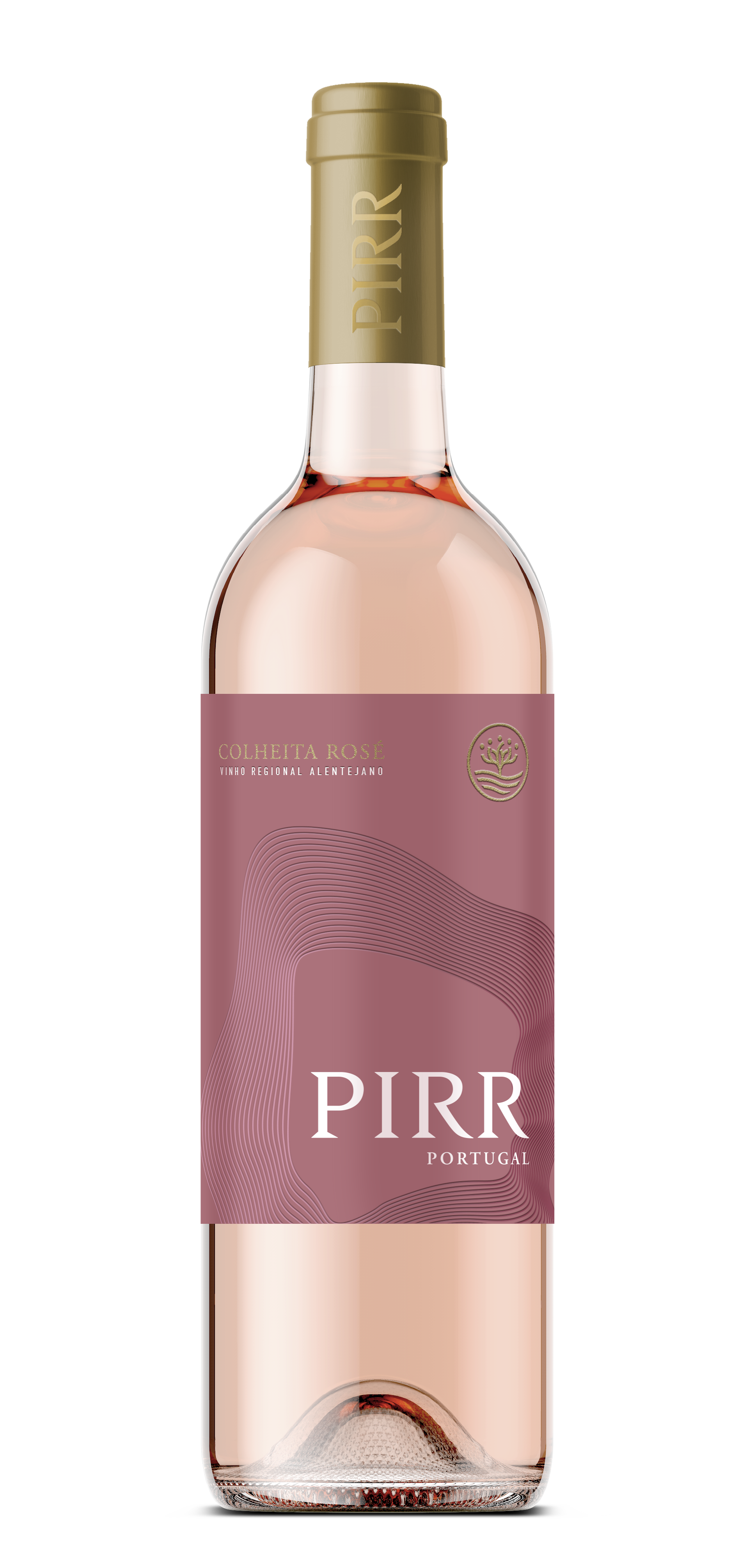
Pirr Colheita Rosé: A masterful blend
The family behind the estate has a backstory of movement and change that reflects Portugal's own intrepid history, spanning from 18th-century Britain through to India and Africa, before finally putting down roots in the rustic, tranquil hills of Almodôvar. Alongside a skilled local community, they have spent the last decade breathing life back into ancient, elemental farming ground that had lain untended since the mid-1400s.
Their newly released Pirr Colheita Rosé is a masterclass in why this region deserves your attention. On paper, the technical composition reads like a beautiful, deliberate middle finger to mainstream rosé conventions. Instead of playing it entirely safe with standard local fruit, the winemakers have assembled a blend that shouldn't work, but triumphantly does. We love a winery that's willing to rip up the rulebook in search of perfection, and Pirr’s characterful rosé does it in effortless style.
They have taken the robust, structured backbone of traditional Portuguese red grapes (the venerable big-hitters of Touriga Nacional and Aragonês) and co-fermented them with a pair of cool-climate white varieties you’d normally expect to find in Alsace: Pinot Gris and Gewürztraminer.
The Gewürztraminer is the true wild card here. It injects a brilliant, unexpected layer of exotic aromatics into the glass, offering up delicate floral undertones and a whisper of tropical fruit without ever allowing the wine to tip into cloying, artificial sweetness. It is a really rather clever and (dare we say it?) avant-garde bit of blending; one that elevates the bottle from a simple garden-party sipper into a serious, complex, gastronomic wine.
Adjectives aside for a moment. It tastes fantastic.
An Expression of Altitude and Atlantic
To grow such delicate, slow-ripening varieties in a region famous for its baking Mediterranean sun requires a deep understanding of geography. Simply put, to make it work, you've got to climb.
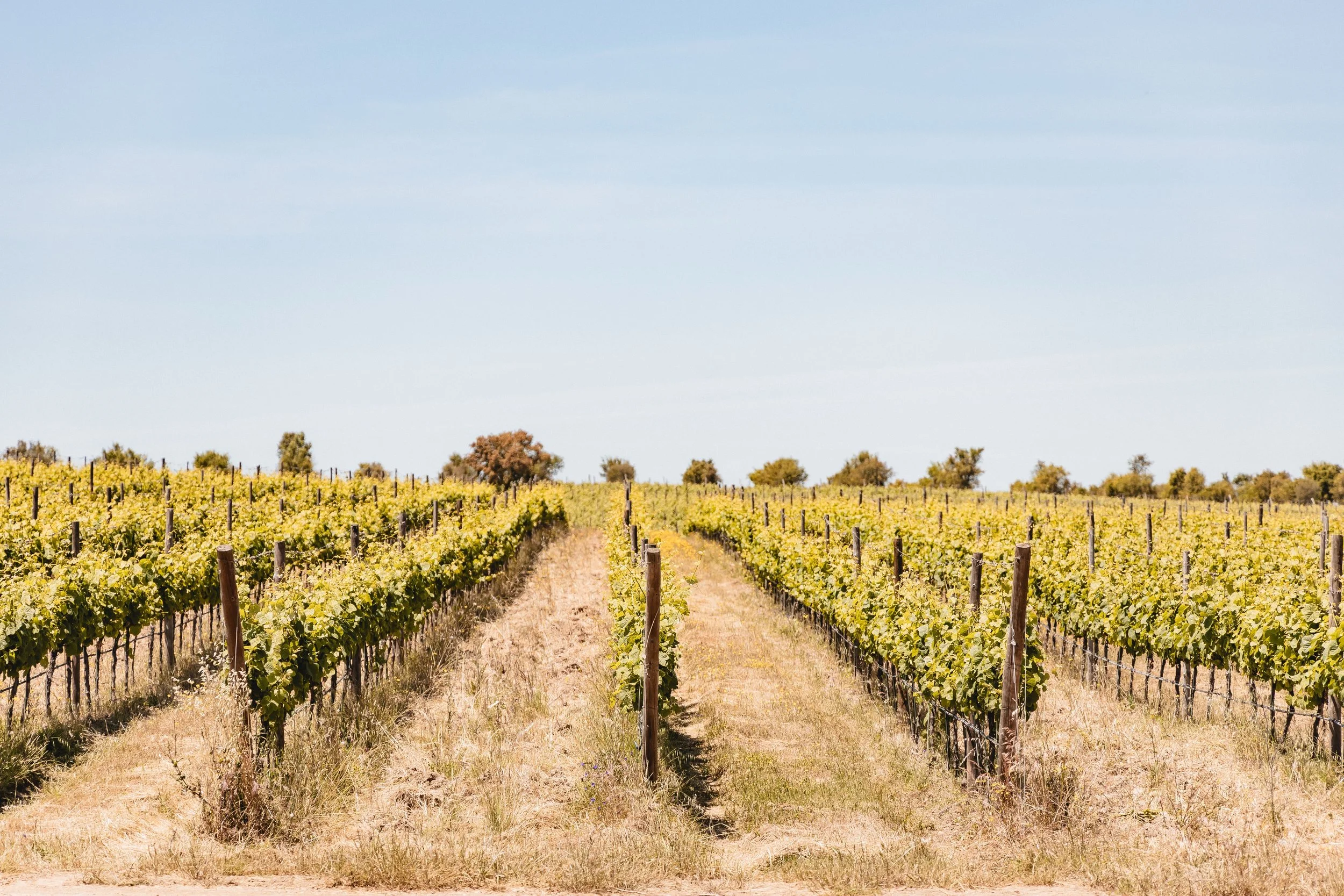
The Pirr estate sits tucked adjacent to the Serra do Caldeirão at roughly 350 meters above sea level, making these some of the highest vineyards in the lower Alentejo. Down in the valleys, the summer heat can be oppressive, but up here, the vines are subjected to a profound thermal shift. Sun-drenched days are followed by sharply crisp, cold nights, all tempered by a steady, cooling breeze blowing directly off the Atlantic. In fact, pirr is an ancient regional word for that exact gentle wind.
The strange magic of soil and stone
Allow me to get a little technical. This dramatic climate forces the vines into a state of "positive stress” that's a key ingredient in the wine’s resulting character. Planted in a rugged bedrock of schist stone, clay and quartz, the roots are forced to drill deep into the subterranean earth in search of water, and the deeper those roots travel, the more intense the minerality they drag back up into the fruit. That geology, enhanced by the rich copper and zinc in the red soil, gives the wine a remarkably clean, saline and refreshing finish that cuts through the fruit notes with razor-sharp precision.
Your Next Summertime Obsession
Retailing at £23.95 and available directly through the Pirr Wines UK shop, this bottle represents exactly what we mean when we talk about accessible luxury. It isn't a cheap supermarket shortcut, nor is it a pretentious, over-priced bottle trading on a famous postcode. Pirr’s offering is an artisanal, small-batch discovery born from a genuine obsession with the land – and it's the kind of wine we can't help but get excited about, especially when the bruising English skies are just starting to spread rumours of an oncoming heatwave.
Pour a glass, pair it with a mountain of fresh seafood, some grilled sardines or just an armchair and the kind of depressing-but-beautiful music you can't get away from in Lisbon’s Fado bars, and thank us later.
Want to read more great wine reviews? Check out our reviews of the best Loire Valley rosé, What are Michelin Grapes, Tenute Venturini Foschi, the best English wineries, Wein am Berg festival and the best wine in Zakynthos.
