
The Master Key: The Best Michelin Key Hotels in the UK
From one-key boutique retreats to three-key country estates, here's everything you need to know about Michelin Key hotels and the best Michelin-rated stays in the UK.
Who’d have thought that a travel booklet published in the 1900s by a tyre company would go on to become the definitive guide to fine dining and hospitality? And yet, here we are. For over a hundred years, a cartoon man made from white rubber rings and looking like a discarded Ghostbusters character has dominated the world of gastronomy, and the Michelin Guide’s place in the public consciousness has never been stronger.
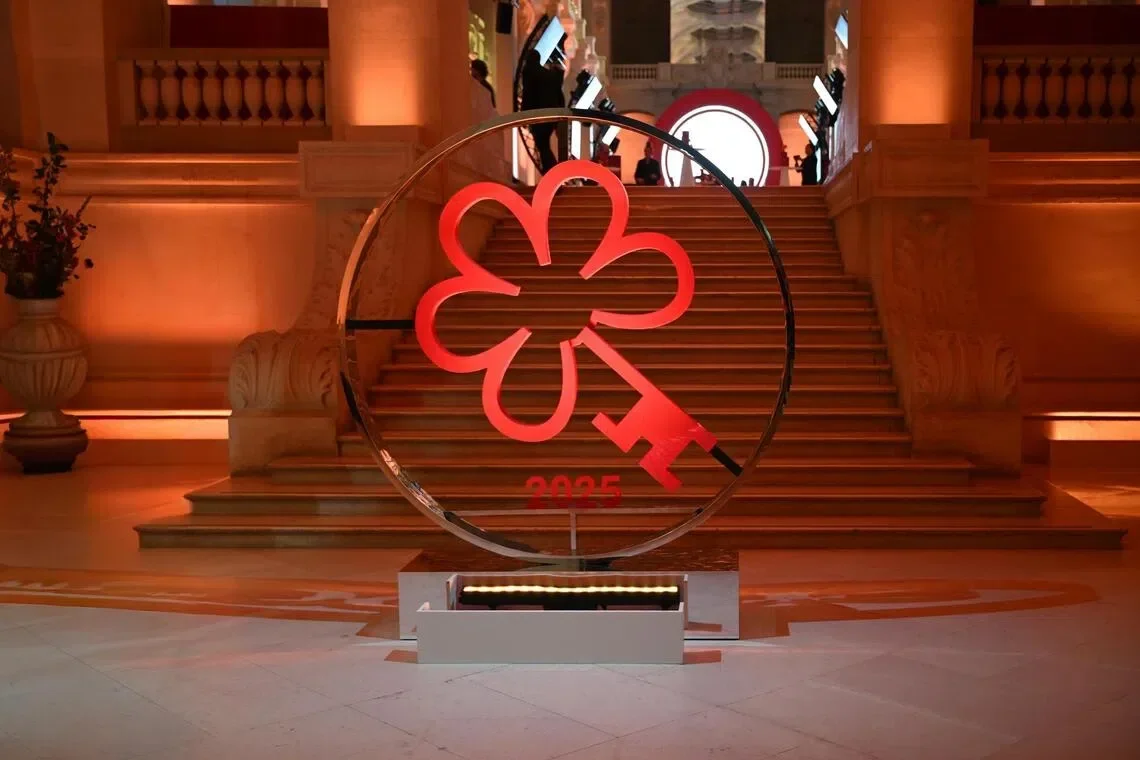
A reliable sign of utmost quality
The fact is, most people in 2026 instinctively understand a Michelin Star. Even if culinary flights of fancy aren’t central to your personal religion, you likely already grasp the signal: it’s a singular, uncompromising marker that tells the world a kitchen has achieved something truly exceptional.
Far fewer people understand Michelin Keys. That’s wholly forgivable: launched in 2024, the Michelin Key is very much a newcomer on the block. However, not paying attention to this marker of quality (and not necessarily price, which is both an important distinction to keep in mind and something we at The Last Concierge take very seriously indeed) is one of the biggest mistakes contemporary travellers can make when seeking out the extraordinary.
What Are Michelin Keys?
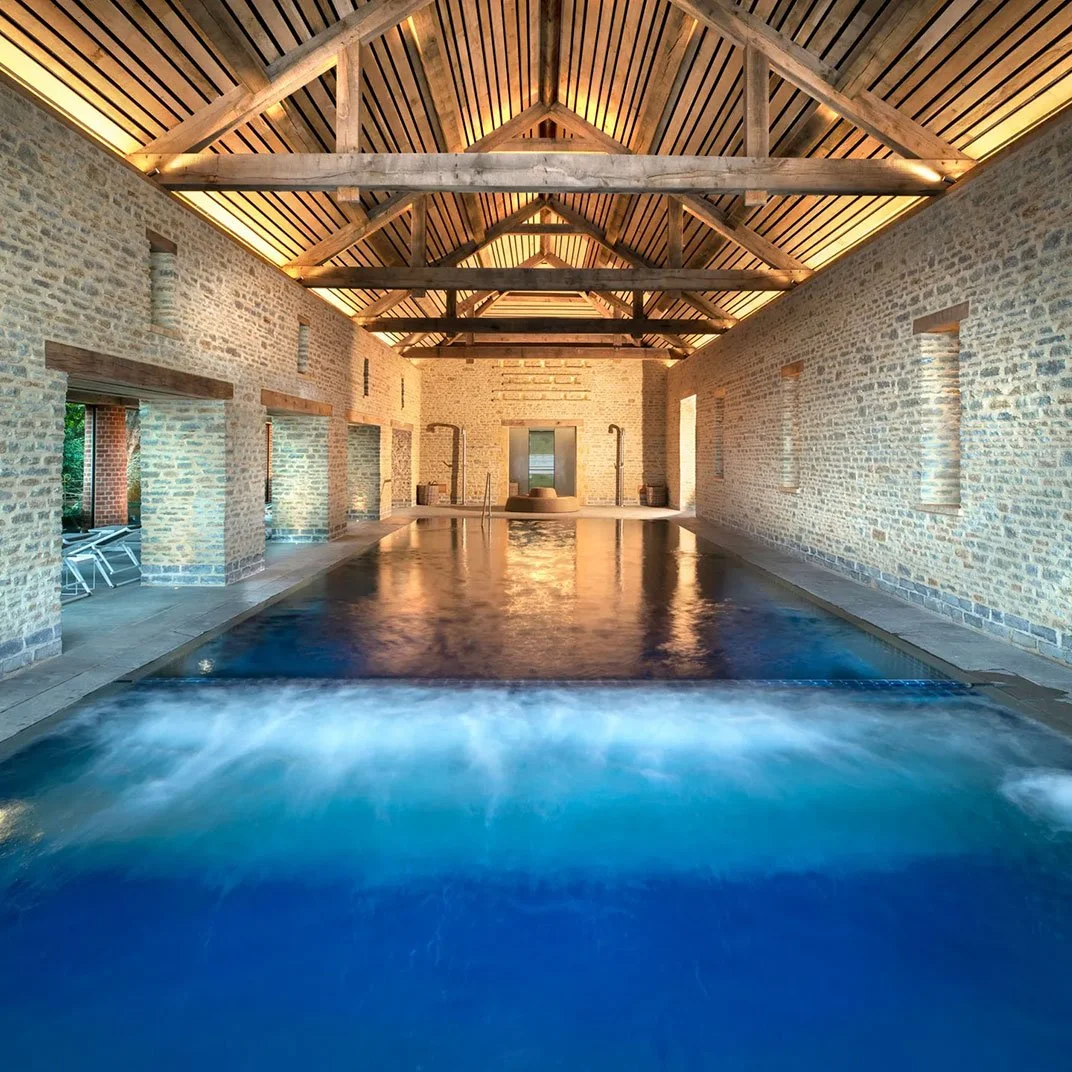
Timeless class at The Newt, three-key hotel in Somerset
The concept behind Michelin Keys is beautifully straightforward, and if you understand the rating system behind its culinary twin, you’re going to get the idea straight away.
The coveted Key plaques are bestowed upon hotels, guesthouses, riads and resorts by a team of meticulous anonymous inspectors who travel across the globe to evaluate properties against a rigorous array of criteria. They’ll look closely at the architecture of the space, the interior design and service consistency. They’ll perform deep dives into the personality of the business and how it contributes to the local area, and they’ll consider the fundamentals of good hospitality such as comfort, memorability and the amenities on offer. Frankly, it’s the job I possibly want more than any other in the world.
As with Michelin Stars, Michelin Keys are split into three categories. One key denotes a “very special” stay. Two keys highlight an “exceptional” destination, and the rare trio of keys are given only to those hotels that represent the absolute, once-in-a-lifetime “extraordinary” standards of excellence.
Why Do Michelin Keys Matter in 2026?
I’m writing this having just come back from a Michelin Key property in Marrakech: the wonderful IZZA, a fourteen-room riad in the heart of the Medina, which was granted the designation a few short months after opening in 2023. It’s a place where the scent of orange blossom from the streets outside is welcomed with open arms, and where the sunlight pours into hidden corners, secret terraces and winding corridors. The food and wine is hyper-local, the sense of affection is universal. Needless to say, I loved it.
Not only this, but IZZA neatly represents what Michelin Keys have been created to promote: it provides characterful, boutique, soulful and utterly unforgettable hospitality – the kind of place that not only cossets its guests in luxurious comfort, but which feels right in its environment, against the backdrop of its own landscape and cultural setting.
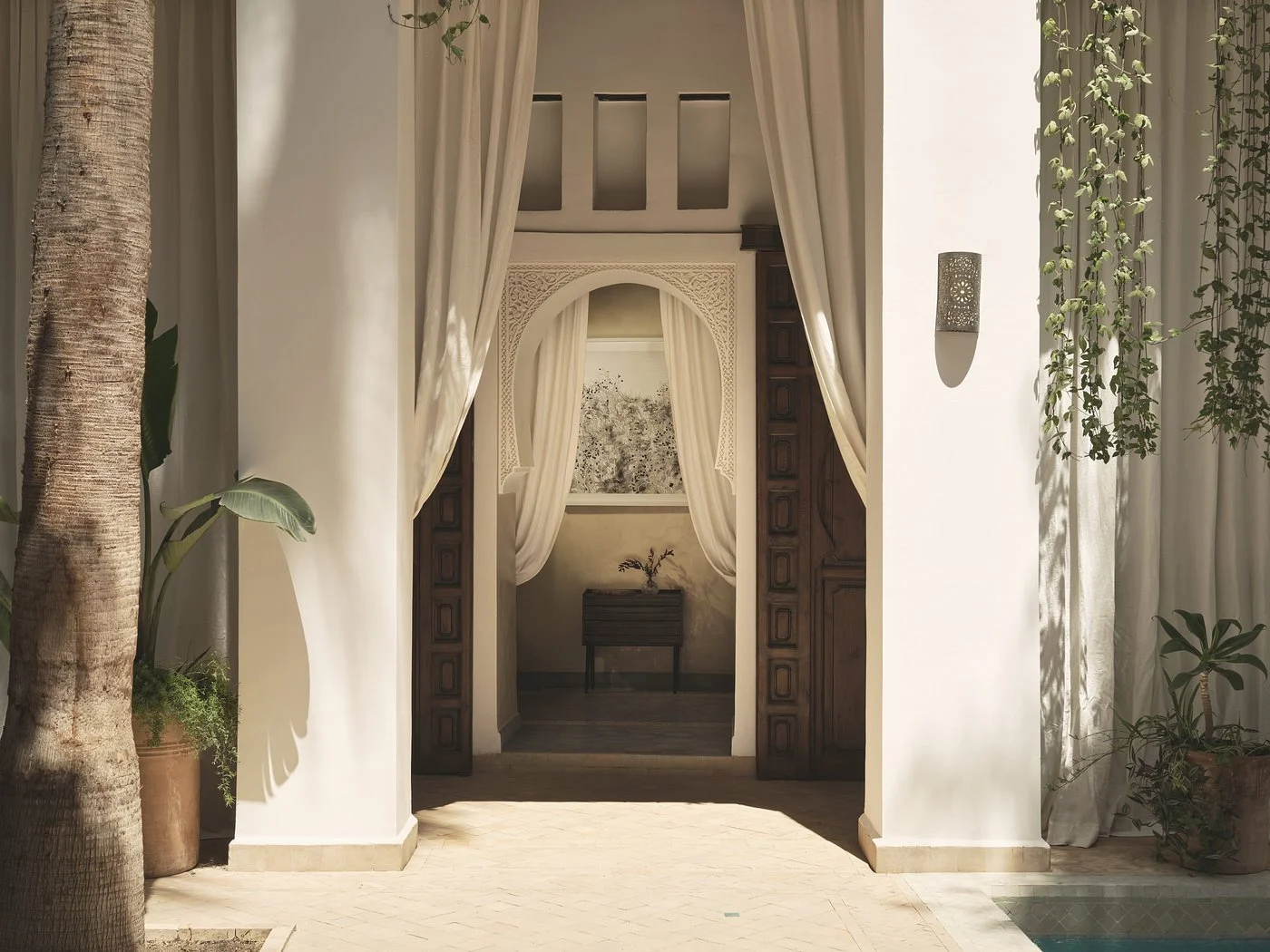
IZZA Marrakech: My new high watermark for boutique hotels
This is important for a number of reasons, but not least because we’ve seen – over and over, and for some time now – how high-end hospitality has grown lazy. The creeping “beigeification” of luxury has resulted into an all-too-familiar scenario: that of checking into a five-star hotel in luxury, falling asleep in a magnolia-painted bedroom and waking up in a daze to discover that the space looks identical to one that might be in Singapore, Dubai, New York or Rome. The same safe abstract art on the walls. The same coffee pods. The same sterile, focus-grouped design cues. It’s Groundhog Day, but with a mini bar featuring gummy bears at £12 a bag.
Expensive-but-soulless has become commonplace in the hotel industry, and luxury has become an exercise in tickboxes and seamless, inoffensive mundanity. This is increasingly feeling out of step with the desires of the discerning traveller of today; they’re not just looking for a high thread count and a pillow menu, they are chasing a genuine sense of place. They want privacy that crackles with personality, consistency that exudes character, and the distinct feeling that a property has been created with intentional soul rather than a corporate style guide. This is exactly why the Michelin Key system matters. It acts as an elite filter, completely bypassing the corporate copy-cats to reward properties that possess an actual, living identity.
If you’re ready to ditch the monotonous luxury chains and discover where to actually spend your weekends, here are six Michelin Key hotels across the UK that are genuinely worth the journey. Pack your bags, and set your standards to stun.
The Newt in Somerset (Three Keys)
Location: Bruton, Somerset
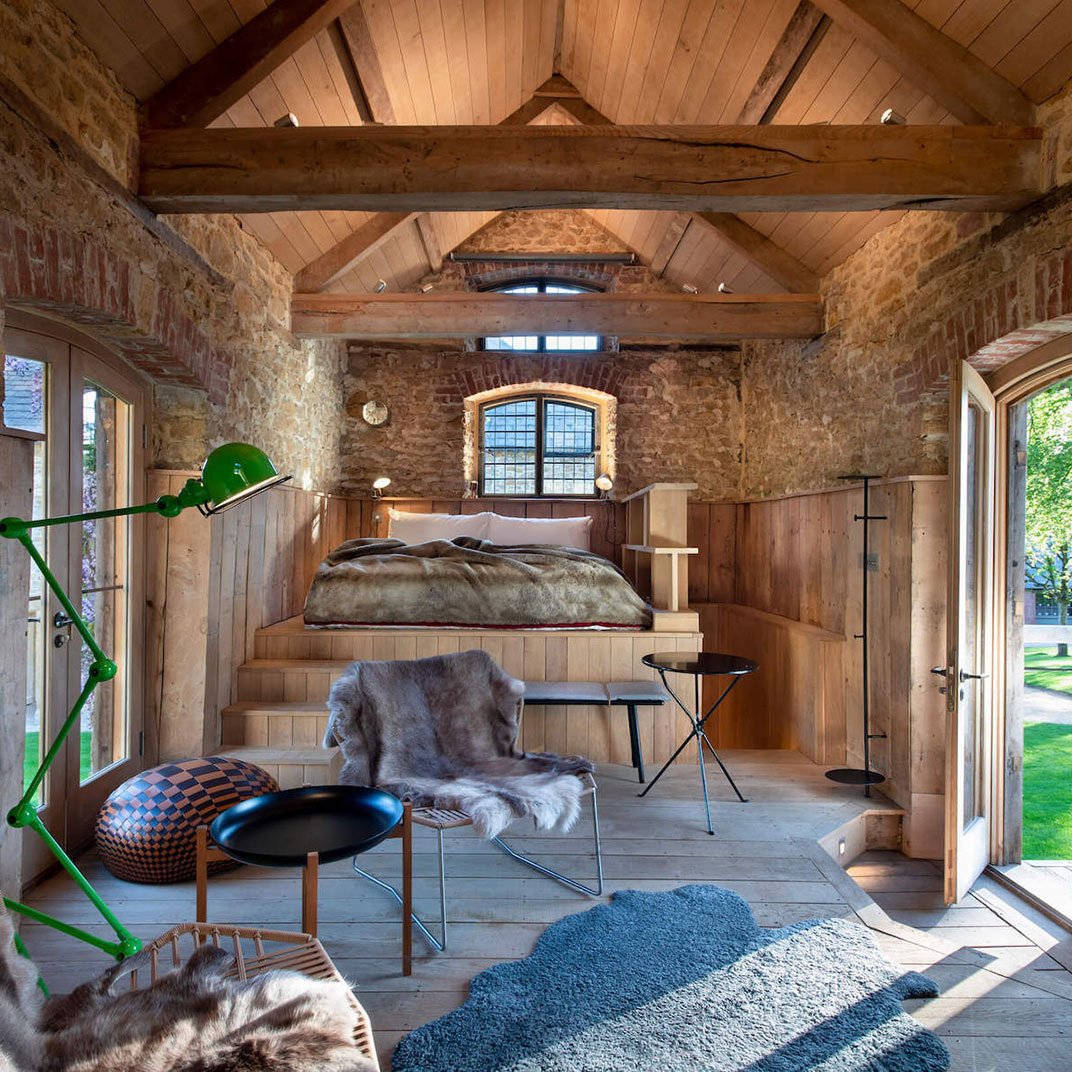
“A private playground for design-forward epicureans”
If you haven’t yet lost a weekend to the manicured, subterranean, cider-scented dreamworld that is The Newt, please consider this your formal wake-up call. Snagging the top tier of three Michelin keys right out of the gate, this Palladian country estate has completely rewritten the playbook for British rural luxury.
The vibe here is incredibly high-spec but entirely free of stuffy, moth-eaten heirloom carpets or the kind of wait staff capable of making you feel three inches tall should you request tap water for the table. Instead, you are treated to breathtaking Roman-inspired spas, world-class garden architecture and an on-site cyder press (no, I don’t understand the reason for the spelling, either) churning out the West Country’s very own liquid gold. It is immersive, relentlessly stylish, and feels less like a hotel and more like a private playground for design-forward epicureans.
Le Manoir aux Quat’Saisons, A Belmond Hotel (Three Keys)
Location: Great Milton, Oxfordshire
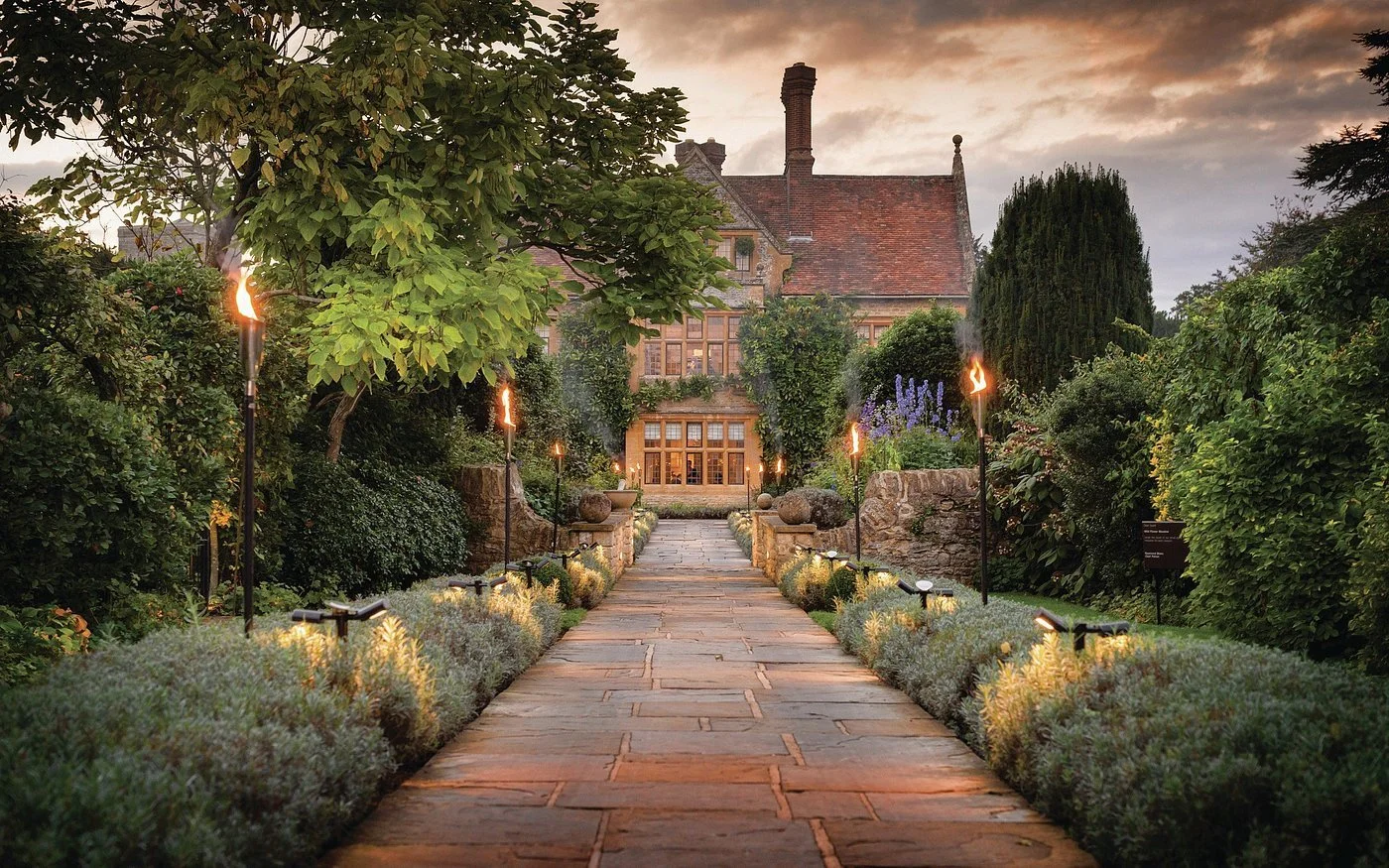
A honey-coloured dream, Le Manoir aux Quat’Saisons
Raymond Blanc’s iconic Oxfordshire manor is the absolute definition of a sure bet. It is a property that effortlessly bridges the gap between old-world French gastronomic luxury and the timeless, honey-toned charm of the English countryside.
To stay at Le Manoir is to willingly submit to total, absolute and completely enveloping sensory indulgence. Yes, the two-Michelin-starred dining room remains a legendary temple to French cuisine, but the hotel itself, with its lavender-lined pathways, Japanese water gardens and uniquely designed suites, earns every bit of its Three Key status. It’s a masterclass in the art of living well, proving that true hospitality doesn't age; it just gets better with time.
Heckfield Place (Two Keys)
Location: Heckfield, Hampshire
If Three Keys represent theatrical luxury, Two Keys often highlight the masters of quiet, hyper-focused restraint. Enter Heckfield Place, a beautifully restored Georgian family home that sits gracefully within 430 acres of secluded Hampshire woodland and meadows.
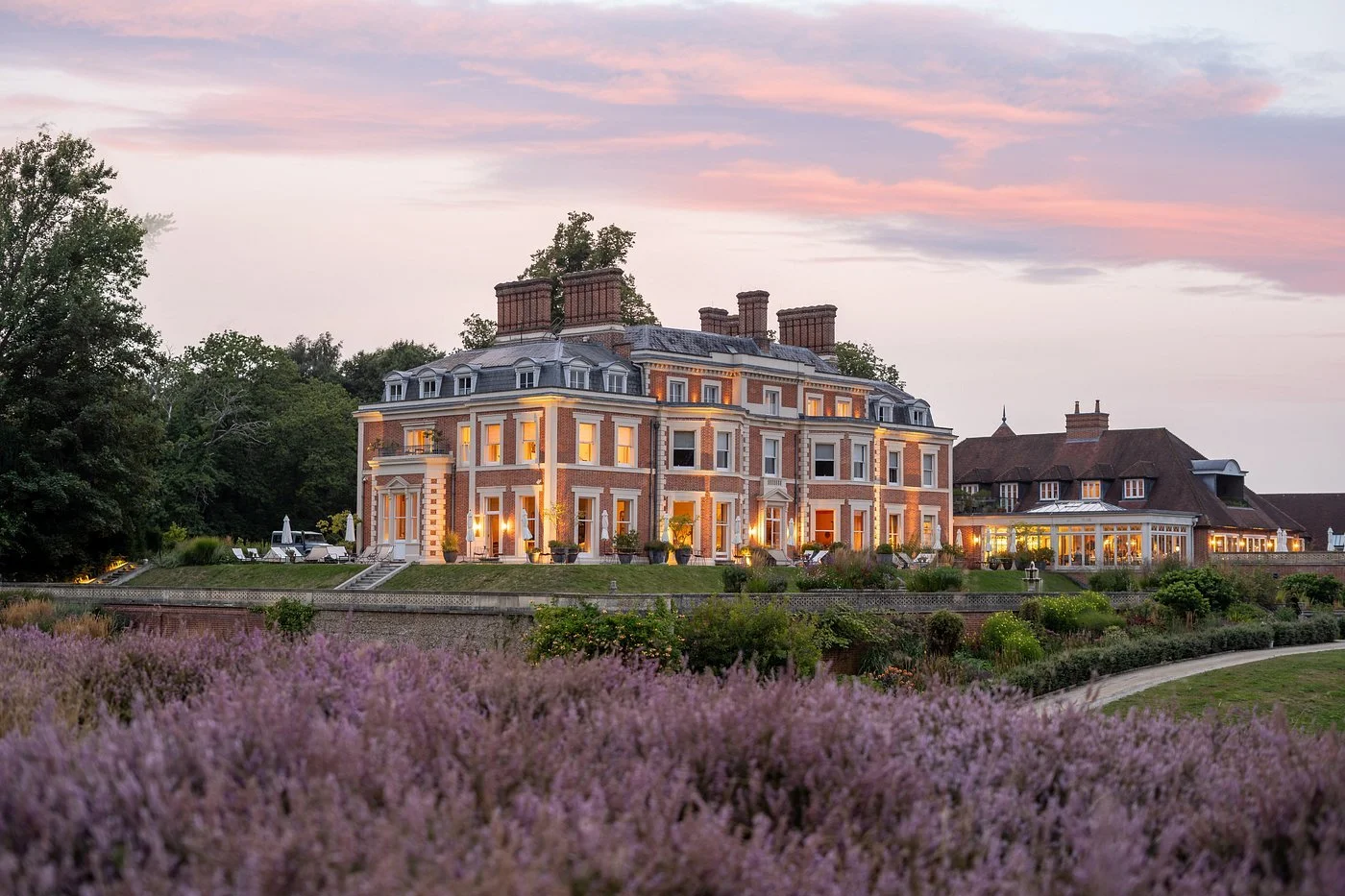
The English countryside at its finest, Heckfield Place
Heckfield is built entirely around an elemental, farm-to-fork philosophy in the truest sense, rather than in the way that all too many city centre chain restaurants now boast about the fact their steaks come from actual cows (rather than whatever the alternative might be). It feels remarkably private, beautifully understated, and entirely grounded in nature, with its open-fire cooking and a stunning biodynamic farm on-site. Guests will uncover a minimalist design aesthetic that lets the historic bones of the building do the talking, making Heckfield Place the ultimate retreat for those looking to unplug without compromising an inch on enduring, all-encompassing comfort.
The Fife Arms (Two Keys)
Location: Braemar, Scotland
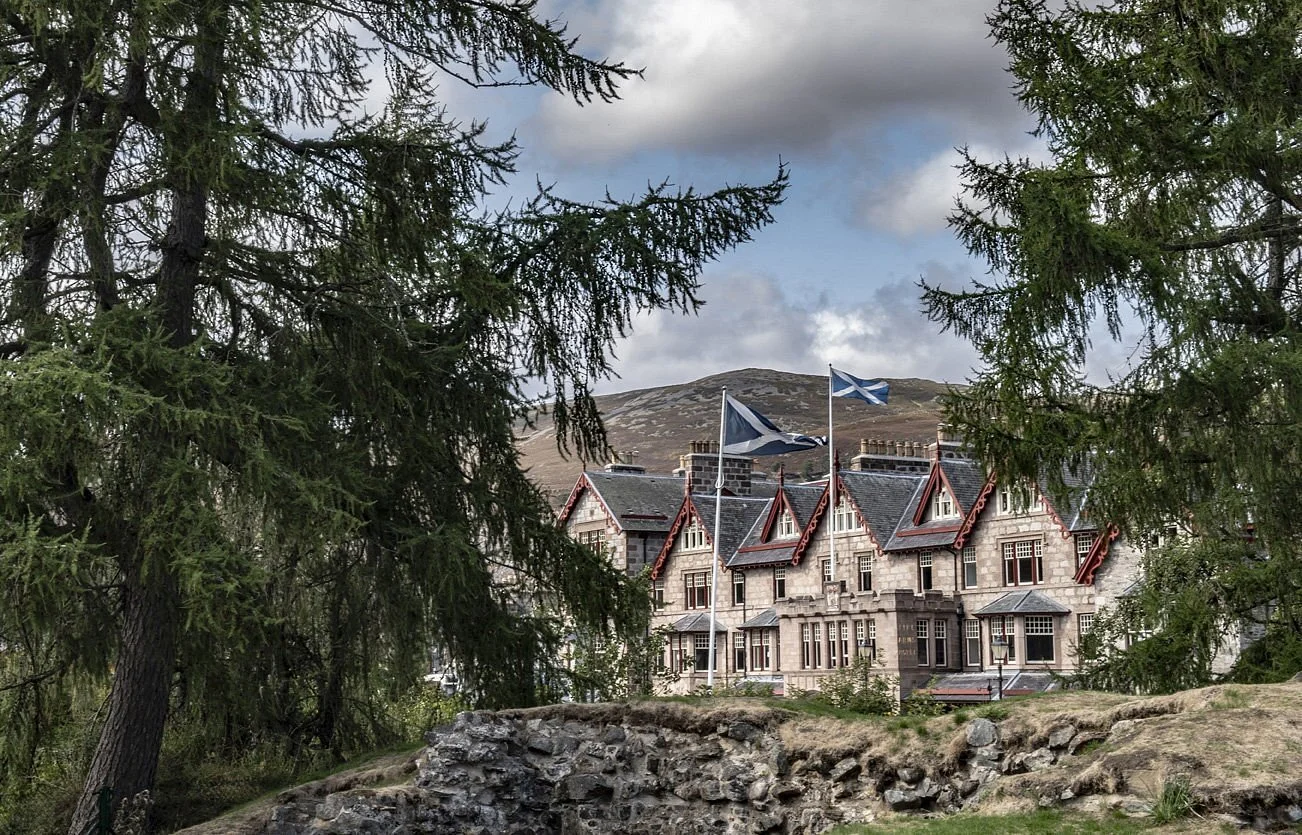
True Scottish hospitality awaits
Located in the heart of the Cairngorms National Park, The Fife Arms is not just a hotel; it is a dizzying, maximalist love letter to Scottish heritage and contemporary art.
Owned by the world-renowned gallerists behind Hauser & Wirth, the property boasts over 16,000 pieces of art scattered across its walls. You might find a Picasso casually hanging next to a historic taxidermy display, and both feel right at home in this remarkable, creative and wildly expressive place. It is uncompromising, rebellious, fiercely independent, and utterly unskippable for anyone who likes their luxury served with a healthy dose of eccentricity.
Glenmorangie House (One Key)
Location: Tain, Scotland
For our first One Key entry, let's head up to the rugged coast of Easter Ross to visit Glenmorangie House. If your idea of a Scottish hotel involves dusty stag heads and oppressive tartan overload, this sensory explosion will happily shatter your preconceptions in the best possible way.
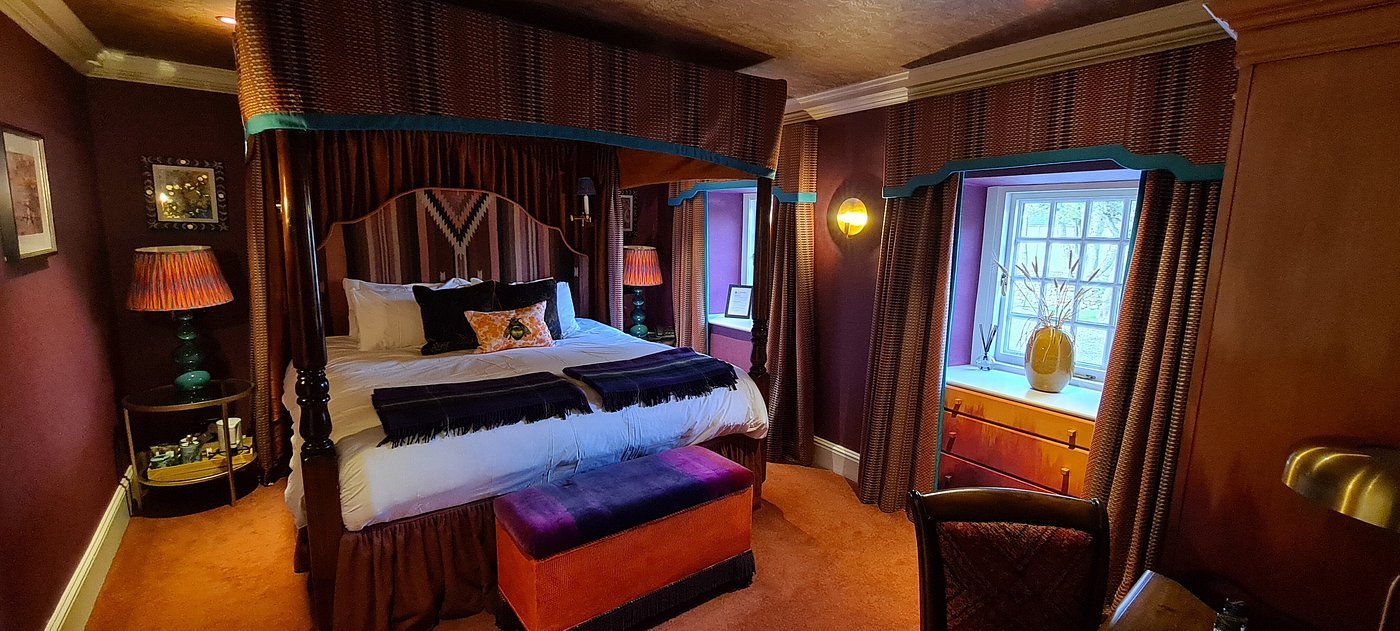
Raise a glass to characterful, quirky comfort
Owned by the famous distillery, this is a country house hotel reimagined as a technicolor daydream. Designed by the visionary Russell Sage, the interiors are a vibrant, witty homage to the whisky-making process (think barley-patterned fabrics, kinetic copper accents and rooms that shift from deep ochre to brilliant gold) that pays homage to heritage without feeling like pastiche. It behaves less like a hotel and more like an intimate, incredibly fun house party where the drams flow freely, the coastal views are endless and the welcome feels like a warm embrace. It is a triumphant middle finger to the beige brigade, and a salute to the best in contemporary Scottish culture and hospitality.
Number 38 Clifton (One Key)
Location: Bristol
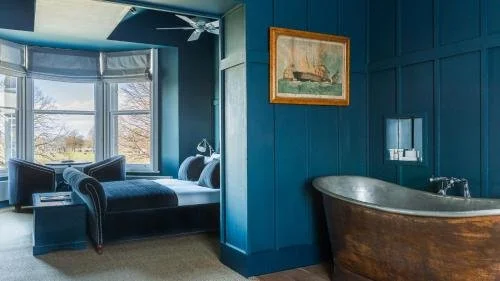
Deep blue wonder, Number 38 Clifton
Regular readers know that my home city of Bristol holds my ultimate allegiance, so you can imagine my delight when our very own neighborhood gem scooped a well-deserved Michelin Key.
Tucked away in a handsome 1820 Georgian merchant's house overlooking the rolling expanses of the Clifton Downs, Number 38 Clifton proves that exceptional hospitality doesn’t require a 500-acre estate. This is boutique, urban inn-keeping elevated to absolute perfection, and it feels right at home in the UK’s most proudly independent city. It’s warm, effortlessly stylish, and boasts views across the city skyline from the loft suites' copper tubs that will make you want to move to Bristol immediately. It’s the ultimate local insider's favorite, and one I refuse to stop shouting about.
What Michelin Keys Mean for the UK Hotel Scene
So, what does this keyed-up revolution actually mean for the landscape of British hospitality? Simply put, the bar has been raised, and the old guard should be shaking in their monogrammed slippers. For decades, the UK hotel scene was somewhat divided: you either had the starchily formal, slightly dusty country house hotels where you felt judged for using the wrong fork… or you had the clinical, soul-destroying corporate monoliths, with all the charm of a municipal car park.
The Michelin Key system marks the official dawn of a new golden era: one where character is currency, and sense of place is as important as the fluffiness of one’s scrambled eggs at the breakfast table. What’s more, it proves that the UK doesn't have or need a single, rigid luxury narrative, and that we are seeing a massive celebration of diversity within the hospitality sector. That’s why the guide places an intimate, eleven-room Bristol townhouse on the exact same continuum of excellence as a grand, sprawling Scottish estate, and joyously disregards price as a factor in how each property is rated.
This shift forces the entire industry to realise that true luxury cannot be mass-produced, focus-grouped or faked. It’s about texture, authenticity, and how a place makes you feel when you wake up in the morning… and it’s about damn time this became the primary way such places were judged, rated and revelled in.
Want to discover more luxury UK hotels? Read our rundowns of Scotland’s best luxury hotels, Wales’ best luxury hotel, the best hotels in Cornwall, Britain’s best spa hotels and luxury UK hotels for winter.
