
The World’s Most Difficult Restaurant Reservations — And Exactly How to Get Them
There are some restaurants in the world that elevate the experience of dining to wholly new levels, transporting guests to a realm of bold, multi-faceted and altogether wondrous taste sensations, delivered by lauded masters of the culinary arts. The greatest among these restaurants are – as one might expect – in astoundingly high demand, something which is further compounded by a strictly limited number of available tables and often eye-watering waiting lists.
When it comes to luxury travel, money opens doors — but access and trust opens tables. Every year, millions of travellers attempt to book tables at the world’s most famous restaurants, and most of them fail to get those coveted seats. Not because they lack money, but because they misunderstand how elite dining actually works.
If there’s ever a reason to travel…
At the highest level, reservations are not transactions. They are relationships predicated on pristine timing, cultural fluency, and sometimes, quiet influence. To get your foot in the door, each of the world’s most sought-after restaurants needs to be approached with a real understanding of how they operate, the networks they exist within, and a recognition that no two dining establishments of this calibre are alike.
This is a concierge-level guide to the world’s most difficult restaurant reservations, and more importantly, how they are genuinely secured.
Why The World’s Best Restaurants Are So Hard to Book
The difficulty is not down to hype, but rather due to structural limitations that have been meticulously put in place to elevate a restaurant’s mystique and value. It’s also because of cold, hard mathematics – the world’s greatest restaurants reach the uppermost echelons of excellence because of their exclusivity, and maintaining a strictly limited number of covers is key to their strategy.
When you combine a limited set of seats (most often, under 30 places per service) with fixed tasting menus, high international demand, priority lists for regulars, insiders and partners, and occasional cultural barriers and rules which aren’t public knowledge… Well, you’re going to be faced with no shortage of challenges in getting your reservation request acknowledged.
To overcome these barriers is difficult, but not impossible. Let’s take a look at 6 of the world’s best restaurants, and consider the unique challenges they set for international diners and how best to increase your chances of success.
1. Sukiyabashi Jiro (Tokyo)
Legendary Jiro Sushi
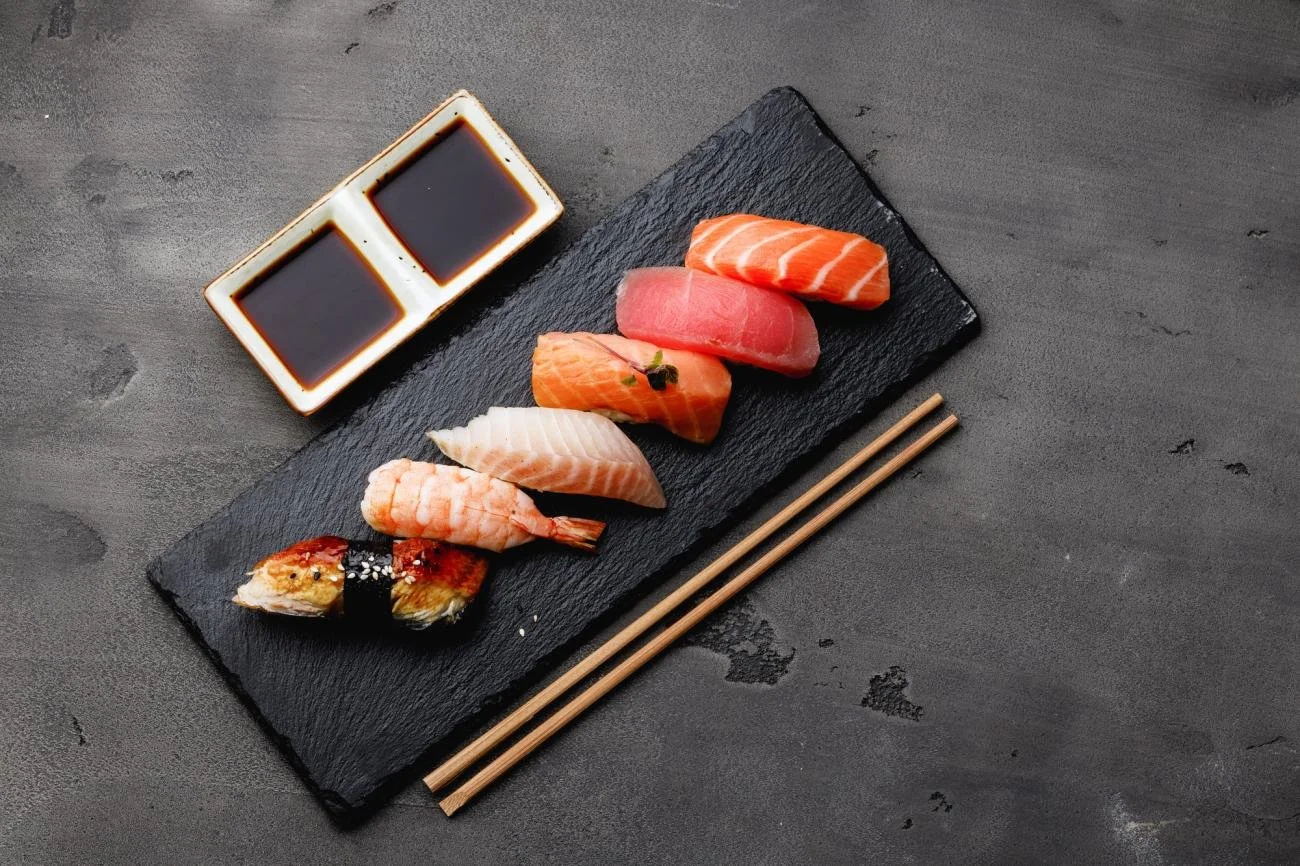
Once ranked among the world’s greatest sushi restaurants, Jiro famously stopped accepting direct reservations from foreigners. As you might expect, this presents a significant barrier for international travellers wanting to get a seat at one of the most exclusive restaurants on Earth.
Where most gastronauts slip up is by calling or emailing the restaurant directly (you’re going to get a firm ‘no’ if you’re not from Japan and within a select circle of trusted contacts or regulars), or by asking your hotel concierge to ‘try their best’ at achieving the almost-impossible.
How reservations actually happen:
Through top-tier luxury hotels and only the most respected local concierge services
Often repeat guests are prioritised (and they can occasionally bring a plus-one)
Cultural etiquette matters more than money – you simply won’t get near a table unless you have access to a concierge or fixer who knows the restaurant very well indeed
The Last Concierge insight:
Midweek lunches are more achievable than evening meals. Staying at a top-tier hotel with a strong Japanese concierge team (not an international call centre) is absolutely critical… And even then, you’re going to have to rely on a decent amount of luck for this particular restaurant.
2. El Celler de Can Roca (Girona, Spain)
Flavour-bombs in Girona
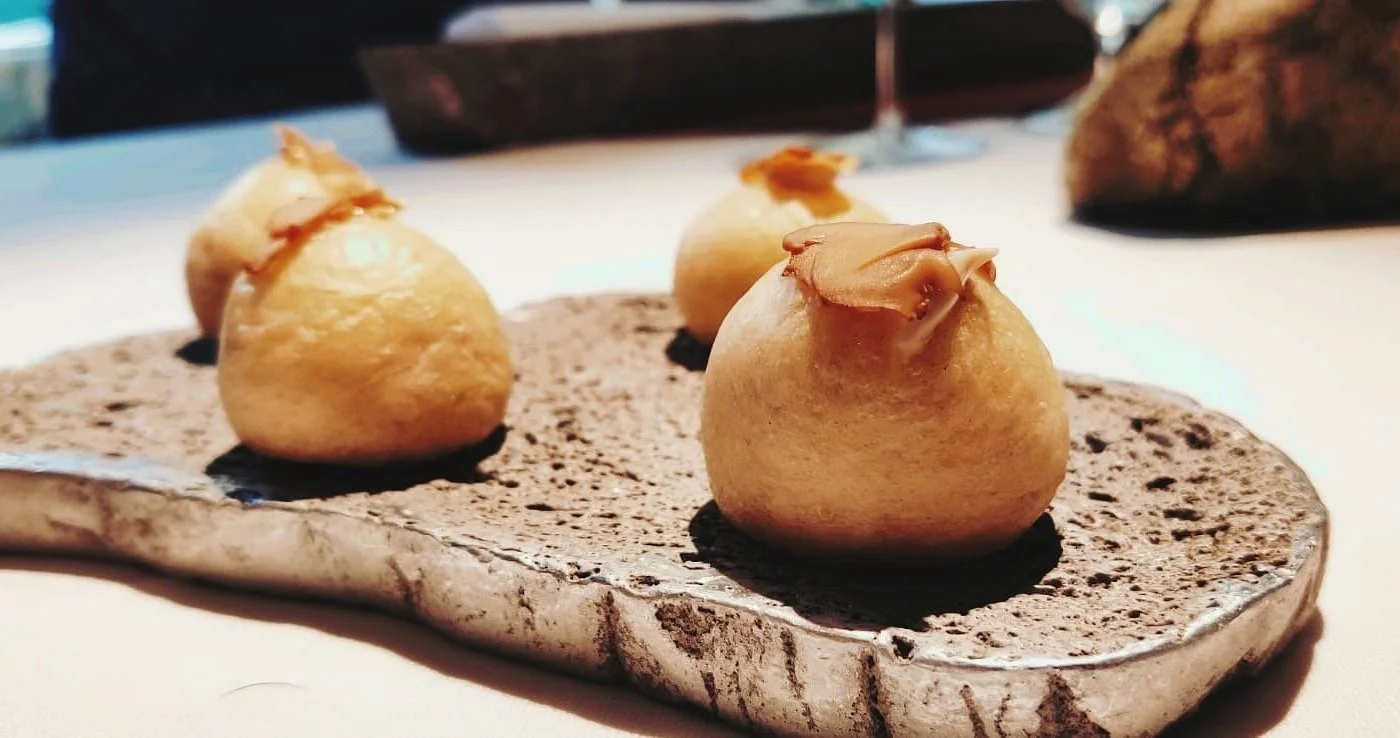
Any lover of the finest European cuisine will understand that El Celler de Can Roca is a veritable Mecca for incredible flavours and hospitality, which goes some way towards explaining why bookings for this restaurant open months in advance and sell out in minutes.
Here’s where most hopeful diners go wrong: they wait for the booking window to open, and keep refreshing on a website that’s highly unlikely to yield any results (unless you’re incredibly lucky, or have the means to travel to Girona at the drop of a hat).
How reservations actually happen:
Corporate allocations and close circles of trusted contacts
Wine-industry relationships, be it viticultural production, journalism or promotion
Strategic cancellation timing, which is often the realm of very talented concierge teams
The Last Concierge insight:
Lunch services are statistically more attainable, and despite popular belief, they do occasionally crop up last minute. Persistence without pressure is key – enjoy a fabulous stay in Girona (where there’s no shortage of incredible restaurants) and leave your hopes in the hands of a recommended concierge with experience getting seats at this famed eatery.
3. Osteria Francescana (Modena, Italy)
A Mecca for Modern Italian Cuisine
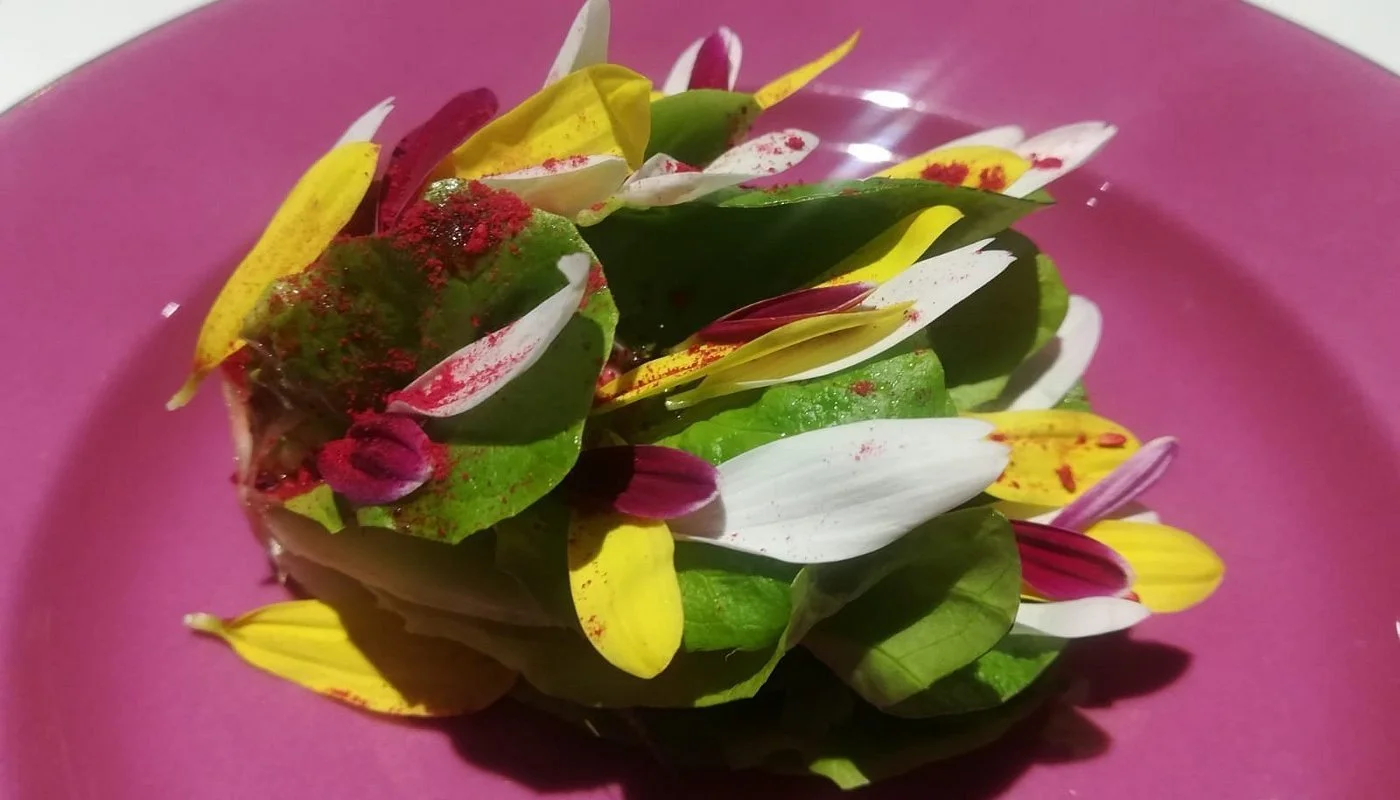
The Osteria Francescana in Italy’s beautiful Modena isn’t just a three-star restaurant beloved by Michelin inspectors and foodies worldwide, it’s a living, breathing haven of Italian innovation in the gastronomic arts. The problem? It’s got a very small dining room and a massive global reputation for excellence.
The Michelin guide doesn’t give out a lot of triple star ratings – in fact, there’s only 157 restaurants with this level of prestige in the world today. Three stars literally means ‘worthy of an international trip in itself’, which gives a clue as to why many people fail to get a seat at Osteria; they aren’t hanging around Modena long enough to get the right wheels in motion.
How reservations actually happen:
Demonstrated appreciation of Italian food culture, most effectively as an industry insider or collector
Off-season travel – this is the key one. Modena isn’t on the tourist trail for most travellers, and off-season sees the city slow its pace considerably
Staying locally rather than day-tripping
The Last Concierge insight:
Guests who treat the experience as cultural pilgrimage, not conquest, are favoured. Spend a week or two in Modena off-season and express your wishes directly to the restaurant’s booking team, and you may be in with a good chance.
4. Table by Bruno Verjus (Paris)
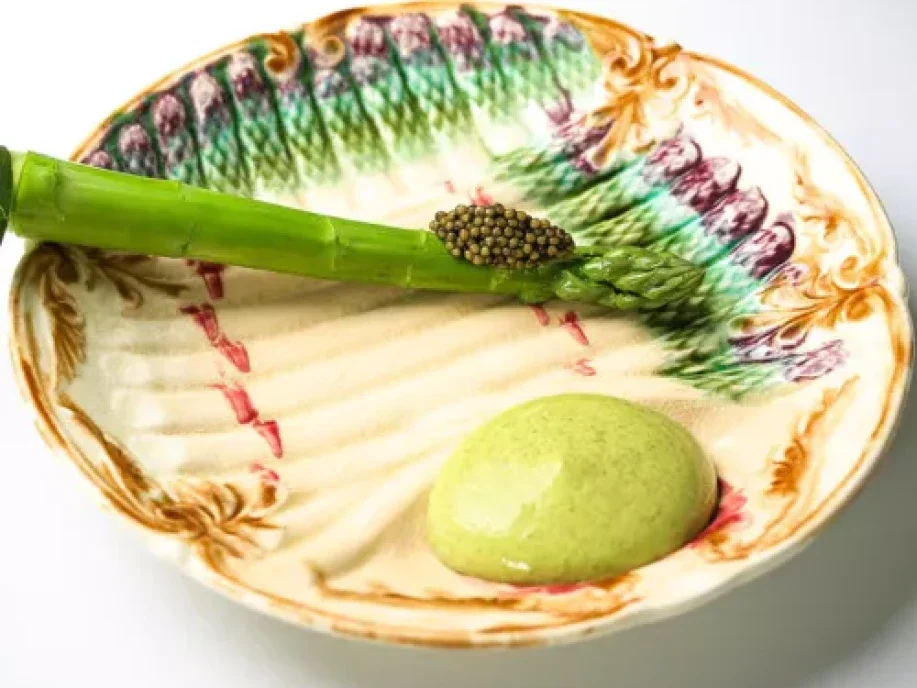
Parisian Perfection
Table by Bruno Verjus is another of those gastronomic pilgrimage sites that’s absolutely worth the (not inconsiderable) hype – ranked as the third greatest restaurant in the world last year, this two-starred dining room is a celebration of sensational produce, fine French cuisine and the utmost in exclusivity. The issue? It’s one of the smallest Michelin-starred restaurants in Europe.
It’s probably unsurprising, therefore, that it’s very difficult to get a booking at Table… But it’s far from impossible. Most people make the mistake of trying to book months in advance, and finding to their disappointment that seats are sold out in seconds and there’s simply no availability to be found.
How reservations actually happen:
Short-notice cancellations – surprisingly, this isn’t that uncommon. A lot of people book months in advance only to find their plans change
Parisian hotel concierges at the very best establishments in the city. A skilled Parisian concierge is a wonder to behold, and will make use of a tight network of trusted contacts to see if you’re able to get a seat
Flexible dining times (or flexible travel times) are always going to increase your chances
The Last Concierge insight:
For this one, you really do need a talented concierge or some very influential contacts in your friend list. Late services and weekday lunches dramatically increase success rates, and as mentioned, those cancellations do happen.
5. Noma (Pop-Ups & Special Editions)
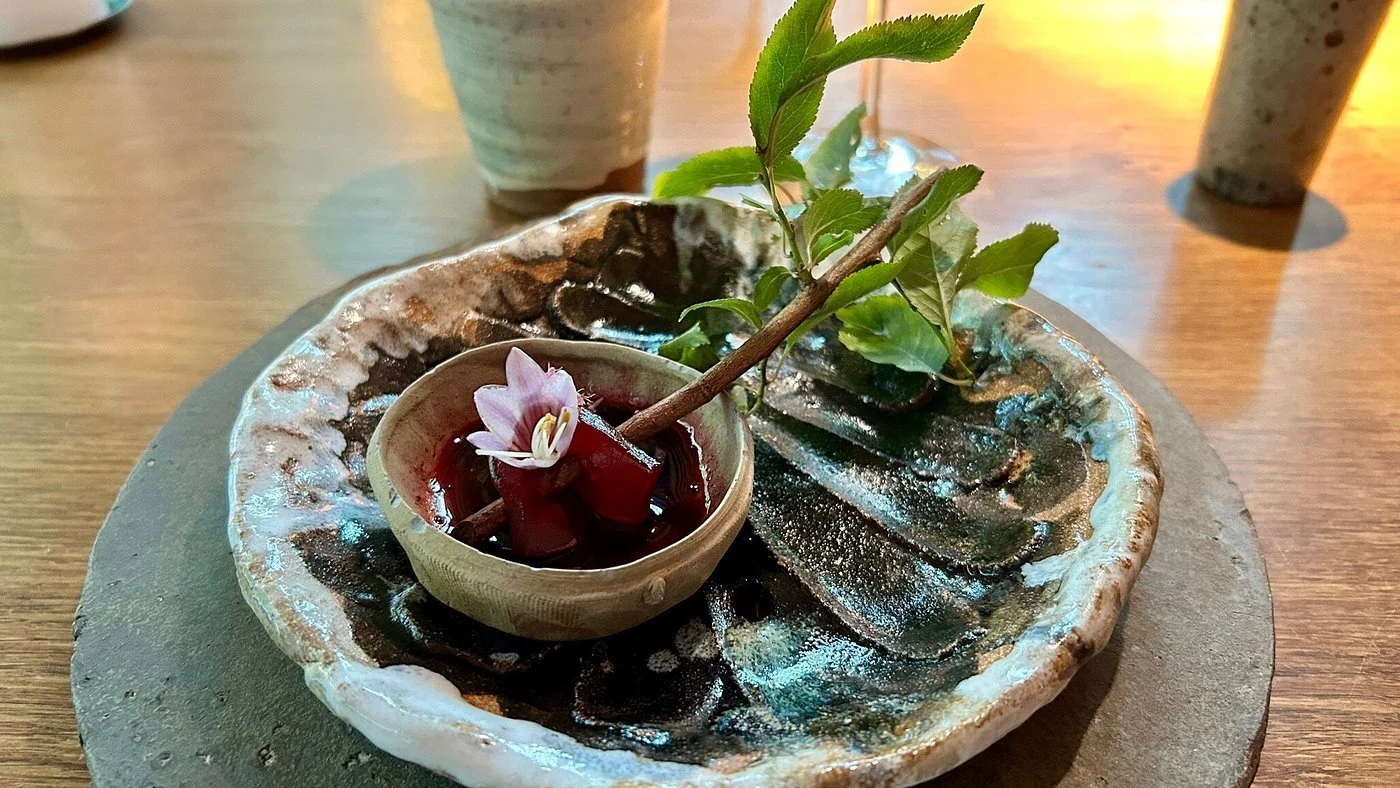
A True Innovator of the Gastronomic World
It’s fair to say that Noma – Copenhagen’s game-changingly innovative restaurant and home of the New Nordic Manifesto in cookery – transformed the dining world forever. While the restaurant in the Danish capital remains on hiatus, the team have been travelling the world organising exclusive ‘pop ups’ which make the most of local ingredients and cuisines, thrilling diners lucky enough to get a place at their very limited events.
Getting a seat at a Noma pop-up isn’t easy due to the very nature of these events – they’re in temporary global locations with massive international demand. If you think you can get a reservation simply by waiting for public announcements, think again; while events are announced via Noma’s various channels, it’s likely that by the time you come across them, the seats have already all gone.
How reservations actually happen:
Exclusive VIP mailing list priority
Industry access
Early intelligence, either via a regular or through concierge companies with a relationship with Noma
The Last Concierge insight:
This is a good example of where wealth really means very little when it comes to access – the team at Noma couldn’t give a fig (or a plate of ‘edible soil’) how rich you are, it’s all about preparedness, contacts and being on the right lists.
6. Le Bernardin (New York City)
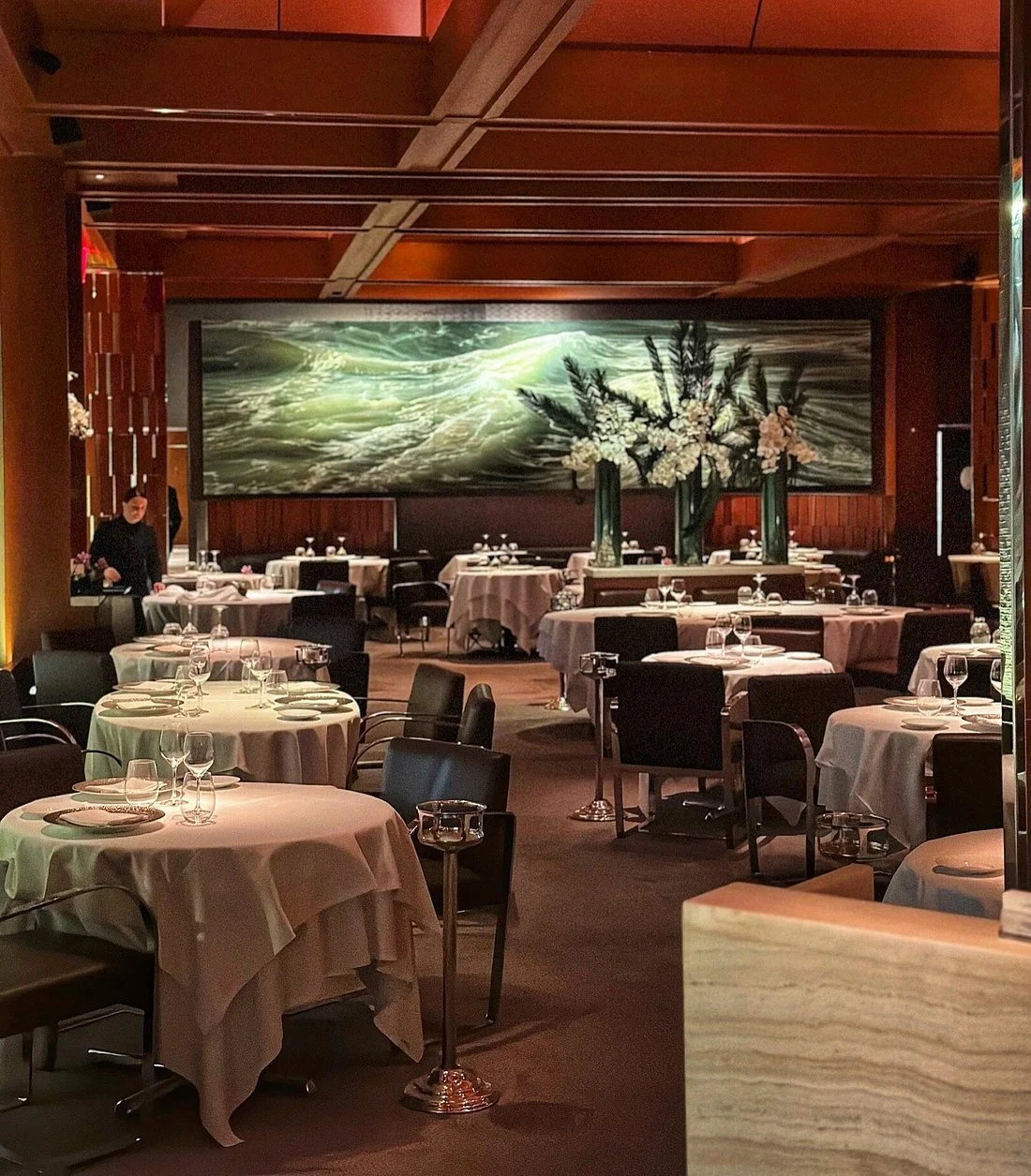
The Ultimate NYC Dining Experience
It’s amazing to think that Michelin didn’t produce a guide for New York City until 2005. However, when it finally got to the Big Apple, Le Bernadin was quickly given the coveted three-star status, making it the most sought-after restaurant in a city renowned worldwide for the quality and range of its eateries.
Interestingly, Le Bernardin isn’t a particularly difficult restaurant to book a seat at. However, it’s renowned for being hard to ‘book well’ – that is, visitors tend to want to go in peak season, at peak time, and to have the best seats in the house… and get put off by accepting anything but the best. If you’re willing to sample incredible food in a truly special restaurant but not have every single imaginable box ticked in other regards, you’re in with a good chance of having a wonderful dining experience.
How reservations actually happen:
Corporate relationships
Private dining leverage, and making the most of Le Bernadin’s many private dining options
Concierge timing windows via one of New York’s many top-tier luxury hotels
The Last Concierge insight:
The best tables are rarely released publicly. Don’t let this put you off – even the worst seat in the house is well worth your time and attention.
The Six Insider Rules That Change Everything
Want to eat at the world’s best restaurants? Well, it’s never going to be particularly easy to get a seat at the most desired dining establishments on the globe, but the majority of the world’s greatest eateries can be accessed more effectively if you understand a few fundamental truths.
1. Hotels matter more than credit cards: A strong concierge relationship can outperform any premium card.
2. Lunch is the hidden advantage: Lunch services are less competitive and often identical in quality.
3. Cultural fluency beats insistence: Understanding etiquette, tone, and timing is critical.
4. Flexibility is power: Dates, times, and seating preferences should be negotiable.
5. Persistence without pressure wins: Gentle follow-ups outperform aggressive requests.
6. Relationships compound: If you succeed once, future bookings become easier.
Why Money Alone Rarely Works
Elite restaurants don’t just value the quality of their food and hospitality, they work hard to protect their status and reputation in all aspects. This means closely guarding things like atmosphere, flow of service, rewarding loyal guests and maintaining cultural integrity. This is why they generally aren’t impressed by wealth, and it’s also why true concierges never ask for favours but rather align interests and rely on circles of trust.
Luxury dining, at its highest level, rewards knowledge, patience and respect. That is the real reservation system… and a little bit of luck and a lot of flexibility can also go a long way.
