
Luxury Travel Mistakes Even Wealthy People Make (And How Concierges Avoid Them)
Here at The Last Concierge, we have a profound understanding that luxury travel has relatively little to do with one’s bank account. In a world that’s grown ever smaller, ever busier and ever more stressful, true opulence is more about time and space in which to breathe and truly revel in a location’s myriad opportunities than it is about spending vast sums of money in insta-famous hotels, restaurants and beach clubs.
Indeed, in an article all about the mistakes people make regarding luxury travel, that quick intro paragraph quite neatly summarises one of the big ones – the idea that luxury travel errors come down to a lack of cash. More often than not, travellers seeking opulent escapes falter primarily due to misplaced assumptions.

A world of opportunities awaits those who know where to look
Time to Think Like a Concierge
Those accustomed to comfort frequently believe that access equals understanding — that booking the most expensive option automatically delivers the best experience. In reality, luxury operates on a far subtler register, one which eschews the flashy for the authentic and always prefers the understated and unforgettable over the ostentatious. It rewards judgement over generosity, timing over urgency, and discretion over display… And realising this, adopting this mindset and using this concept as a starting point for all kinds of travel can be transformative.
Talented concierges understand this instinctively, and it’s something the rest of us can learn relatively easily. They recognise the importance of this perspective not because their clients lack sophistication, but because true luxury is governed by unspoken rules — rules learned through observation, repetition, trust and restraint.
Let’s dive in a little deeper and uncover the most common luxury travel mistakes even wealthy travellers make — and how those who travel like savvy insiders manage to avoid them entirely.
Associating quality with cost, and confusing “the best” with the most expensive

All that glitters…
The enduring assumption that the highest price guarantees the finest experience is one of the most persistent errors in luxury travel, and it’s not hard to understand how and why this mistake is so pervasive.
Let’s consider this issue by looking at five-star hotel rooms, which are usually priced according to factors such as size (a suite is always going to be more costly than a double room, etc) and when in the season they’re booked.
However, within any five-star hotel, room quality varies not just by category, but by subtler factors that can make a world of difference to how you experience the hotel. These might include their position within the building, their exposure to light and noise pollution, their proximity to lifts and public space, or simply how the hotel operates throughout the day.
Concierges choose rooms contextually. A slightly lower category, correctly positioned, often delivers far greater comfort and privacy than a headline suite chosen blindly… and the difference in price can be considerable, leaving you with more of your budget to spend on making the most of a particular destination. Luxury, after all, is all about suitability and not just about superlatives.
Over-stuffing your itinerary
We get it – when you head to a destination, whether for a city break with the promise of urbane sophistication, a far-flung exotic retreat or something altogether different, it’s tempting to try and pack in as much as possible. However, an itinerary filled with reservations, transfers, and confirmations may look impressive, but it rarely feels indulgent.
Ever come back from a holiday, set down your bags and feel as though you need a week off? That’s the polar opposite of what luxury travel should feel like, and any sense of elegance is compromised the moment a traveller becomes painfully aware of the ticking of the clock.
The trick is, once again, to think like an experienced concierge. By building journeys with deliberate negative space, you’re able to really luxuriate in what a hotel or destination has to offer. This means planning mornings without any obligation whatsoever (except taking full advantage of a breakfast buffet or a wellness treatment), leaving at least one of two afternoons in which to drift and get a little lost, and being completely open to evenings in which plans might change spontaneously.
This flexibility and openness allows a trip to respond naturally to mood, energy and discovery – being enslaved to an itinerary may feel like a great idea before you head off, but all the best adventures come with surprises and a sense of exploration. A well-timed pause is often more luxurious than a perfectly executed plan!
Arriving at five-star hotels at the wrong moments
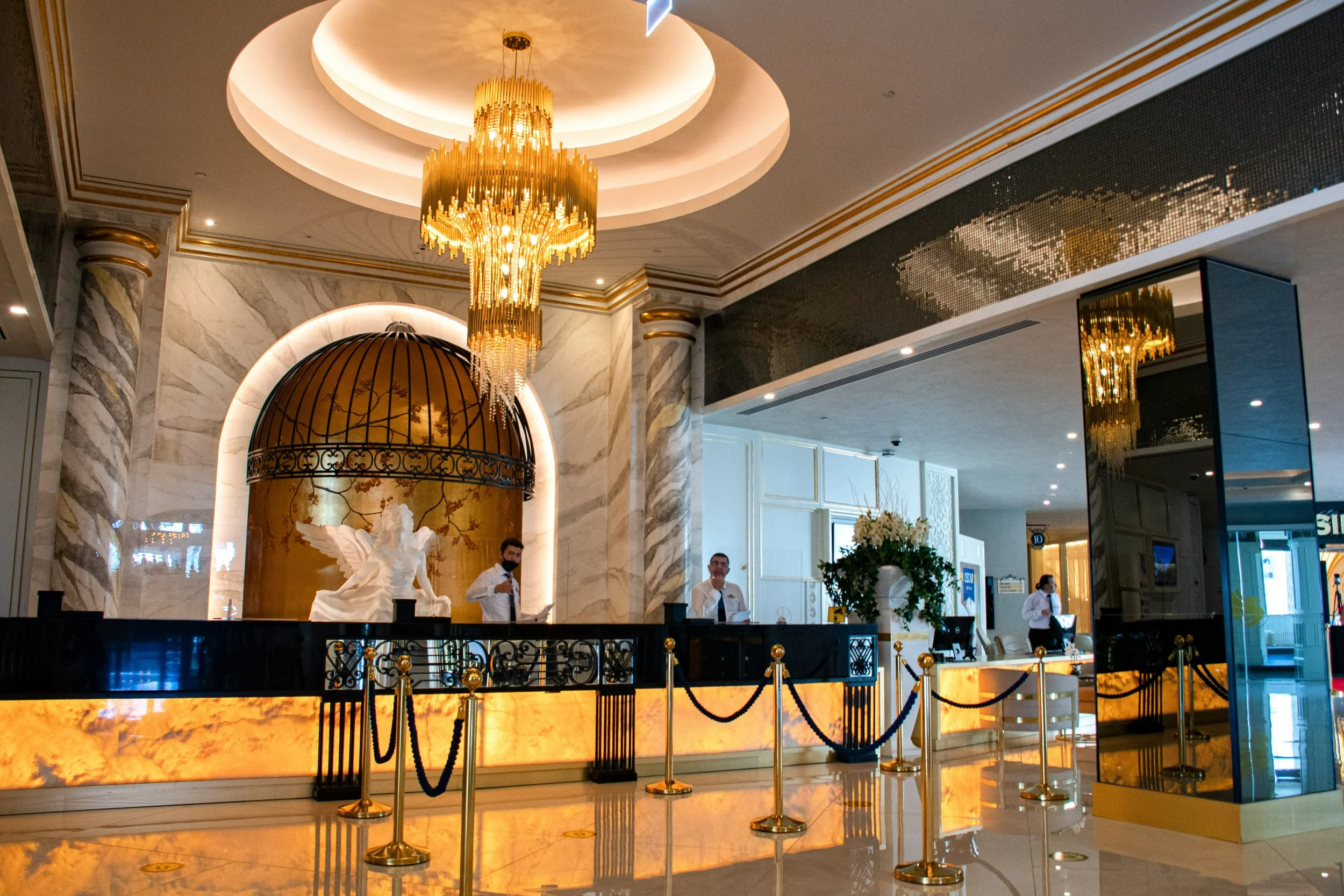
Who doesn’t love a quiet hotel lobby?
First impressions count for everything, and this is particularly true when rocking up to a hotel or resort – you want to be able to feel the luxury of a five-star destination from that very first moment, and yet timing truly counts for a lot when it comes to setting the tone and pace for the remainder of your first day on site.
The key is to recognise that hotels are living, breathing organisms – suites require time to turn over, senior members of staff rotate, and the energy of a hotel can shift considerably throughout the day. Turn up too early, and you’re in for a frustrating wait with all your luggage. Arrive at peak times, and your sense of luxury will dissipate as you stand in a queue at reception. Waltz through the doors too late, and it’s likely you won’t be met with the most helpful or knowledgeable of staff.
It doesn’t take a huge amount of digging online to gain access to the kind of information that concierges rely on to ensure the best arrivals, and hotels will be only too happy to provide this kind of data via a quick phone call or email prior to your flight – after all, they want you to have the best experience, and that generally means reducing stress for everyone involved.
Find out when rooms are naturally ready (rather than rushed), staff are most receptive and how to avoid those peak times and queues, and make the most of this inside info. Need to kill a couple of hours between your airport transfer time and the opportune moment to check in? Ask at the hotel for a recommendation of the best cafe or restaurant nearby, and enjoy some downtime and local culture at your own pace while you wait.
Chasing clout and visibility instead of privilege
Make no mistake, there’s a massive difference between being seen and being cared for. Highly visible tables, central seats, and public recognition often appeal to those new to luxury or wishing to exude a particular image (Instagram really does have a hell of a lot to answer for), but there’s a reason why seasoned high-end travellers and those really looking to scratch beneath the surface of a destination approach holidays very differently indeed.
Seasoned travellers tend to favour discreet corners and quiet rooms, quirky places beloved by locals, unadvertised arrangements and experiences that feel private and exclusive, even when shared with others. The Last Concierge knows the value of optimising for comfort, rhythm and discretion,and we’ve spoken often of the importance of seeking out those hidden gems that might seem a world away from the more glamorous side of luxury. In fact, the most privileged experiences rarely announce themselves, but possess an essence of luxury that’s far more profound.
Treating luxury staff as transactional (or worse)

The golden rule applies
Yes, this is a big one. We’ve all heard horror stories about supposedly high-end travellers and customers feeling entitled to treating luxury staff badly, often as a kind of horrendous flex of one’s spending power. It’s never made a huge amount of sense to me – these staff members are trained professionals, committed to ensuring you have a positive experience. Why wouldn’t you want them on-side?
The bottom line is a very obvious one: exceptional service is rarely activated by entitlement, and luxury hospitality is relational. Staff are empowered by trust, clarity and mutual respect — not by demands delivered under the banner of status.
Simply put, politeness isn’t just common human decency; it’s a pathway towards advocacy, effort and excellent service. You want to be welcomed back to a hotel or restaurant with open arms and the kind of continuity and familiarity that leads to truly exquisite service, and that kind of service isn’t demanded – it’s quietly and respectfully extended.
Choosing famous restaurants instead of unforgettable ones
We’ve spoken before about how sometimes the most memorable, spectacular, even life-altering dining experiences are rarely enjoyed at the most famous or opulent restaurants in any given location. While such places may be well worth a visit, there’s a reason why seasoned travellers can usually be found at far more understated establishments, where flavour and hospitality come before flashiness and aesthetics.
What’s more, it’s important to bear in mind that reputation is not the same as relevance. Indeed, the most celebrated restaurants may be entirely wrong for enjoying quiet conversations over lovingly-prepared food, long leisurely lunches where the hours pass happily, reflective evenings with which to get in touch with local culture, or even private celebrations that can be curated to your precise needs.
By taking a leaf out of the concierge handbook, you can select your dining experiences based on mood, company, and desired aftermath — not press coverage or social currency.
Mistaking excess for luxury
Perhaps the most fundamental misunderstanding is the belief that luxury is additive. In truth, refined travel is defined by subtraction. The real essence of luxury makes itself known through fewer decisions, fewer explanations, fewer compromises and fewer visible mechanisms - it’s there in the absence of friction and the abundance of breathing space, relaxation and connection. When discretion comes before budget and display, one truth becomes abundantly clear: ease is the ultimate goal.
At The Last Concierge, we believe true luxury lies not in access alone, but in understanding the quiet mechanics that shape memorable experiences. Once learnt, these distinctions change not only how you travel — but how you recognise quality itself.
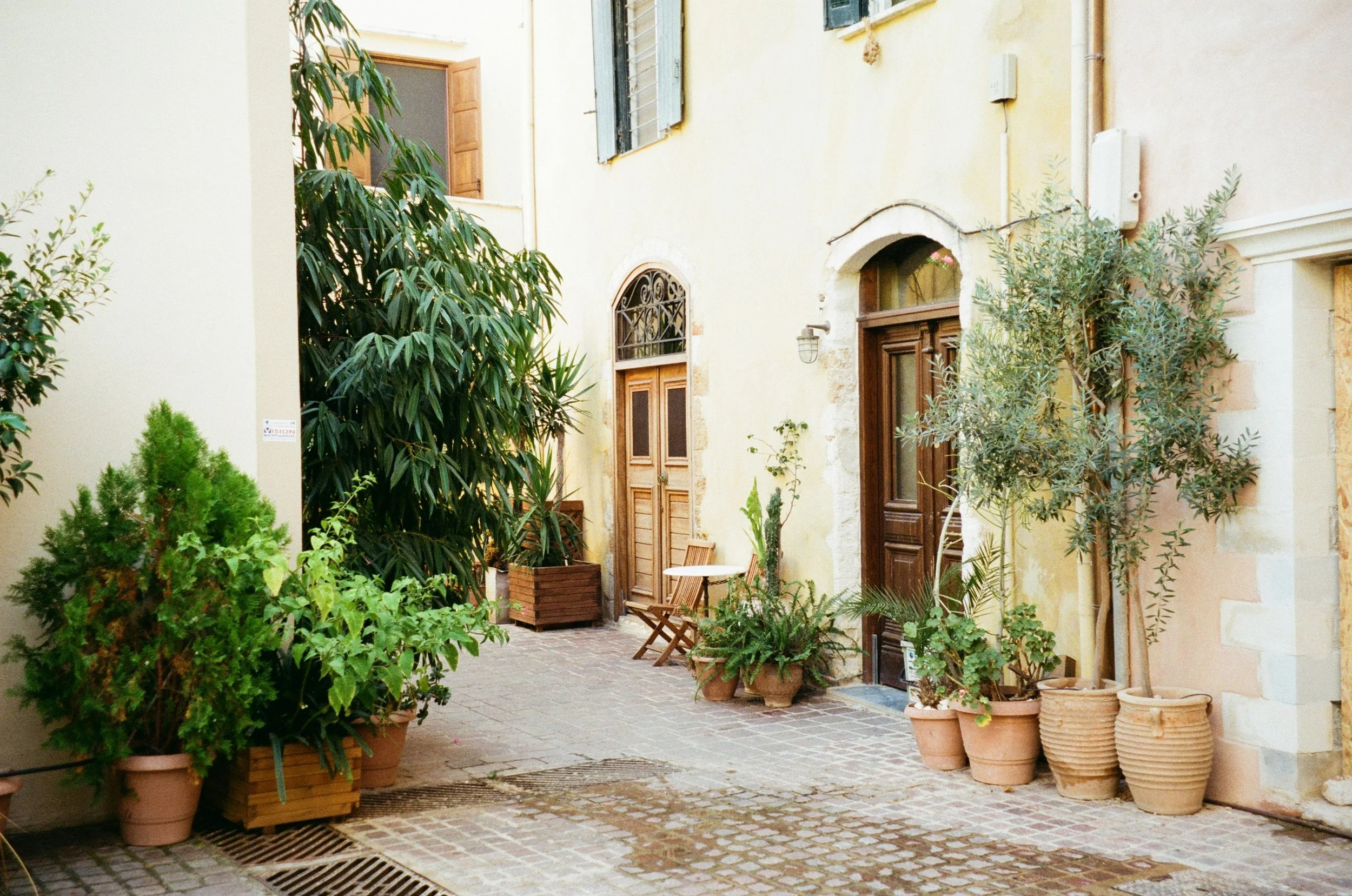
Luxury never shouts. It whispers.
