
Best Airport Transfers in Europe: Which Cities Get It Right?
There is a precise, fragile moment at the end of all too many plane journeys where the romance of European travel threatens to curdle, fermenting into a potent blend of rage and exhaustion I usually reserve for Reform Party canvassers and anyone singing “Wonderwall”.
It doesn’t happen while you are cruising over the Baltic coast at 35,000 feet, trying your damnedest to enjoy a disappointing Bloody Mary. Rather, it happens thirty minutes after landing, when you are entirely untethered from your native time zone and trying to decipher a broken ticket machine while a local bus driver aggressively gestures at you in a language composed entirely of consonants.
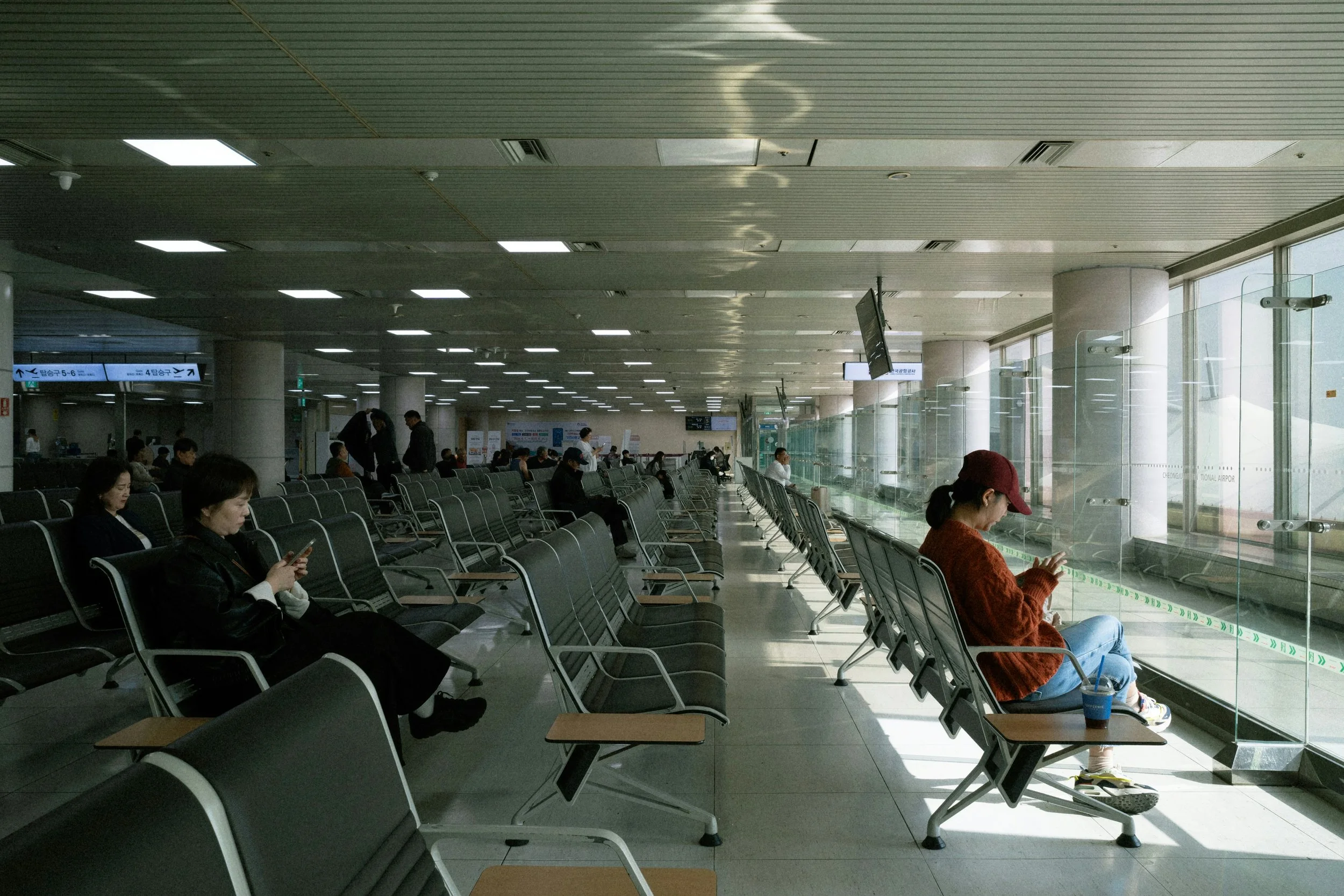
As if airports aren’t frustrating enough
As we’ve discussed in these pages, the modern luxury press spends millions of words obsessing over business class configurations and the thread count of hotel sheets. However, we routinely ignore the most perilous leg of any itinerary: the first very first mile.
Make no mistake, these first impressions matter. At the risk of sounding even more petulant and moody than I already do, I’ve had entire weekends ruined by being ripped off by cabbies taking me on unnecessarily meandering journeys or finding out my bus transfer takes longer than my flight, and comes complete with a miasma of soggy chips and chicken grease coagulated further by a lack of air conditioning. There was a time, as many of us will recall with a prickling cold sweat, when a certain Irish airline would routinely flash their audacious ballsiness by offering flights to airports in neighbouring countries, let alone cities, to the one advertised. Onto the dank grey bus we’d go, trying to avoid questioning ourselves whether the saving of £8.50 could ever truly be worth this level of frustration.
With all this in mind, I was pleased to come across a newly-published dataset by Inspiring Vacations, who have put in the hours to quietly map the logistics of 60 major European arrival hubs, scoring them on proximity, cost and frequency. The findings confirm a suspicion I have long harboured: when it comes to welcoming the weary traveller with dignity, Europe’s grandest capitals are frequently outclassed by its secondary gems.
If you are planning an escape to the continent over the coming months, consider this your tactical guide to the entries, the exits and the architectural theatre of the terminal run.
The Saints of the Short Commute
To arrive at an airport that sits practically within striking distance of its city centre is a rare, intoxicating luxury. It is the geographic equivalent of a hotel that pours a complimentary glass of local sparkling wine the moment you step up to the reception desk, rather than making you fill out three separate forms while standing on marble that's far too cold for your loafers.
Simply put, escaping the confines of an airport arrivals lounge (somehow always the lazier, scruffier twin of departures) should be both a pleasure and a convenience – isn’t that the whole point of getting away from it all?
Here are the airports that get it right, winning the coveted The Last Concierge seal of approval.
Pisa (PSA): The Five-Minute Miracle
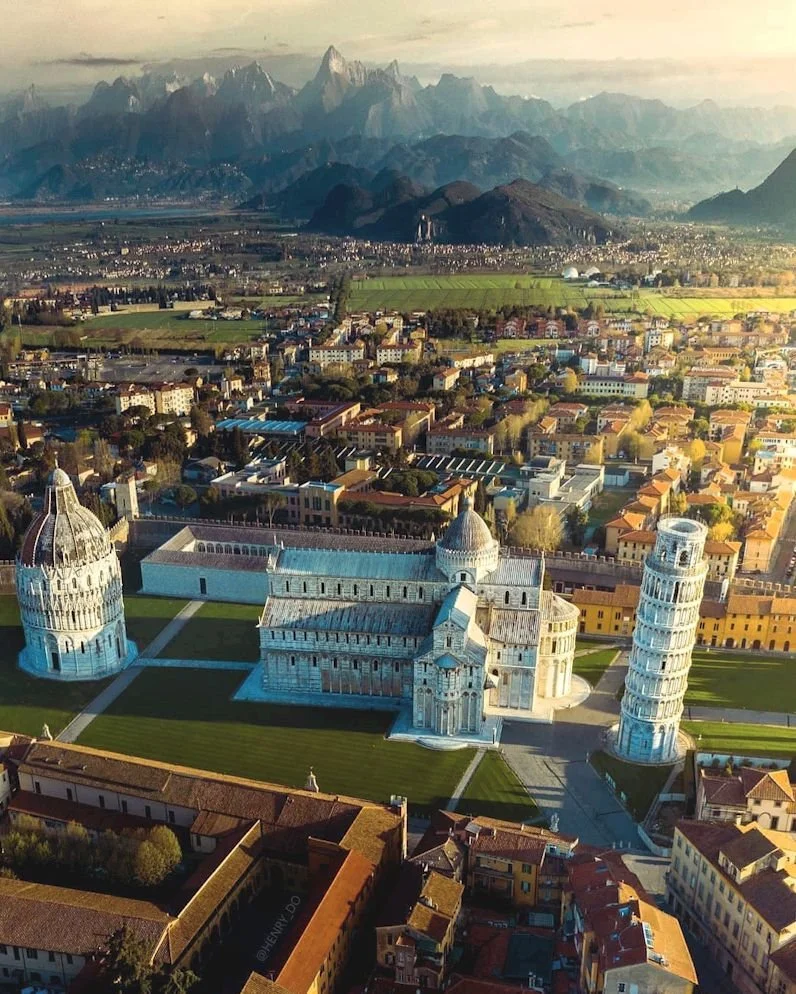
Five minutes from Pisa Airport Arrivals
According to the numbers, the undisputed monarch of the seamless arrival is Pisa. Land at Galileo Galilei airport, hop onto the automated PisaMover shuttle, and exactly five minutes later you are standing two kilometres away in the city centre. It is an arrival so brisk and frictionless that you can realistically be sitting outside a trattoria with a plate of wild boar pappardelle before your aircraft’s engines have even finished cooling on the tarmac.
I’ll be honest, this level of efficiency goes a long way at Pisa Airport – by almost all other metrics, it’s one of my least favourite transport hubs in Europe and serves possibly one of Italy’s most underwhelming cities (if your main attraction is a building with a major architectural flaw, you’ve got work to do), making getting out of there swiftly and preferably onward to the Tuscan hills all the more pleasing.
Geneva (GVA) & Zurich (ZRH): Swiss Precision
Switzerland, naturally, refuses to participate in transportation chaos. Both Geneva and Zurich treat airport transfers not as a logistical chore, but as a Swiss Federal Railways showcase.
Geneva delivers you to the centre in a mere seven minutes; Zurich takes ten. There are no erratic schedules, no confusing ticket tiers and no drama. It is clean, monochrome efficiency that treats your post-flight sanity with absolute reverence.
Tallinn (TLL): The Gold Standard
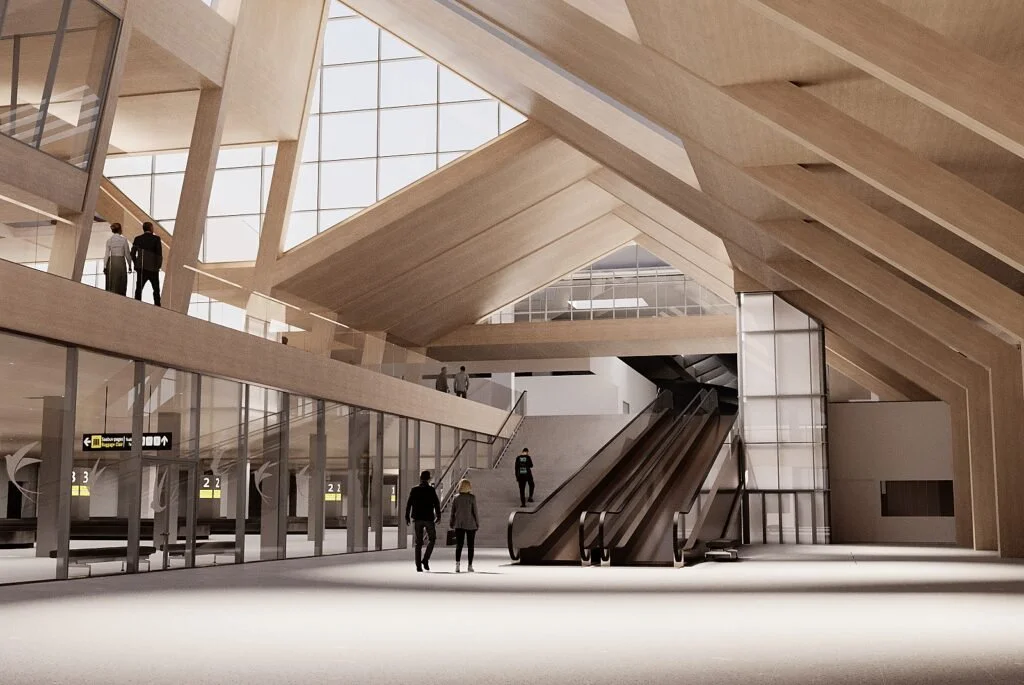
Tallinn Airport plans for 2030: Shaping up for even more improvements
Estonia’s capital regularly wins my vote for the single finest airport on the planet; it’s the only airport I know where my blood pressure actually decreases once I step inside its small, pretty and quirkily wood-lined walls. The data backs it up, too – clocking a direct transit time into the magnificent old town at a breezy 20 minutes. Even better, it also caters to a rather niche, arguably slightly eccentric obsession of mine: attempting, wherever humanly possible, to walk from a city centre straight to the departure gate.
While most passengers view an airport as a distant fortress accessible only by tarmac, Tallinn allows you to simply wander out of the old town on foot. It is a completely comfortable, highly civilised one-hour stroll that takes you past quiet local neighbourhoods.
You can easily stop halfway for a proper espresso and an herring open sandwich, before casually strolling through security without a single transport asset involved. It is an absolute joy and yet another reason why Tallinn is a city I’ll return to again, again and again.
Copenhagen (CPH): The Coastal Route
Copenhagen delivers a similar pedestrian triumph. While its DSB Metro sweeps travellers into the city centre in a flawlessly efficient 13 minutes, the geography allows for an alternative itinerary. I have successfully walked the route to and from the city out to Kastrup, a journey that tracks along a beautiful, windswept stretch of Amager strand coastline that the vast majority of tourists entirely overlook. It turns a standard travel transition into a proper, salt-aired maritime excursion, revealing a side of this stunning capital the Danes should probably shout a little louder about.
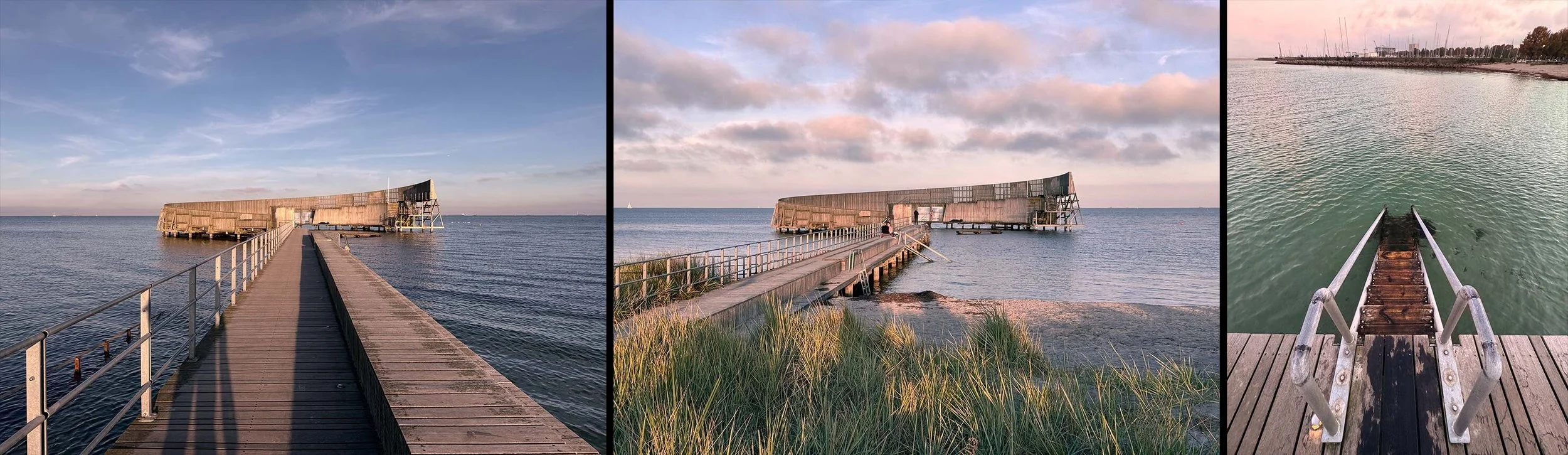
A very short walk from Copenhagen Airport - anyone up for a sea swim?
The Hall of Logistical Shame
At the opposite end of the spectrum lie the destinations that view your arrival less as a welcome and more as an endurance test. These are the hubs where the journey apparently refuses to end, and where municipal planners seem to have actively conspired to test the limits of human endurance.
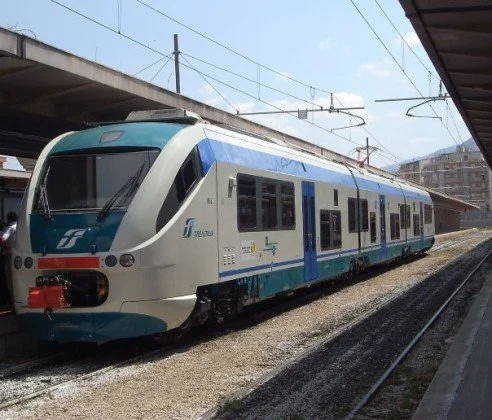
Relentlessly grim: The Trinacria Express, Palermo
Take Munich (MUC) or Palermo (PMO), for instance. The former punishes your arrival with a numbing 45-minute slog on the S-Bahn that feels less like a transit link and more like an administrative trial. The latter subjects you to a 50-minute journey aboard the Trinacria Express; a train whose name promises a mythical Sicilian adventure but delivers the kinetic charm of a moving concrete basement, usually packed with people engaging in a battle of who can talk the loudest.
However, topping the chart for sheer geographic hostility is Reykjavik’s Keflavík International. To get into the city, travellers face a mandatory 45-minute trek across 50 kilometres of bleak, wind-battered lava fields. While the volcanic topography is undeniably cinematic on day three of a holiday, it feels distinctly like a personal insult when you have just spent half a day in an aluminium tube.
Is it worth it? Absolutely – Iceland is one of those countries where the hype is entirely justified. Am I still going to whinge about the transfer? I’ve already answered that question, and I feel no shame.
Then there is the quintessential, grimly shining example known to all who didn’t bother to do their research before their trip: Milan Malpensa. It is a hub that trades heavily on the glamour of Italian fashion, yet forces you onto a 52-minute journey aboard the Malpensa Express just to reach the city. By the time you finally step out into the shadow of the Duomo, your linen suit will be thoroughly creased, your patience entirely depleted, and the concept of la dolce vita will feel like a cruel myth invented by marketing executives who have never actually had to carry their own luggage.
The best bit? Milan Bergamo really isn’t much better.
The Verdict: Architectures of Welcome
What this data ultimately reveals is a fundamental truth about travel, and one we’re simply not going to stop banging on about: luxury is not about opulence, but rather the elegant elimination of friction.
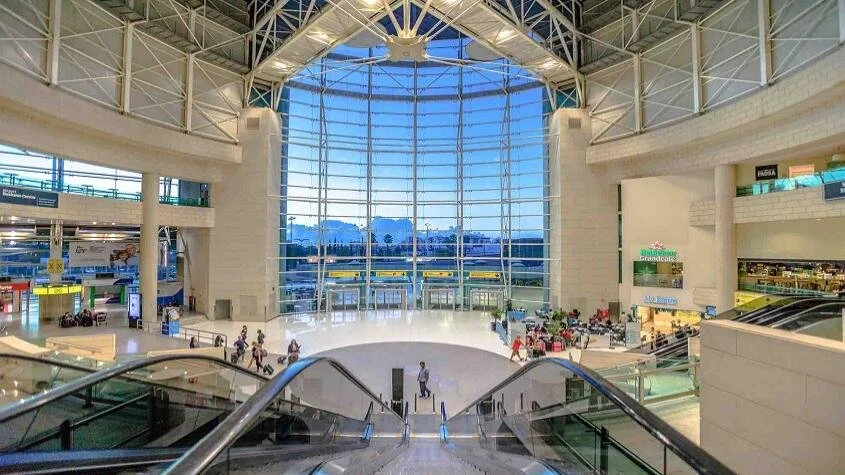
Lisbon Airport: Firmly on the nice list
A city like Copenhagen or Lisbon (a capital also worth mentioning on this list as a shining example of efficiency), which seamlessly sweeps you from the arrivals gate into a sleek metro line and delivers you to a design hotel within twenty minutes, understands the modern traveller.
They recognise that the holiday doesn't begin when you check into your suite – it begins the moment you step past customs. Choose your points of entry wisely this summer, dear reader. Life is far too short to spend the first hour of a European holiday staring blankly at a bus timetable in a subterranean concrete terminal, and no trip should end by navigating a soul-crushing grey dullscape.
That’s what Stansted Airport’s for, after all.
