
What Luxury Travellers Really Want in 2026
I know this title is likely to rattle a few people, but allow me a paragraph or two to lay down the philosophy, expand upon the thesis and make my litany of excuses. After all, there’s a bit of personal accountability to get through first, and if I can’t process my professional demons in these pages, then where else can I seek some kind of journalistic absolution?
I’ve been working in the luxury industries for some time, both as a copywriter for certain high-end household brands and within the journalism sector, too. I’ve spent many years writing for the kind of magazines that absolutely draw the parallel between price and quality; publications that wouldn’t dream of adding a seafood shack in a carpark to the list of best places to find delicious shellfish in the UK, and which no doubt would turn their nose up at the idea of ranking Gigi’s pizza – a tiny, slightly scruffy eatery on Bristol’s Old Market Street – alongside Michelin starred restaurants, despite the fact that anyone who’s eaten at Gigi’s will attest it’s right up there with the best that Bristol’s impressive food scene has to offer.
Yes, I’ve propped up the myth that wealth and luxury are inextricable partners, and that anything less than five stars equals something unworthy of attention. I was wrong, and for the longest time (which I feel counts as an excuse, of sorts), the luxury industry was wrong, too.

Not a chandelier in sight
After all, there was a time when luxury travel, in particular, largely revolved around accumulation – it was an era of bigger suites boasting better thread counts, of champagne handed out at check-in, while a fleet of staff members would materialise every few minutes to ask whether everything was as wonderful as it should be. Whether you were stepping from a limousine already half-cut on Beluga vodka or recovering from an EasyJet flight and a Pret sandwich was irrelevant: the formula dictated that stepping into a luxury hotel or resort meant visible, often overwhelming, levels of abundance. The more excessive the appearance, the more successful and worthy it was presumed to be.
This has changed, albeit rather quietly – luxury trends have a tendency to not announce themselves all at once. Rather, they emerge gradually and hide themselves behind behavioural shifts, small observations and subtly altered paradigms. Travel enough in 2026 – goodness knows we do, as the bags under my eyes increasingly suggest – and you’ll begin noticing a new pattern taking to the fore. The era of abundance is passing, and the most desirable locations are not necessarily the most extravagant ones.
Instead, they’re the ones that feel the easiest… which isn’t the same as the simplest or the cheapest, but rather the ones which offer the most tangible sense of relief.
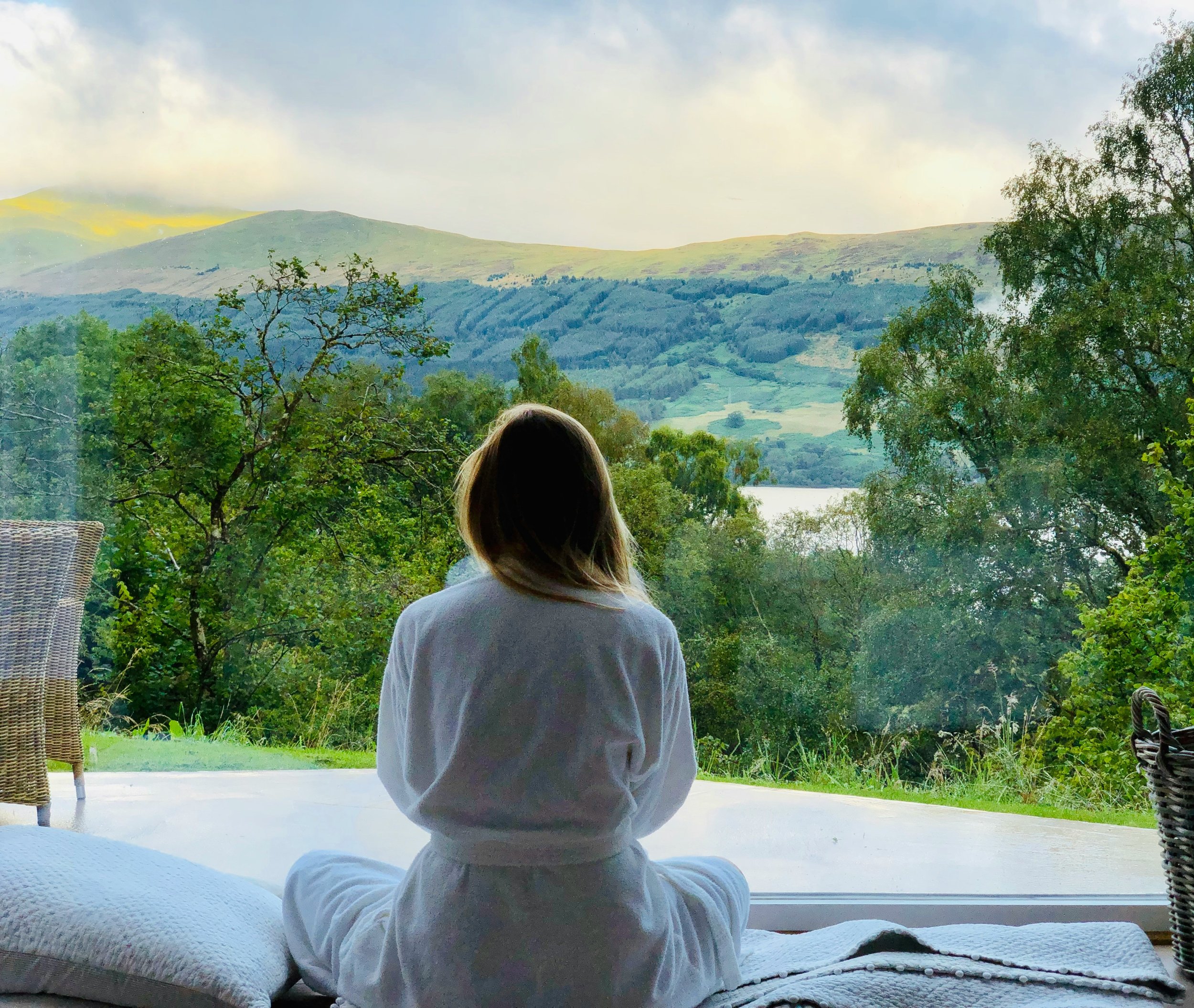
There’s no price tag on true relaxation
This is because the modern luxury traveller isn’t particularly interested in excess, and primarily because excess in one country or on one continent is increasingly beginning to look the same wherever you go. The pursuit of relief comes in all forms and from many different angles: it’s the relief from queues, from noise, from decision fatigue, from the demands our digital devices put upon us. It’s the relief, quite simply, from having to think too much, even if for only a couple of days. In other words, the real currency of luxury travel is no longer cold, hard cash, but rather energy… and that’s a seriously important shift for people like me to pay attention to, because it suggests that the old guard I once worked for and the former industry I once worked in has lost a huge thwack of its relevance.
The Best Luxury Hotels Remove Friction
The interesting thing about all this is how instinctive it has become. You can usually tell whether a hotel is ‘good’ within the first five minutes, and it’s got very little to do with the design of the lobby, whether the right scent is being pumped through the AC system or if there’s a vast floral installation blocking a stairwell and in need of a full-time gardening team. These things really are little more than aesthetic shorthand or luxury branding, and as I’ve mentioned, they’ve become so uniform and standard that they’ve lost their own distinction in the process.

I’ll take a well-made croissant over any breakfast buffet
The real test of a hotel, seen through this contemporary and refreshing new lens, is whether or not they feel calming or administratively exhausting. Too many luxury hotels (and I’m pointing the finger primarily at the USA, although the experience can be found anywhere) offer check-in experiences which resemble the onboarding process for a new software program. You’re handed forms to fill, you’re given explanations to ponder, loyalty schemes to consider, additional fees and charges to shoulder. You’re given a six-minute overview of the breakfast buffet, delivered with all the solemnity of a NATO briefing, and then you’re briskly walked down anonymous corridors to a room that could be in any city with an international airport.
Genuinely good hotels behave differently. The process barely seems to happen at all – your needs are anticipated, not lectured. Bags are taken before you consciously register needing help, your room key appears naturally and information – crucially – is given only when relevant. The mental load is lightened and the experience feels seamless, and far, far more worthy of whatever you’re paying for it.
There’s an irony at play, of course: creating this feeling of calm and effortlessness usually requires an enormous amount of work to get right. Behind the scenes, great cogs are turning and the swan’s feet are a blur – but that’s the paradox of great hospitality. The less you notice it, the better it’s likely to be.
Why Modern Luxury Travellers Value Ease Over Extravagance
The former incarnation of luxury was all about the spectacle, and it’s not hard to find traces of it everywhere. Hotels continue to compete over infinity pools and chandelier sizes as though guests spend their holidays conducting forensic analyses of ceiling fixtures.
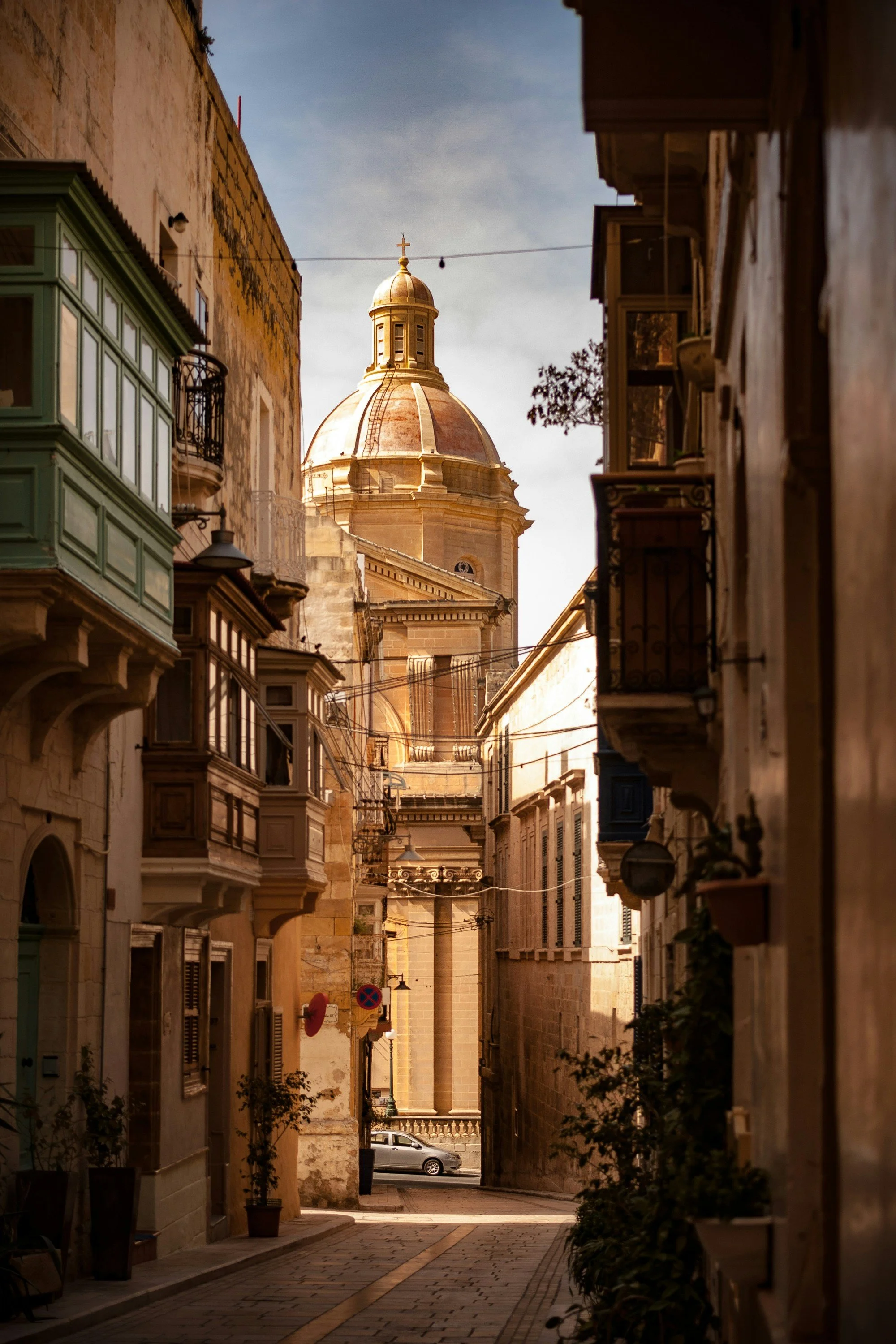
The comfort and joy of getting lost for a while
But increasingly, travellers are gravitating towards something less performative, and ease has become central to customers’ interpretation of what luxury should mean.
Let’s consider this through the lens of food, because the shift happened in restaurants some time ago and was, on the whole, widely accepted as a move in the right direction. Luxury restaurants used to be those with vast menus; huge, leather bound tomes promising the world through a litany of flavours. Today, this is considered an immediate red flag – instead, restaurants with very concise menus of just a handful of dishes on each course are considered the ones to seek out. It not only suggests a kitchen team that have figured out how to deliver something close to perfection, it removes the tyranny of choice and the anxiety the customer feels about making the wrong choice. Finesse over razzle, dazzle and all the rest – isn’t that what we all want?
Quiet, boutique hotels with intuitive lighting and a genuine connection to their location suddenly feel more appealing than sprawling resorts, because people don’t reminisce fondly about needing a map to find the gym. They remember the hotels that really worked and delivered real, lasting relaxation. It’s a process of reduction, refining the experience to moments of bliss.
Why Smaller Hotels Often Feel More Luxurious
Many, many travellers today are drifting towards smaller boutique hotels (and private villas, which is worth a whole other article in itself) for a number of different reasons. However, most notably, it’s because large luxury brands have become so good at delivering consistency that they’ve forgotten what lies at the heart of the luxury experience: leaving something of everyday life behind at the door, and letting escapism transport you to someplace new.

Luxury is unique, not uniform
Smaller hotels allow room for humanity – it’s there in the multilingual receptionist who’ll recommend the best bar in the old town rather than deliver a polished script. It’s there in breakfasts that unfold naturally and at a relaxed pace, rather than with the efficiency of an airport lounge. These are the details that people remember, and they’re about attentiveness instead of abundance and of presence rather than performance. Importantly, they adhere to a philosophy that’s especially close to our hearts: They’re rarely the most expensive options in town, because luxury isn’t about shelling out a hefty sum of money, but rather about knowing where the best experiences and greatest sense of escapism lie.
Simply put, the future of luxury travel is emotional. It’s possibly inevitable that this will continue as a trend for some time: modern life, with all its stresses and strains, has become far too cognitively demanding for old--fashioned ideas of luxury to fully satisfy people anymore. Every platform demands attention, every app requires another password and every journey involves notifications, QR codes, comparison sites, surge pricing and approximately seventeen opportunities to accidentally book the wrong thing. It’s exhausting, and people want and deserve a break.
All of this essentially means that luxury travel increasingly serves a different purpose than it once did, and it no longer exists purely to impress – rather, it exists to restore, allowing guests to let go of their worries and cares and (possibly) even go off-grid for a little while. It’s why so many of the most luxurious places in the world are slowly, steadily beginning to appear surprisingly understated. They’re showing up as quiet coastal hotels without a television in the room, or even places where sensory deprivation experiences, darkness retreats and opportunities for stillness and silence are among the many options available.
Such places understand that hospitality isn’t really a performance, but rather an opportunity to provide emotional regulation and where guests are allowed to return to themselves. Herein, we can see the difference between expensive travel and luxurious travel: the expensive might impress for a moment on arrival, whereas luxury leaves you feeling better long after you’ve returned home.
