
Cecil Beaton's Fashionable World Exhibition Review: An Icon of Modernism, Revealed
Whether you’re profoundly acquainted with the work and output of Cecil Beaton or not, the impact and influence he had over the visual idioms and vocabulary of the 20th century means his work remains utterly recognisable. Indeed, he’s as ubiquitous as other 20th century visual giants like Warhol, and every bit as important in reflecting the essence of stardom back at his audience - which was (and still is) every single one of us.
Like many, I first came across Cecil Beaton via My Fair Lady - the iconic scene at the races, when Audrey Hepburn’s Eliza Doolittle debuts her brand new look, is a fascinating piece of modernist cinema. Suddenly, and rather jarringly, the film transitions to something more akin to a theatrical stage or fashion shoot; the actors freeze in position, shift like mannequins from pose to pose, each styled in the monochromatic elegance that was Beaton’s calling card. It’s a superb example of what he did best, which was to capture, crystallise and redefine the elegance and glamour of his time through a lens that deeply understood the importance of fashion as an artform.
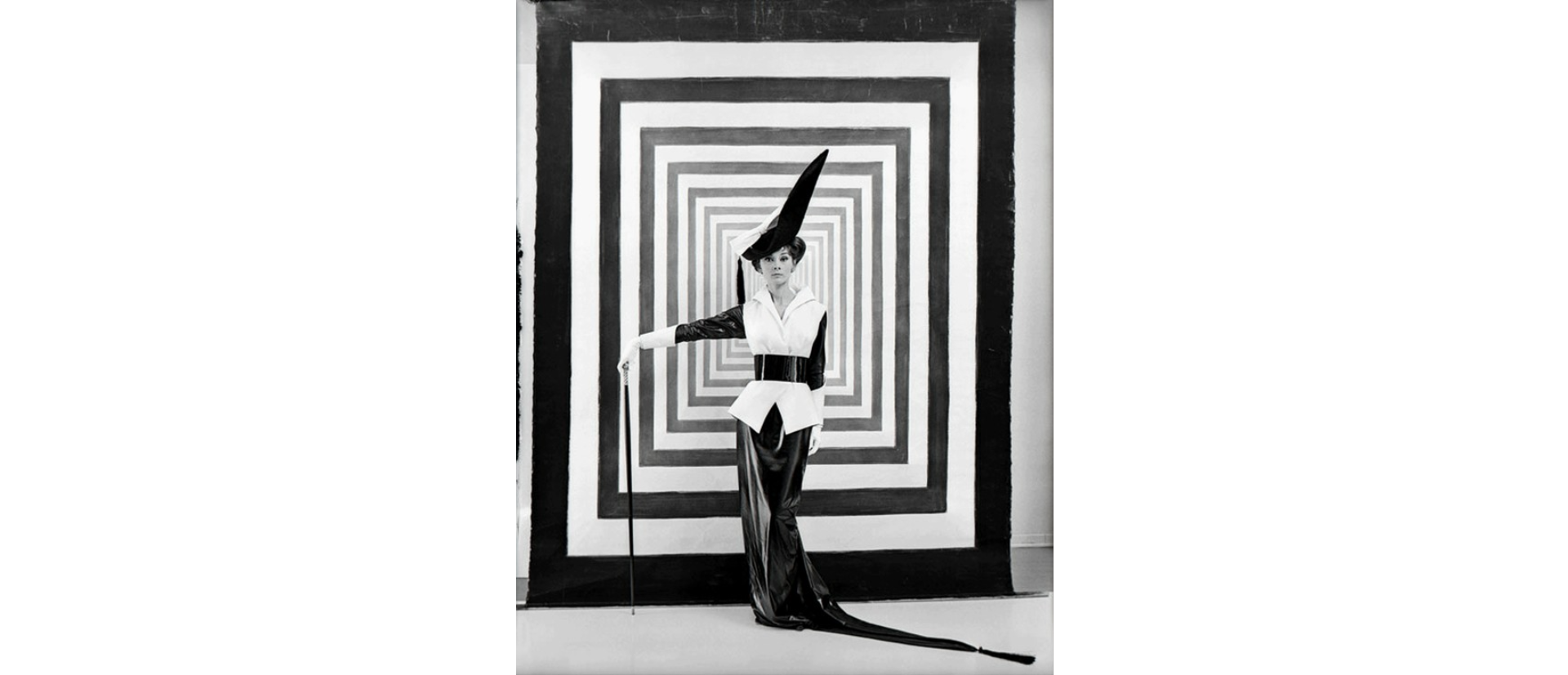
Audrey Hepburn X Cecil Beaton, a match made in geometric heaven
The National Portrait Gallery’s retrospective on Cecil Beaton - fittingly titled ‘Cecil Beaton’s Fashionable World’, for it is a world in which we’re invited to wander and immerse ourselves - is the first of its kind. That’s something rather remarkable in itself; Beaton’s contributions not just to fashion photography but to the iconography of multiple transformative decades are more than worthy of multiple exhibitions and showcases. Better late than never, I suppose.
Known as ‘The King of Vogue’, Beaton transformed both portrait photography and fashion documentation into a distinctive artform. Robin Muir - the curator of the exhibition and a contributing editor at (where else?) Vogue understands this implicitly. The show guides us through Beaton’s meteoric rise to fame and his ongoing influence in the spheres he helped formulate a century ago, and positions him as both celebrity photographer and talented fashion illustrator. The exhibition delves into his other accolades and accomplishments too, and is a potent reminder that Beaton was also an Oscar-winning costume designer, skilled writer and documentarian, and witty caricaturist. Across 250 display pieces - ranging from costumes to photographs, artful sketches, letters and more - the show provides a holistic view of a creative whose spirit looms large over a civilisation that owes him an enormous debt of gratitude.
As we wander from space to space, we are introduced thematically to several aspects of Beaton’s life and work. There’s a section dedicated to the ‘Bright Young Things’ of 1920s London, a reminder that the jazz age was something of a fantasy on this side of the Atlantic, a dressing-up box that lived in a barely-existent ivory tower. We move on to his years with Vogue in Paris and New York, then to a range of portraits of Hollywood legends and crowned heads, and into the depths of his often-forgotten wartime photography. The final space is dedicated to the razzle-dazzle of 1950s Hollywood, and of course the Oscar-winning designs that made My Fair Lady such a memorable work of brilliance.
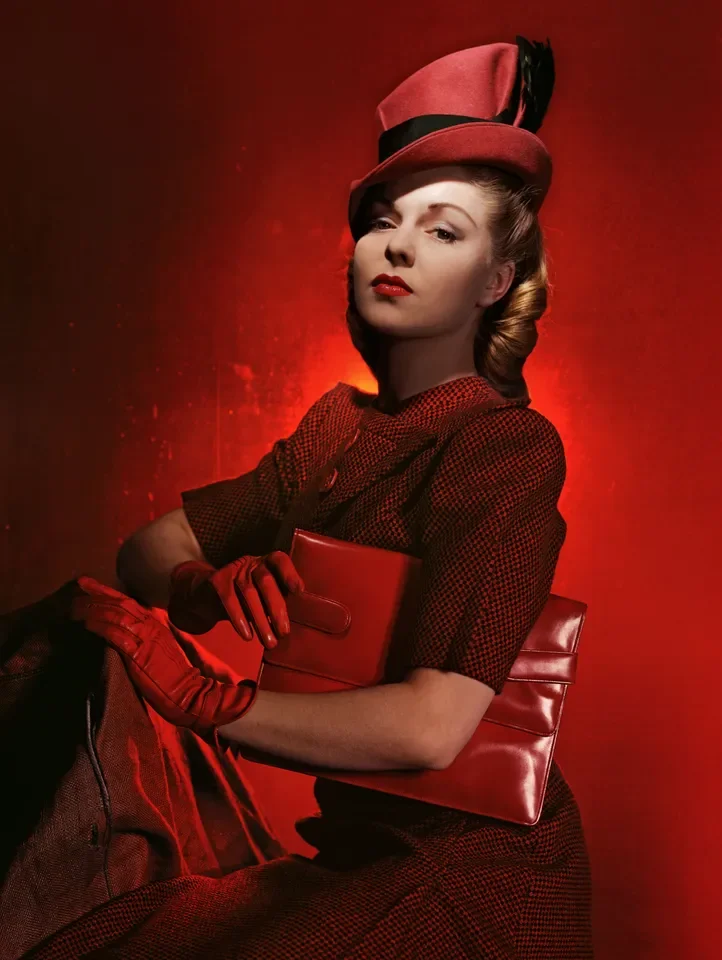
They don’t make ‘em like they used to
It’s been more than four decades since Cecil Beaton passed away, and yet his work and vision remains a significant cultural touchstone for visual culture, fashion photography and design that seems impervious to the comings and goings of various trends. He possessed a talent that allowed him to capture a pristine, almost icy surface beauty, while perfecting the art of expressing the depths of his subject’s character. In doing so, his work defined an era and informed the eras that followed.
Robin Muir’s curation of this important exhibition work as a powerful reminder of a talent, a character and a legacy that continues to inspire - the number of contemporary artists, designers, photographers and more who take cues from Beaton are countless in number, and the volume of work on display demonstrates in stunning detail just how influential Beaton’s work remains.
It’s also an opportunity to remind ourselves of the glamour and wit that’s deeply embedded in Beaton’s work and character; there’s an essence of playfulness and an appreciation for beauty that, in these grim times, is nothing less than a joy to uncover.
Cecil Beaton’s Fashionable World is held at The National Portrait Gallery 9 October 2025 - 11 January 2026
