
La Table du Couvent Review: A Love Song to Limousin
There are certain corners of the world where it’s almost impossible to eat badly. Italy’s peerless Campania region. Almost all of Thailand. San Sebastian in northern Spain would be another, and I’d (perhaps controversially) throw a couple of more remote Nordic locations into the mix. There are, by the simpler binary laws of the universe, those places where the exact opposite is true. I won’t name them. They, and you, already know where they are.
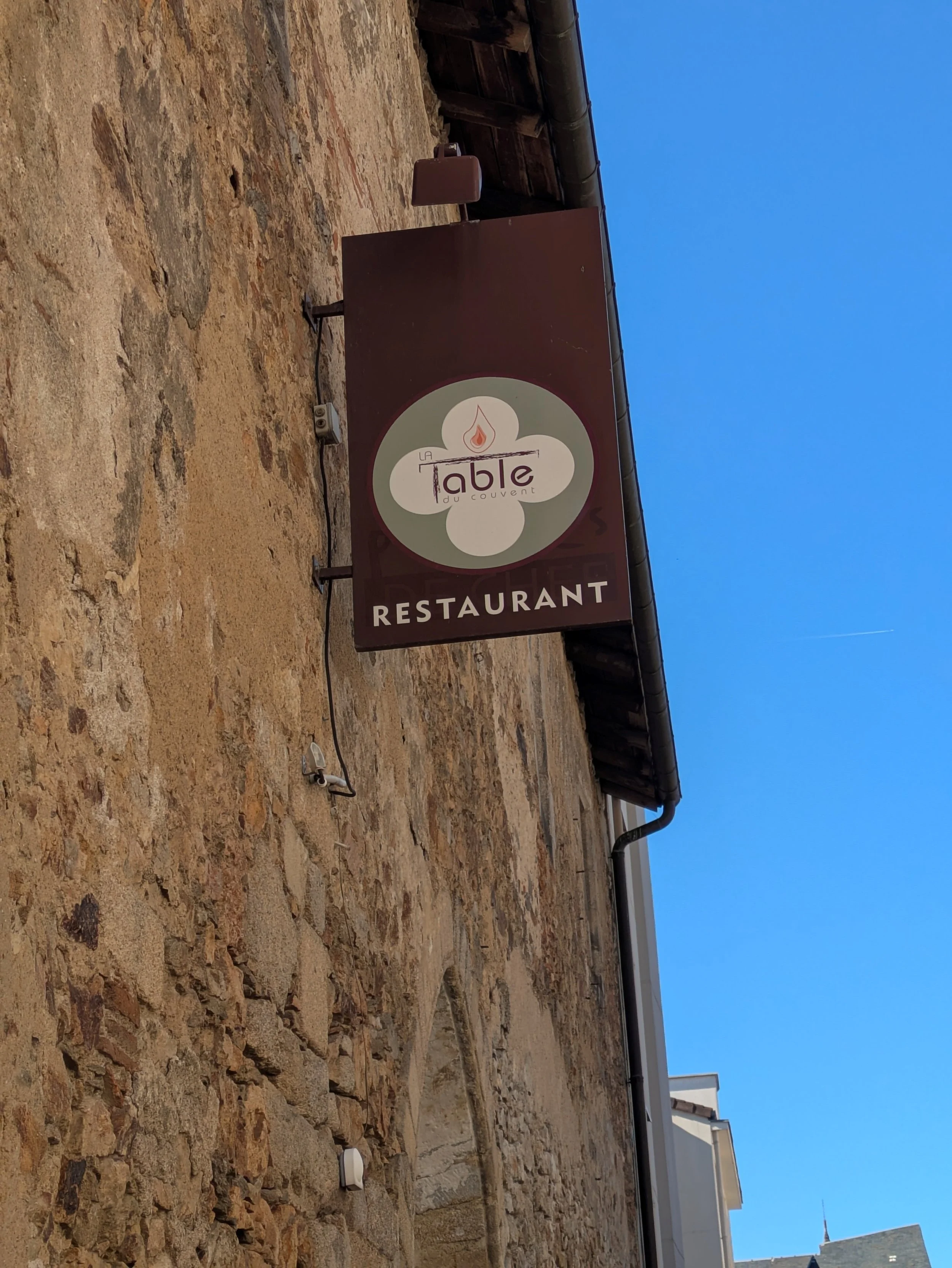
Divine intervention at La Table du Couvent
The Limousin region of France, nestled between Bordeaux and the pristine beauty of The Dordogne, stands proudly amidst these former hallowed gastronomic peers. Famed for the distinction of its beef and a stunning array of cheeses, wines and other treasures, Limousin takes the provenance and superlative quality of its produce very seriously indeed, and this is something that comes across with stunning intent at La Table du Couvent - quite simply, one of the most thrillingly brilliant restaurants I’ve ever encountered.
Located in the heart of Limoges’ medieval centre, La Table du Couvent makes a hell of a first impression. As the name suggests, the building it inhabits was a 14th century convent - all vaulted arches and the kind of monastic starkness that the centuries have lent an inherent grandeur. Step through the ancient oaken doors, and you’ll find yourself in a sunlit-strewn dining room that rings with the clatter of crockery and the buzzing hum of Gallic chatter. There’s a touch of smoke and char in the air, a heady fog of oh-so ripe cheese, and a decidedly unpretentious (at least, for a restaurant that’s held onto its Michelin star status for an impressive number of consecutive years) ambience that speaks of an unfettered love of food and feeding.
La Table du Couvent is owned and operated by by chef Gilles Dudognon - a giant of the Limoges food scene, who also runs the Michelin-starred kitchen at nearby La Chapelle Saint Martin, the Maison du Fromages a few streets away, and other local businesses committed to flying the flag for Limousin cuisine. He’s a formidable character; forever dressed in his chef’s whites and a pair of crocodile boots that would make Jimmy Nail weep into a pint of mild, Dudognon sees La Table du Couvent as both a labour of love and as a love letter to the region from which he hails.
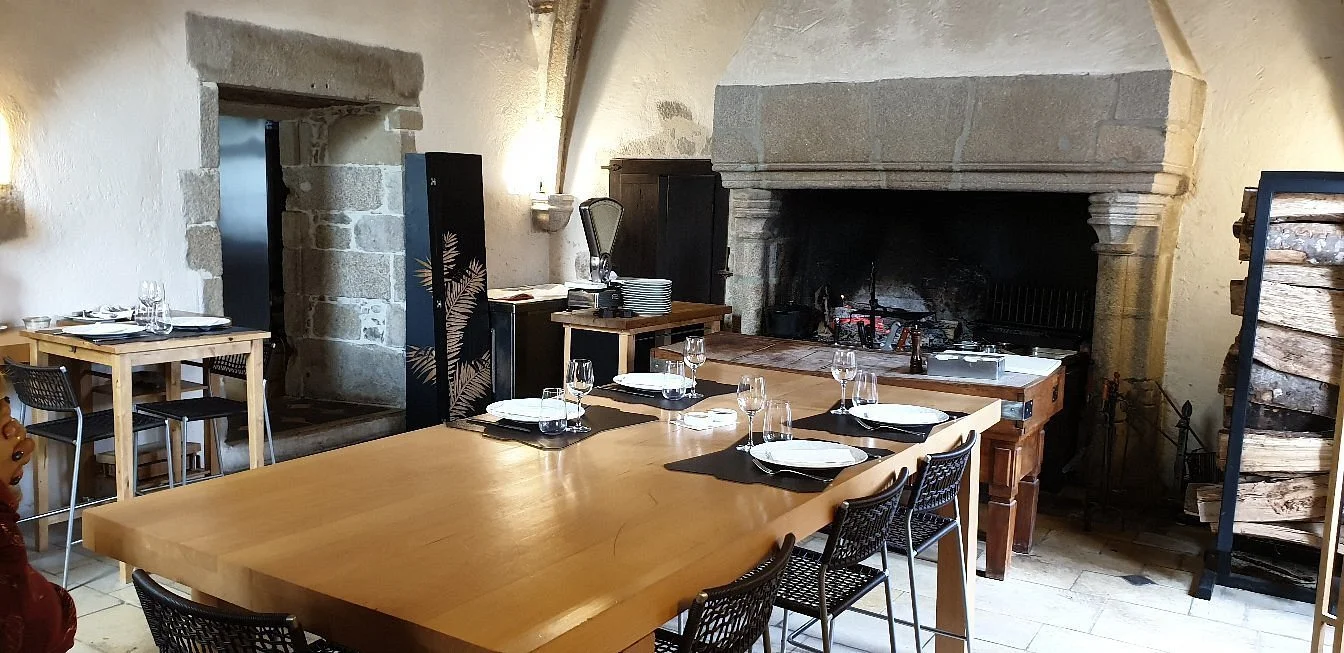
Dinner with a show
There has been a glut of restaurants over the past few years making a significant song and dance about what’s come to be known as ‘elemental cookery’ - that is, essentially, cooking meats in a restaurant kitchen over fire. It’s usually a shorthand for a chef with a coiffed lumberjack’s beard, a plethora of dodgy tattoos and the misguided belief that he (and yes, it’s always a ‘he’) has invented a method of cooking pioneered in the paleolithic period.
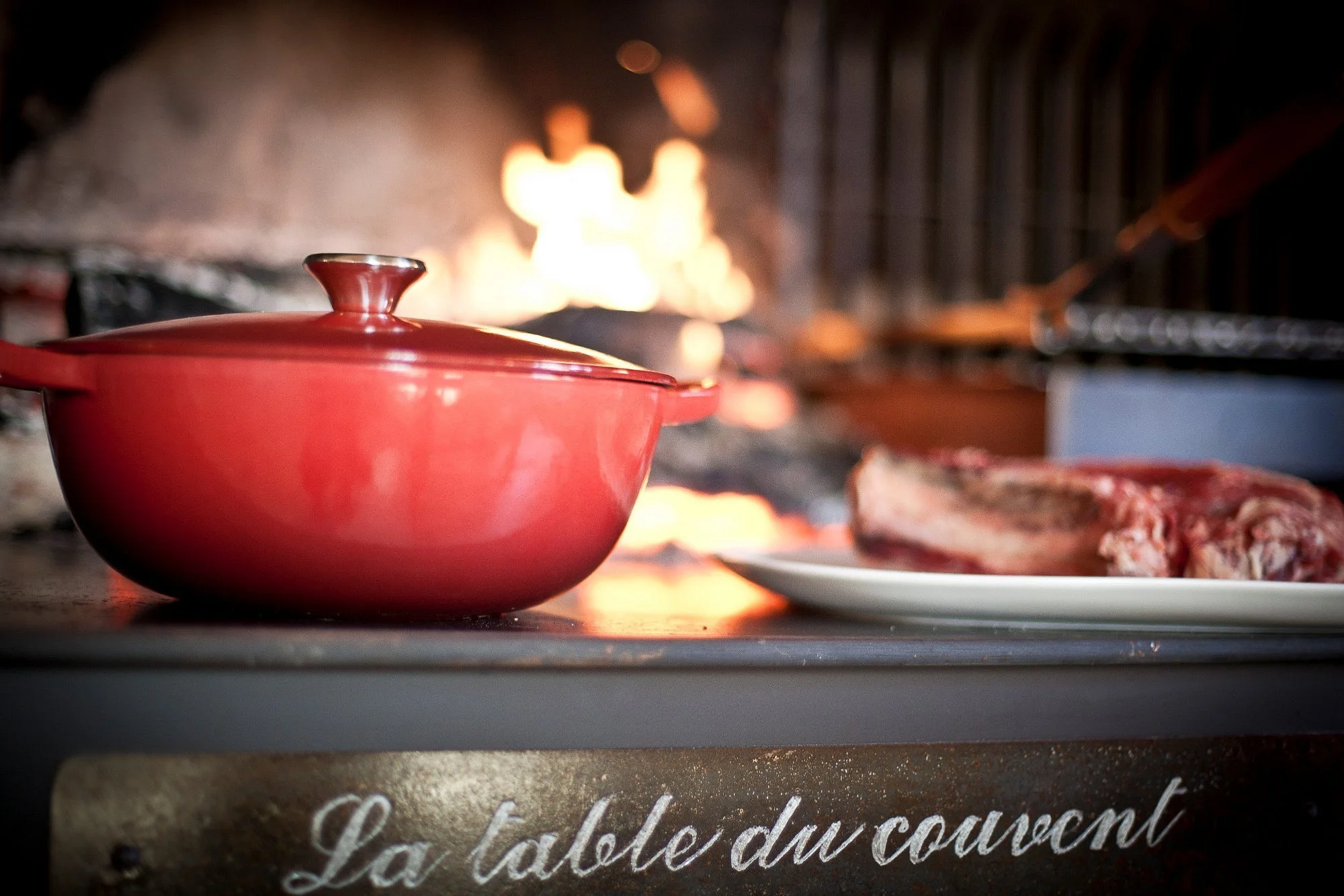
As Gallic as it gets
One could certainly argue that La Table du Couvent offers ‘elemental’ gastronomy - the open kitchen, after all, is centred on the convent’s original stone brazier and various steaks licked by flames and woodsmoke - and yet this isn’t an exercise in trend-chasing, it’s merely recognised as the simplest and best way to ensure the meat tastes of its own glorious, slow-reared and boisterously-flavoured self. Seasoning is limited to a sprinkling of sea salt. Plating involves roughly slicing hunks of Limousin cattle and adding them to a platter. With produce this exceptional, to mess around with what nature has provided would be nothing less than sinful.
I could go into the various details about hanging and maturing and dry-ageing the beef on offer, but as Dudognon never once mentioned it between almost hand-feeding me forkfuls of meat, I’m not sure it’s a message he’s particularly bothered about communicating. Needless to say, this is a team that knows what they’re doing, and the proof of their methods comes across with blindingly obvious clarity on each and every plate.
Of course, there were various accompaniments to the beef - we had a thrillingly rustic dauphinois that bubbled and blistered out of earthenware pots, a selection of sweetbreads (always a favourite among the more challenging cuts of offal, in my opinion) and a boldly charred duck breast. There was head cheese - another somewhat divisive staple of French farmhouse cookery - and copious quantities of bread and butter, in case you forgot which part of Europe you were in. Red wine, from the criminally-underrated Bergerac region just down the road, ensured constant lubrication - as it damn well should.
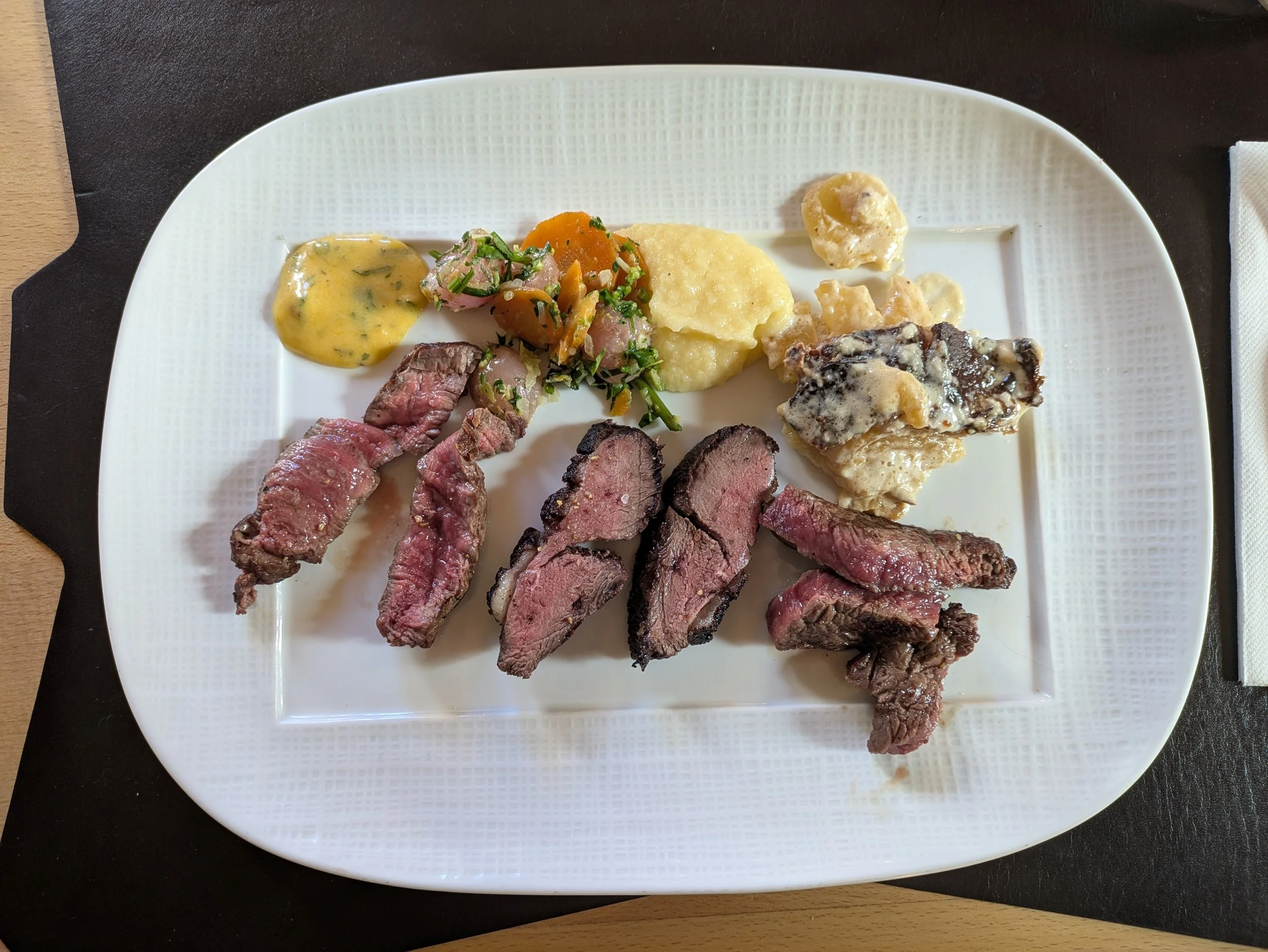
Thrillingly unpretentious gastronomy
There’s a real joy in knowing that restaurants like La Table du Couvent exist in the world, and that they’re continually being lauded by the increasingly sniffy and exclusive Michelin gatekeepers of gastronomic wizardry. It’s a place which feels as much a culinary experience - an afternoon at the theatre, for those who take pleasure in watching skilled craftspeople do what they do best - as a community hub for fellow gourmands. The daily specials menu featured local specialities such as blood sausage and andouillete (a honkingly French delicacy that even a committed Francophile and gastronaut as myself can’t quite bring myself to enjoy) for under twenty euros, and it eschews the kind of stuffiness and frigidity all too often associated with fine dining.
In essence, La Table du Couvent encapsulates a deeply special part of France in a truly spectacular historic space. It’s an ode to the region’s finest exports and best-kept secrets, and within its joyfully casual approach to ensuring guests leave stuffed to the gills with incredible dishes, it’s rocketed its way to the upper echelons of my favourite restaurants.
Vive la vie Limousin.
