
Paul Smith x Gabriela Hearst: Inside Fashion's Most Thoughtful Collaboration
Modern fashion collaborations are, almost without exception, exhausting. All too often, they are loud, multi-million-pound exercises in corporate synergy designed primarily to break the internet, dominate TikTok algorithms or convince you that a logo swap is a historic cultural event. Indeed, I’ve often been found opening a press release, figuratively holding my nose and yet still discovering the lingering miasma of boardroom compromise, aesthetic committee meetings and an outright sense of panic in their attempts to remain relevant.
It is a distinct relief, then, to find a collection that operates on an entirely different frequency.
There are no neon branding crossovers here; no gimmicks designed to look good on a smartphone screen for three seconds before being forgotten. Instead, the quiet, contemplative partnership between British tailoring legend Sir Paul Smith and Uruguayan design powerhouse Gabriela Hearst is an intimate conversation rooted in a handful of vintage photographs and a mutual obsession with raw material. It is a rare example of a collaboration that doesn’t shout to get your attention, but rather simply trusts that you have the taste to notice.
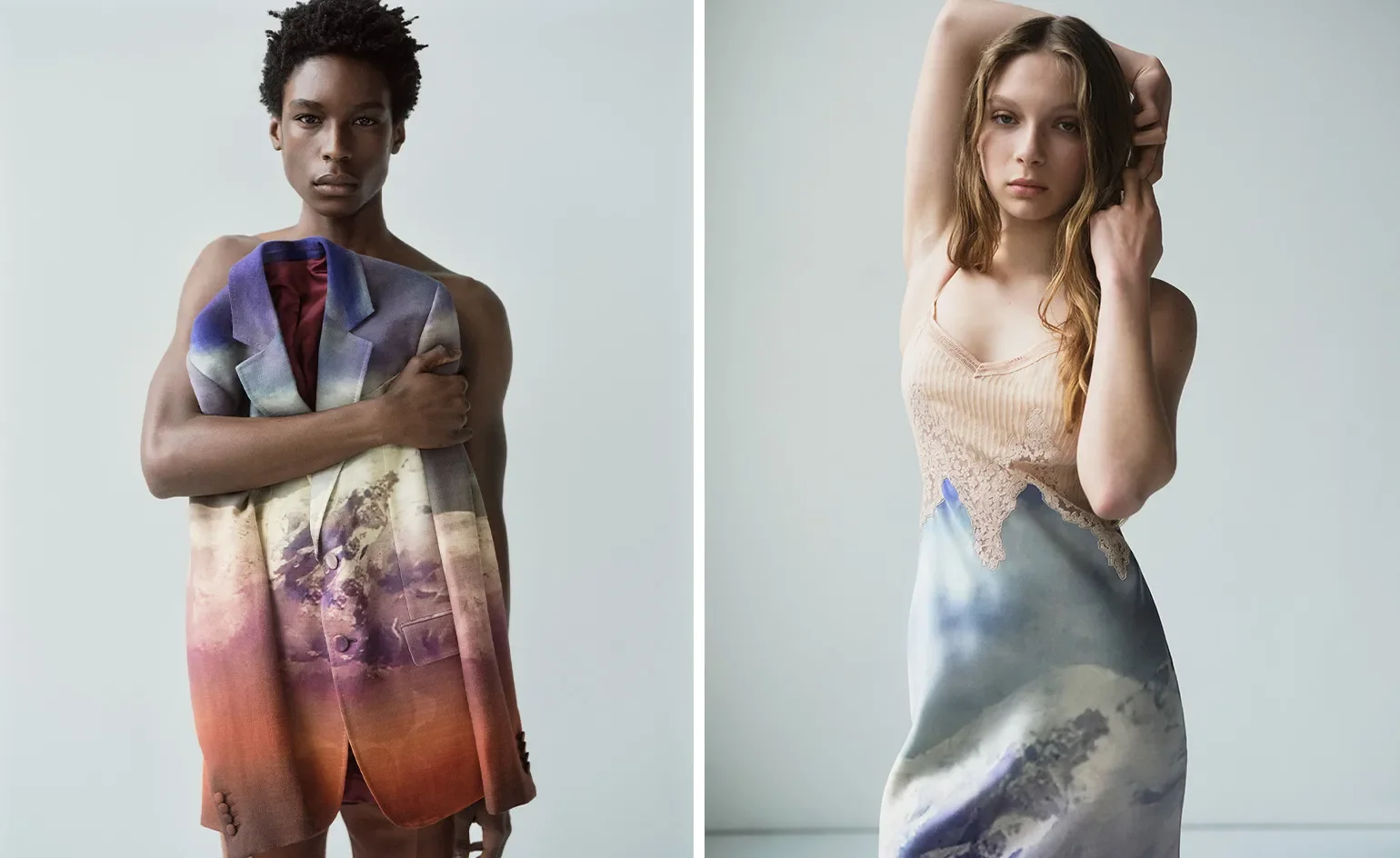
Paul Smith X Gabriela Hearst
I’ve been a long-time admirer of Paul Smith. In fact, my 40th birthday a couple of months ago saw me gifted my first ever bespoke suit. I happily trotted to a tailor in Clifton, Bristol, with my phone full of screenshots of my favourite Paul Smith suits as a reference point, a little like I did as a teenager sauntering to the local barbers, holding tatty print-outs of Brett Anderson and Nicky Wire to thrust in front of his bemused face. To see Paul Smith still innovating, still looking backwards and forwards at the same time, and still championing craftsmanship and a decidedly British nonchalance, is a rather personal joy. To discover Gabriela Hearst by association, it turns out, is nothing less than a delight.
Immortalising The Eye of Harold B. Smith
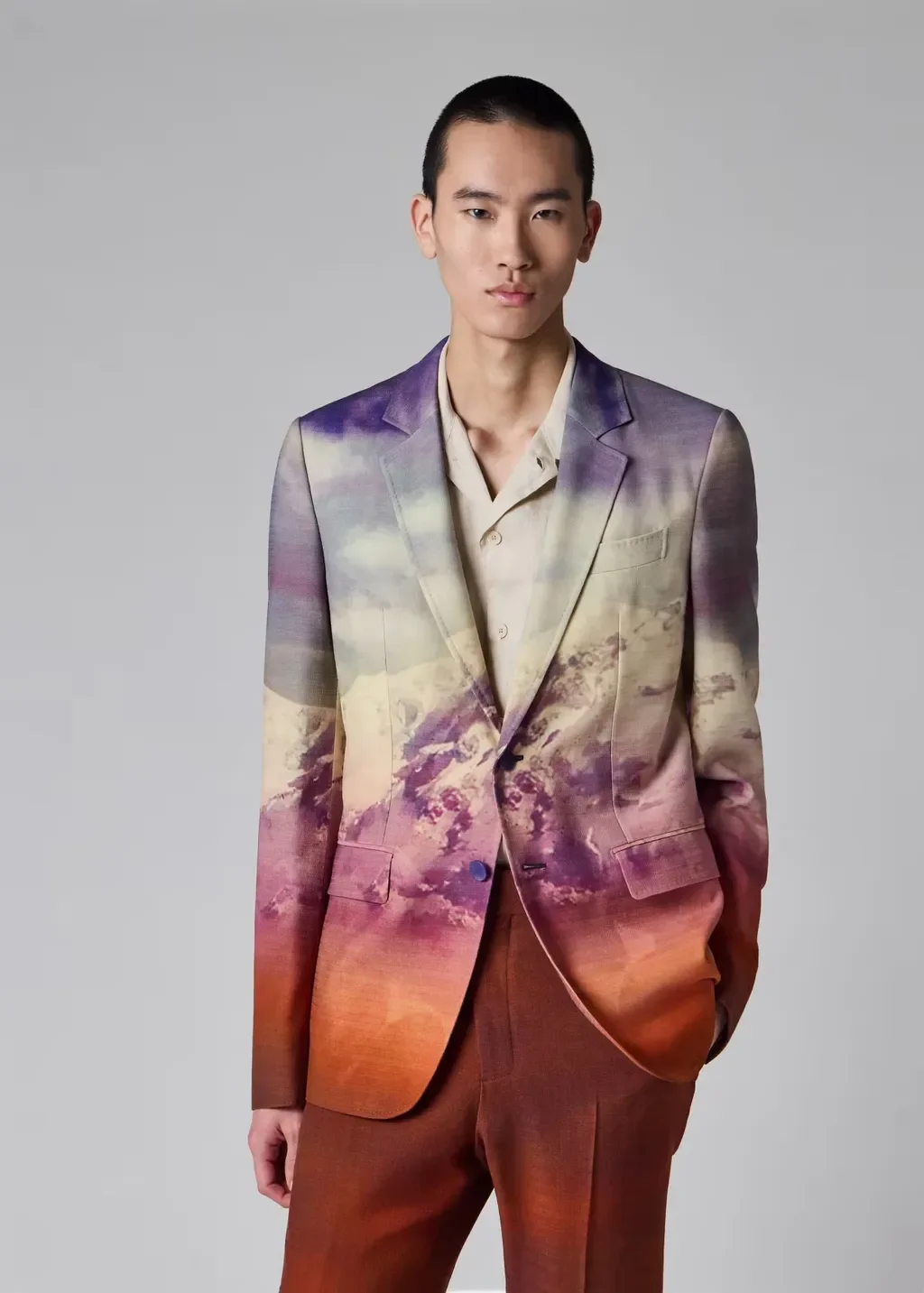
Sheer romance and nostalgia
The catalyst for this fourteen-piece collection is a deeply sentimental one, reaching back to a mid-century amateur camera club in Nottinghamshire.
Long before Paul Smith became a global synonym for British tailoring with a twist, his father, Harold B. Smith, was a member of the Beeston Camera Club. Harold spent his weekends documenting the English countryside, capturing landscapes with the patient, unbothered eye of a true enthusiast and two of those specific photographs (one capturing the quiet majesty of a mountain, the other tracking the fluid movement of a waterfall) form the structural spine of this collection.
Rather than aggressively sublimating these images onto standard streetwear shapes, Hearst and Smith have treated them as painterly, abstract motifs, drifting in and out of a haze of beautiful, pastoral nostalgia. A waterfall becomes a sweeping silk wrap trench coat, a mountain texture informs the exact hue of a pair of flawlessly draped virgin wool trousers.
As Paul notes, the project felt like a real privilege because he and Gabriela share so much common ground: neither had a formal training in design, meaning that learning by doing is what ultimately connects them.
The Field-to-Factory Blueprint
What elevates this partnership beyond a lovely family homage, however, is Hearst’s notoriously meticulous approach to supply chains. The Uruguayan designer, who spent three years steering Chloé through an aggressive, environment-first revolution, treats material sourcing with the intensity of an investigative journalist. The pieces in this collection feel reassuringly substantial, boasting a transparent provenance that can be traced precisely from rural field to Milanese cutting room floor.

English quirks, Uruguayan crafts
The tailoring relies heavily on virgin wool barré, selected specifically for its structural weight, giving the jackets the kind of crisp, architectural silhouette that holds its shape through a transatlantic flight or while pounding the pavement in some European capital. Meanwhile, the collection's jumpers are hand-spun from heavy cashmere by Manos del Uruguay, a non-profit cooperative that helps women craftspeople in rural communities find true financial independence. I’ve always liked how Smith claims all of his clothes, even his more structured suits, should feel a bit like a cardigan in their effortless comfort. His collaboration with Hearst has realised something he’s been focused on for decades; matching style with ease that goes beyond merely how it feels on the body, but also how it weighs – or doesn’t – on the mind.
Even Hearst’s signature ‘Nina’ and ‘Demi’ top-handle bags have been subtly reimagined, stripped of unnecessary hardware and re-framed through a cleaner, more painterly lens. It is luxury which understands that the inside of a garment, namely its history, its ethics, and its tactile reality against the skin, matters infinitely more than the logo on the outside.
English Pastorals Meet New York Sensibility
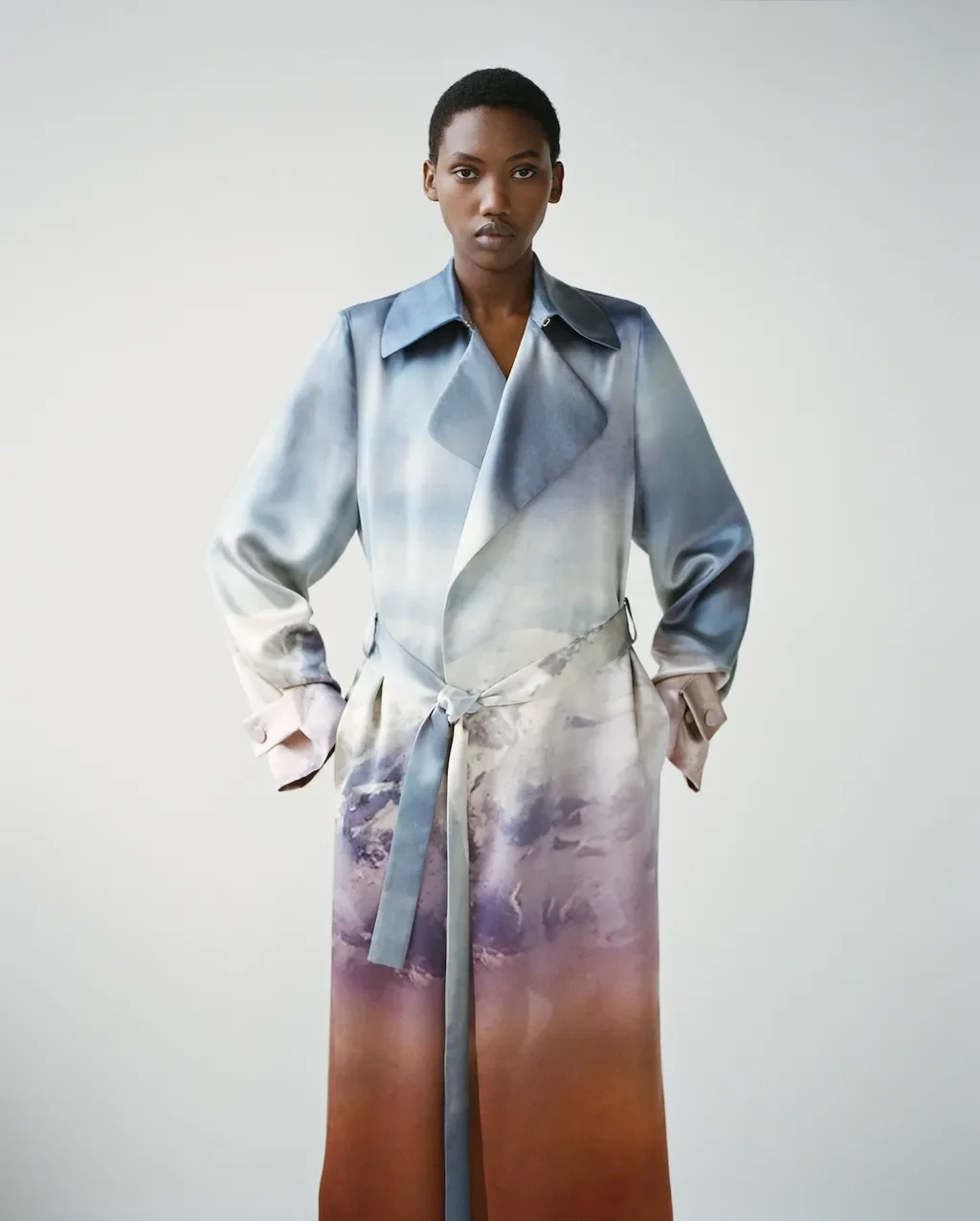
The trenchcoat
To launch the collection, the duo skipped the usual hyper-glossy studio setups in favour of a campaign shot by Cathy Kasterine and styled by Camilla Nickerson. The visuals set the pastoral romance of the British countryside against a raw, stripped-back New York aesthetic. It’s precisely the kind of almost-absurd contrast that Smith has built his reputation upon, and it’s something I can’t help but get excited about.
Fronted by Cameron Winter (the frontman of Brooklyn indie outfit Geese, another of those achingly cool bands I’m yet to fully uncover) the styling leans heavily into a 1970s Patti Smith vibe. It is sharp, slightly poetic and entirely devoid of the sanitised, over-lit perfection that makes modern luxury marketing feel so clinical. It looks less like an advertisement and more like a stolen archive photo of musicians who happened to dress exceptionally well on a Tuesday afternoon. Rock ‘n’ roll points immediately granted.
Luxury Stripped of Pretentious Noise
Hearst recently described Sir Paul as an original punk, a revered design god and the coolest man on the planet who, despite it all, still describes himself as a shopkeeper, and that complete lack of pretension is precisely why this collection succeeds. At over six thousand pounds for the silk wrap trench, it is unapologetically premium. However, it achieves the neat trick of carrying none of the defensive arrogance of the modern luxury mega-brands.
Instead, this collaboration feels like a genuine, creative exchange between two designers who still get excited about the weave of a fabric and the memory of a father’s camera lens.
If your wardrobe requires an injection of artful, understated sophistication for the season ahead, look no further. The collection is available now through their respective flagships. Just ensure you buy it because you love the story, and not because you want to show off the label.
