
Arbikie Distillery's first-ever Single Estate Single Malt Scotch Whisky, a limited-release whisky is grown, distilled, matured and bottled on the same Angus estate, redefining provenance in modern Scotch whisky.
For generations, the world's great wines have been defined by a sense of place. Scotland’s more forward-thinking whisky makers are beginning to ask whether the same standards should apply to Scotch, and the answer to this question couldn’t be more convincing.
After all, such a question fits neatly into contemporary consumer trends – we are all becoming a whole lot more interested in provenance, storytelling and a sense of time and place when it comes to our favourite consumables. We’re fascinated by origins, and those of us who value quality want to know – to use the same oenological example – which vineyard produced our latest bottle of wine, or where the ingredients on our plate were grown. We’re compelled to explore the journey a product took before it arrived in our hands, because we increasingly recognise that claims of quality have to walk the walk, rather than merely talk via labels printed in a rustic font.
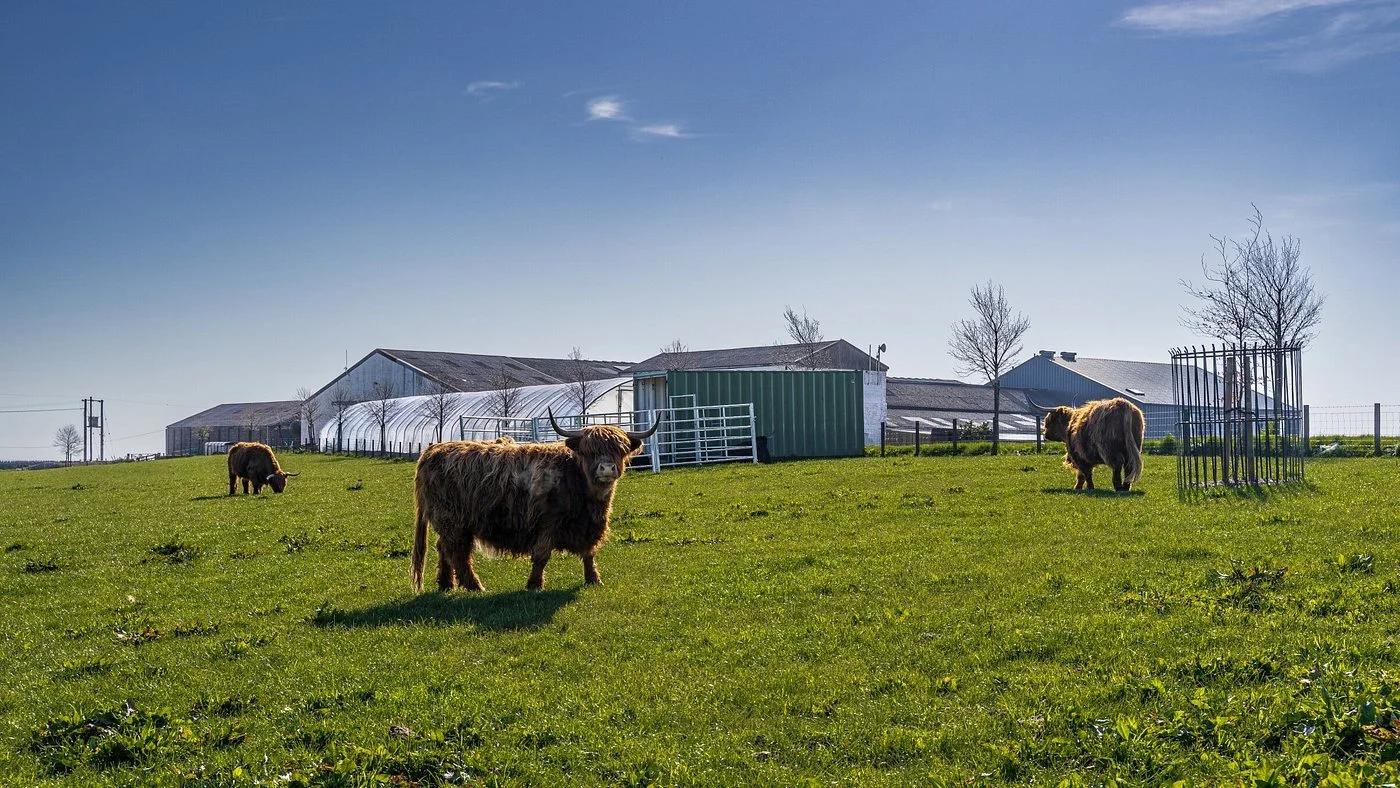
Whisky with a sense of time and place, The Arbikie
Indeed, provenance is no longer a niche concern reserved for enthusiasts. It has become one of the defining markers of modern luxury, and whisky occupies a very interesting position within that conversation for the simple fact that few other categories talk more about that very same sense of place.
We all know that Scotland's distilleries have built entire identities around coastlines, landscapes and local character, and yet while Scotch is rich in heritage, it has not always been quite as place-specific as consumers imagine. Grain may be sourced from one area, distilled in another and matured elsewhere before finally finding its way into a bottle. That doesn't necessarily diminish the quality of the whisky, yet it raises the same question: If fine wine can be inseparable from a single estate, can whisky be too?
On the Angus coast, Arbikie Distillery believes (and more importantly, demonstrates with real skill) that the answer is a resounding ‘yes’.
First, a farm. Then, a distillery.
Located on a family estate overlooking the North Sea, Arbikie occupies an unusual position within the Scottish whisky scene. Now look, I’m not going to pretend that most distilleries don’t have interesting stories of their own – they almost all do. Visit as many operations as I have, however, and you’ll quickly notice that the majority of them blend into each other for the simple reason that most tend to be almost identical.
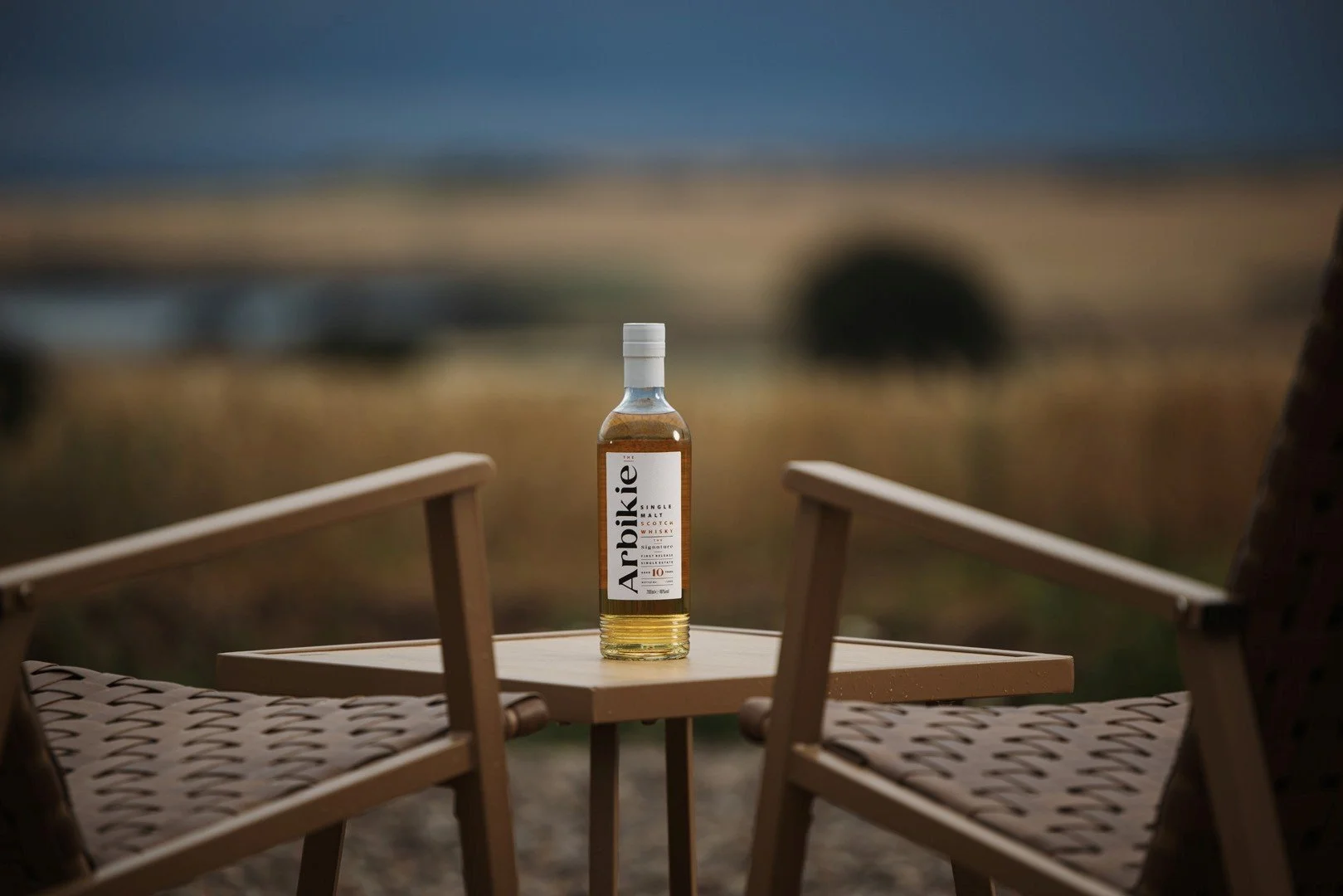
A Scotch whisky deeply connected to its surroundings
Arbikie’s story stands apart, simply because it’s one that began long, long before the first still was installed. The Stirling family behind the distillery has farmed this wind-battered stretch of land for centuries, meaning agriculture on their estate wasn’t some supporting detail, but rather the foundation upon which the entire business was built.
That distinction really matters, because while many (in fact, most) whisky producers today source their ingredients from elsewhere, Arbikie approaches things from a brilliantly contrarian direction. The barley – by far the most important component in any whisky – comes first, because there’s no real excuse for it not to. Grown on the estate's coastal fields, the grain travels only a short distance before being distilled, matured and eventually bottled on the same property.
The concept is familiar to wine drinkers, where single-estate production has long been associated with authenticity and a stronger expression of place. In whisky, however, it has become relatively uncommon. As a result, Arbikie has found itself at the forefront of a growing movement that seeks to connect whisky more closely to its origins: the estate isn’t a pretty backdrop, but a central part of the spirit’s identity.
A Different Kind of Scotch Story
You don’t have to be an enthusiast, aficionado or – let’s face it – someone with far too much time on their hands to understand the real appeal of this single estate approach. As mentioned, those of us who care about quality and distinction are increasingly seeking experiences and flavours that showcase their roots with pride. For some, that means staying a night or two at a working vineyard, dining at regenerative farms or getting to meet the artisans with a connection to their ancestral landscapes. For the rest of us, it means we’re becoming remarkably adept at distinguishing between heritage that is lived and heritage that is merely marketed.
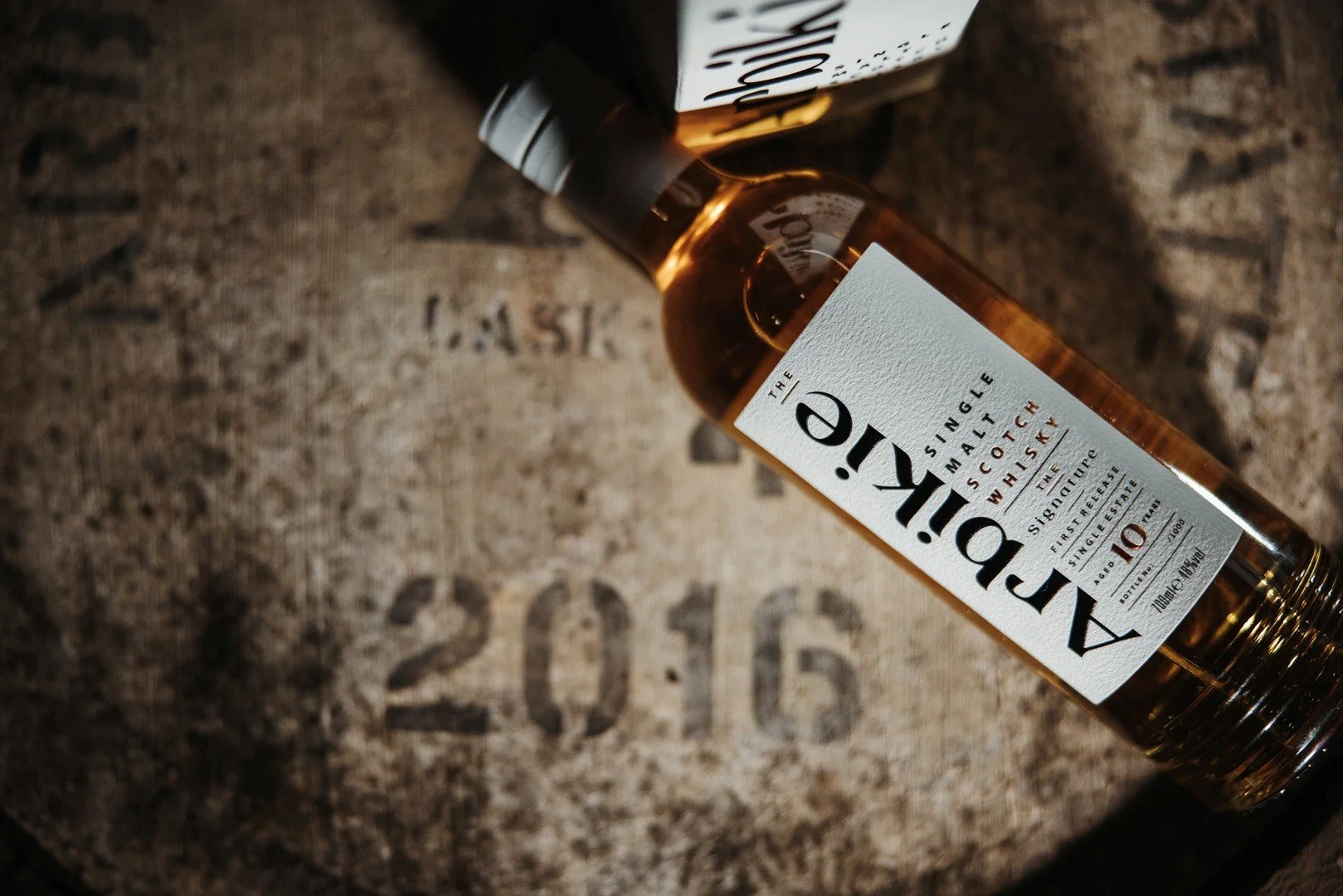
Taste sensations, ten years in the making
Arbikie's rise has coincided neatly with that shift, as over the past decade, the distillery has built an international reputation through its field-to-bottle philosophy, alongside an ambitious commitment to sustainability. Recognition has followed, including B Corp certification and the title of Sustainable Distillery of the Year at the Icons of Whisky Awards 2026. Most satisfyingly in the case of Arbikie, the product is also excellent enough to speak for itself. Up here at the distillery on the Angus Coast, sustainability feels less like a separate initiative and more like a natural consequence of the broader philosophy.
When ingredients are grown, processed, distilled, matured and bottled in a single location, traceability not only becomes easier. The story becomes easier to follow, and the experience of drinking becomes exponentially more satisfying – and that’s something we’re all willing to raise a glass or three to.
The Arrival of The Signature
This September, that philosophy reached an important milestone. Launched on the 7th of September 2026, The Signature became Arbikie's first-ever Single Estate Single Malt Scotch Whisky and the inaugural release in its long-term single malt programme.
The date carries particular significance, as it marks ten years since the distillery filled its first whisky cask, creating a neat symmetry between ambition and achievement. However, The Signature isn’t a mere commemorative release; it’s the logical culmination of everything the distillery has been building towards since the beginning.
Produced from Odyssey barley grown on the estate, the whisky was distilled, matured and bottled entirely on site. Every stage of the journey happened within the boundaries of the same family-owned farm, and for a man like myself cursed with an array of obsessive characteristics when it comes to attention to detail, knowing that every stage of production has been meticulously controlled on-site ticks a hell of a lot of the right boxes.
A Whisky Shaped by Place
Limited to just 1,000 bottles worldwide, The Signature has been matured for ten years in six bourbon casks before being bottled at 48% ABV, and the result is a whisky that balances accessibility with complexity and a winning array of tasting notes to boot.
The nose opens with ripe peach, banana bread and lemon sherbet, delivering an immediate brightness that feels welcoming rather than overly restrained. On the palate, notes of brioche, apricot marmalade and citrus add richness and texture, developing into a finish characterised by creamy vanilla, orange blossom and lingering spice. There’s real confidence to the profile, and the result in an air-punching triumph of a whisky – one that isn’t afraid of looking to the past, future and right-here-right-now of an industry that’s overdue this kind of a kick up the backside.
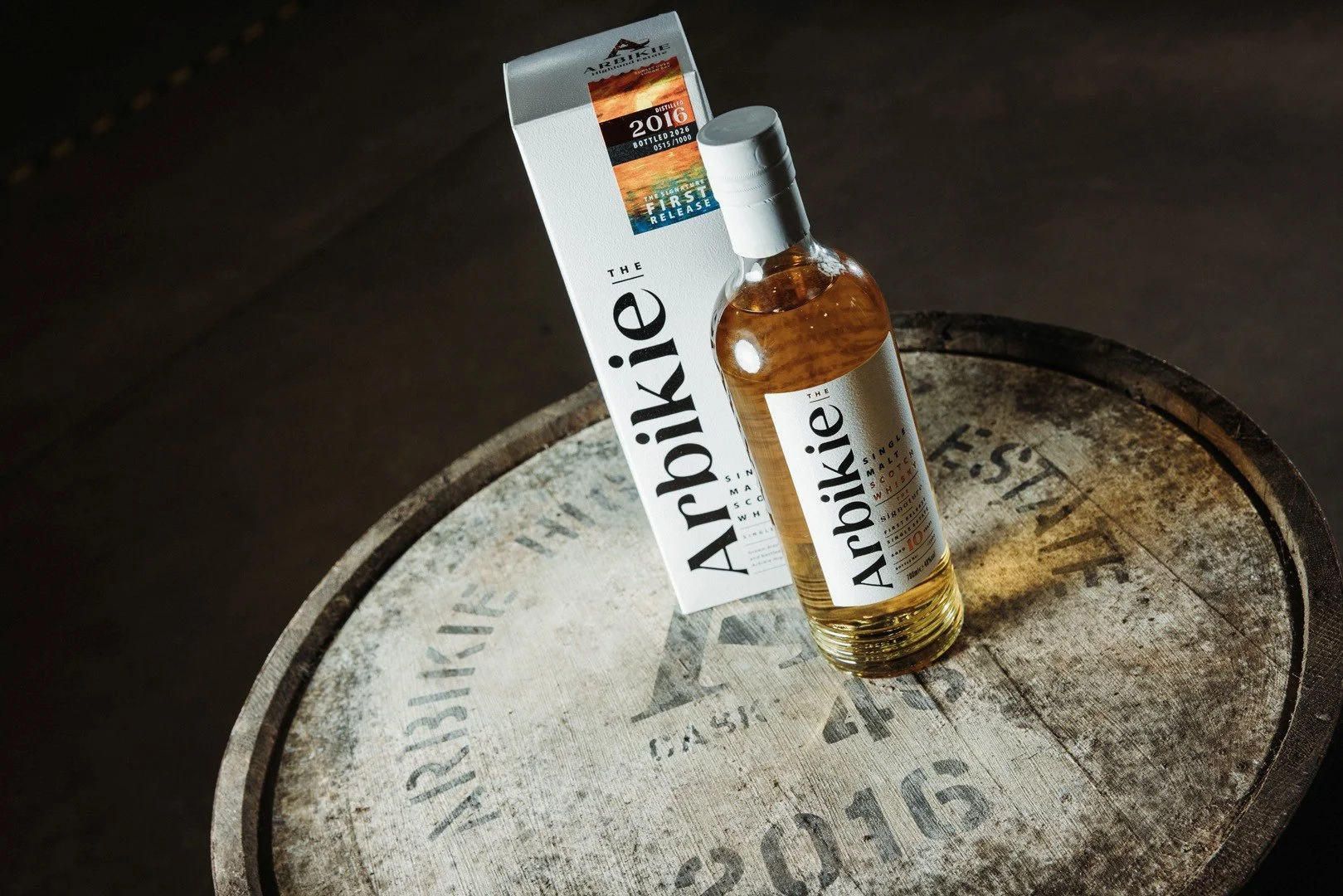
The first of many spectacular single estate releases
Rather than relying on aggressive oak influence or overwhelming intensity, The Signature allows its fruit character to take centre stage, in that wonderfully ‘all my Christmases come at once’ kind of profile I’m always going to be more than seduced by. The bourbon casks provide structure and polish without dominating the spirit itself, and the result is multi-layered and profoundly fascinating.
Collectors will undoubtedly be attracted by the combination of age statement, scarcity and provenance. However, the whisky's greatest strength may be the combination of an irresistible flavour and its clarity of purpose. It knows exactly what it wants to be, and makes absolutely zero apologies for doing things properly. That’s something I can really get behind.
Looking Beyond a First Release
The temptation with any inaugural whisky is to view it as a finish line. However, in reality, The Signature feels more like the beginning of a longer, delightfully uncompromising and occasionally rambling conversation.Arbikie has already positioned the release as the first chapter in a broader Single Estate Single Malt programme, with future expressions expected to explore age, cask influence and the distillery's continuing relationship with the estate that surrounds it.
It’s this laying of impressive groundwork that makes the launch even more interesting, because – let’s face it – Scotland isn’t short of exceptional whiskies, many arising from distilleries with far longer histories and considerably larger inventories sleeping in oak. What Arbikie brings to the table is a different perspective on provenance.
The Signature is significant not simply because it introduces a new single malt, but because it demonstrates how complete that connection can become. From barley field to bottle, every part of the story leads back to the same stretch of Angus coastline. In an industry built upon place, that may prove to be one of the most compelling stories of all, and yet it would mean relatively little if the finished product wasn’t capable of delivering an absolutely banging dram. Thankfully, The Signature proves that style can be delivered with substance, and that great storytelling doesn’t need to make any compromises when it comes to taste.
Find out more about The Signature and Arbikie Distillery here.
Want to read more great whisky reviews? Check out our reviews of Blind Summit, The Chuan Chinese Whisky, House of Hazelwood and The Tailored Spirits Co
