
Discover Blind Summit Whisky's rare 35-year-old Macallan release, where a single 1989 cask was split between Rivesaltes wine and Barbados rum finishes, creating two unique interpretations of the same Speyside single malt.
There comes a point in the life of a great whisky when the smartest thing to do is usually nothing at all. After all, few would disagree with the idea that, after three and a half decades in oak, most spirits have earned the right to be left alone. The years have done their work, the cask has shaped the whisky's character, and all that remains is to bottle it and let drinkers discover what time has created.
It’s precisely this notion that makes Blind Summit Whisky's latest release feel so intriguing, and we cannot help but love those unable to resist ripping up the rulebook.
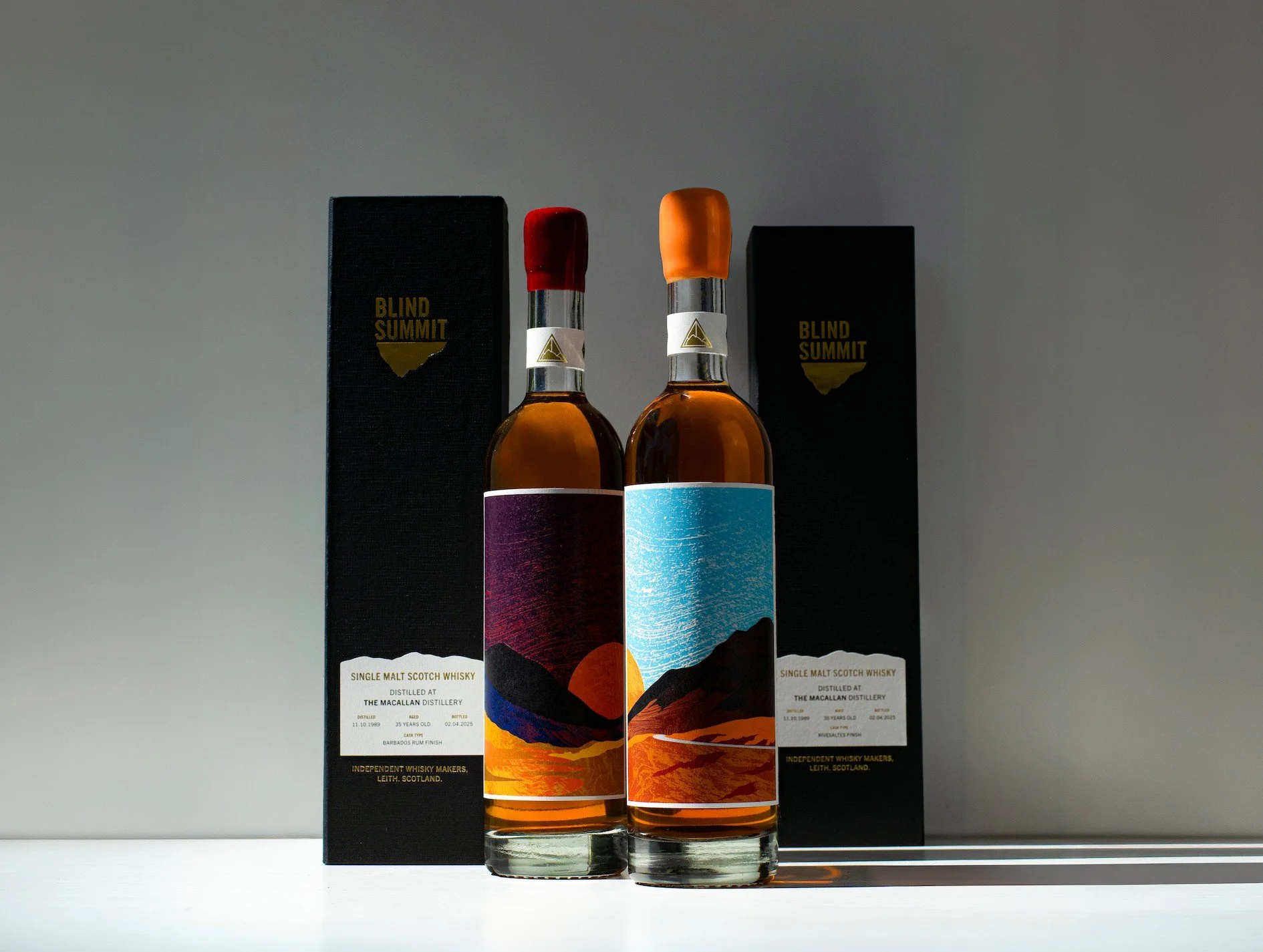
A bold pair of releases from Blind Summit
The Leith-based independent bottler has unveiled a pair of whiskies drawn from a single Macallan cask distilled on 11 October 1989. So far, so predictable. However, rather than bottling it as one expression, co-founders James Zorab and Jamie Dawson decided to split the cask in two, sending each half on its own drawn-out, experimental and experiential finishing journey. One was moved into a Rivesaltes fortified wine cask, while the other spent its final chapter in a Barbados rum cask.
The result is not one 35-year-old Macallan, but two distinct and fascinating interpretations of the same spirit, released as a pair with just 30 sets available worldwide. For a whisky of this age, that's a surprisingly bold decision, and one we’re more than willing to get behind.
We All Know Who Fortune Favours Most
The question hanging over any release like this is whether a finish is adding to the whisky or simply getting in its way. Finishing has become commonplace within Scotch whisky, but age changes the equation in ways bottlers can often struggle to predict. Adding extra maturation to a young spirit can help build complexity, and doing the same to a 35-year-old Macallan demands a great deal more confidence. At that point, there is very little room for error.
That understanding sits at the heart of Blind Summit's approach.
"Our responsibility with a whisky of this age was to respect what the years in cask had already achieved," says co-founder and whiskymaker James Zorab. "Each finishing cask was chosen to build on the character of the spirit rather than change it, and both were monitored closely throughout so that the finish never overtook the whisky."
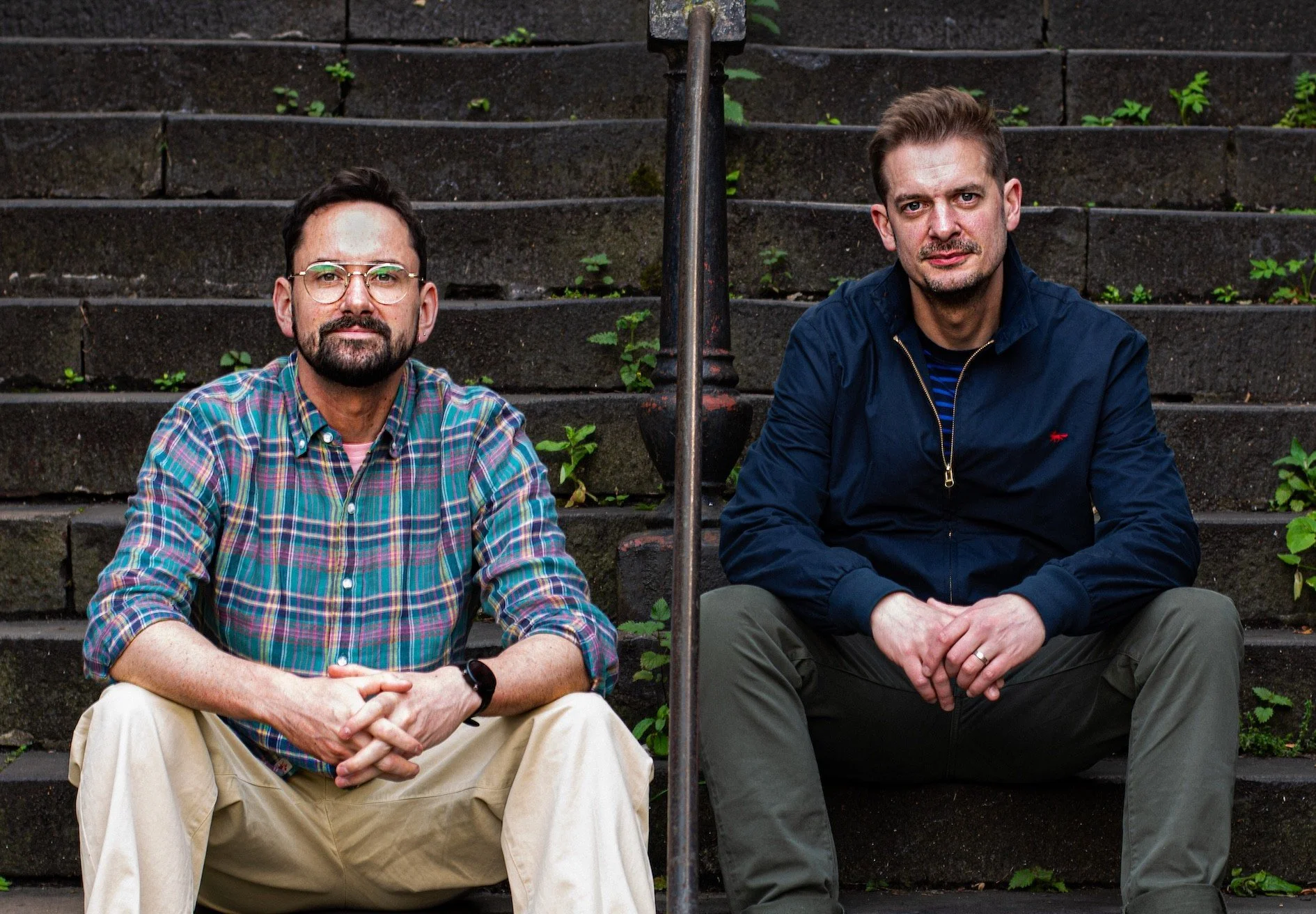
Founded by Jamie Dawson and James Zorab, Blind Summit Whisky is an independent bottler based in Leith, Edinburgh
It's a revealing insight for many reasons, and not least because it acknowledges something whisky enthusiasts often overlook: maturation is not simply a matter of leaving spirit in wood and waiting. It is a process of judgement, and one that requires real knowledge and the kind of instinct that arises only after years of immersion in Scotland’s multifaceted whisky scene.
Knowing when to intervene can be just as important as knowing when to stop, and in this case, Blind Summit wasn't looking to disguise the whisky's origins. The objective was to explore different sides of the same spirit while keeping the character of that original Macallan cask firmly in view, as anything less would be the kind of crime that would see Blind Summit’s team exiled across the border. That all of this makes the release feel less like a finishing experiment and more like an exploration of possibility only adds to the joy experienced in the glass.
One cask, two stories
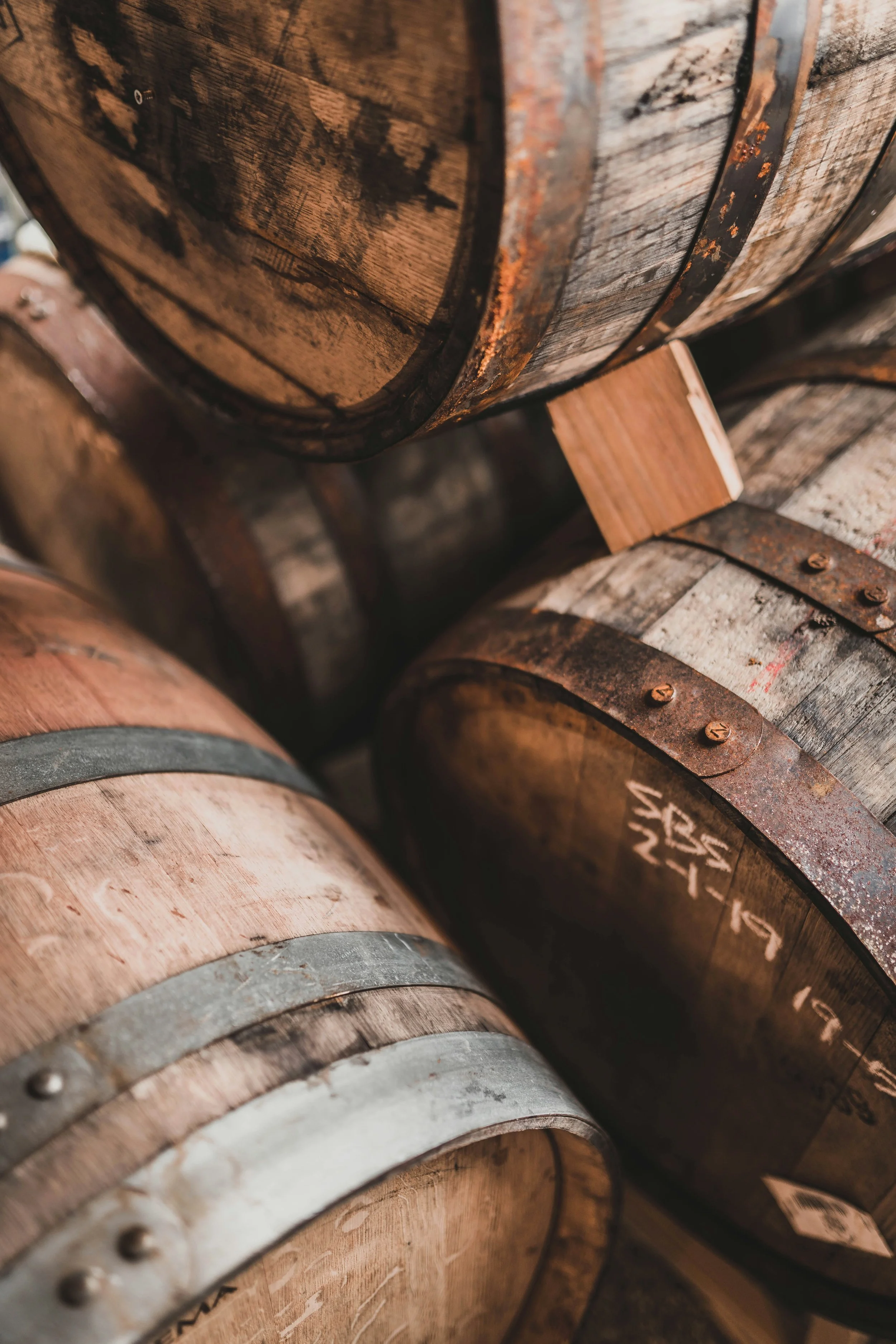
The strange, slow magic of the barrel and bottle
There’s much that makes the project particularly compelling, but arguably top of the list is its deceptive simplicity. Both whiskies began life in exactly the same place, at precisely the same distillery and on the same distillation date. The same refill bourbon hogshead was used, and the very same 35 years of maturation worked its slow and careful magic. Only then do the paths diverge.
The Rivesaltes finish leans into richer territory, drawing out deeper notes of dried fruit, nuts and layered sweetness, all of which feels like a natural extension of the whisky's maturity. The Barbados rum finish heads somewhere brighter and considerably more sun-soaked, teasing out tropical fruit notes and a livelier character while allowing the age of the spirit to remain at the forefront.
It is a fascinating proposition because – unlike in the world of wine, where vertical and horizontal tastings are very much the norm – opportunities for direct comparison are surprisingly rare in whisky. Here, the starting point remains identical, and what Blind Summit has created is a chance to see how two contrasting finishing casks shape the future of the same whisky.
As Jamie Dawson explains, that willingness to depart from convention was central to the project.
"Sometimes you have to be bold. We didn't want to release another Macallan finished in Oloroso simply because that's what's expected. Splitting the cask gave us the opportunity to explore two very different finishing journeys while making sure the character of the original whisky always remained at the heart of both expressions."
That sentiment feels increasingly relevant within the world of premium whisky, as tradition remains important, but so does curiosity. The most interesting releases are often those that challenge assumptions rather than simply repeat them, and we’re always excited to see glimpses of where the curve of history is taking the (sometimes stubbornly conservative) whisky scene in the 21st century.
A global whisky story rooted in Leith
There is also something fitting about this release emerging from Leith. Long before it became one of Britain's most exciting food and drink destinations, Edinburgh's historic port was a gateway for wines, spirits and ideas arriving from around the world.
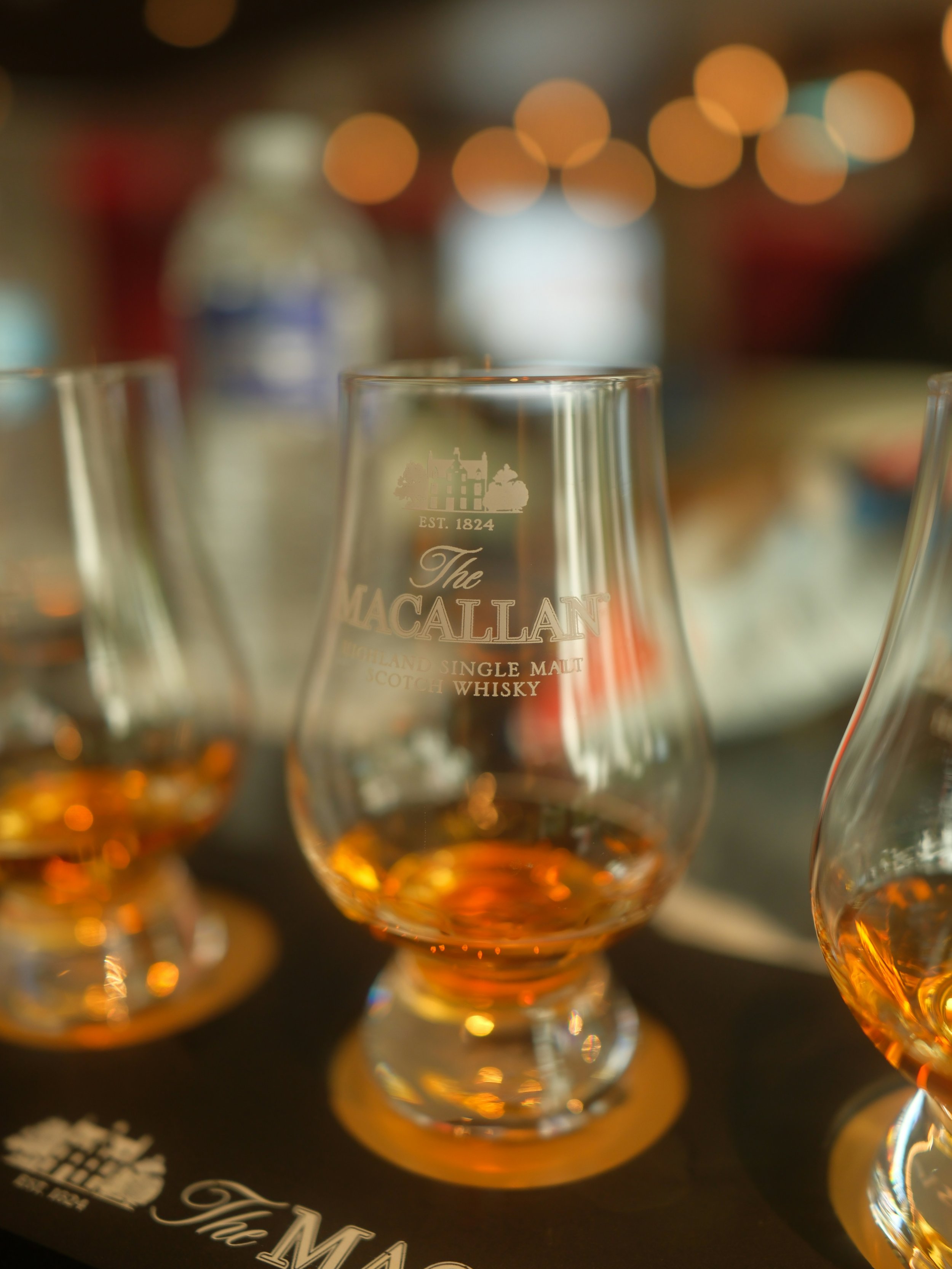
Taking Macallan to exciting new heights
In many ways, Blind Summit's latest release feels like a modern reflection of that heritage. Think about it: we’ve got a Speyside single malt distilled in 1989, a fortified wine cask from southern France and a rum cask from Barbados. All have countless stories of their own to tell, all have those stories soaked deep into the grain of the oak, and all have been brought together by an independent bottler on Edinburgh's waterfront.
The bottles themselves continue this theme, presented with mirrored labels that form a single artwork across the pair, created alongside fellow Leith creatives Studio Reekee. However, for all the attention that will focus on the age statement, rarity and £2,500 price tag, those elements are not what make this release interesting. Rather, the real story lies in a decision many bottlers would never have taken, and the fact that the results more than justify the risk.
At a stage when most would have chosen to preserve a mature Macallan exactly as it was, Blind Summit decided there was still room for discovery. The outcome is a pair of whiskies that share a common ancestry while revealing two entirely different sides of the same spirit. After 35 years, that's no small achievement, and it suggests that even in a category built on tradition, there is still value in asking a simple question:
What might happen if we tried something different?
Want to read more great whisky reviews? Check out our reviews of The Arbikie, The Chuan Chinese Whisky, House of Hazelwood and The Tailored Spirits Co
