
The Chuan Distillery Review: Inside China's Most Ambitious Whisky Project
Discover The Chuan Distillery, China's emerging whisky tourism destination at the foot of Mount Emei, where award-winning single malts, striking architecture and immersive visitor experiences are helping redefine the future of global whisky.
It’s not unreasonable to say that, for much of the modern whisky era, pilgrimages were fairly straightforward. If you wanted to understand the spirit at its source, you went to Scotland. You stood beside copper stills in Speyside, wandered through centuries-old warehouses on Islay and spent long afternoons listening to distillers speak about provenance, patience and peat. The destination was rarely in question, and the only real challenge was deciding which distillery to visit next.
How times have changed. Whisky has become global, and whisky tourism has followed as enthusiasts become not only more knowledgeable, but also more adventurous. The appeal is no longer confined to visiting famous names and ticking legendary distilleries off a list. Increasingly, it centres on discovering the places shaping whisky’s future as much as its past.
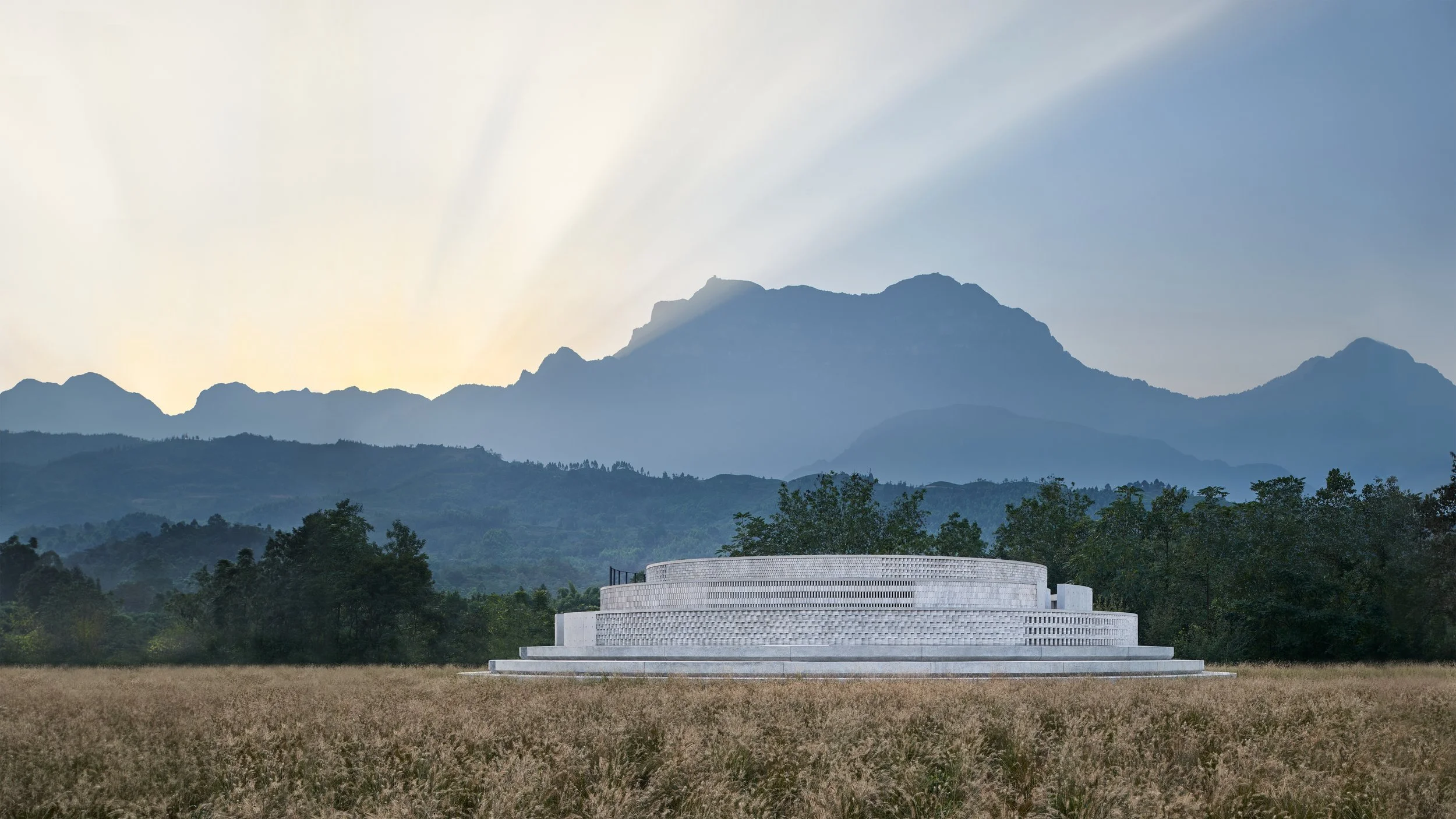
The Chuan Distillery, Mount Emei, Sichuan
Japan, naturally, played a key role in this shift. What started as a niche fascination for a certain stratum of aficionado turned into one of luxury travel’s most compelling success stories, with those who might once have headed to Islay finding themselves on flights to Hokkaido and Honshu in pursuit of perfection. The lesson for the industry was a difficult one to ignore: if world-class whisky could thrive in Japan, where else might it emerge… and what impact might it have on the whisky tourism scene?
Before long, whisky travellers started looking further afield. Scandinavia became another unlikely success story, with distilleries in Sweden, Denmark and Norway drawing visitors into landscapes better known for rugged coastlines and pristine forests than for single malts. However, that was all part of the appeal; the whisky was excellent, certainly, but so too was the sense of discovery.
Luxury travel, after all, has always contained an element of treasure hunting, and the most rewarding discoveries are rarely the destinations everybody is already talking about. For a growing number of whisky travellers, that search has now led somewhere few would have predicted twenty years ago: China.
Chinese Whisky: A New Destination In Focus
China isn’t unfamiliar with producing world-class spirits and unmissable taste sensations. Baijiu – China’s quintessential distillate – has been woven into the country’s cultural fabric for centuries, and Chinese gastronomy is up there with the world’s great culinary traditions. Whisky, however, represents an altogether newer chapter.
The past decade has seen China’s appetite for premium whisky grow significantly, attracting the attention of producers and collectors alike. However, what has become increasingly apparent is that China no longer wants to merely consume great whisky, but to produce it too – and for travellers interested in where the industry is heading, few places embody the ambition and craftsmanship at the heart of this trend like The Chuan Distillery.
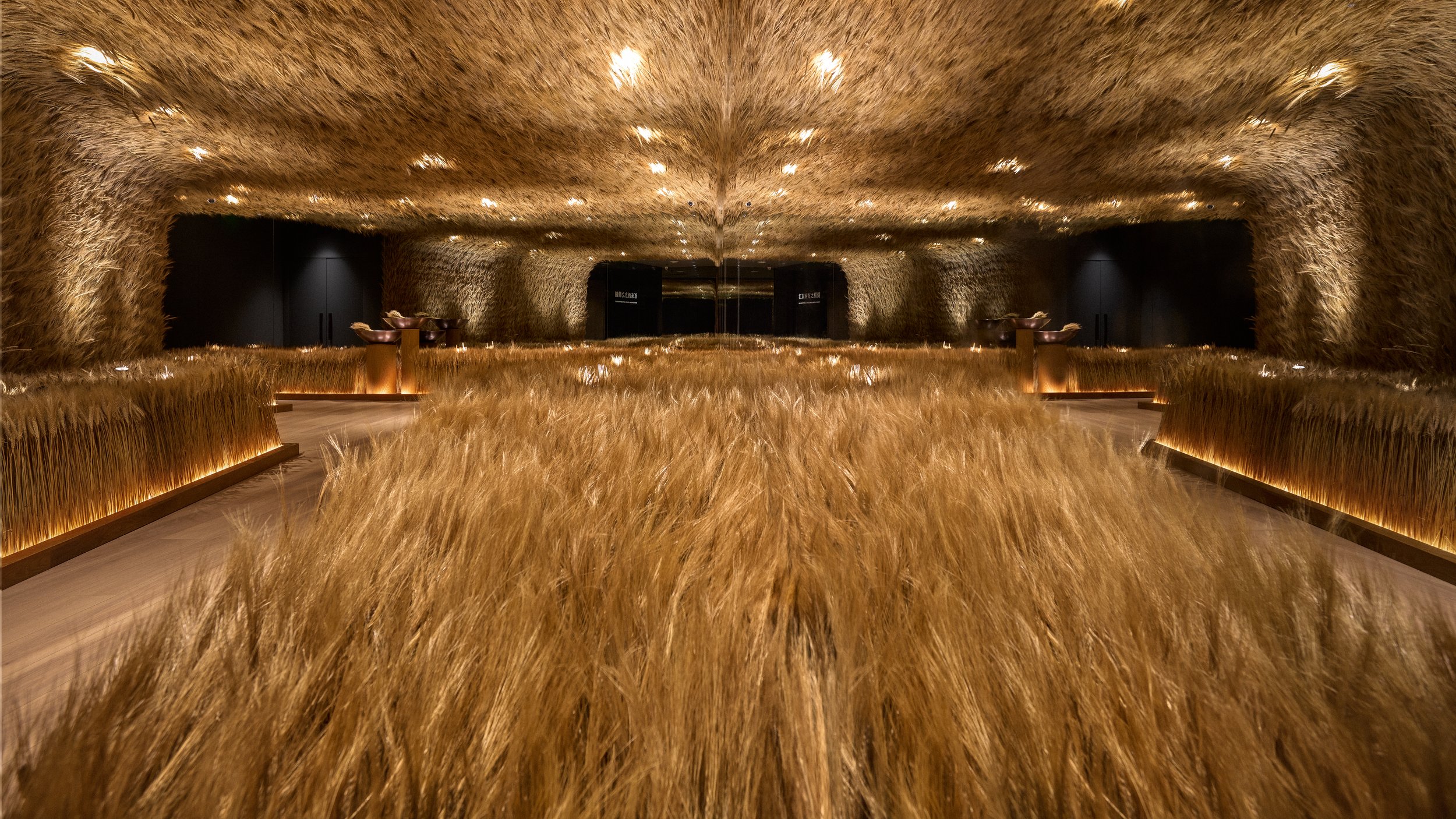
A love letter to barley, The Chuan Distillery
Located at the foot of Mount Emei in Sichuan Province, The Chuan sits within one of China's most celebrated landscapes. The mountain itself is a UNESCO World Heritage Site and one of the country's Four Sacred Buddhist Mountains, attracting visitors for centuries with its temples, forests and often ethereal mountain scenery.
It’s an astonishing location and not a setting one typically associates with whisky production, which, perhaps, is exactly the point.
Visit The Chuan to Uncover More Than A Distillery
Many travellers assume that distillery tourism is fundamentally all about the whisky. This isn’t entirely true – the reality is that the very best distillery experiences, and the reason so many people flock to them, are really about context. Ask anyone why they visit distilleries and they'll usually talk about the whisky. Spend a little longer with them, however, and another picture begins to emerge: they're travelling for atmosphere, landscape, food, architecture, craftsmanship and stories. The whisky may be the reason for booking the flight, but it is rarely the only thing they remember afterwards.
The Chuan appears to understand this instinctively. Built by Pernod Ricard as China's first fully operational malt whisky distillery established by an international spirits group, the site has been conceived as a destination in its own right rather than simply a place where spirits are made.
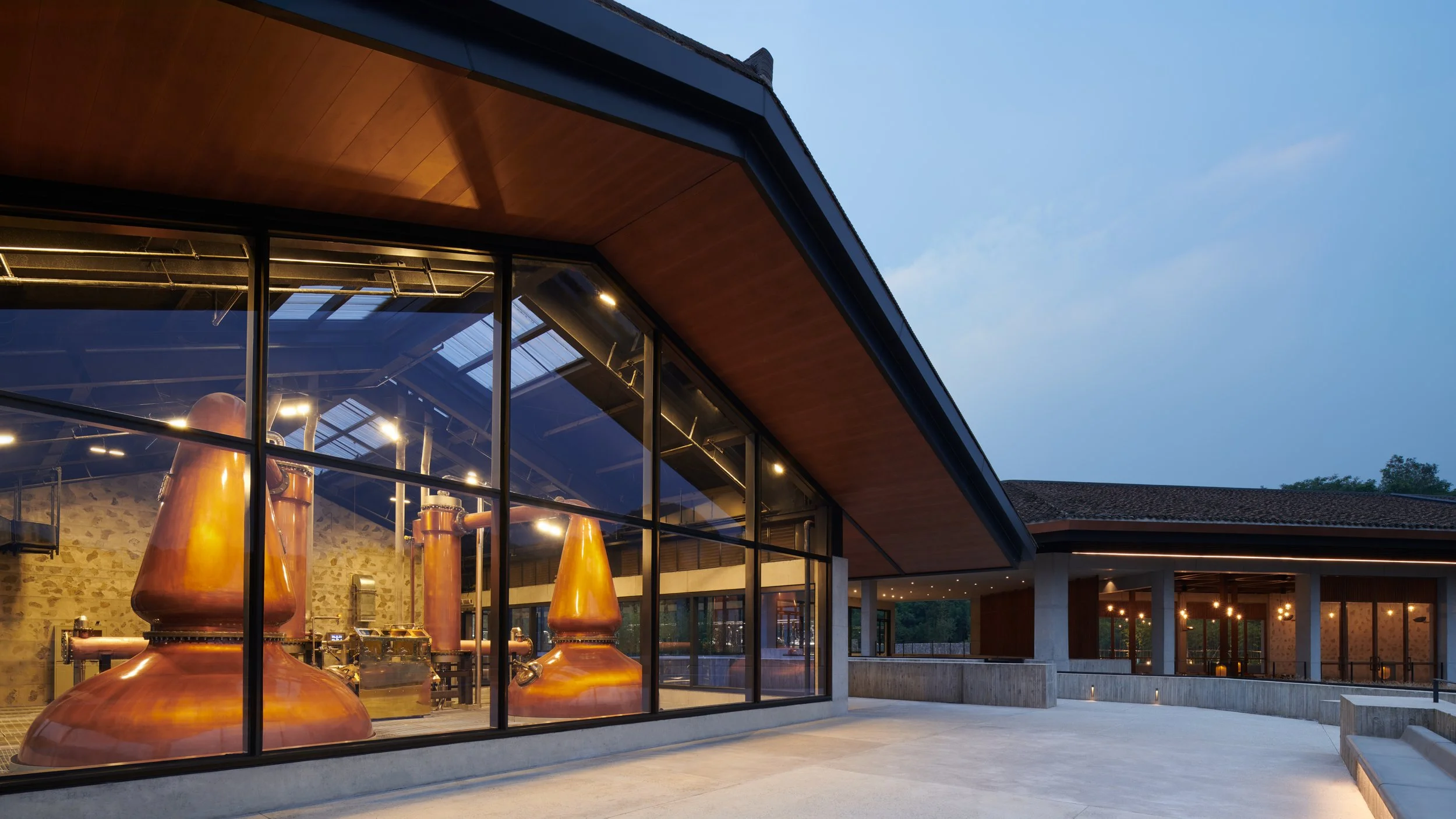
A destination in its own right, The Chuan Distillery
It’s a truly impressive operation: designed by the acclaimed architectural firm Neri&Hu, the distillery blends contemporary design with the surrounding landscape in a way that feels remarkably restrained. It would have been easy to create something grand and conspicuous, yet instead, the architecture feels thoughtful, drawing visitors into the environment rather than competing with it.
The wider visitor experience follows much the same philosophy, and great effort has been made to ensure immersion and fascination in equal measure. Guests can explore thoughtful exhibitions detailing the whisky-making process, enjoy guided tastings and encounter contemporary art installations (including a stunning permanent work by celebrated Chinese artist Zhan Wang). There are also dining experiences built around regional flavours, and it all works together to reinforce the idea that this is somewhere with its own cultural identity, rather than a replica of a Scottish distillery transplanted halfway across the world.
Remarkable Whisky, Shaped By a Remarkable Place
The most compelling aspect of The Chuan is its determination to create whisky that speaks with a recognisably Chinese voice. That may sound obvious, but it involves a considerably greater challenge than simply borrowing established traditions and hoping for the best.
Working alongside international expertise, Master Distiller Dr Yang Tao has focused on creating whiskies shaped by the environment in which they are produced. The distillery draws on Emeishan's renowned mountain waters and favourable climatic conditions, while the maturation process benefits from conditions that differ markedly from Scotland or Northern Europe. Warm summers and abundant rainfall influence how spirit interacts with oak, encouraging the development of distinctive flavours over time.
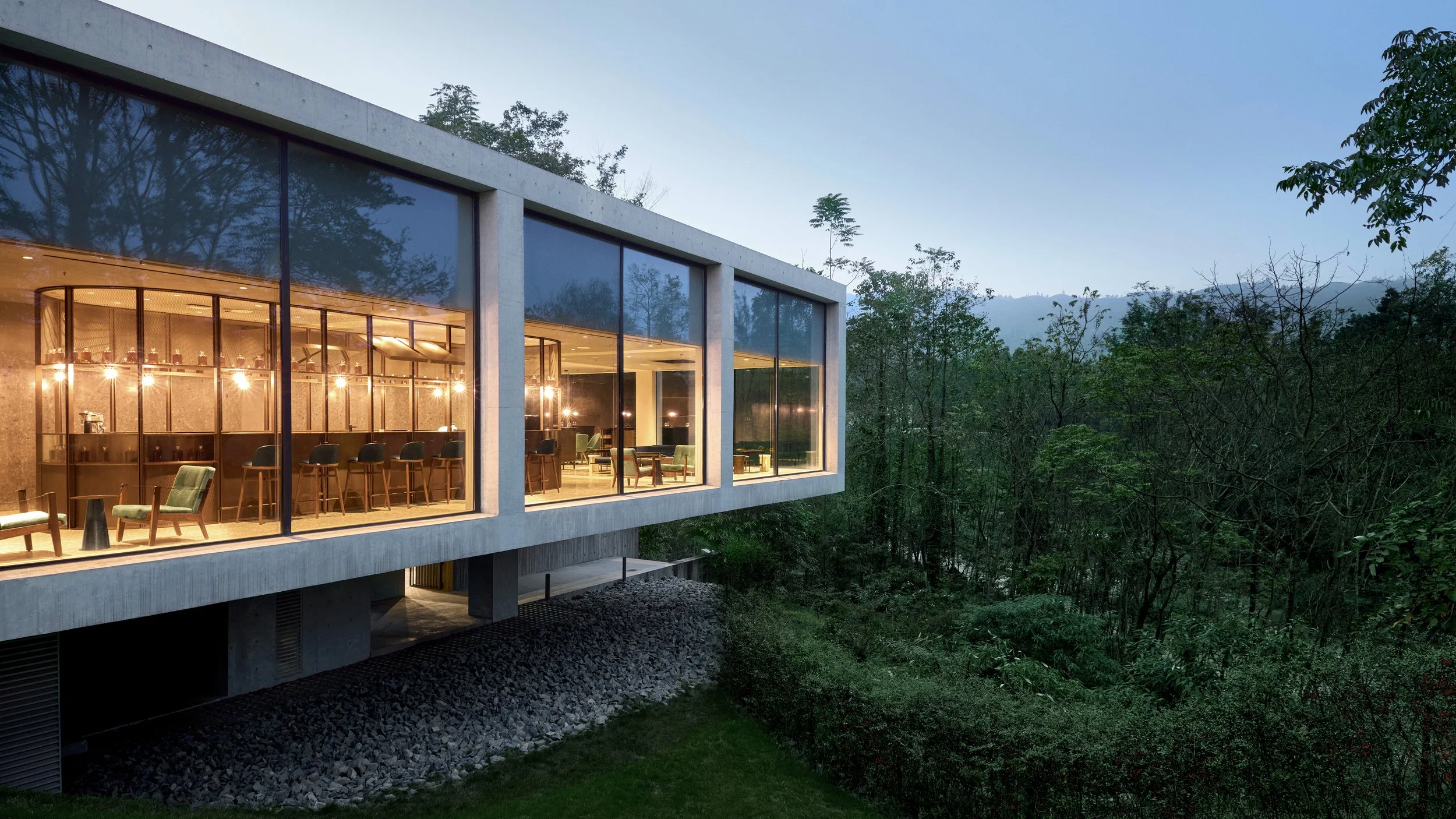
A flavourful encounter with a mythic landscape
The cask programme is equally revealing, ranging from the familiar to the uniquely Chinese. While there are the expected American bourbon casks providing their notes of vanilla and fruit, and Spanish sherry casks contributing richness and depth, the element that truly sets The Chuan apart comes from rare Chinese single-oak casks sourced from the Changbai Mountain region. These introduce a character that is frequently described through flavours and aromas seldom encountered in traditional Scotch whisky, including sandalwood, mandarin peel and subtle oriental spice.
The intention and the result are abundantly clear: these are whiskies which are neither an imitation of Scotland nor an attempt to emulate Japan. Instead, they feel and taste like something that could only have emerged from this particular corner of China.
Awards for The Chuan: Recognition is Arriving Quickly
Originality, authenticity and storytelling will only ever take a whisky – or any product, for that matter – so far. Sooner or later, those flavours and aromas need to do the talking. Fortunately for The Chuan, the distillery’s output seems to be speaking very eloquently indeed.
At the International Whisky Competition 2026, The Chuan Pure Malt Whisky PX Finish achieved a score of 93.13 points, earning a place among the Top 15 Whiskies of 2026 globally and securing second place in the Best Chinese Whisky category. This was soon followed by further recognition at The Spirits Business World Whisky Masters 2026, where The Chuan collected Gold medals for both its PX Finish and Master Distiller Cask Selection expressions, alongside Silver medals for its Pure Malt Whisky and Smoked Chinese Single Oak Finish releases.
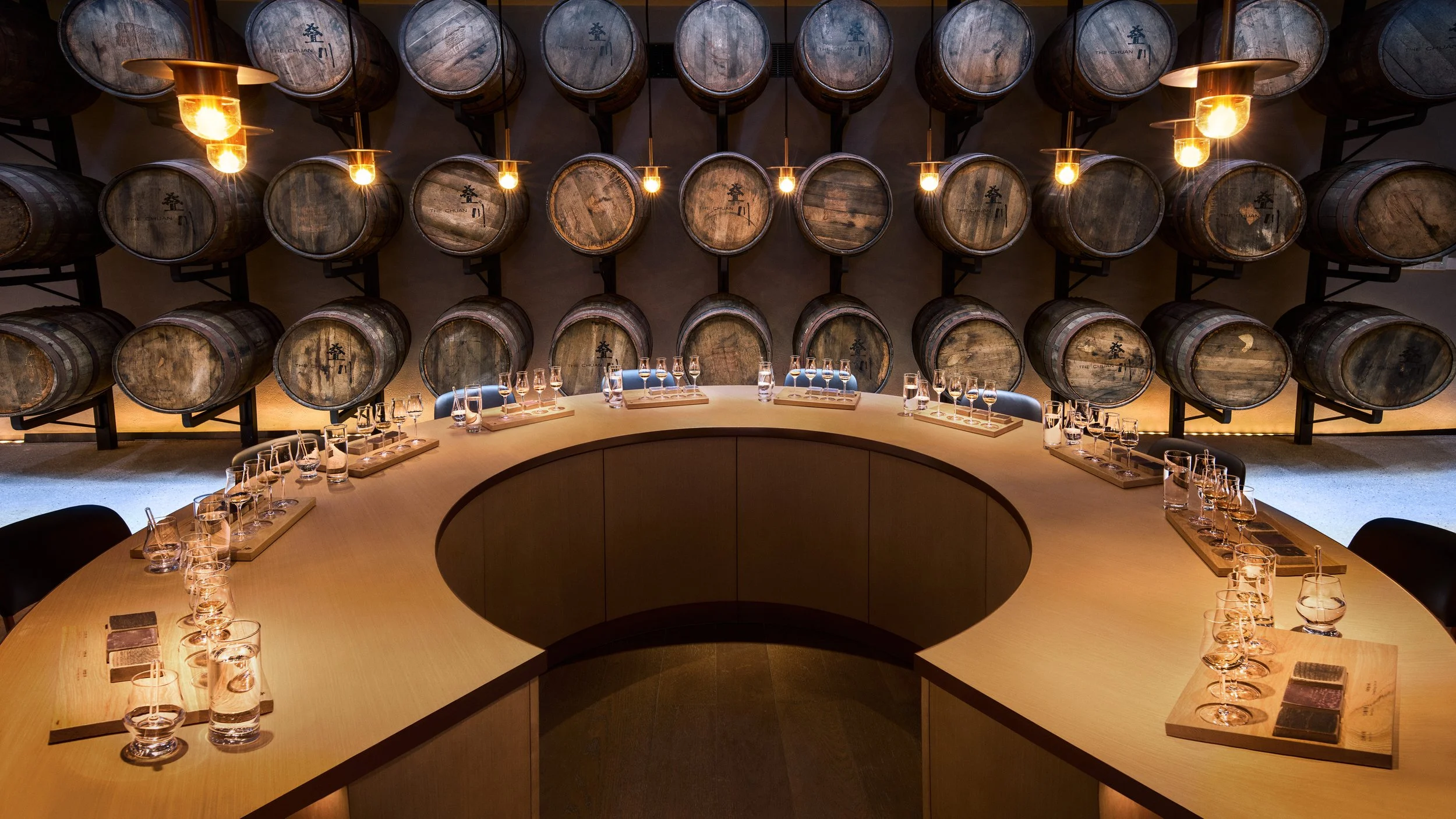
Chuan Distillery’s unforgettable tasting room
Awards are not everything, of course – ask any whisky collector and they'll happily spend half an hour or more explaining why judges occasionally get things wrong, and which of their favourite whiskies they’re most wrong about. However, such accolades do provide a useful indication that the industry is paying attention, and in the case of The Chuan, the industry’s eyes are increasingly set on China.
The Luxury Of Getting There First
The most fascinating aspect of The Chuan may be its timing. There was a period when visiting Japanese distilleries felt like joining a relatively exclusive club, and the same could be said of Scandinavia's emerging whisky scene a decade ago. Travellers who made the journey felt they had discovered something ahead of the curve, ensuring not only new taste sensations but the kind of bragging rights that spirits connoisseurs dine out on for decades.
That opportunity becomes harder to find once the rest of the world catches up, of course, but in 2026 and 2027, The Chuan exists squarely within that sweet spot. Its whiskies remain relatively exclusive, available primarily in mainland China and selected travel-retail locations, while the distillery itself still carries the excitement of a destination that many international travellers have yet to experience.
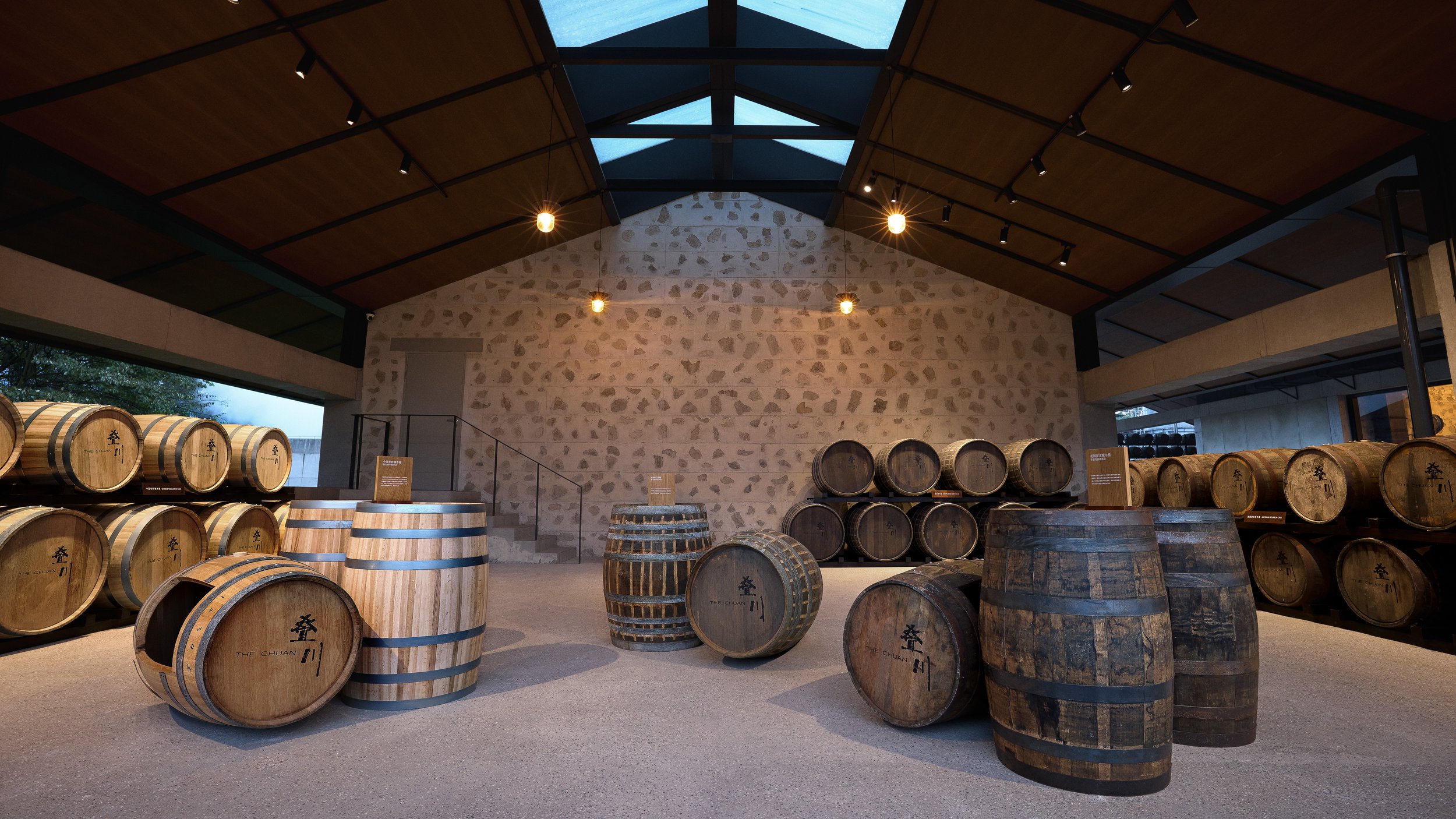
The cask salon, The Chuan Distillery
For the right visitor, that may be the greatest attraction of all. After all, luxury is not always defined by rarity, price or prestige. Sometimes it is simply the privilege of arriving somewhere before everybody else.
Scotland will always remain whisky's historic heartland. Japan has firmly established itself among the world's most respected producers, while Scandinavia and a host of newer destinations continue to demonstrate that excellence can emerge almost anywhere given the right conditions, expertise and ambition. Yet standing at the foot of Mount Emei, surrounded by mist-covered peaks and a distillery confidently forging its own identity, it is difficult to shake the feeling that another significant chapter is beginning.
For travellers who enjoy discovering the next great thing before it becomes the current thing, The Chuan is unlikely to remain a secret for much longer.
Want to read more great whisky reviews? Check out our reviews of Blind Summit, The Arbikie, House of Hazelwood and The Tailored Spirits Co
