
Best Wineries in Zakynthos: A Guide to the Island's Wine Estates
Discover the best wineries in Zakynthos, from family-run vineyards and boutique wine estates to wine tastings, native Greek grape varieties and authentic gourmet experiences across the island.
During a late-summer trip to the Zakynthos, Greece, we received a few days of less-than-optimal weather for our plans, which included - but were not exclusive to - a daily stroll around the nearby olive groves, a mid morning dip (a swim-up room is a prerequisite, when available), getting a few more steps in after lunch between the bar and the hotel gardens, lazing and sipping cocktails whilst immersed in a book and a golden hour saline plunge at the private beach.
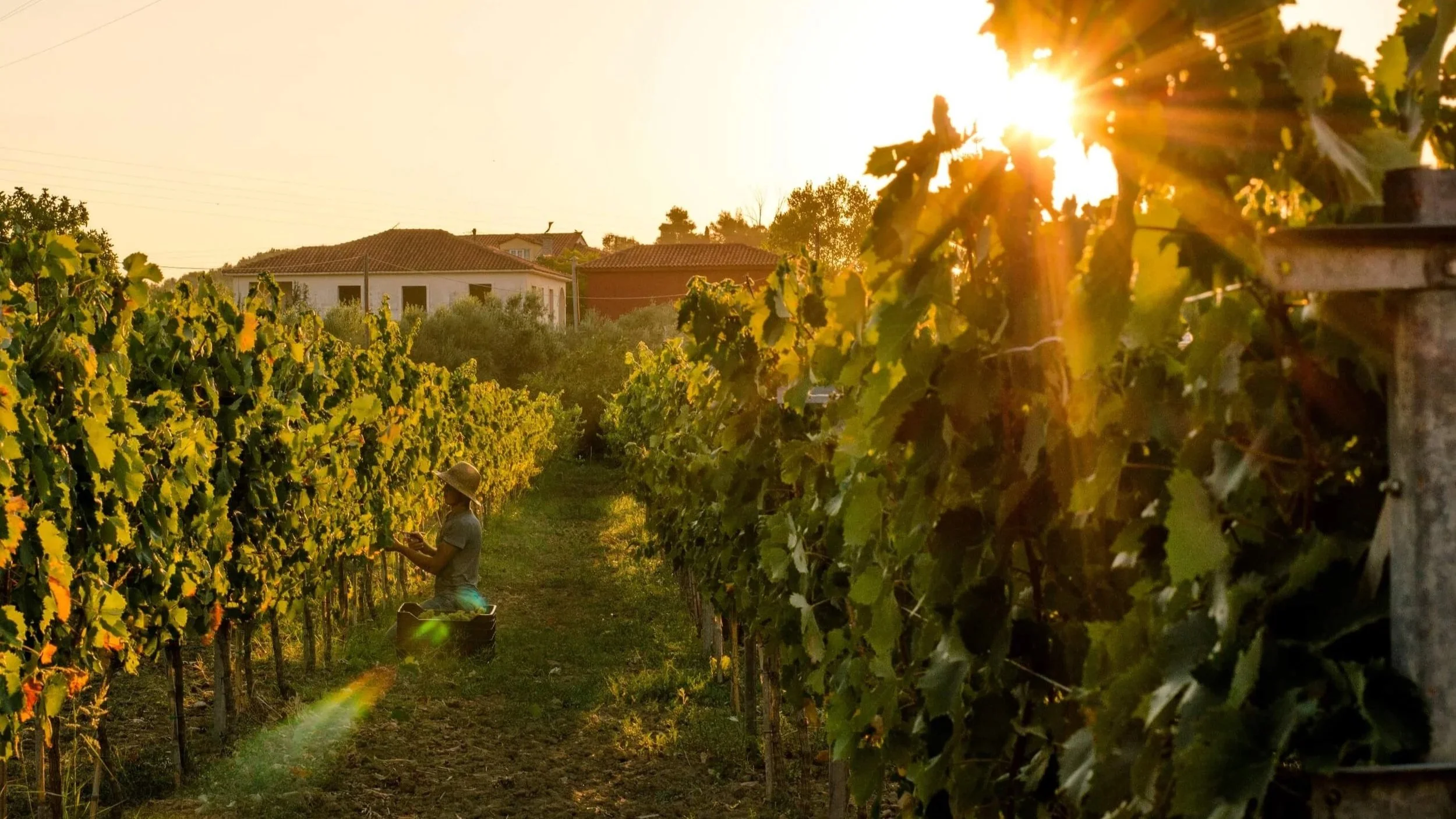
But whilst mid-October hails the conclusion of the trigos or hand vine harvest, it also presents itself as a wonderful time of year to linger under a vine-wrapped pergola whilst a thunderstorm whips across the vista, enjoying the nectar of the land served by the family who nurtured it, as nature replenishes the ground after around five months of minimal rainfall. Speaking strictly from experience, that is.
The Wineries of Zakynthos: Tradition and terroir.
With a history dating back some 6500 years, beyond the Byzantine and Ottoman eras, winemaking has had somewhat of a modern renaissance on the island, with newer boutique wineries joining the longer-standing industry in the past couple of decades. So, after some very taxing research, I share some of my favourite finds. But be warned, as exports are few and far between, return airfare with an empty suitcase is a must to indulge long-term.
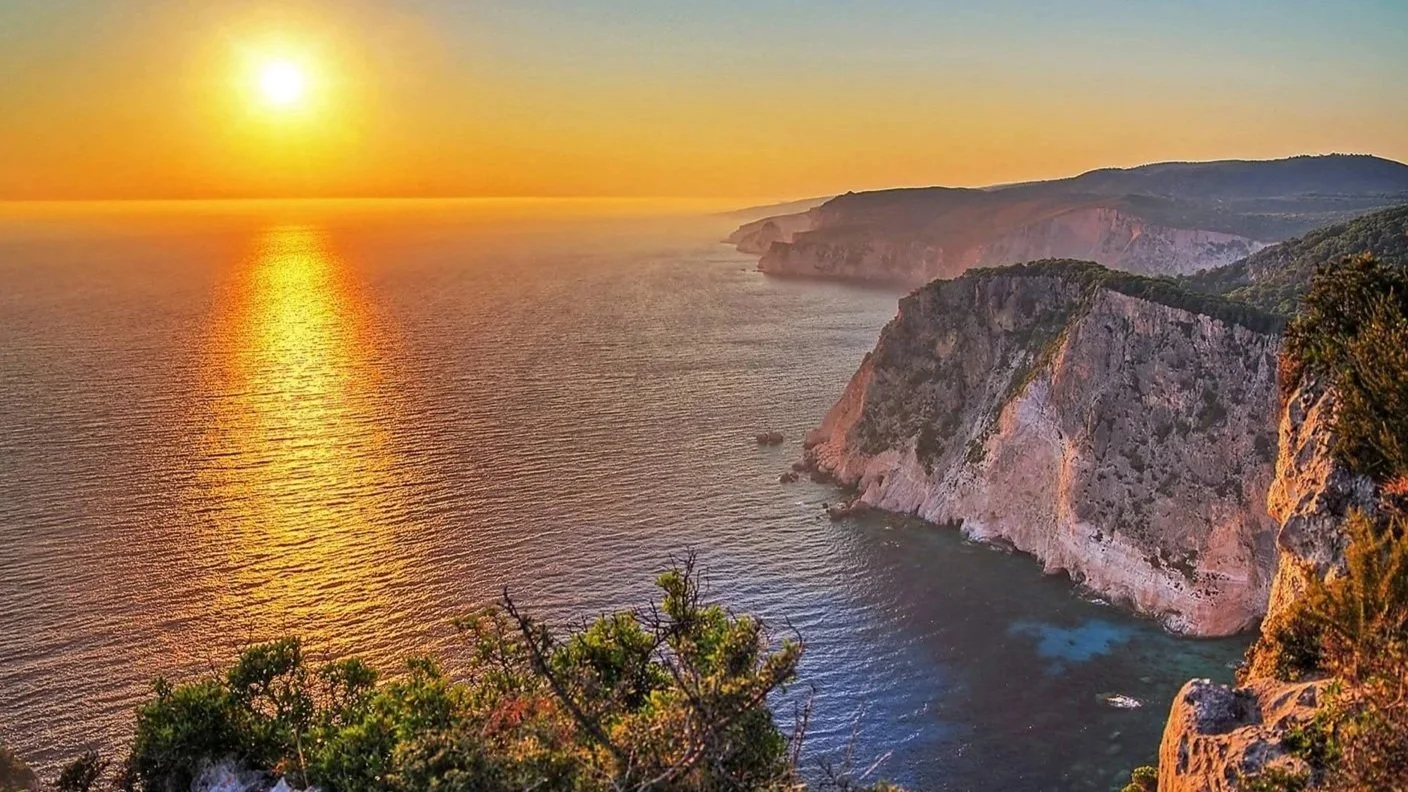
Zakynthos
Despite a narrative dominated by sun-seekers and party culture, three family wineries—Solomos, Grampsas, and Callinico—are quietly redefining their island’s reputation. Their self-imposed assignment: to remind us that this particular Ionian island is not just about saccharine neon cocktails, but centuries of viticulture rooted in patience, craft and community.
Solomos Winery
Grasping the hills just above old town Zakynthos lies Solomos Winery. Founded 40 years ago by brothers Anastasios and Dionysios Solomos, the business remains a family affair across four generations. Helping to preserve cooperative winemaking in a region better known for its beaches than its barrels, they produce 200,000 bottles annually for the island and mainland Greece with both their own vines and local cooperatives.
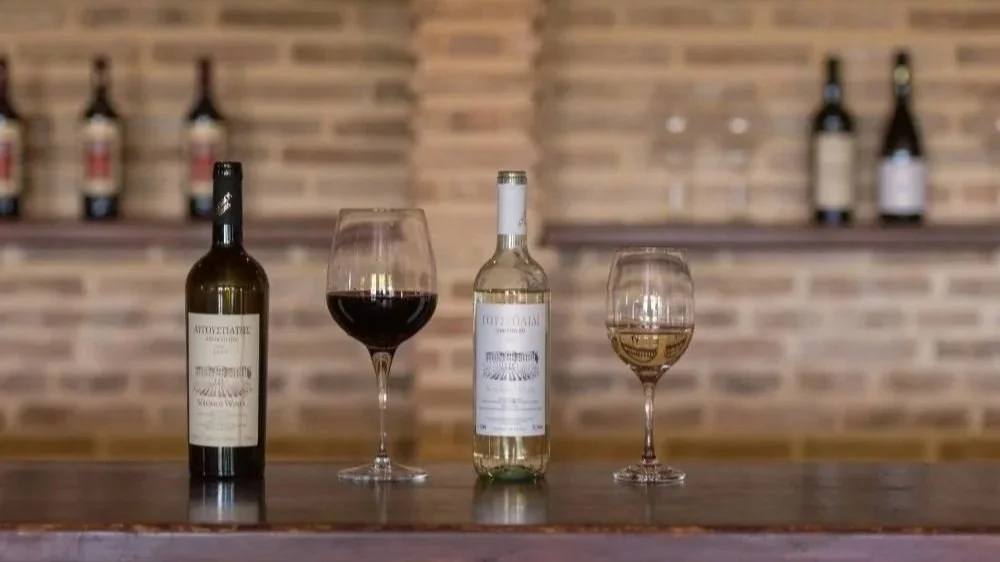
We step into a large hall with banquet tables laid out for tastings, with an open plan shop with their wines and oils and a large bar presenting eight labels for today’s sampling. While the rain clouds hover, the winery’s resident mousers rest on a nearby bench.
Of the whites, their Gustolidi was the standout favourite, a dry white using only the Gustolidi grape. As one of the oldest Zakynthian varieties, whilst the mountainous vine offers a low yield early in the season (harvest ensues from mid-August, lending it the name the Jewel of Augustus), the flavour and perfume of its fruit remain its draw. Offering a delicate aroma of bougainvillaea flower and honey, its golden yellow tone holds a cool acidity, balanced by notes of citrus and sweet melon, with a lingering minerality.
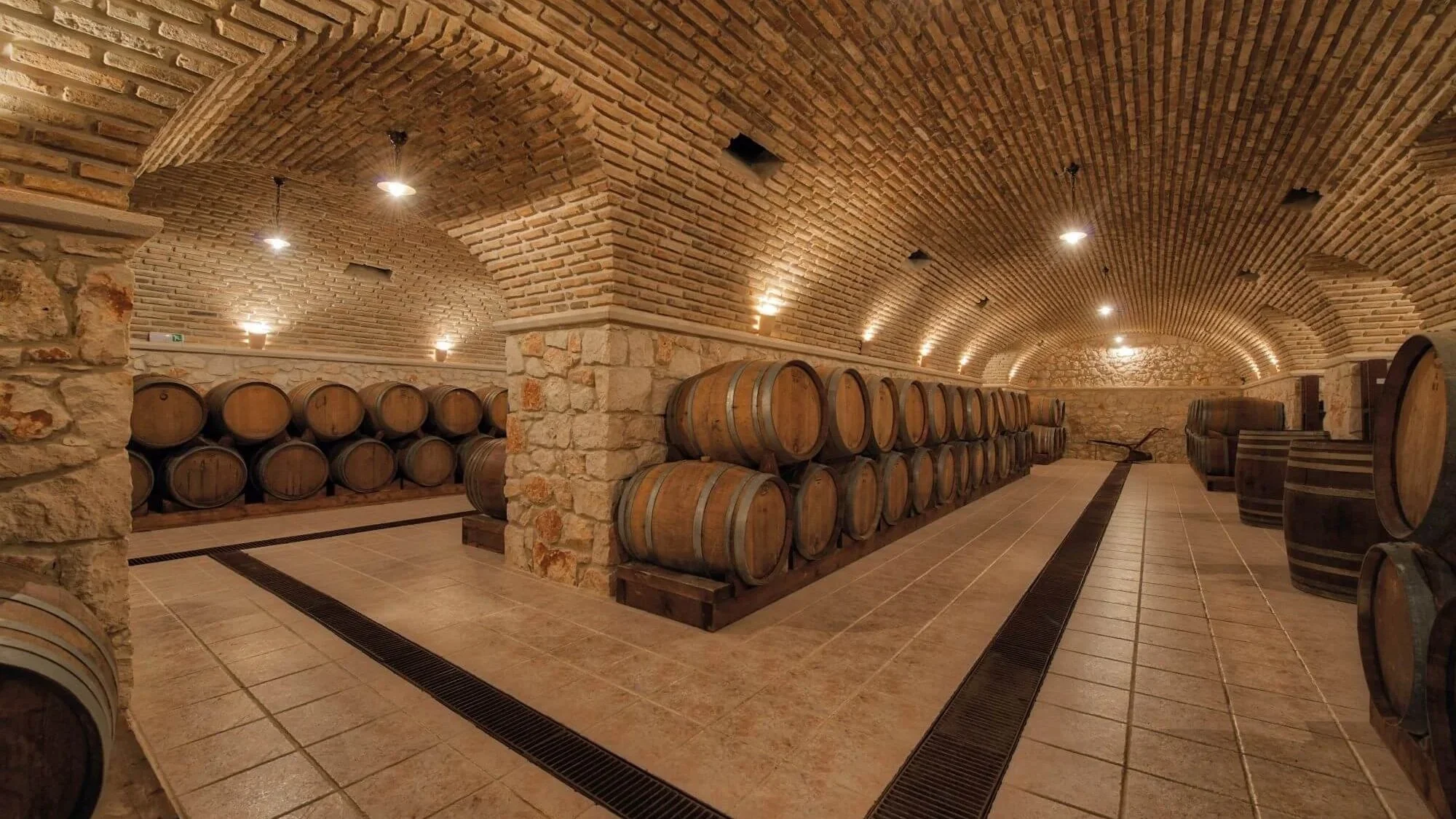
Visiting their beautiful modern cellar, built in 1980, we hear how their reds spend 18 months in Bordeaux oak and another 18 maturing in the bottle; filled each March after a harvest across September and October.
Their Anemones is a recipe they hold close, blending overripe lowland red varieties all Zakynthian in lineage, named after the poppy flowers that grown among the vines as the fruit matures. An intense ruby colour gives aromas of forest fruits, with notes of spiced plum and cracked pepper, its complexity granted by its balance of gentle tannins and sweetness – it’s an anecdote of Ionian warmth refined over oak and time.
Grampsas Winery
Deeper into the island, Grampsas Winery, though younger at fifteen years, is home to another family lineage headed into its fourth generation of winemaking (the great-grandchildren helped with the harvest for the first time this year) after two generations of home-made wines.
Our host, Christos, proudly tells us that his father, Tassos, initially received the help and support of Solomos to set up the commercial winery. Channelling a similar devotion to the land, but working their own vines, their eight native varieties produce 100,000 bottles per year.
Their Primo 2023, an orange wine of 100% Skiadopoulo variety, is limited to 1000 bottles each year. With 24 days skin-contact and two months in oak barrels, its light caramel colour, sweet aroma and orange blossom notes recall Greek orange cake in the glass.

Grampsas Winery, alfresco tastings
Another favourite of the tasting, At The Root Of The Mountain is a dry red of 100% Avgoustiatis variety, named after the stories the Venetians told during their occupation in the 1400s of the excellent wines produced in the region. From the glass, a bouquet of ripe red and black fruit meets a heady vanilla, with notes of chocolate, pepper and paprika. Complex but balanced, refined tannins give a long, smooth aftertaste.
Callinico Winery
Meanwhile, Callinico Winery, one of Zakynthos’ oldest and most established, tells a 100-year tale of winemaking on the island. Once a small cooperative, it has evolved with the wisdom of multiple generations. With all working areas accessible to the public as their museum of wine, Callinico feels more like a living chronicle of its history.
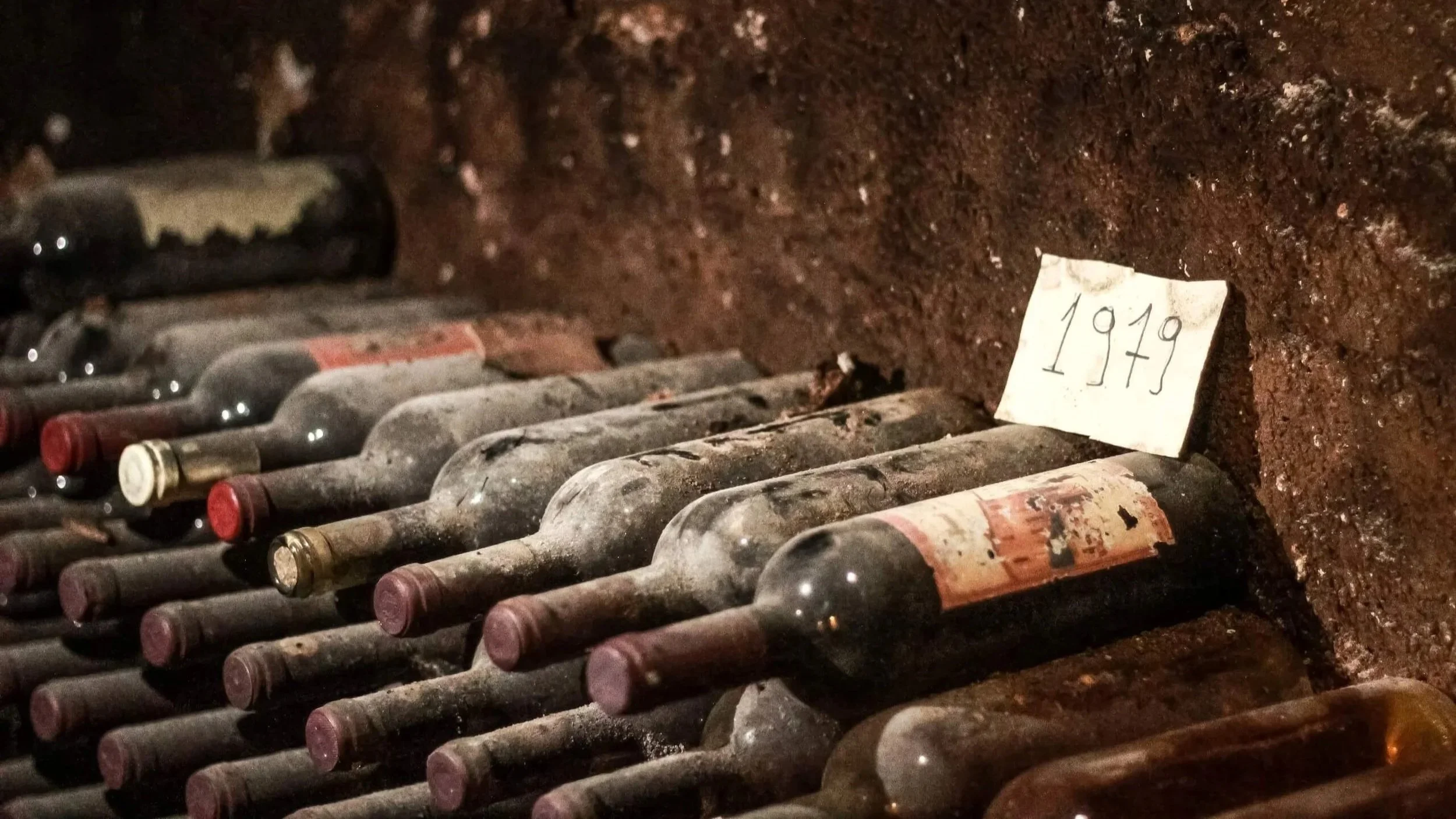
Callinico Winery, walking amongst the resting vintages
On visiting, we walk through cooled rooms lined with ageing bottles. Once used to ferment wine before bottling, these converted concrete vats shimmer with aged tartrate crystals. The Old Vintage tasting is a must for the connoisseur, hosted privately by their in-house sommelier, tasting vintage labels dating back to 1970.
Together, Solomos, Grampsas, and Callinico embody a quiet revolution—of families determined, perhaps now more than ever, to prove that Zakynthos, beneath its holiday veneer, is an island of serious and soulful wines.
Want to read more great wine reviews? Check out our reviews of the best Loire Valley rosé, What are Michelin Grapes, Pirr Wines, Tenute Venturini Foschi, the best English wineries and Wein am Berg festival
