
Everyone Went Somewhere in 2025: The Destinations the World Couldn’t Resist
Here at The Last Concierge, we’re currently in the process of drawing up our travel wishlists (our quarterly ‘Wanderlust’ feature, in case you’re interested) of places we have on our radar for the first flush of 2026’s globe-trotting adventures. While we’re not, as a rule, beholden to trends and the tyranny of knowing what’s hot or not in the sphere of travel, it’s always fascinating to stay on top of where people are heading in search of adventure and cultural enrichment.
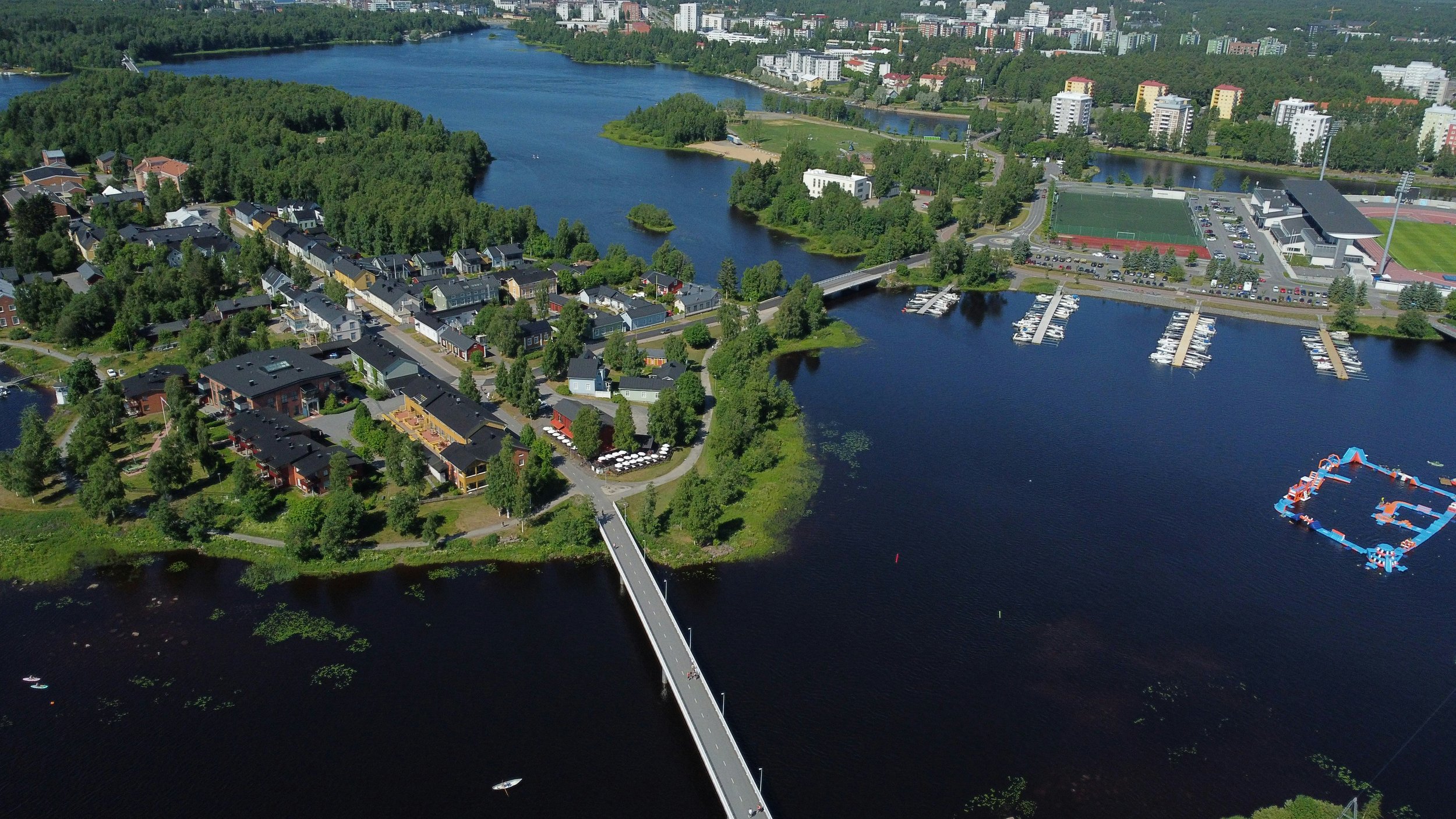
Will Finland’s Oulu feel the Capital of Culture effect?
In order to look forward to a brand new year, it’s never a bad idea to look back at the year that just passed, and take a peek at the stats and figures of what made the world of travel turn in 2025. Now, if UN Tourism’s latest World Tourism Barometer is to be believed—and it usually is—2025 was a year of decisively and purposefully packed suitcases; something we can certainly get behind.
To say there were a few surprises in the list is something of an understatement; a handful of destinations didn’t merely recover their footing, they sprinted ahead. Indeed, Iceland, Brazil and Egypt all clocking enviable double-digit growth in international arrivals. It seems the world’s collective wanderlust has not only returned, but is travelling first class and with culture and nature topping various rundowns of non-negotiables.
Social Media and Spectacle Lead The Way

The enduring appeal of Japan’s sakura season
Some were less surprising. Take Japan – over the past few years, it has felt statistically impossible to open Instagram without encountering at least one friend beneath a cascade of cherry blossoms or holding a matcha latte with suspiciously good lighting. As it turns out, this wasn’t just anecdotal evidence curated by an algorithm. Japan is officially one of the fastest-growing tourism destinations on the planet, recording a 17 per cent increase in international arrivals through November 2025 compared with the year prior, according to UN Tourism’s first World Tourism Barometer of 2026. Social media, it seems, was simply ahead of the data.
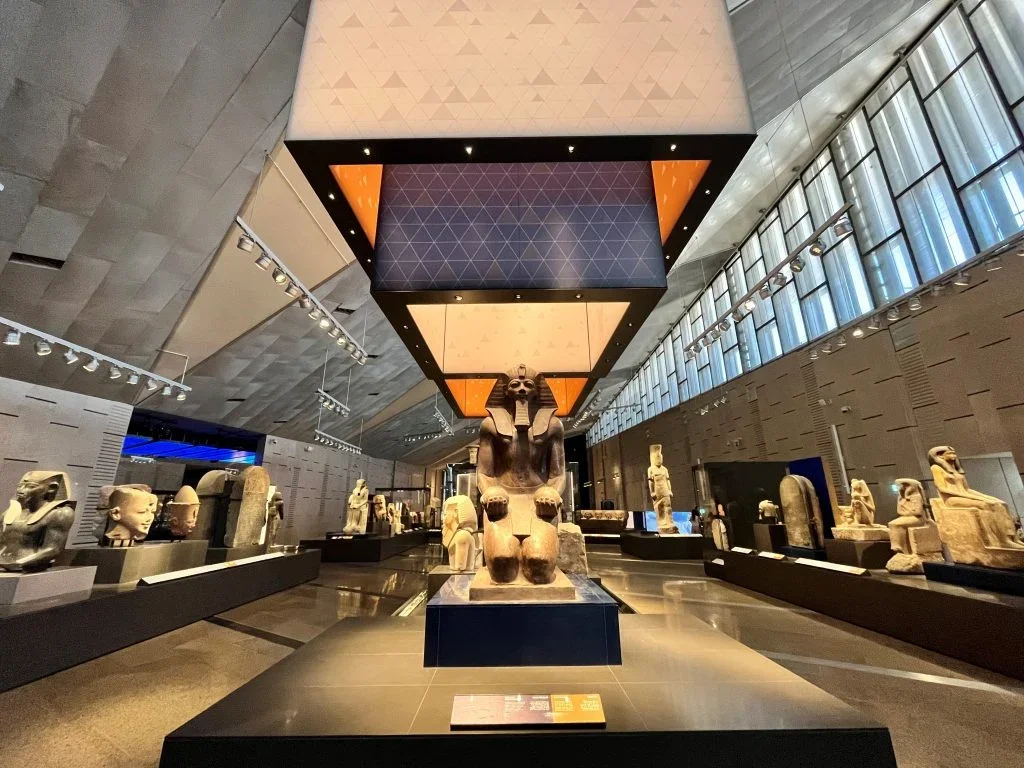
The Grand Egyptian Musuem — A Gamechanger in Giza
Elsewhere, the numbers are even more theatrical. Brazil surged by a remarkable 37 per cent across the full year, its appeal amplified by a calendar that reads like a global RSVP list. Carnival, as ever, proved irresistible—drawing revellers in February with its usual promise of colour, chaos and rhythm—but it wasn’t alone. Rio de Janeiro’s designation as UNESCO’s World Book Capital added a cultural gravitas to the festivities, while Lady Gaga’s free concert on Copacabana Beach provided the sort of once-in-a-lifetime spectacle that turns holidays into legends. There has been plenty written in recent years about cultural events, pop concerts and festivals gradually transforming the way people travel internationally. As someone who has travelled to see favourite bands perform (although in my case, it’s admittedly been the likes of Depeche Mode and the surviving-yet-increasingly-crumpled stable of gothic rock luminaries over the years), it’s interesting seeing this play out in such official collations of statistics.
Cultural happenings of a different calibre are clearly also making their presence felt. Egypt experienced a 20 per cent rise in arrivals, buoyed by the slow-burn anticipation surrounding the Grand Egyptian Museum (which is on my wishlist for later this year, and I’m already scoping hotels in Giza). Its soft opening in October 2024, followed by a much-anticipated grand opening in November 2025, catapulted the country back onto travellers’ must-visit lists—this time with the promise of seeing antiquity presented on a suitably epic scale.
The Magnetic North
In Europe, Iceland emerged as the continent’s fastest-growing destination, welcoming 29 per cent more international visitors. Much of this can be attributed to celestial timing. The sun reached its solar maximum in late 2024, ushering in heightened Northern Lights activity throughout 2025 and sending aurora-hunters north in droves. And with a total solar eclipse set to plunge parts of the country into brief darkness this August, it’s safe to assume Iceland’s moment in the spotlight—or lack thereof—is far from over. It’ll be interesting to see how my beloved Finland fares in 2026, with the beautiful city of Oulu named as European Capital of Culture this year. I expect to hear of friends and acquaintances falling in love with salmiakki and Karelian pastries soon.

The allure of Iceland isn’t a tough one to decipher
Beyond the headline acts, several other destinations quietly enjoyed their own surge in popularity. Morocco recorded a 14 per cent increase in international arrivals for the full year, while the Seychelles followed closely with 13 per cent. Data reported through November shows Bhutan climbing by 30 per cent, Guyana by 24 per cent, and South Africa by a confident 19 per cent—proof that travellers are casting their nets both wider and wiser.
Global Trends and Expanding Horizons
Zooming out, the global picture is equally telling. An estimated 1.52 billion international tourists travelled in 2025, with Europe retaining its crown as the world’s most visited region, drawing an impressive 793 million visitors. And this was achieved despite persistent inflation in tourism services and an undercurrent of geopolitical uncertainty. As the report diplomatically notes, travel demand remained “solid” throughout most of the year, only softening slightly toward the end.
In other words, the appetite for travel is alive, well, and increasingly discerning. The world isn’t just moving again—it’s choosing its destinations with intent, curiosity and, occasionally, a well-timed eclipse.
