
Why Europe's Best Wellness Escapes Have Nothing to Do with Biohacking
From Nordic sauna temples and ancient bathhouses to floating spas, mountain retreats and lakeside sanctuaries, these luxury wellness escapes prove that genuine relaxation has far more to do with slowing down than self-optimisation.
Nobody could deny that wellness is having a moment. Unfortunately, it also has several podcasts, three subscription services, a wearable ring, watch and ankle bracelet, and a perma-tanned and oh-so-serious man on YouTube insisting you should begin every morning by staring directly at the rising sun, swallowing a pine cone and throwing yourself into an ice bath.
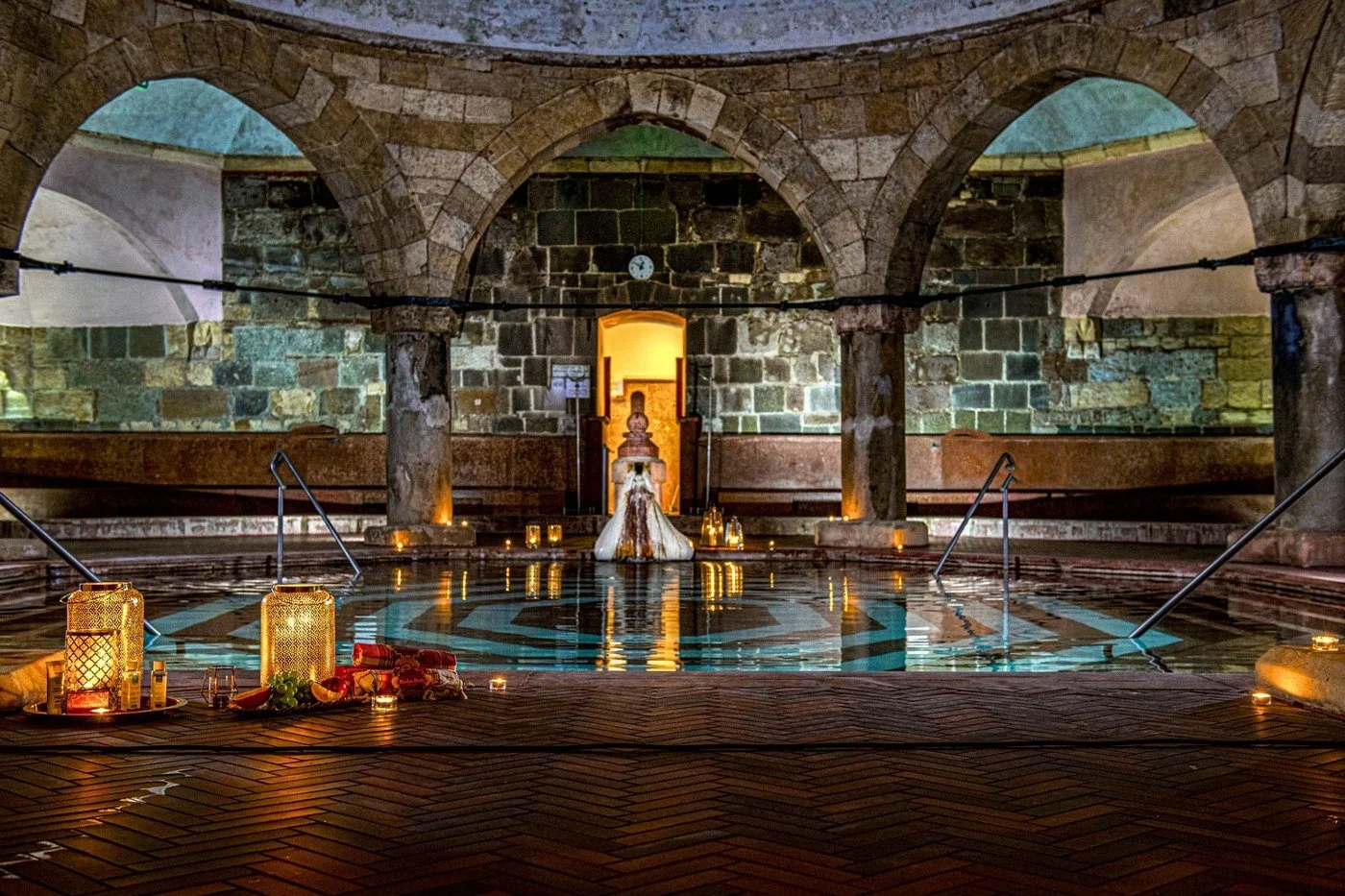
Budapest’s Rudas Baths: Hot water. Steam. Stillness. Why overcomplicate things?
The problem isn't that wellness has become popular. It's that it's become increasingly complicated to the point of being inaccessible. After all, taking care of yourself and enjoying moments of relaxation and revivification should be a fairly straightforward pursuit, and yet it gradually evolved into an industry obsessed with metrics, optimisation and elaborate ways to monitor your mitochondrial function.
Something is instinctive as sleep is monitored via digital digital devices, anxiety spikes are communicated via push notifications and eating a balanced diet comes with a side order of complex mathematics and biochemistry. Surely wellness shouldn’t feel, well, so stressful?
The Best Spas in Europe Are Often The Simplest
Maybe I’m horrendously out of date, but I enjoy a spa day as a ritual of uncomplicated and almost mindless relaxation. I’m pretty sure history is on my side – throughout the centuries, people have unwound in fairly simple ways. They wallowed in warm water, spent time lounging in bathhouses, enjoyed the silence of a forest or sat around in hot rooms, and the best wellness escapes evidently still understand this.
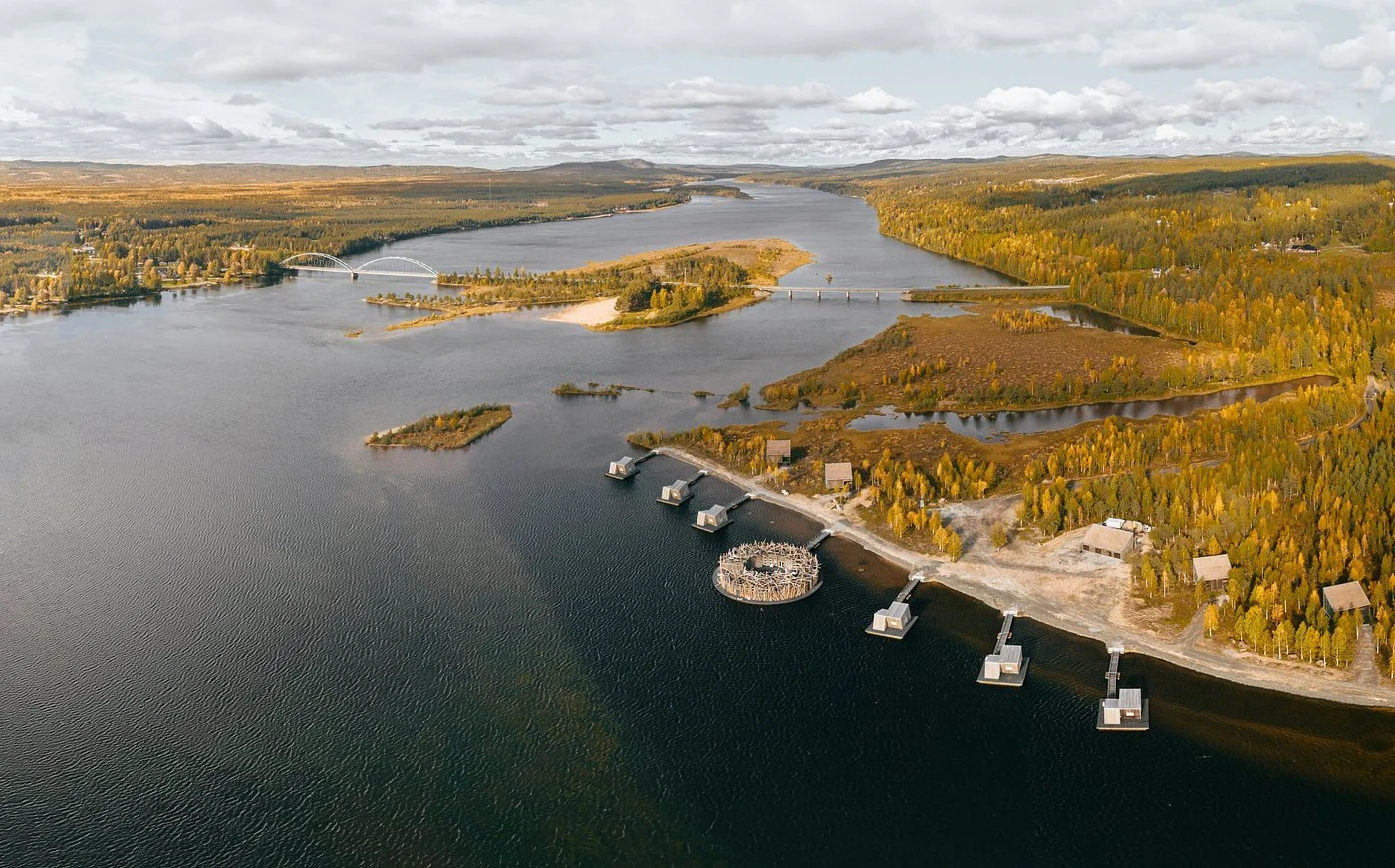
Arctic Bath, Swedish Lapland. Magnificent simplicity.
Across Europe, there are thankfully still plenty of venues that don’t promise transformation, and don’t deliver relaxation with a lecture on biohacking. The best of them simply create optimised conditions for rest and pleasure, and serve as a reminder that being alive and feeling good isn’t a competitive sport.
Here are twelve of our absolute favourites, perfect for those looking for European spa breaks without too many bells, whistles or incomprehensible jargon.
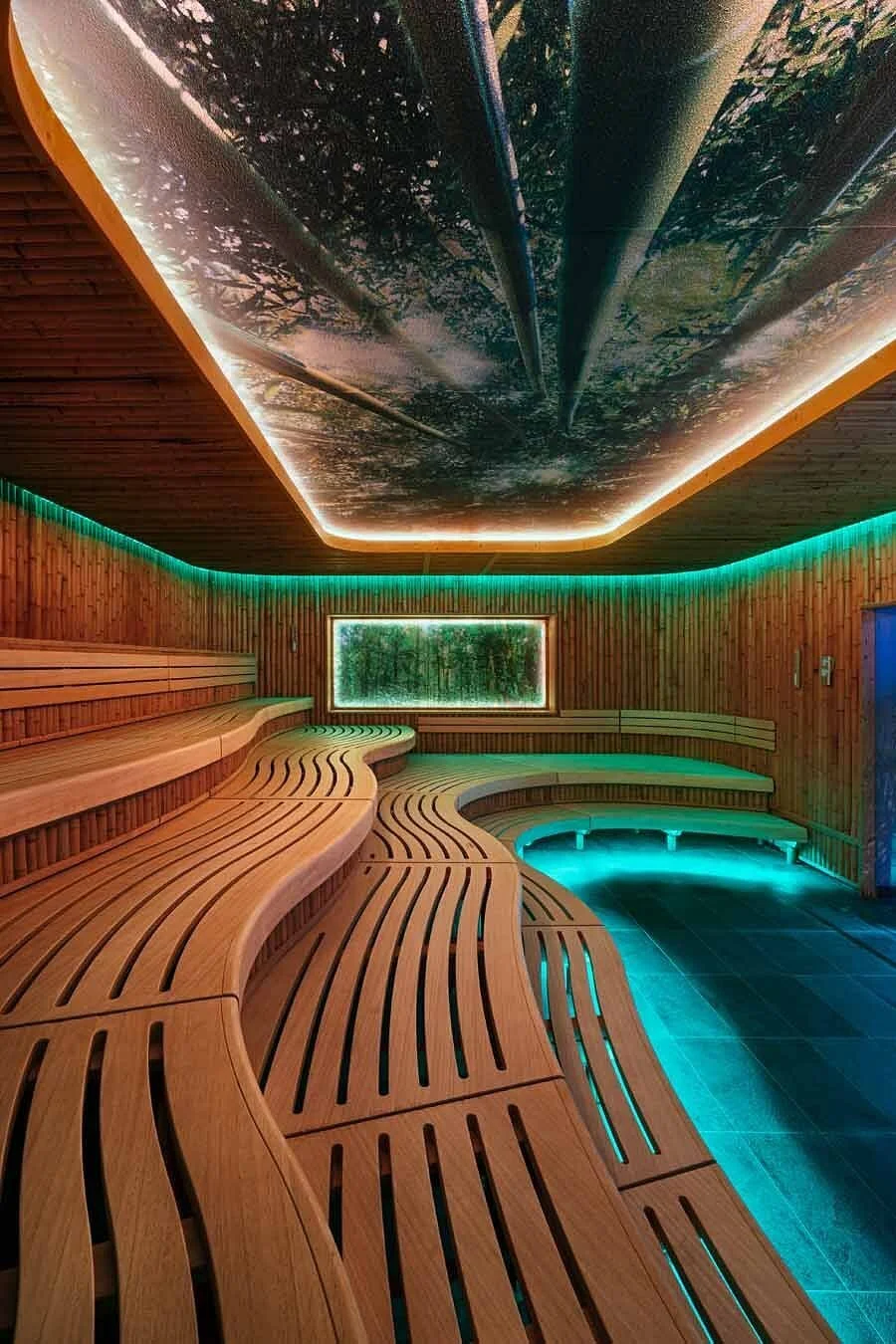
The Well, Oslo. Possibly my favourite spa on Earth.
The Well, Oslo, Norway
Few spas in Europe understand or apply the Nordic approach to wellbeing quite as completely as The Well outside Oslo, possibly one of my favourite spa complexes in possibly one of my favourite countries.
Spread across a vast network of pools, thermal experiences, saunas and steam rooms, it feels less like a spa and more like a small kingdom entirely devoted to switching off and spending quality time naked in a series of carefully curated relaxing spaces. Several years after visiting, I still find myself thinking about it whenever somebody tries to convince me that wellness requires a £300 smartwatch and a spreadsheet.
The genius of The Well lies in its refusal to overcomplicate matters. There’s heat, water and silence. Repeat as necessary, and then spend far too much time planning your return once home.
Vabali Spa, Berlin, Germany
As someone who spent a good chunk of my early twenties in the German capital, I know perfectly well that Berlin is primarily famous for nightlife, creativity and a healthy disregard for convention. Relaxation isn't traditionally at the top of the list, which is partly why Vabali feels so remarkable.
Hidden among the urban intensity next to the Hauptbahnhof, this sprawling Balinese-inspired retreat offers pools, gardens, saunas and relaxation spaces that seem entirely disconnected from the city beyond its gates. It's proof that even Europe's most energetic destinations occasionally benefit from somewhere designed solely for doing absolutely nothing.
Yasuragi, Stockholm, Sweden
If there are two world cultures who share my personal philosophy on uncomplicated, blissful and restorative relaxation, it’s surely Sweden and Japan. Yasuragi takes Japanese bathing culture and transplants it into the Stockholm archipelago with extraordinary success, and for those seeking out the sensation that comes after serious time spent in places committed to the art of unwinding, there’s really nowhere else quite like it.
Guests swap commuter stress for yukatas, thermal pools and quiet contemplation overlooking the water, resulting in an experience that is beautifully understated, and all the better for it. In a world increasingly obsessed with squeezing productivity from every waking moment, Yasuragi makes a convincing argument for the opposite approach, delivered in peerless Scandi style.
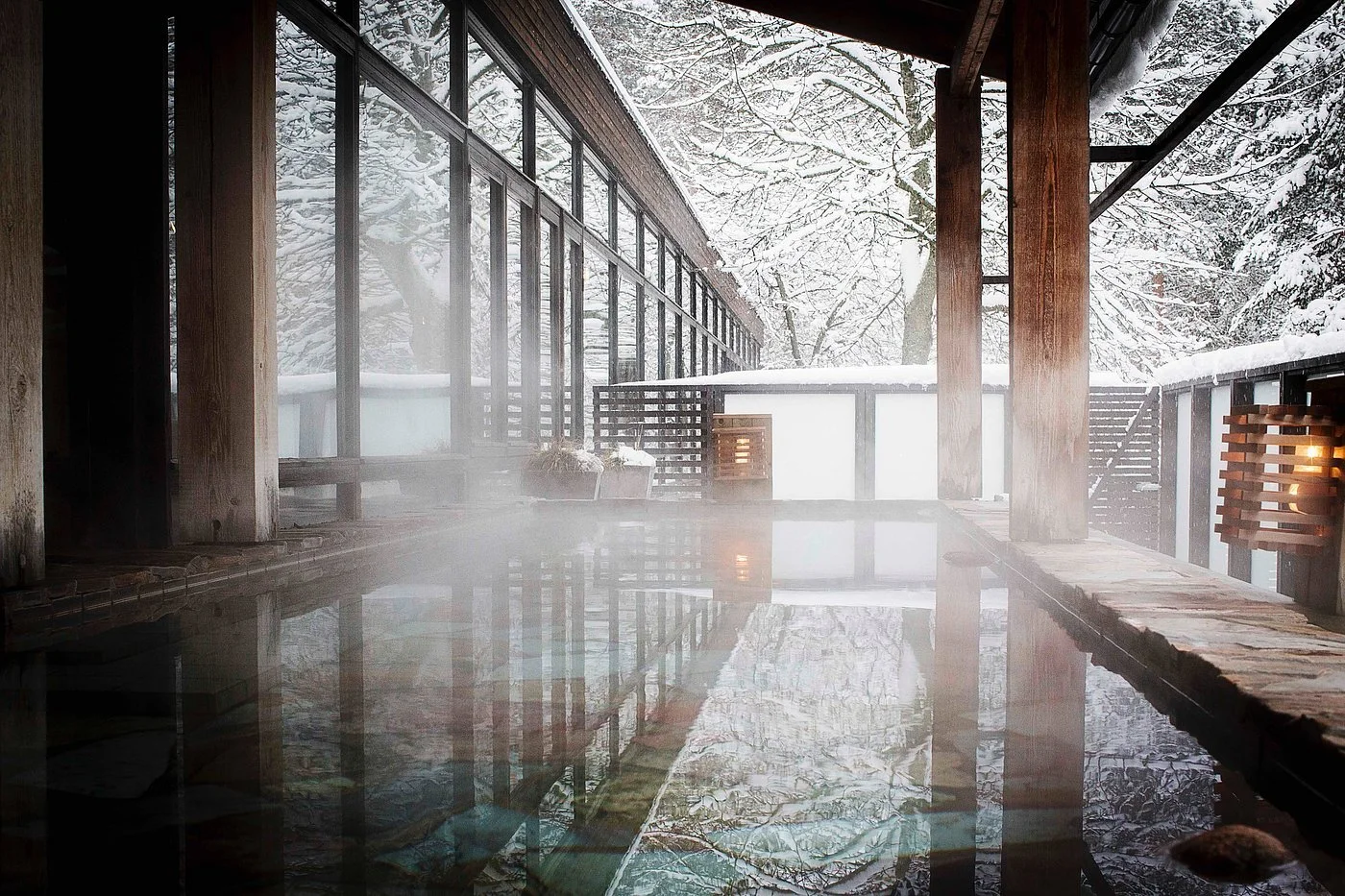
Japanese simplicity, Scandi elegance. Yasuragi, Stockholm
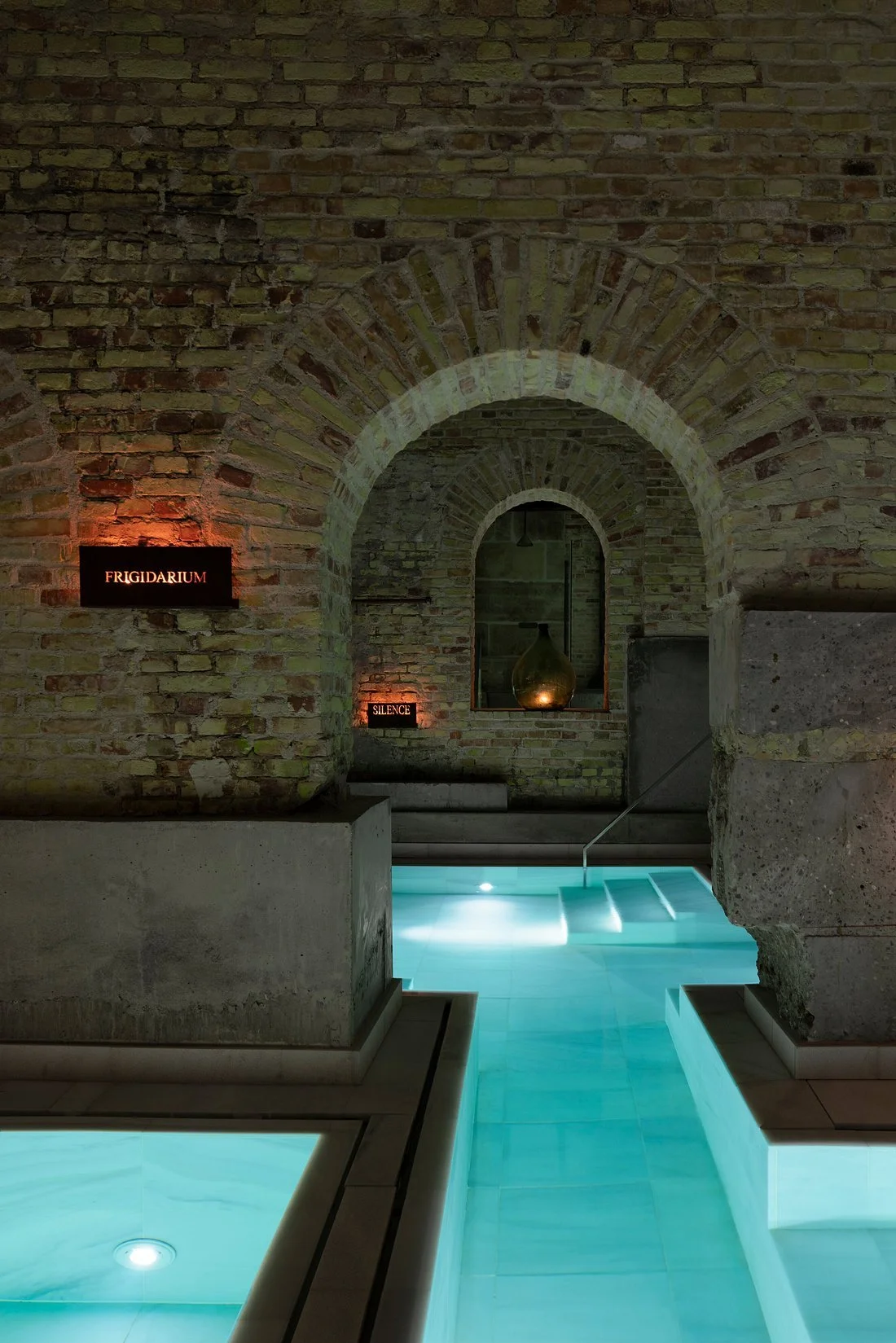
A subterranean temple of calm, Ancient Aire Copenhagen
Aire Ancient Baths, Copenhagen, Denmark
Copenhagen’s new Carlsberg City District makes astonishing use of the architectural wonders left by the pioneer of what – if we’re being honest – probably isn’t the best beer in the world. However, brewer J.C Jacobsen was a fascinating esotericist, and it feels only fitting that part of his original factory has now been converted into an Aire Ancient Bath, which immerses spa-seekers into a world of unrivalled bliss beneath the streets of the Danish capital.
Inspired by Roman, Greek and Ottoman bathing traditions, this candlelit sanctuary strips wellness back to its fundamentals: warmth, water and stillness. Moving between pools of different temperatures beneath vaulted ceilings and flickering candlelight, and while floating in the saltwater pool in near complete darkness, it's impossible not to feel the centuries collapse around you.
Moreover, in a world where modern wellness constantly chases innovation, Aire quietly demonstrates that some ideas were perfected a very long time ago.
Rudas Baths, Budapest, Hungary
I lived very happily in Budapest for several years as a younger man, and the Hungarian capital’s bathhouses left an indelible impression upon me. It’s not hard to see why. After all, Budapest understands something the modern wellness industry occasionally forgets: sitting in hot water for an hour or two remains a relaxation technique that’s surprisingly difficult to improve upon.
Budapest boasts some of Europe's finest thermal bathing culture, but Rudas was always my favourite and it remains one of the city’s greatest treasures. Originally built during Ottoman rule in the 16th century, the historic thermal pool sits beneath a magnificent dome where shafts of natural light filter through ancient stonework and stained glass. It’s a beautiful place to spend a lazy day, letting the thermal waters do what they’ve always done best: lull you into a blanketing sense of utmost calm.
Falkensteiner Hotel & Spa Iadera, Croatia
Perched on Croatia's spectacular Dalmatian Coast, Falkensteiner Hotel & Spa Iadera benefits from one of the most effective wellness treatments ever discovered: the royal blue waters of the Adriatic Sea.
The spa in the hotel complex by itself is excellent, but the wider experience is what really lingers. Guests leave the array of pools and saunas feeling revived, before taking in what are arguably Europe’s best sunsets as they stretch across the horizon. Seafood lunches merge into languid afternoons, time appears to move at a much more civilised pace, and then you’re free to do it all again the following day. If you get a chance, make full use of the aufguss sauna ritual – it’s a genuine treat.
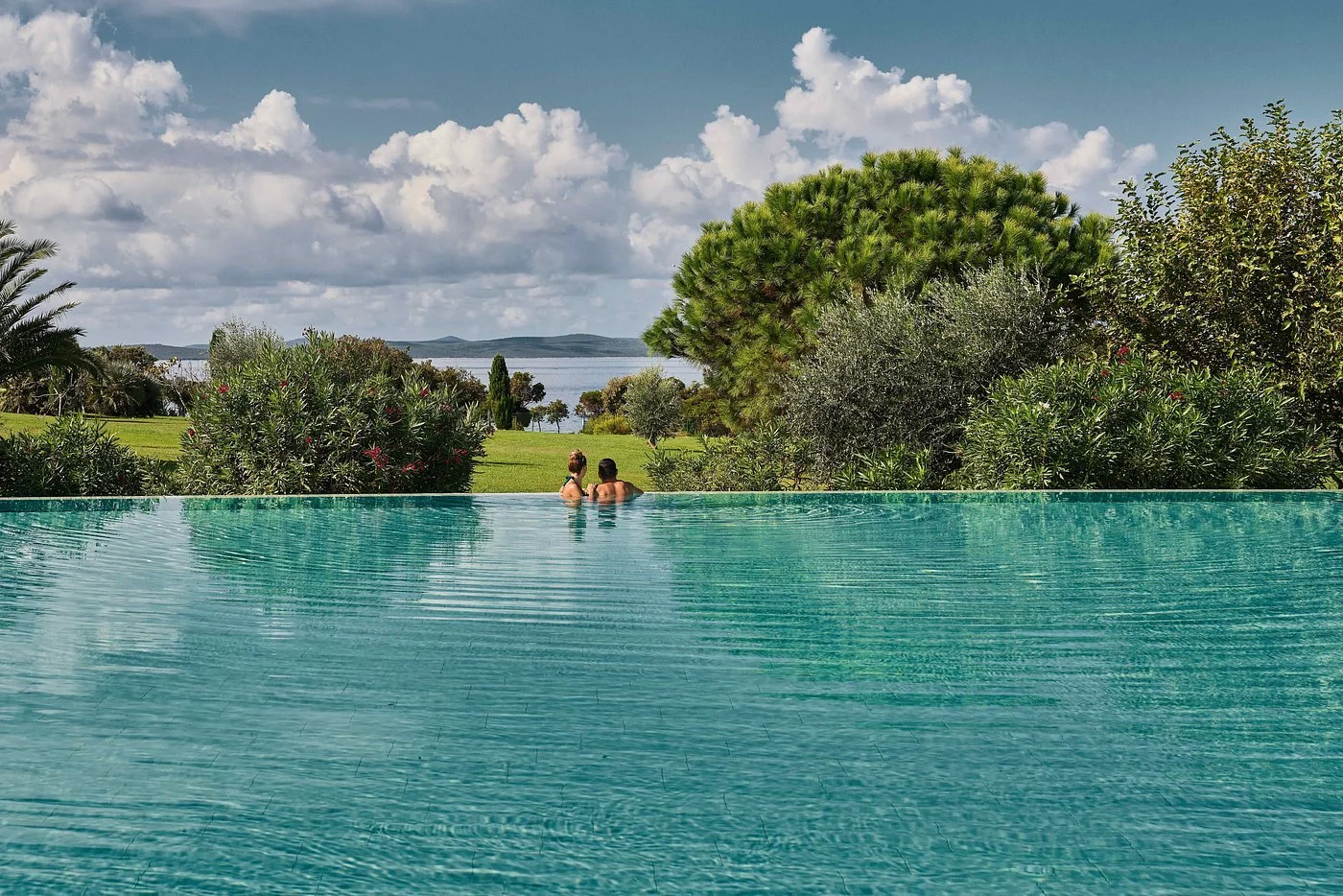
Committed to the simple pleasures of sun, sea and self-care. Falkensteiner Iadera, Croatia
Aqua Dome, Austria
If there’s one thing I’ve learned in all my years as a travel writer, it’s that it's rather difficult to remain anxious while floating in a thermal pool suspended above an Alpine valley.
Aqua Dome's futuristic outdoor pools have become some of Europe's most recognisable wellness imagery, and rightly so. The setting is extraordinary, with snow-covered mountains rising dramatically around steaming thermal waters, against a backdrop of Austria’s thrillingly no-nonsense approach to wellbeing and self-care. While many wellness experiences rely on novelty and the latest tech, Aqua Dome relies on scenery that’s remained unchanged for millennia and the persuasive argument that mountains improve pretty much everything.
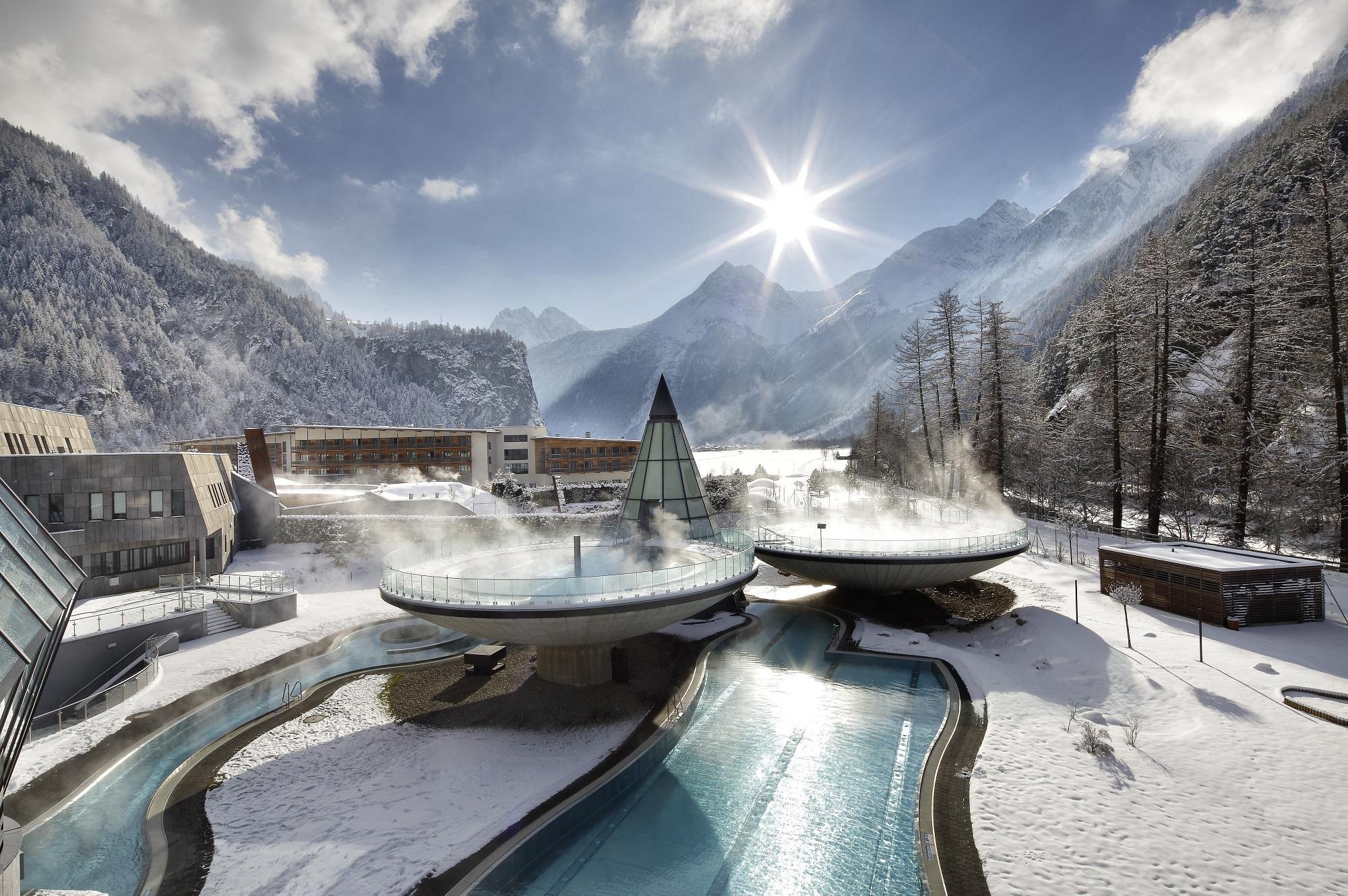
Alpine unwinding in style. Aqua Dome, Austria
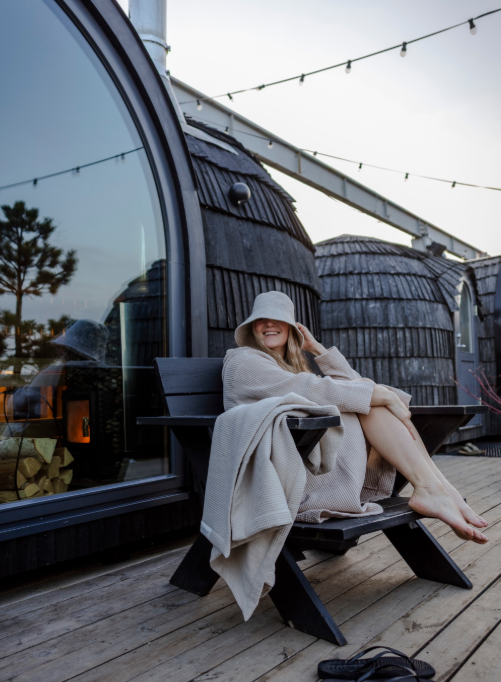
A cabin, a sauna and the fresh Baltic air. Iglupark Tallinn.
Iglupark Sauna, Tallinn, Estonia
My love affair with Tallinn goes back over two decades, and it remains the European capital I’ve visited most often. Its sauna culture goes some way towards explaining my devotion, as does its nonchalant attitude towards regular wellness rituals without any grandiose claims of rewiring your nervous system.
Want a stripped-back, traditional and historic sauna in Tallinn? Head to Tallinn Sauna, which dates back to 1882. Looking for something a little more tourist-friendly? Iglupark on Tallinn’s beautiful waterfront has you covered. With elegant, minimalist timber-clad saunas and views across the Gulf of Finland, it’s not only a fantastic place to get in touch with the Baltic’s ancient and effective wellness rituals, it’s also highly accessible, affordable and free from unnecessary distractions and additions.
In many ways, it’s a reminder that some of the world's most effective wellness rituals began not in luxury retreats but in everyday communities – and that’s something we’re always willing to get behind.
The House Spa at Dormy House, Cotswolds, England
Nestled within a 17th-century farmhouse on the Farncombe Estate, Dormy House is proof that world-class British hospitality doesn't need to overthink the art of unwinding. The House Spa is a masterclass in cosy, unpretentious luxury, trading hyper-technical biohacking protocol for open fires, lavender-scented air, and pure, tactile indulgence.
Here, the wellness menu relies on simple, deeply comforting rhythms: a dip in the candlelit infinity pool, time spent in the thermal suite’s juniper sauna, or a quiet hour curled up in a poolside cabana with a book. Dormy House has mastered creating all you need for a long, undisturbed afternoon nap, preferably followed by an exquisite dinner and a glass of wine in the heart of the Cotswolds.
Schloss Elmau, Bavaria, Germany
Schloss Elmau is technically a luxury spa retreat, but it’s also a concert venue, a cultural sanctuary and a mountain escape where intellectual nourishment is treated with the same seriousness as physical restoration. Despite how that all sounds, the spa facilities are treated with a brilliantly teutonic straightforwardness, meaning you can unwind in style without having to commit to anything remotely outside your comfort zone… which is surely what relaxing in a spa should be all about.
Deep in the Bavarian Alps, visitors move between spa facilities, walking trails, libraries, performances and extraordinary scenery. It understands something many wellness destinations miss entirely: sometimes, relaxation and stimulation can happily go hand in hand.
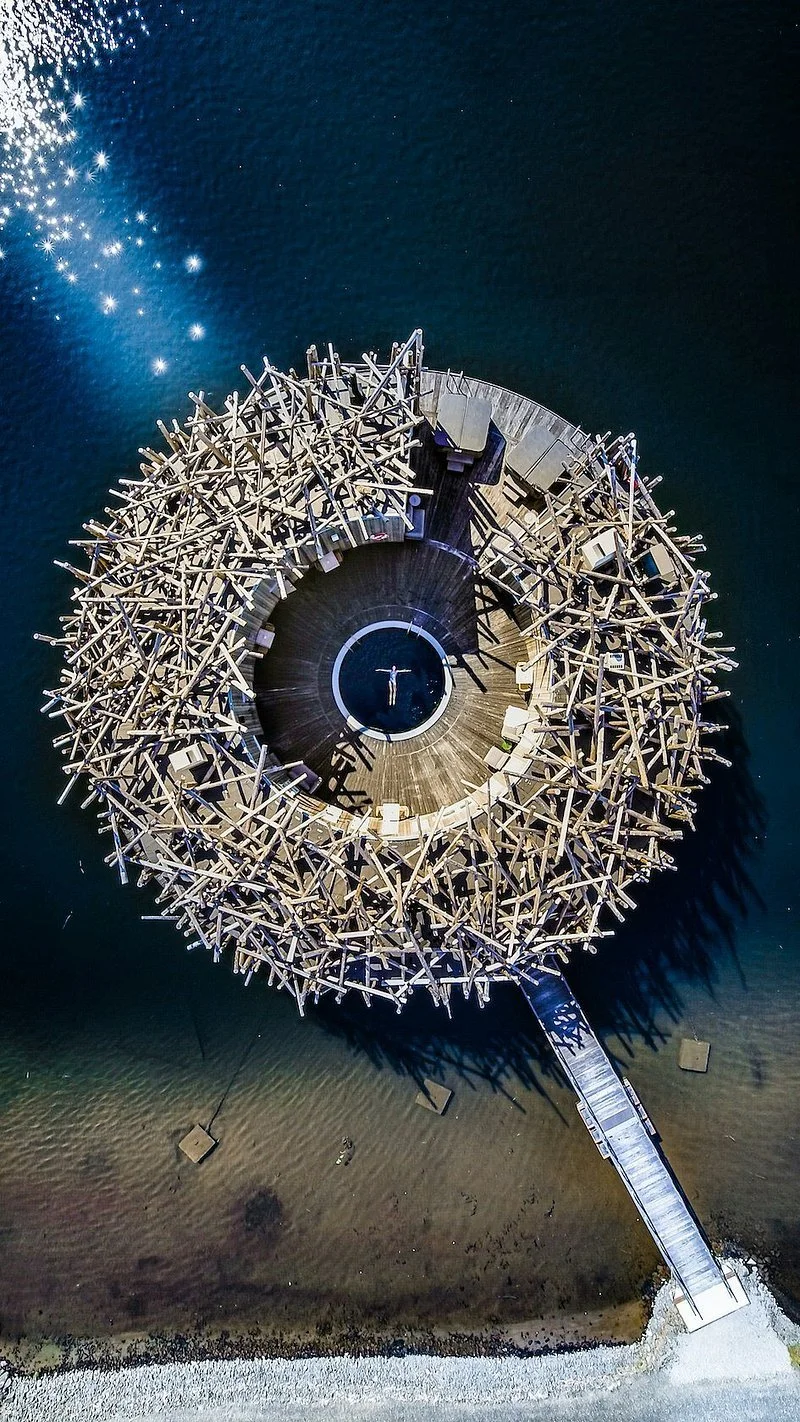
Arctic Bath, Sweden. Impossibly relaxing.
Arctic Bath, Swedish Lapland
Floating on the Lule River in Swedish Lapland, Arctic Bath might be one of the most visually striking wellness destinations on the planet. However, despite being a jaw-dropping architectural marvel and set against Swedish Lapland’s wintry beauty, the concept beneath the design remains wonderfully simple.
Guests alternate between heat and cold, sauna and river, socialising and solitude. The vast wilderness provides the perfect backdrop for a Swedish wellness retreat quite unlike any other, creating a sense of stillness that's increasingly difficult to find elsewhere. If you want to get back to the roots of what makes sitting and sweating in a sauna such an enduring ritual, it firmly belongs on your wellness bucket list.
Bodysgallen Hall Spa, North Wales
If there’s one thing about modern wellness that I take issue with, it’s that it often seems determined to convince you that something is wrong. Bodysgallen Hall, located a stone’s throw from the magnificent Conwy Castle in a National Trust property in North Wales, takes a refreshingly different view.
The spa sits quietly among gardens, woodland paths and centuries of history – the walk to the pool allows you to wind your way past ancient oaks and a walled kitchen garden. Upon arrival, guests uncover GAIA treatments that focus on pleasure and relaxation, a large and tranquil pool, a sauna and a steam room. It’s uncomplicated in the way the best hotel spas should be, and the fact it can be followed by an afternoon tea besides a Tudor fireplace only adds to the whimsy and wondrous nature of this elegant retreat. Yes, it’s rather old-fashioned. No, that’s absolutely not always a bad thing.
When Did Relaxation Become So Complicated?
Consider this for a moment: for the vast majority of human history, wellness wasn't a product category, a buzzword or something that required any particular amount of thought or effort.
People gathered in bathhouses because hot water felt good, and they visited saunas because winter was cold. They escaped to the countryside because cities were noisy, and as a result, entire cultures developed traditions around heat, water, conversation and rest without ever once using the phrase "peak performance" or worrying about whether their somatic breathing techniques were on point.
Somewhere along the way, we convinced ourselves that relaxation required optimisation. If that’s your cup of tea and you genuinely benefit from going into the technical aspects of wellbeing, fill your boots – I’m not going to judge you.
However, if you’re looking for something simpler, more elemental and way less complex, the places on this list offer a useful corrective. They remind us that many of the greatest wellness breakthroughs aren't breakthroughs at all: they're rediscoveries.
Looking for something closer to home? Check out our guide to the best sauna in London, the UK’s best spa or our review of Banya no.1 Hoxton.
