
Dalarna, Sweden: The Luxury Summer Escape You Haven't Heard Of
Discover why Dalarna, Sweden, is emerging as one of Scandinavia's most compelling summer escapes, combining pristine lakes, Sámi culture, outdoor adventure and a refreshing alternative to Mediterranean heat.
For decades, the formula for a successful summer holiday has seemed reassuringly simple: head south and keep going until the temperature matches your expectations. Indeed, the Mediterranean has become the backdrop to countless European escapes, with sunshine serving as both attraction and currency.
Despite the bloviations of certain politicians, there’s no getting away from the fact that summers are becoming hotter. This year has been a sweltering, sweating cloche of humidity – even the sun worshippers among us have caught ourselves longing for the familiar grey skies of Great Britain to roll in overhead, bringing relief from the rising mercury. We daydream of crisper air, the shade of swaying trees. We seek escapism in the form of a truly restorative break; one which doesn’t involve forty-degree heat and overcrowded beaches. The answer lies, as many of us are discovering, in the north.
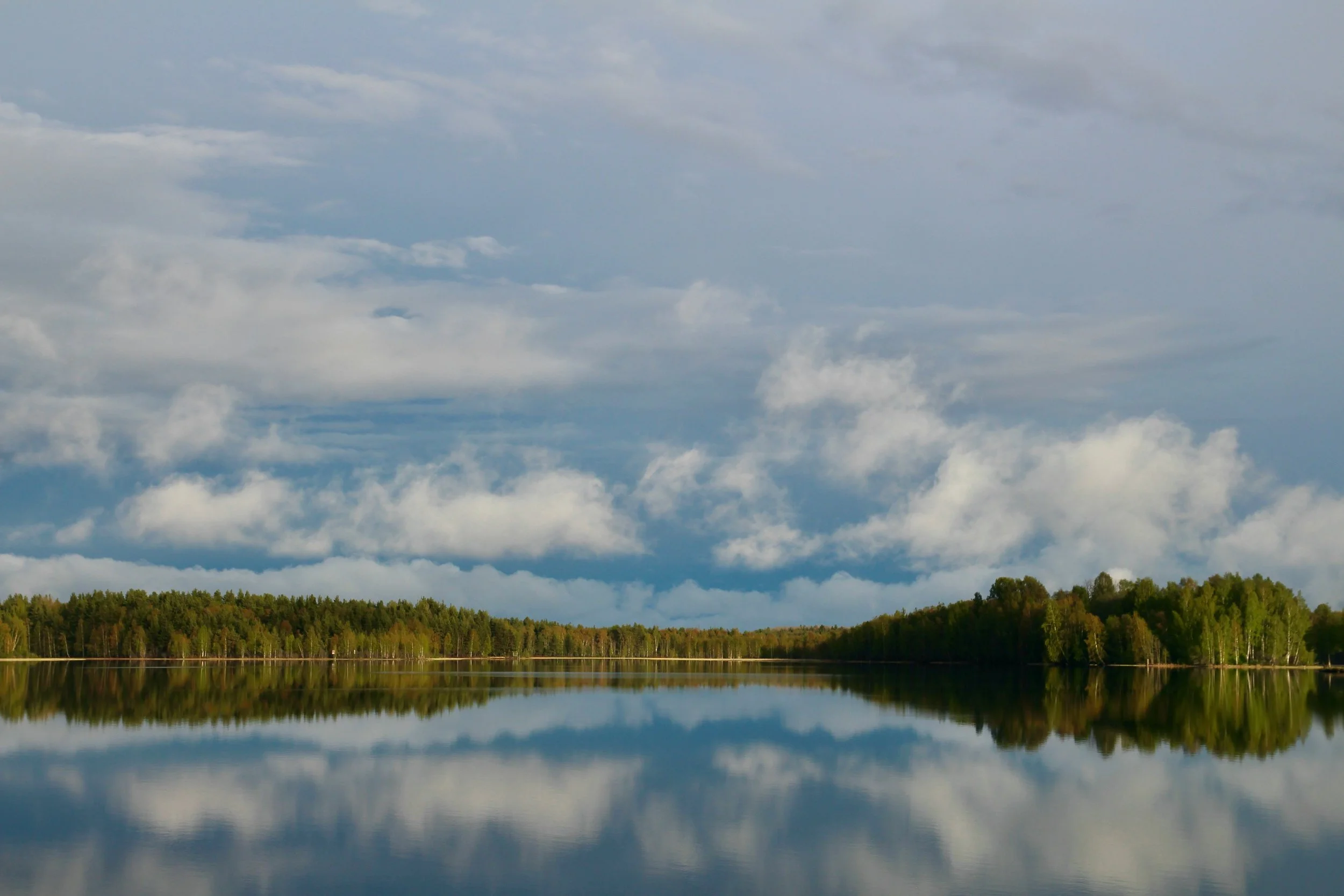
Quintessential Dalarna
It’s not simply because, as we edge towards the arctic circle, the temperature drops to more comfortable levels. Places like Sweden – of which I’ve long been a champion – offer something that feels increasingly scarce elsewhere: space, silence and a closer relationship with the natural world, and few destinations embody this better or more all-encompassingly brilliantly than Dalarna.
Located around three hours north-east of Stockholm, the region is often described as "Sweden in miniature". On one level, that's easy to understand: the deep forests, shimmering lakes, red-painted cottages and almost irritatingly tall, blonde, beautiful people are all exactly where you'd hope to find them. However, there’s a deeper level to Dalarna’s inimitable Swedishness that’s well worthy of discovery. This is the land of timeless traditions, of ancient indigenous practices and centuries of craftsmanship. Spend a few days in this gleefully underrated corner of Scandinavia, and you’ll realise that Dalarna is more than a postcard version of Sweden. In many ways, it is the cultural heart of the country.
A Landscape That Shaped a Nation
Some destinations impress immediately. Dalarna prefers to reveal itself more gradually, almost aware that it remains solidly in the ‘best-kept secret’ category that is yet to be uncovered by tourists from beyond its own national boundaries.
It’s a landscape typified by vast pine forests that stretch towards distant horizons, lakes that appear with remarkable frequency and whose surfaces are so still they seem almost unreal. Villages cluster along shorelines and hillsides, their timber buildings painted in the distinctive Falun red that has become synonymous with Sweden itself. A moose or two might be spotted, lumbering along verges with the kind of nonchalance that arises when you’re an antlered beast the size of a minibus. At the centre of it all lies Lake Siljan, Sweden's seventh-largest lake, around whose shores much of Dalarna's culture, history and identity continue to revolve.
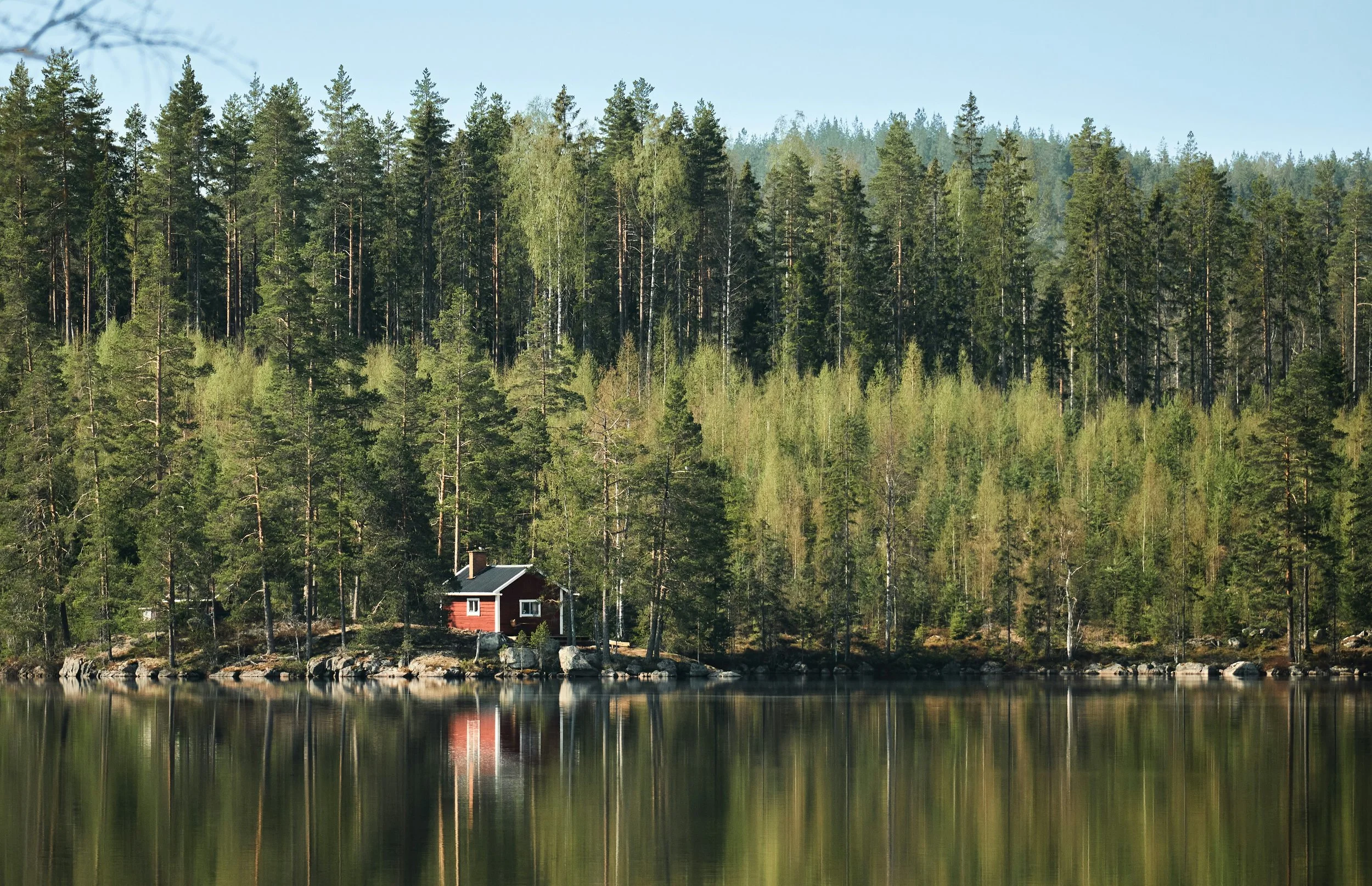
Lake Siljan living
My own introduction to Dalarna began at Kloten Nature Resort, where a collection of timber cabins sits among the trees overlooking a lake. It proved to be the perfect introduction to the region, as within minutes of arriving, life seemed to operate at an entirely different pace. Along with my knowledgeable guide, I paddled canoes across mirror-like water, wandered into the forest in search of berries and mushrooms and spent the evening moving between the sauna, hot tub and lakeside dock. Daylight lingered long – impossibly long – into the Scandinavian summer evening.
There was nothing particularly complicated about any of it, and that was precisely the point. In a travel industry increasingly obsessed with creating ever more elaborate experiences, Dalarna's greatest strength may be its confidence in simplicity. Here, nature isn't packaged or curated, but rather simply exists, inviting visitors to join in.
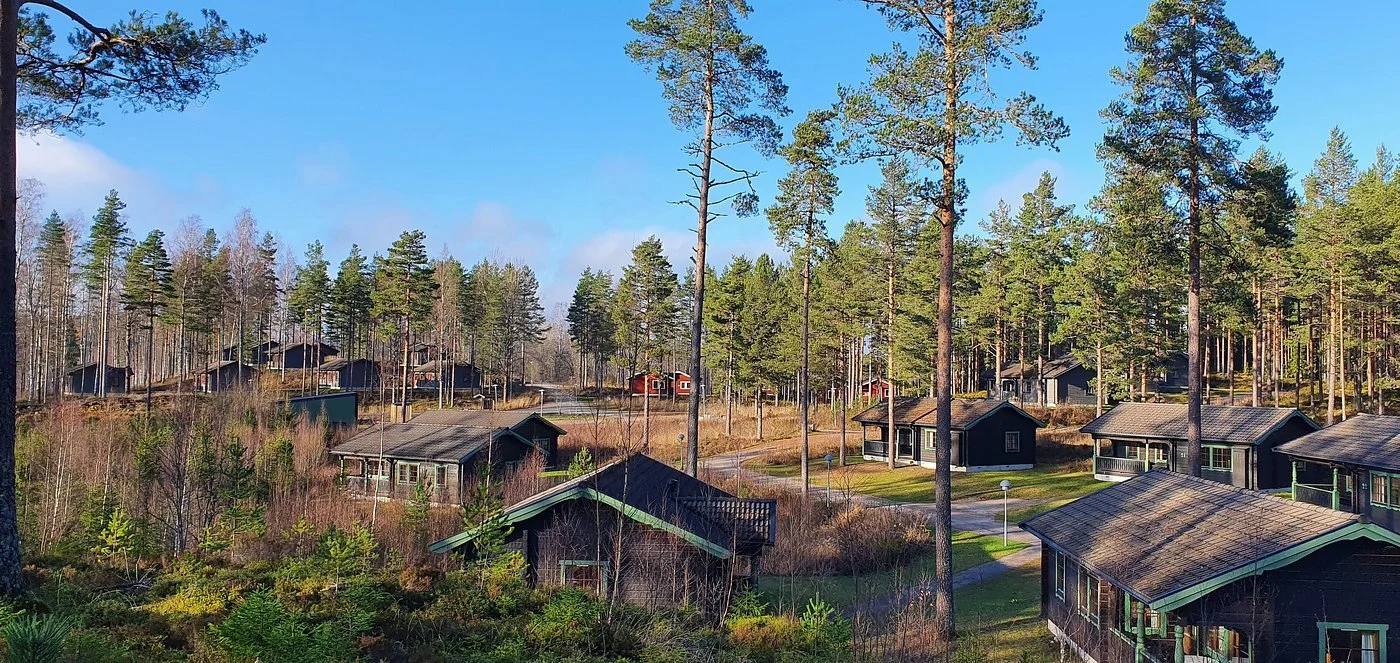
Simple living, done well at Kloten Nature Resort
The following day brought more evidence of this philosophy as we explored the forests around Säfsen by e-bike, weaving through woodland trails and stopping beside lakes whose names I never quite caught (and probably would struggle to pronounce regardless) but whose beauty I won't forget.
Later, dinner was prepared over an open fire in the forest, where root vegetable stew, freshly baked bread and cloudberries tasted infinitely better for having been earned outdoors. There is something about Sweden that encourages a reconnection with simple pleasures, and Dalarna seems particularly good at it.
Tällberg and the Art of the Good Life
If Kloten and Säfsen showcased Dalarna's natural side, Tällberg revealed its soul. Perched high above Lake Siljan, the village commands one of the most beautiful views in Sweden. Traditional timber houses tumble down the hillside towards the water, while gardens burst with colour during the summer months. Everywhere you look, there is an effortless sense of balance between architecture and landscape.
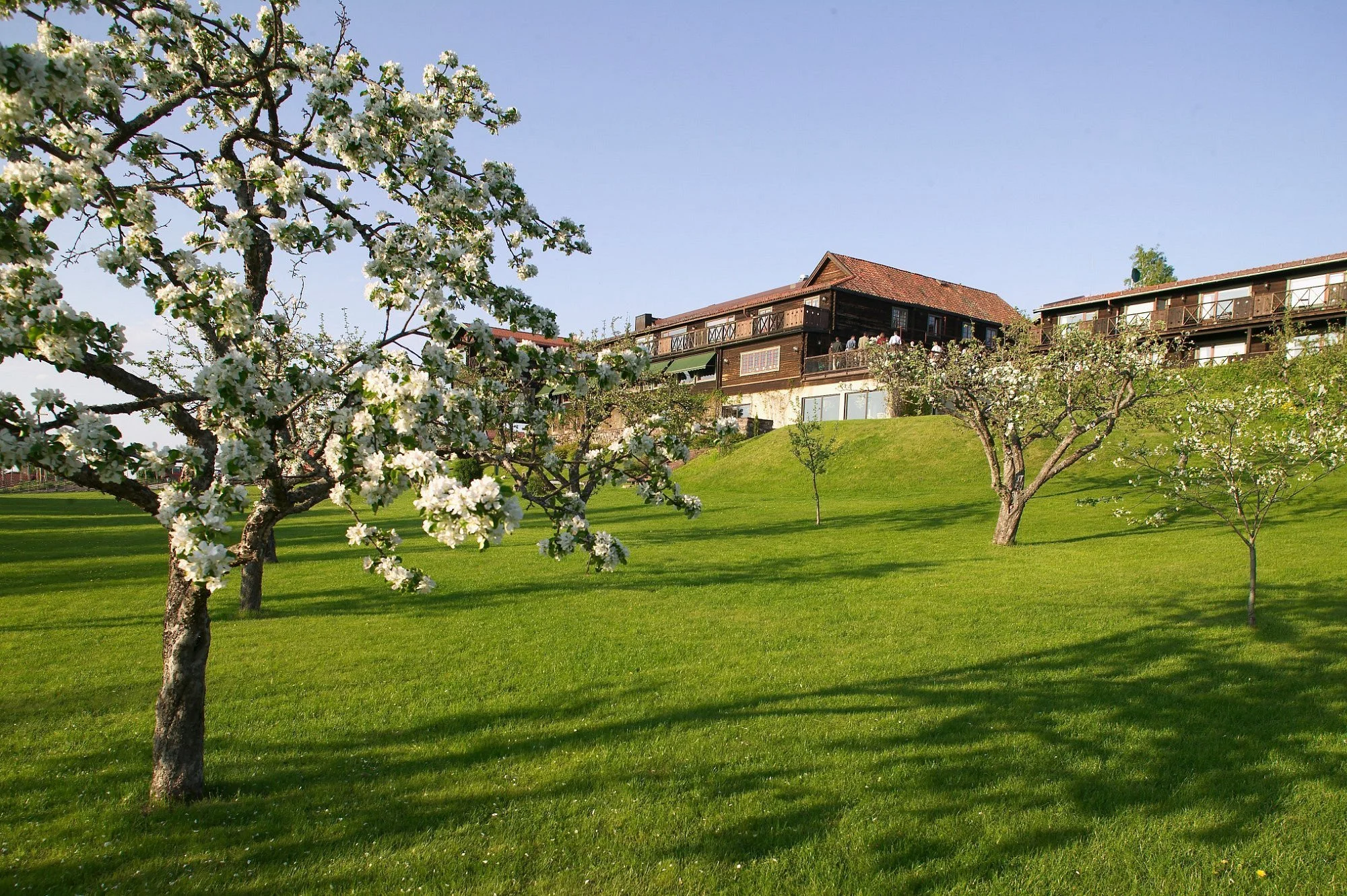
Green Hotel, Tällberg
Our base was Green Hotel, a family-owned property dating back to 1917 that feels deeply connected to its surroundings. The emphasis here is not on extravagant luxury but on craftsmanship, hospitality and a strong sense of place. Local produce dominates the menus – game meats, berries and herbs are the order of the day, every day, and I have absolutely no cause to complain whatsoever – the interiors celebrate Swedish design traditions, and the panoramic views across Lake Siljan are reason enough to sit still for an afternoon.
Looking back through the plethora of photographs I took during my stay in Tällberg , it’s not hard to see why artists have been drawn to Dalarna for generations. The Green Hotel boasts an impressive collection of paintings, hinting at the region’s longstanding relationship with creativity – a relationship that runs very, very deep indeed.
The Artists Who Defined Sweden
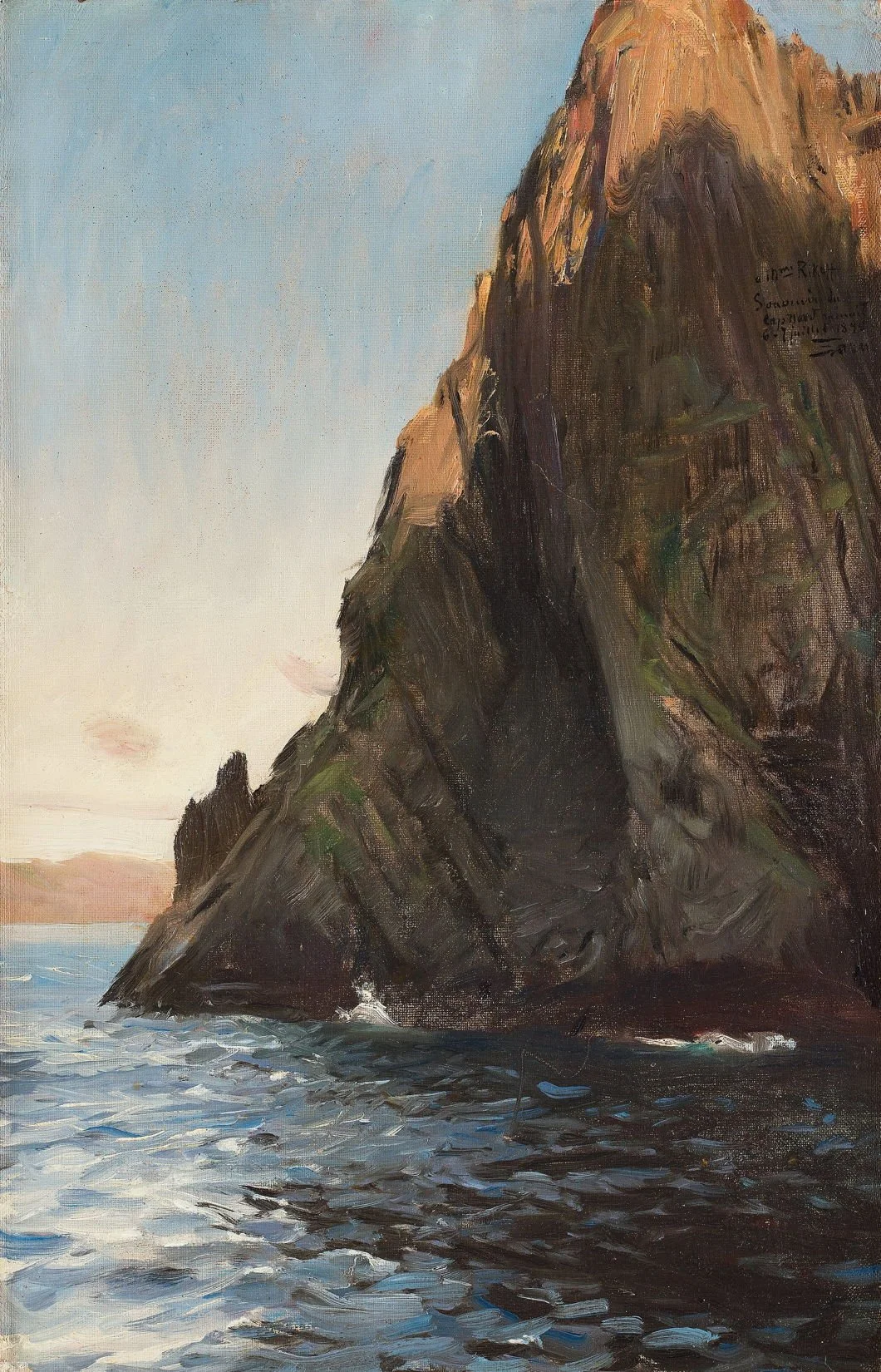
Nordkap i Midnattssol, Anders Zorn
No exploration of Dalarna is complete without a visit to Mora and the legacy of Anders Zorn. Outside Scandinavia, Zorn is perhaps less famous than he deserves to be. However, strike up a conversation with a local within 50 miles of his house, and he’ll be brought up in conversation – so embedded are his works in the region’s culture and sense of identity.
I’ll be the first to admit I’d never heard of him, despite being fairly knowledgeable of European art history. In Sweden, however, he occupies a place alongside the country's greatest cultural figures, and it’s a reputation that’s more than justified. A contemporary of John Singer Sargent and Joaquín Sorolla, he became renowned for portraits and landscapes that captured both the changing light and character of Sweden with extraordinary sensitivity.
Visiting the Zorn Museum and his former home, Zorngården, provides one of the most illuminating cultural experiences in the country. The house remains remarkably, almost spookily intact, as if the artist had just popped out to pick up a brace of reindeer sausages and forgotten to lock his door behind him. It’s filled with art, furniture and artefacts gathered throughout his travels, and the adjoining museum showcases the breadth of his work, giving real insight into his way of seeing the landscape and the people who inhabited it. After viewing the paintings on show, understanding his local stardom isn’t difficult: Zorn remained deeply connected to his roots in Dalarna, returning repeatedly to paint the characters, traditions and scenery that shaped his identity.
For all its tranquillity, Dalarna has never been isolated. Its artists, craftspeople and cultural figures have consistently engaged with the wider world while remaining anchored to the landscape around them, and visitors can absolutely still feel that creative spirit today. Whether through traditional handicrafts (this is the home, after all, of the emblematic red Dala Horse, the unofficial mascot of Swedish folklore), contemporary design or local food culture, there is a sense that people here continue to create from a position of genuine connection with place.
Beyond the Forests
The further north we travelled, the more Dalarna seemed to transform. The gentler countryside around Lake Siljan gradually gave way to broader horizons and more dramatic landscapes. Mountains began to emerge in the distance and roads stretched through immense forests where signs of human activity became increasingly sparse.
Up here, amid dense forests and under impossibly deep blue skies, another dimension of Dalarna reveals itself in truly exciting and significant ways. This is part of Sápmi, the traditional homeland of the Sámi people, and one of the most memorable experiences of the trip came at Renbiten Grövelsjön, a Sámi-run reindeer centre and adventure business that offers visitors a meaningful introduction to both the animals and the culture that surrounds them.
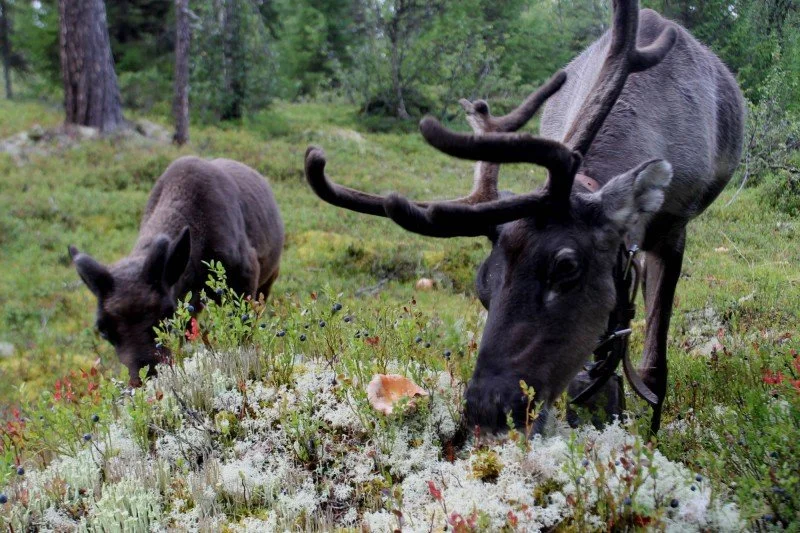
Renbiten’s reindeer
Those who know me understand that I have a real love for reindeer. They’ve been my answer to the question ‘what’s your favourite animal’ since I was about three years old – there’s something about their quietness, their stoicism and their mythic status that never fails to fascinate. Walking alongside these beautiful animals at Renbiten Grövelsjön was a genuine bucket-list adventure, albeit an understated, meditative one, and a chance to witness the landscape in a wholly new way. Along the route, my Sámi guide explained how generations of Sámi families have lived in close relationship with these animals and the wider environment, sharing stories that connected the landscape to traditions stretching back centuries. We stopped to look at the tracks left by lynx and wolverine, we listened for wolves in the distance. Out here, wilderness is untamed and all-encompassing.
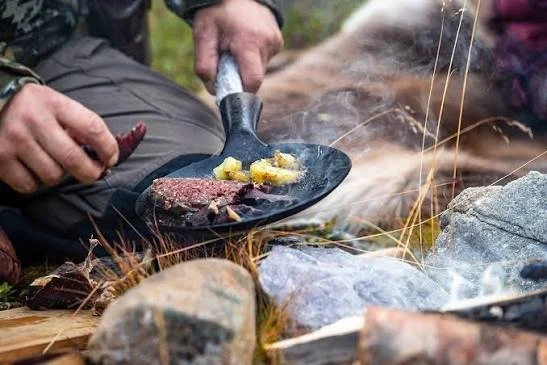
An encounter with Sámi cuisine
The magic was slightly – ever so slightly – broken when he pulled out a packet of reindeer sandwiches to share with the group. However, it was an important reminder that the reindeer and the Sámi have a symbiotic relationship, and that this wasn’t intended to be a whimsical experience but an insight into real life, real toil and the realities of living within this landscape.
Ultimately, the encounter didn’t feel performative; it felt like a rare opportunity to gain insight into a living culture whose connection to nature remains both practical and profound, and the landscapes surrounding Grövelsjön only enhanced that feeling.
The Luxury of Breathing Space
The travel industry has enthusiastically embraced the term "coolcation" in recent years, but after spending time in Dalarna, the phrase feels slightly inadequate. After all, the region's appeal extends far beyond the allure of its relatively lower temperatures.
What Dalarna offers is an alternative vision of summer itself. Here, days are spent paddling across lakes rather than competing for sun loungers. Forest walks replace frantic sightseeing schedules. Meals are shaped by local produce and seasonal traditions. Culture emerges naturally from the landscape instead of being staged around it.
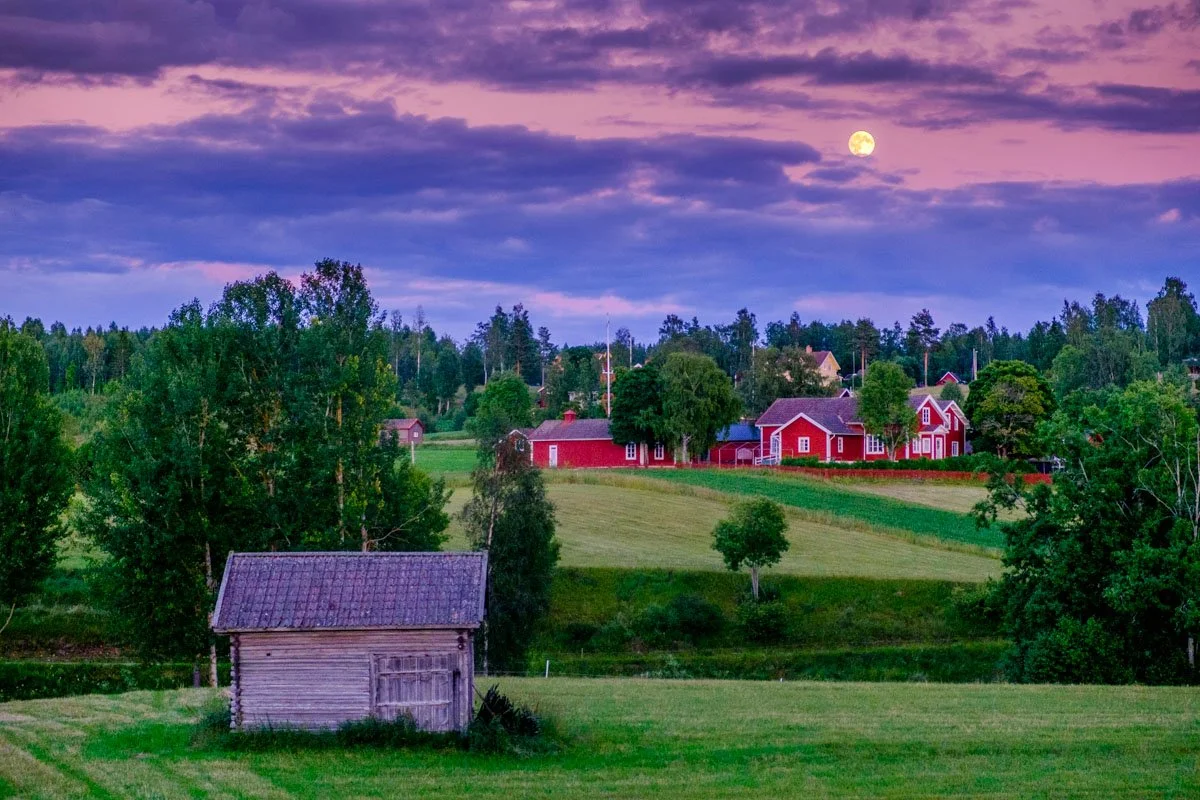
Summer nights that never end
Most importantly, there is space in which to think, to slow down and to reconnect with the reasons we travel in the first place. As much of Europe grapples with rising temperatures and overtourism, destinations such as Dalarna feel increasingly relevant. Not because they represent some fleeting travel trend, but because they offer something more fundamental: a reminder that luxury need not be loud, exclusive or extravagant.
For all the talk of five-star resorts, private islands and ever-more elaborate travel experiences, the moments that linger longest from my time in Dalarna are remarkably simple: the silence of a forest broken only by birdsong, the perfectly still surface of a lake at dusk. The sight of reindeer moving through the trees, the lingering glow of evening sunlight on the shores of Lake Siljan. The taste of fresh cloudberries on the tongue.
Perhaps that's the real lesson of a Swedish summer. In a world increasingly defined by excess, noise and urgency, Dalarna has quietly perfected the art of offering the opposite. Right now, that feels less like a travel trend and more like the future of luxury itself.
Want more Nordic luxury in your life? Check out our articles on Nordic foraging escapes, Scandinavian sauna holidays, Gothenburg travel, the best things to do in Helsinki and the best Copenhagen restaurant.
