
The Last of the Summer Wine: Why is Rosé a Seasonal Drink?
It will come as a surprise to precisely nobody who has lived on this windswept isle – or who has even spent more than a few days here – that the British are as eccentric about wine as they are about countless other things.
That eccentricity lies not necessarily in what we drink (for we’ve all gotten much better in recent years when it comes to broadening our oenological horizons) but when we drink it. We seem to have developed an unwritten set of rules governing which bottles may appear on the table at particular times of year, and I’ve never quite managed to get my head around it. Port and Sherry emerge from hibernation every December, as reliably as mince pies and bitter arguments about board games. Rich reds make their annual return the moment summer gives way to drizzle and darkness. Crisp whites are deemed suitable for spring, and rosé has perhaps the narrowest and most baffling window of all.
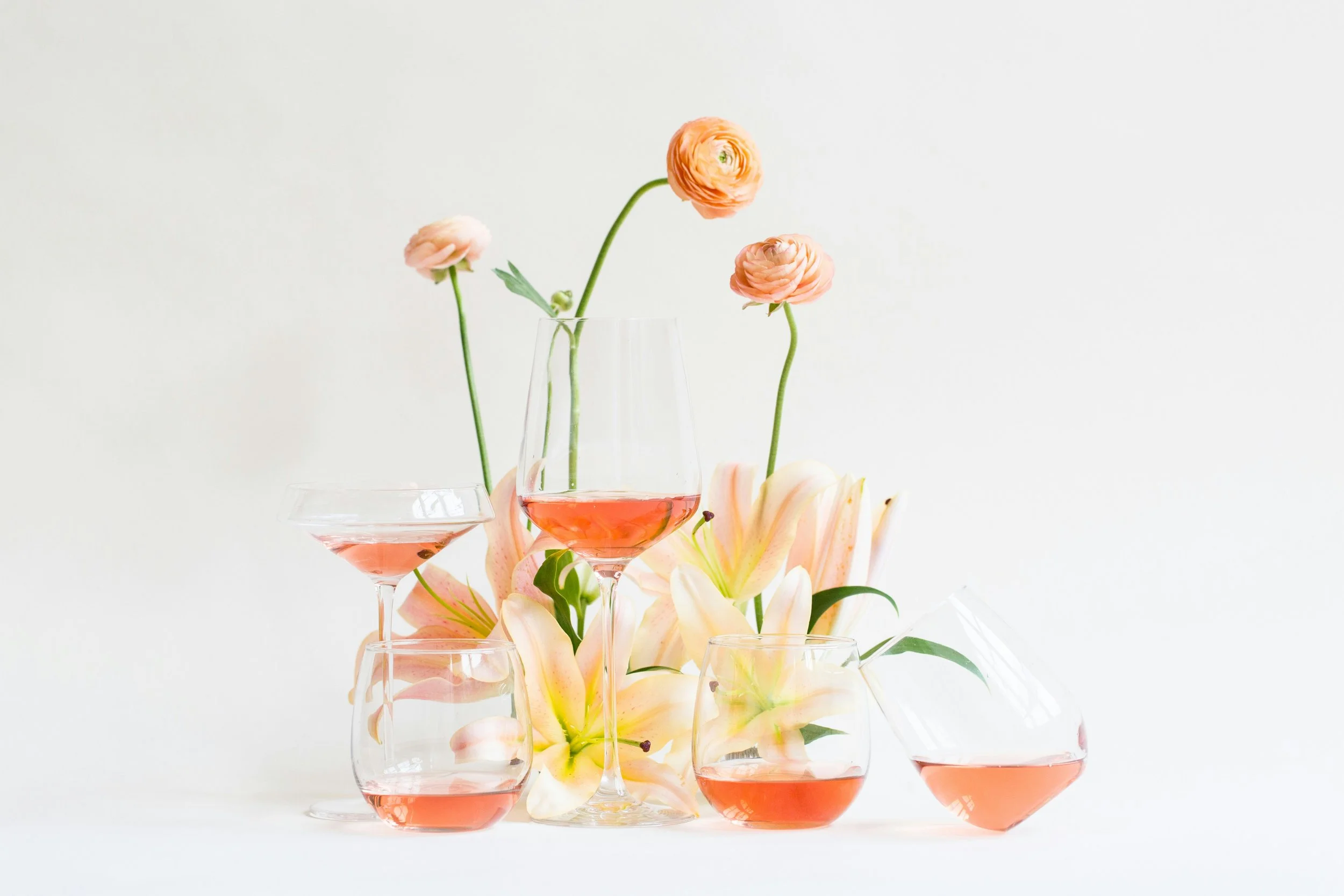
Rethinking the pink
The case for drinking rosé long after summer ends
For many Britons, rosé remains a wine exclusively associated with the kind of sunshine which, this year’s summer notwithstanding, isn’t exactly something our North Atlantic outcrop experiences in copious quantities. The first hint of a heatwave arrives and the supermarket and bottle shop shelves turn pink; overnight, everyone appears to be drinking rosé on patios they forgot existed for the previous eleven months. Then as soon as autumn drags itself onto our calendars, temperatures dip below twenty degrees and those blushing bottles are quietly packed away until the following year.
Loire Valley vineyards
We don't reserve sparkling wine exclusively for birthdays or New Year’s Eve. We don’t reserve beer for anything at all, even for breakfast as anyone who’s caught a six a.m flight from a British airport will attest. However, rosé continues to be treated less like a serious wine category and more like a seasonal accessory.
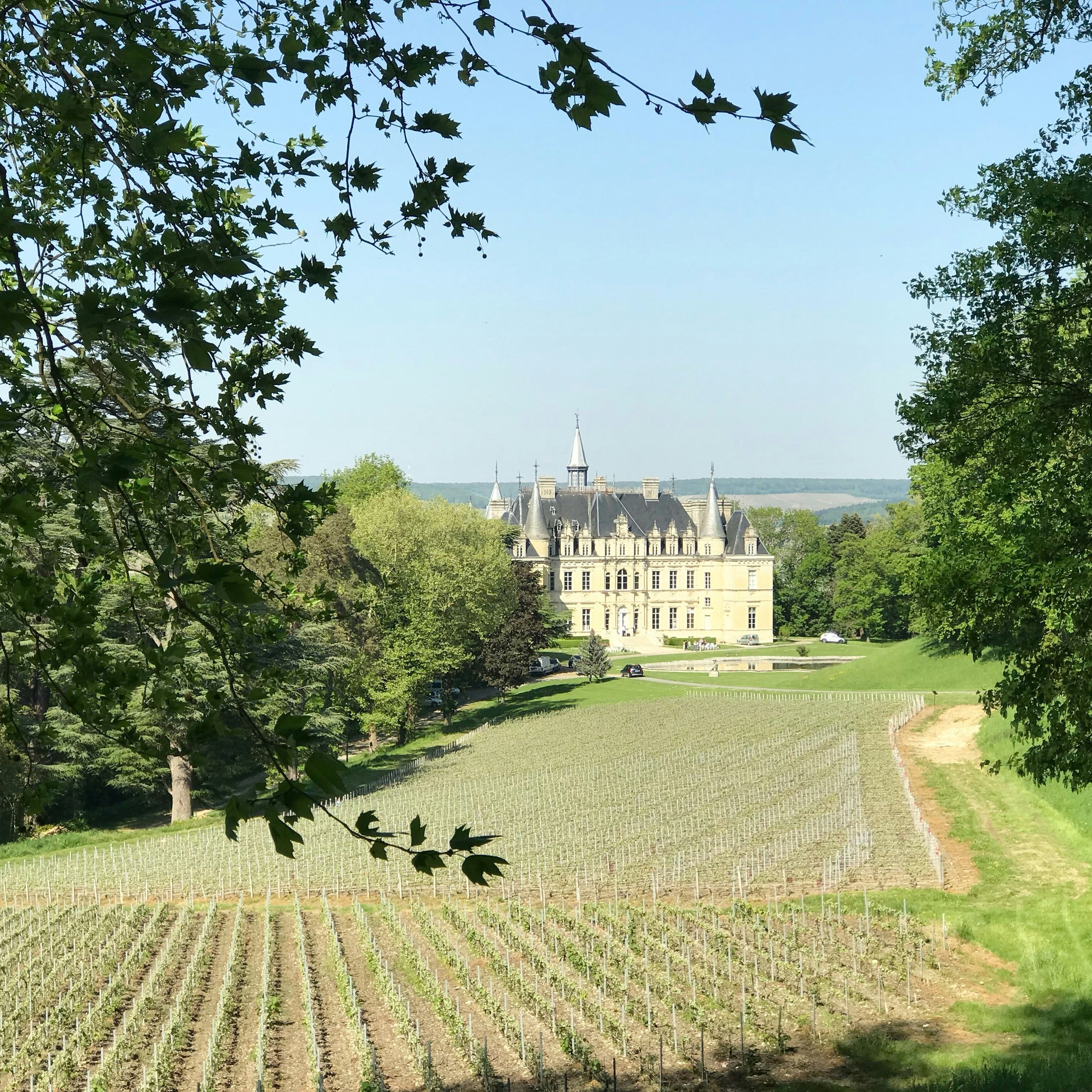
The French, unsurprisingly, see things completely differently, and nowhere is that more evident than in the Loire Valley, where rosé isn't a single style but an entire spectrum that’s given the respect and time it so often deserves. Head to the Loire or one of its neighbouring provinces at any time of year, and you’ll uncover rosé that are bone dry and mineral, others that are softly sweet. There are examples that celebrate their light and aperitif-friendly nature, and those with enough structure to sit comfortably alongside grilled meats, charcuterie and the honkiest of runny cheeses. There are sparkling examples worthy of celebration and elegant, terroir-driven wines absolutely capable of holding their own against the big-hitting reds and whites of the most renowned appellations.
Spend a little time exploring Loire rosé and you quickly realise the problem isn't the wine, or the weather, but our weirdly conservative assumptions about it. These six bottles make that case rather convincingly, and if you’re looking to keep summertime rolling all year round – well, they’re the perfect place to start.
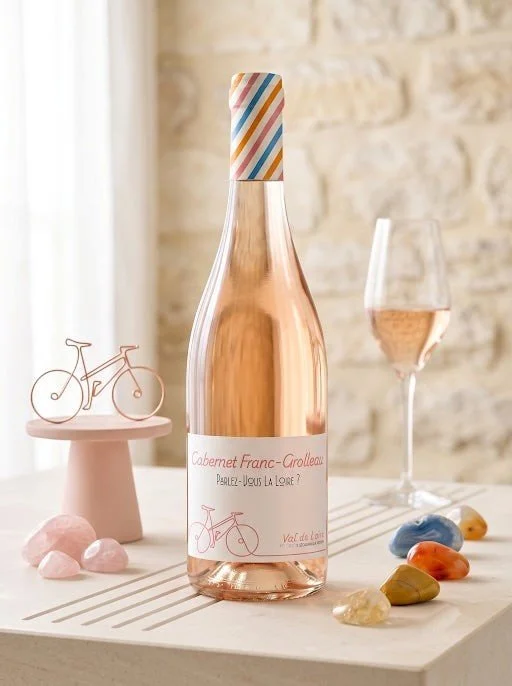
Parlez-Vous La Loire Cabernet Franc Rosé 2025
IGP Val de Loire | The Wine Shop | £9.99
An excellent introduction to Loire rosé and arguably one of the best-value wines in this line-up.
Made from Cabernet Franc, a grape more commonly associated with the reds of Chinon and Bourgueil, it reveals a completely different side of its personality in this fabulous bottle. Bright strawberry and raspberry aromas tumble from the glass, while a subtle earthy character provides welcome complexity and keeps everything grounded.
The palate is crisp, dry and energetic, making this an effortlessly drinkable bottle that would shine alongside a goat's cheese salad, grilled salmon or a generous charcuterie board. It's also a useful reminder that inexpensive rosé needn't be simple, nor should you need an excuse to indulge.
Château La Varière Les Martignolles Rosé d'Anjou 2025
Tanners | £12.30
For many wine drinkers, sweetness in rosé remains unfashionable. That's a pity – Rosé d'Anjou can be one of France's most misunderstood styles, and its subtle residual sugars provide the kind of balance that makes it a stunningly versatile choice.
Dominated by Grolleau, with support from Gamay and Cabernet varieties, this bright and cheerful wine offers generous strawberry and raspberry fruit balanced by a gentle off-dry finish. The sweetness is never excessive. Instead, it acts as another flavour component, softening the wine and making it remarkably agile at the table. In fact, this is exactly the sort of rosé that comes alive alongside spicy Thai dishes, Mexican food, smoky barbecue flavours or richly seasoned vegetarian cooking.
If nothing else, this Rosé d'Anjou proves that not every rosé needs to be aggressively dry to be sophisticated – that’s another Britishism that feels totally alien across the Channel, and a prejudice that’s long overdue a serious rethink.
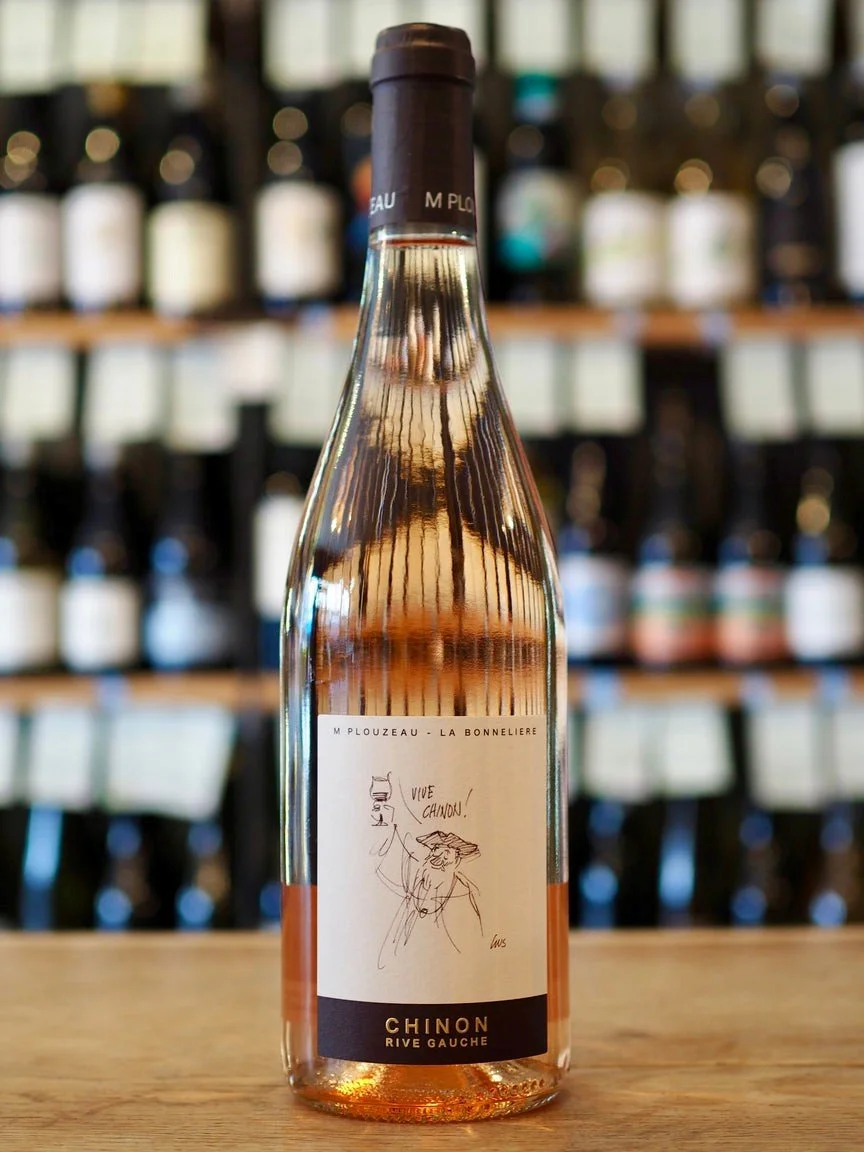
Domaine M Plouzeau Rive Gauche Rosé
Chinon | Gnarly Vines | £18.50
Made from organically grown Cabernet Franc on Chinon's pebbly left-bank soils, this is a rosé for those who enjoy wines with a strong sense of terroir. Delicate aromas of wild strawberry, cranberry and fresh herbs lead into a palate defined by crisp acidity and impressive mineral precision, and there's no attempt here to charm with overt fruitiness. Instead, the wine offers subtlety, restraint and complexity – a serious rosé lover’s rosé, and one we can’t get enough of.
The chalky limestone finish lingers beautifully, inviting another sip and making this an ideal partner for seafood, salads, salty snacks and simple dishes where quality ingredients can shine. This is the bottle most likely to convert those who still struggle to think of rosé as a serious wine, although if you don’t feel like sharing it with the sceptical, we wouldn’t blame you at all.
Domaine des Echardières Touraine Rosé 2025
The Wine Society | £10.95
Just when you've formed an idea of what Loire rosé looks like, the region changes direction and reveals yet more delights.
This fascinating blend combines five different grape varieties, with Malbec, Cabernet Franc, Gamay, Grolleau and Pineau d'Aunis each contributing something distinctive to the final wine. The result is wonderfully expressive, combining floral aromatics with flavours of summer berries, pomegranate and citrus. There's also a subtle peppery lift from the Pineau d'Aunis that adds real character and a reminder of what makes this region so unique.
More structured than many rosés at this price point, it's equally at home as an aperitif or accompanying seafood, picnic lunches and lighter seasonal dishes.
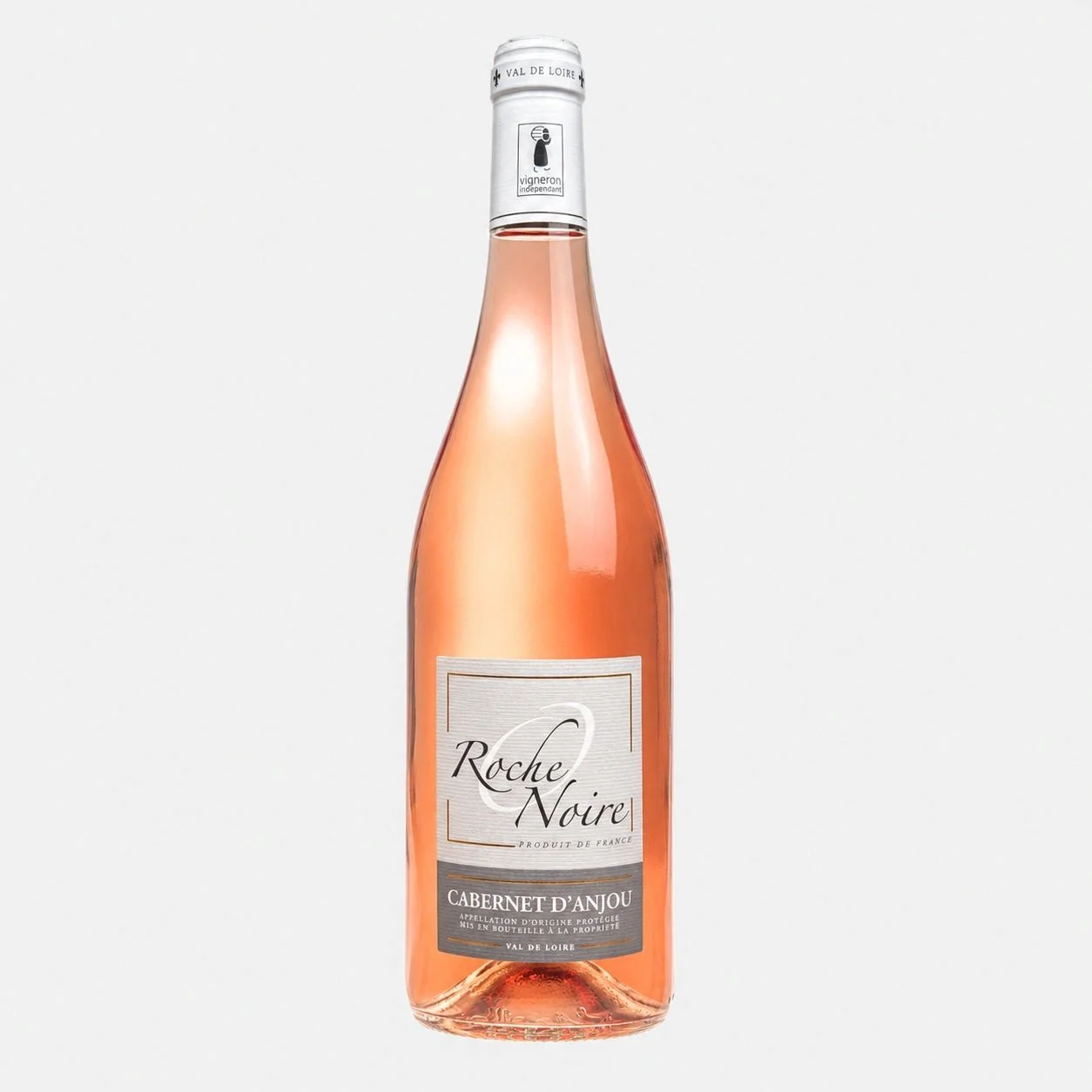
Domaine Moncourt Roche Noire Rosé
Cabernet d'Anjou | Hourlier Wines | £13.50
The Loire's willingness to challenge rosé orthodoxy continues with this appealing Cabernet d'Anjou, and it might just be our favourite of the bunch.
Produced from Cabernet Sauvignon and Cabernet Franc, the wine combines gentle, subtle yet important flashes of sweetness with refreshing acidity and plenty of vibrant red berry fruit. Aromas of rose petals add a pleasing floral dimension, while the palate possesses enough substance to stand up to heartier dishes.
This isn't a delicate sipping rosé for a sunny afternoon. It's a bottle with genuine gastronomic ambition; serve it alongside pizza, grilled meats, French runny cheeses, Thai dishes, Indian curries or roast chicken, and you’ll discover that it reveals a versatility that many supposedly food-friendly rosés struggle to match.
De Chanceny Crémant de Loire Rosé NV
Tesco | £12.50
The greatest injustice in British wine culture may be our tendency to reserve sparkling wine exclusively for celebrations. Made using the traditional method from Cabernet Franc and Grolleau, this Crémant de Loire offers remarkable value and genuine elegance. Fine bubbles carry aromas of strawberries, cherries and rose petals, while the palate remains fresh, balanced and beautifully poised.
It's sophisticated enough to impress enthusiasts yet approachable enough to become a regular house pour. Served with smoked salmon, grilled prawns or simply as an aperitif before dinner, it demonstrates why France's sparkling wine story extends far, far beyond Champagne.
Loire rosé: not just for when the mercury rises
We all know that the British have an obsession with the climate, but perhaps the real lesson here is that we've allowed the weather to dictate a little too much of our wine drinking.
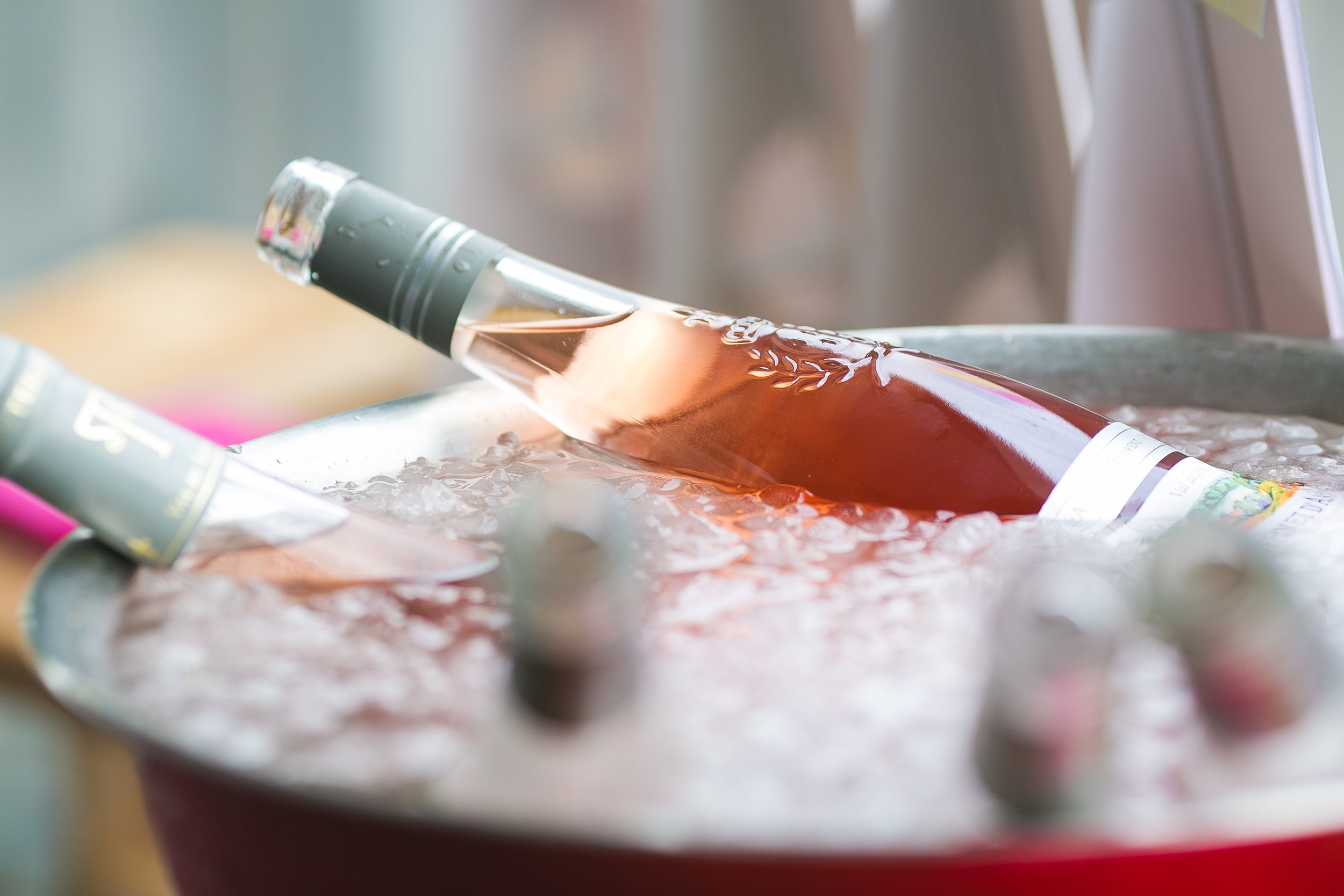
Pleasure is pink, all year round
After all, if we lived in Provence, where endless blue skies are practically guaranteed, perhaps the British perception of rosé would make more sense. Unfortunately, we don't. We live in an often soggy island nation where summer can disappear between breakfast and lunch, and where what we pitifully refer to as a barbecue is a ritual routinely interrupted by rain. Indeed, it’s where some of the best meals of the year are eaten long after the deckchairs have been folded away (and yes, the case for drinking a great bottle of rosé at Christmas dinner is a compelling one, and one we’ll return to when the season rolls around).
Fortunately, great rosé was never designed solely for hot afternoons. The best bottles from the Loire offer freshness without simplicity, elegance without austerity and, above all, incredible versatility. They can accompany a picnic in August, certainly, but they're equally at home beside roast chicken in October, spicy dishes in November or a platter of charcuterie on a dark winter evening.
With all of this in mind, perhaps it's high time we stopped asking whether rosé is a summer wine. A better question might be why we ever decided it was one in the first place, and then to grab the corkscrew and give in to pleasure… whatever the weather may be doing outside.
